
The term “military technologies” encompasses a vast and ever-evolving landscape of innovations designed to enhance national defense, project power, and safeguard populations. It is a field where cutting-edge scientific research, sophisticated engineering, and strategic foresight converge to create tools and systems that redefine the nature of warfare and security. From the microscopic precision of cyber warfare to the colossal might of next-generation aircraft carriers, military technologies are a testament to human ingenuity applied to the most critical of human endeavors: protection and deterrence.
The core purpose of military technologies is to provide armed forces with a decisive advantage. This advantage can manifest in numerous ways: increasing the lethality and precision of weapons, improving the survivability of personnel and assets, enhancing intelligence gathering and situational awareness, enabling faster and more efficient logistics, and facilitating superior communication and command and control. Beyond direct combat applications, military technologies also play a crucial role in non-combat operations, such as disaster relief, humanitarian aid, and peacekeeping missions, where their advanced capabilities can be repurposed to save lives and mitigate suffering.
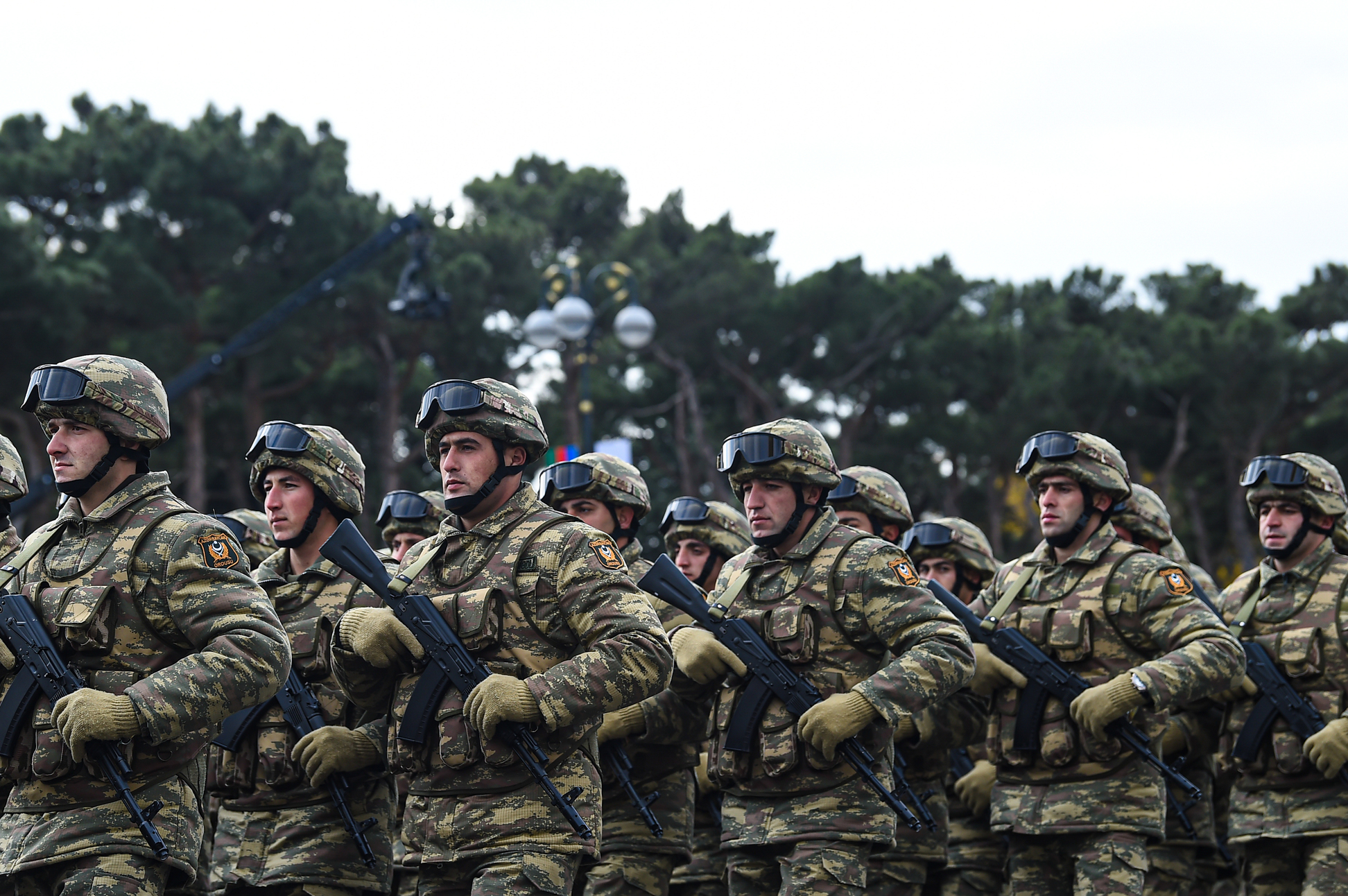
The development of military technologies is not a static pursuit. It is a dynamic arms race, both in the literal and figurative sense, where nations continuously innovate to counter emerging threats and maintain a strategic edge. This relentless pursuit of advancement is fueled by geopolitical realities, the lessons learned from past conflicts, and the inherent desire to protect national interests. Consequently, the technologies deemed essential today may be obsolete tomorrow, necessitating a constant cycle of research, development, procurement, and adaptation.
The Pillars of Modern Military Technological Advancement
The development and deployment of military technologies rest upon several foundational pillars, each contributing to the overall effectiveness and sophistication of a nation’s defense capabilities. These pillars represent broad areas of technological focus that are crucial for maintaining a strategic advantage in the modern era.
1. Lethality and Precision Weaponry
At the heart of any military are its weapons, and advancements in this domain have been relentless. The focus has shifted from sheer destructive power to precision, intelligence, and standoff capabilities.
Smart Munitions and Guided Systems
The era of unguided artillery shells and “dumb” bombs is largely behind us. Modern militaries rely heavily on smart munitions, which employ advanced guidance systems – such as GPS, inertial navigation, laser designation, or infrared homing – to strike targets with unprecedented accuracy. This precision not only maximizes the effectiveness of each munition but also significantly reduces collateral damage, a critical consideration in contemporary warfare. This includes everything from precision-guided artillery shells and missiles to advanced air-to-ground munitions designed for specific target sets.
Directed Energy Weapons (DEWs)
While still an emerging area, Directed Energy Weapons represent a significant leap in offensive and defensive capabilities. These weapons, which include lasers, high-powered microwaves, and particle beams, can disable or destroy targets without the need for physical projectiles. Lasers, for instance, can be used to shoot down drones, disable sensors, or even neutralize incoming missiles. High-powered microwaves can disrupt or destroy enemy electronics. The appeal of DEWs lies in their virtually unlimited magazine depth (requiring only power), their speed-of-light delivery, and their potential for precise effects.
Autonomous and Semi-Autonomous Systems
The integration of artificial intelligence and advanced robotics is leading to the development of autonomous and semi-autonomous weapon systems. These systems can operate with varying degrees of human oversight, from performing pre-programmed tasks to making independent targeting decisions in highly dynamic environments. While the ethical implications of fully autonomous weapons are a subject of intense debate, semi-autonomous systems, which assist human operators or perform limited functions independently, are already becoming a reality. Examples include autonomous reconnaissance drones, unmanned naval vessels, and advanced robotic ground vehicles.
2. Information Dominance and Cyber Warfare
In the 21st century, information is as much a battlefield as any physical terrain. The ability to collect, process, disseminate, and protect information is paramount.
Intelligence, Surveillance, and Reconnaissance (ISR)
ISR platforms are the eyes and ears of modern military forces. This category includes a vast array of technologies, from high-altitude spy planes and satellites to sophisticated drones and ground-based sensors. Advanced sensors, including electro-optical, infrared, radar, and signals intelligence (SIGINT) systems, collect vast amounts of data. The challenge then becomes processing this data in near real-time to provide actionable intelligence to commanders. AI-powered analytics and machine learning are playing an increasingly crucial role in sifting through this information deluge to identify patterns, threats, and opportunities.
Cyber Warfare and Electronic Warfare (EW)
Cyber warfare involves the use of digital attacks to disrupt, deny, degrade, or destroy an adversary’s information and communication systems. This can range from simple denial-of-service attacks to sophisticated malware designed to cripple critical infrastructure or steal sensitive data. Electronic warfare complements cyber operations by focusing on the electromagnetic spectrum. This includes jamming enemy communications, disrupting radar systems, and protecting friendly signals from interference. The interconnectedness of modern military systems makes them highly vulnerable to cyber and EW attacks, underscoring the critical importance of robust defenses and offensive cyber capabilities.
Command, Control, Communications, Computers, and Intelligence (C4I) Systems
Effective C4I systems are the nervous system of a military organization. They enable seamless communication between units, provide commanders with an accurate picture of the battlefield, and facilitate rapid decision-making. Modern C4I systems are increasingly network-centric, linking disparate sensors, platforms, and personnel into a cohesive operational network. This allows for greater coordination, faster response times, and more effective mission execution. The integration of secure data links, advanced networking protocols, and user-friendly interfaces is key to the success of these systems.
3. Enhanced Survivability and Force Protection
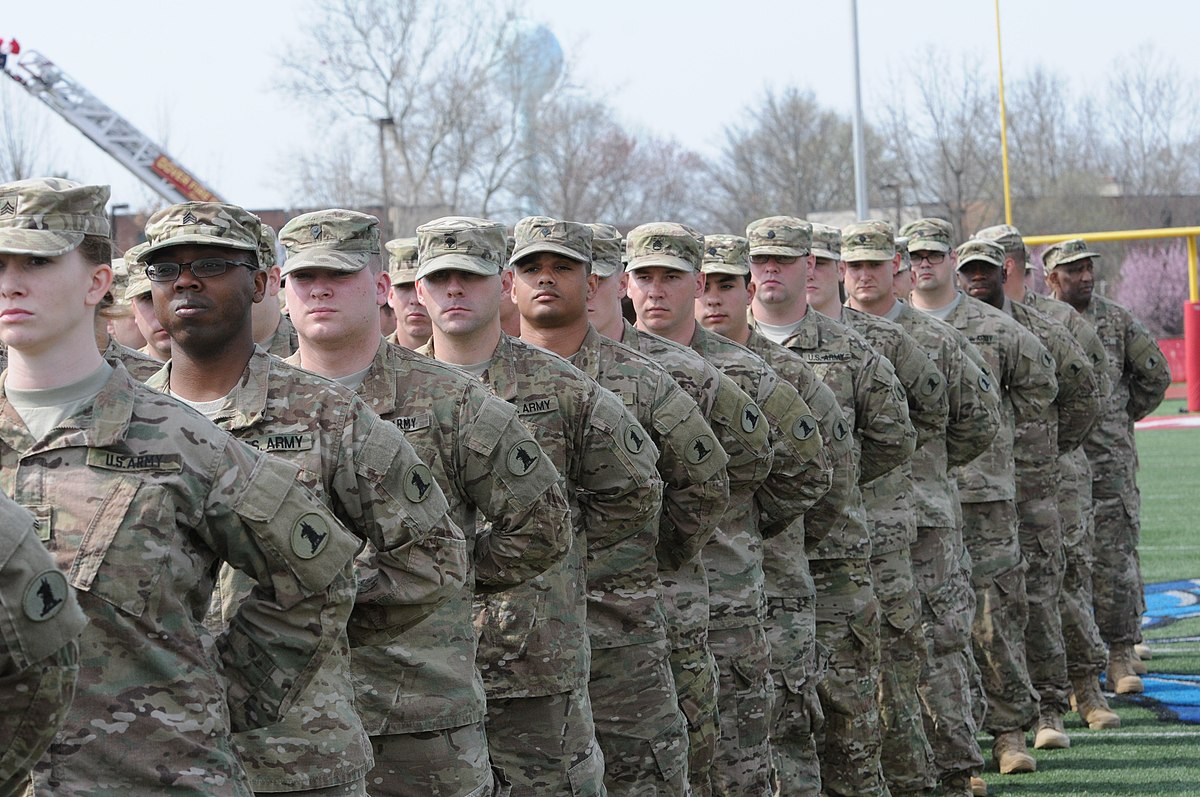
Ensuring the safety and survivability of military personnel and assets is a fundamental objective, driving innovation in a variety of protective technologies.
Advanced Materials and Armor
The development of lighter, stronger, and more resilient materials is crucial for protecting vehicles, aircraft, and personnel. This includes advanced composites, ceramics, and alloys that can absorb or deflect kinetic energy and explosive forces more effectively than traditional materials. Research into nanotechnology is also yielding promising results for creating new protective layers. This translates to improved armor plating for tanks and personnel carriers, advanced composite materials for aircraft and ships, and even next-generation body armor for soldiers that offers superior protection with less weight.
Stealth Technologies
Stealth technology aims to reduce the detectability of military assets by radar, infrared, acoustic, and other sensors. This is achieved through a combination of design features that reduce radar cross-section (e.g., shaping, radar-absorbent materials), minimize heat signatures, and dampen acoustic emissions. Stealth is particularly important for aircraft and naval vessels, allowing them to penetrate heavily defended airspace or operate undetected. The ongoing evolution of detection technologies means that stealth capabilities must also continually advance to remain effective.
Medical and Battlefield Trauma Care
While not always considered “weaponry,” advancements in military medical technologies are vital for force protection and reducing casualties. This includes improved field surgical techniques, rapid evacuation systems, advanced wound dressings, and novel treatments for battlefield injuries. The development of wearable medical devices that can monitor a soldier’s health in real-time and provide early warnings of critical conditions is also a significant area of innovation. The goal is to increase the “golden hour” survival rate for wounded personnel and to ensure the quickest possible return to duty or effective long-term care.
4. Mobility and Logistics
The ability to deploy forces rapidly and sustain them effectively across vast distances is a strategic imperative, heavily reliant on advanced mobility and logistics technologies.
Advanced Aircraft and Unmanned Aerial Systems (UAS)
Next-generation combat aircraft are designed for speed, maneuverability, stealth, and advanced sensor integration. Simultaneously, the proliferation of unmanned aerial systems (drones) has revolutionized reconnaissance, surveillance, and strike capabilities. From small, hand-launched tactical drones to large, long-endurance unmanned combat aerial vehicles (UCAVs), UAS are becoming indispensable assets. Their ability to operate in dangerous environments without risking pilots is a significant advantage, and their payloads are becoming increasingly sophisticated.
Naval Power and Submarine Technology
Modern naval forces are characterized by advanced warships, aircraft carriers, and submarines. Innovations in propulsion systems, stealth technology (for submarines), and weapon systems enable these platforms to project power globally. The development of advanced sonar, electronic warfare suites, and anti-submarine warfare capabilities is crucial for maintaining maritime dominance and protecting sea lanes of communication. Unmanned maritime vehicles (UMVs) are also emerging as important tools for mine detection, reconnaissance, and even escort duties.
Ground Mobility and Autonomous Ground Vehicles
While tanks and armored personnel carriers remain vital, there is a growing emphasis on lighter, more versatile ground mobility platforms, often incorporating advanced armor and survivability features. Furthermore, the integration of autonomous and semi-autonomous capabilities into ground vehicles for logistics, reconnaissance, and even combat support is an active area of development. These vehicles can reduce the risk to human soldiers in hazardous ground operations.
5. Emerging Technologies and Future Warfare
The landscape of military technology is constantly being shaped by emerging scientific and technological breakthroughs, which promise to redefine future conflict.
Artificial Intelligence and Autonomy
AI is poised to be the single most transformative technology in military applications. Its potential extends across nearly every domain, from improving ISR analysis and optimizing logistics to enabling autonomous weapon systems and enhancing cyber defenses. Machine learning algorithms are being developed to predict adversary behavior, identify novel threats, and accelerate the decision-making cycle.
Quantum Technologies
Quantum computing and quantum sensing hold immense potential for military applications. Quantum computers, when they mature, could break current encryption methods, necessitating the development of quantum-resistant cryptography. Quantum sensors could offer unprecedented precision in navigation, surveillance, and detecting stealthy targets.
Hypersonic Technologies
Hypersonic weapons, traveling at speeds above Mach 5, represent a significant challenge to existing defense systems. Their speed and maneuverability make them extremely difficult to track and intercept, potentially altering the strategic balance. Both offensive and defensive hypersonic technologies are areas of intense research and development.

Biotechnology and Human Augmentation
While still in its nascent stages, research into biotechnology and human augmentation could lead to enhanced soldier capabilities. This might include advanced prosthetics, improved resilience to extreme environments, or even cognitive enhancements. Ethical considerations are, of course, paramount in this domain.
In conclusion, military technologies are a dynamic and multifaceted domain, driven by the imperative of national security and the relentless pace of innovation. They are a critical component of any nation’s defense strategy, constantly evolving to meet new challenges and harness the potential of scientific discovery. The interplay between offensive and defensive capabilities, the increasing reliance on information, and the emergence of transformative technologies like AI and quantum computing will continue to shape the future of warfare and security for decades to come.
aViewFromTheCave is a participant in the Amazon Services LLC Associates Program, an affiliate advertising program designed to provide a means for sites to earn advertising fees by advertising and linking to Amazon.com. Amazon, the Amazon logo, AmazonSupply, and the AmazonSupply logo are trademarks of Amazon.com, Inc. or its affiliates. As an Amazon Associate we earn affiliate commissions from qualifying purchases.