
In today’s rapidly evolving business landscape, the ability to innovate isn’t just a desirable trait; it’s a fundamental necessity for survival and growth. While traditional entrepreneurship captures headlines with disruptive startups, a quieter, yet equally powerful force is at play within established organizations: intrapreneurship. Intrapreneurs are the unsung heroes within corporate structures, individuals who possess the vision, drive, and resourcefulness of an entrepreneur but operate under the umbrella of an existing company. They are the internal architects of change, the innovators who challenge the status quo, and critically, the accelerators of corporate brand evolution.
The concept of intrapreneurship goes far beyond mere employee initiative; it’s a strategic imperative for companies striving to maintain relevance, differentiate their offerings, and strengthen their brand identity in a crowded market. By fostering an environment where intrapreneurs can thrive, organizations don’t just generate new products or services; they cultivate a dynamic corporate culture, enhance their employer brand, and weave a compelling narrative of innovation into the very fabric of their public image. Understanding “what are intrapreneurs” is therefore not merely an academic exercise, but a critical step for any organization aiming to build a future-proof brand strategy.
The Essence of Intrapreneurship: Driving Innovation from Within
At its core, intrapreneurship is about bringing the spirit of entrepreneurship into a corporate setting. It’s the relentless pursuit of new opportunities, solutions, and ventures that benefit the parent organization.
Defining the Intrapreneurial Spirit
An intrapreneur is more than just an employee with good ideas. They are characterized by a unique blend of traits that empower them to overcome organizational inertia and bring their visions to life. Key among these are:
- Proactivity and Initiative: Intrapreneurs don’t wait for instructions; they identify problems or opportunities and proactively propose solutions.
- Visionary Thinking: They can see beyond immediate challenges, envisioning future possibilities and how their ideas can contribute to long-term growth.
- Risk-Takers (Calculated): While not risking their own capital, intrapreneurs take professional risks by championing unconventional ideas, knowing that failure is a possibility.
- Resourcefulness: They are adept at navigating corporate bureaucracies, identifying and leveraging internal resources, and building cross-functional alliances to achieve their goals.
- Passion and Persistence: Driven by a deep belief in their ideas, they exhibit remarkable resilience in the face of skepticism and obstacles, often demonstrating an ownership mindset.
These characteristics collectively form the intrapreneurial spirit—a powerful engine for internal innovation that, when properly harnessed, can lead to breakthroughs that redefine market segments and strengthen a company’s brand.
Differentiating Intrapreneurship from Traditional Entrepreneurship
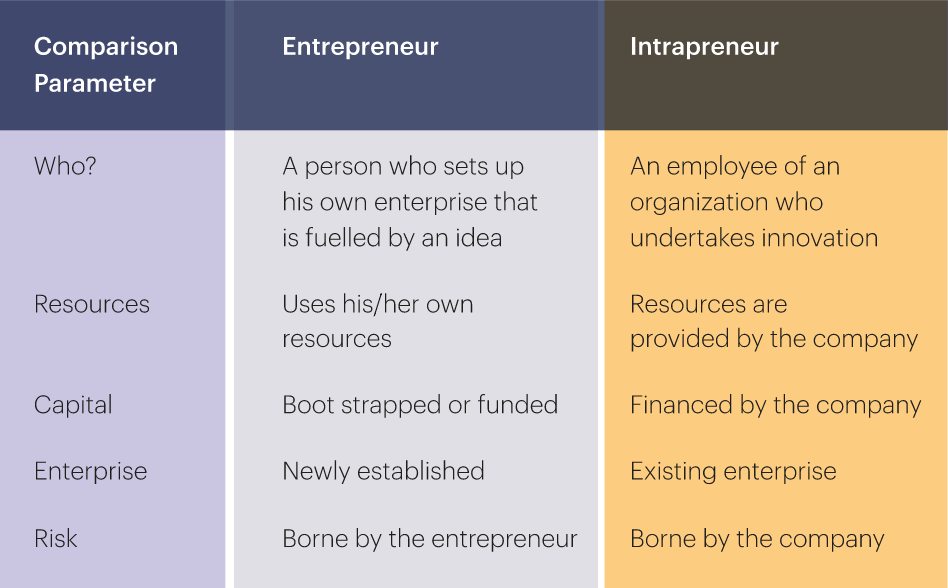
While sharing many traits, the distinction between intrapreneurship and traditional entrepreneurship is crucial, particularly when considering their impact on branding. An entrepreneur builds a company from the ground up, bearing full risk and responsibility. Their brand is entirely their creation, forged in the crucible of market entry.
An intrapreneur, conversely, operates within an established corporate framework. This offers a ‘safety net’ of resources—funding, talent, infrastructure, and an existing customer base—but also comes with the challenge of navigating existing organizational structures, policies, and priorities. The impact of an intrapreneur’s work, therefore, is directly tied to the established corporate brand. Their innovations either reinforce, expand, or sometimes even redefine the existing brand identity, rather than creating a wholly new one. For instance, the creation of Post-it Notes by 3M scientists Art Fry and Spencer Silver was an intrapreneurial triumph that profoundly enhanced 3M’s brand as an innovator, rather than launching a separate company.
Why Intrapreneurship Matters for Brand Strategy
The output of intrapreneurial endeavors—whether new products, improved services, or more efficient processes—directly contributes to a company’s market differentiation and competitive advantage. In a world where consumers increasingly value innovation and authenticity, a brand that can consistently deliver novel solutions, born from the ingenuity of its own people, tells a compelling story. It signifies a forward-thinking, dynamic organization committed to meeting evolving customer needs. This internal drive for innovation becomes a powerful external brand message, attracting not only customers but also top talent eager to join a company that values and empowers creative thinkers.
Intrapreneurship as a Pillar of Corporate Identity and Brand Reputation
The strategic cultivation of intrapreneurship isn’t merely about developing new offerings; it’s about fundamentally shaping a company’s corporate identity and burnishing its brand reputation as an innovative leader.
Fostering an Innovative Culture
A company that actively supports intrapreneurs sends a clear message, both internally and externally: “We value new ideas. We empower our people. We are not afraid to experiment.” This commitment translates into a vibrant, agile corporate culture that attracts curious minds and rewards creativity. Such a culture becomes a powerful component of the company’s brand narrative, positioning it as an exciting place to work and a cutting-edge partner for customers. When employees feel empowered to innovate, they become brand ambassadors, radiating enthusiasm and confidence that resonates with clients and stakeholders. This internal belief system strengthens the external perception of the brand as dynamic and future-oriented.
Enhancing Brand Perception Through New Product/Service Development
The tangible outcomes of intrapreneurial initiatives—breakthrough products, optimized services, or entirely new business units—are often the most visible manifestations of a company’s innovation prowess. Consider Google’s “20% time” policy, which famously led to the development of Gmail and AdSense. These intrapreneurial projects didn’t just add new revenue streams; they reinforced Google’s brand image as a pioneer in digital services, a company constantly pushing the boundaries of what’s possible. Similarly, Apple’s continuous innovation, often driven by internal teams working on secret projects, sustains its reputation as a leader in design and user experience, embedding “innovation” deeply into its brand DNA. These successes become powerful brand stories, demonstrating concrete value to the market and distinguishing the company from competitors who may appear stagnant.
Attracting Top Talent: Strengthening the Employer Brand
In the competitive battle for talent, a strong employer brand is indispensable. Companies known for fostering intrapreneurship offer a significant draw. Aspiring professionals, particularly those with an entrepreneurial bent, are increasingly seeking roles where they can make a genuine impact, exercise autonomy, and see their ideas come to fruition. An organization that provides pathways for intrapreneurial endeavors effectively communicates that it trusts its employees, invests in their creativity, and offers opportunities for meaningful contribution beyond a rigid job description. This reputation makes it easier to recruit and retain high-calibre individuals, who in turn further fuel the cycle of innovation, creating a virtuous loop that strengthens both the talent pool and the overall corporate brand.
Strategizing for Intrapreneurial Success: Integrating into Brand Marketing
To fully capitalize on the brand-building potential of intrapreneurship, organizations must move beyond simply permitting innovation; they must strategically integrate it into their overarching brand and marketing efforts.

Creating a Framework for Intrapreneurial Initiatives
Successful intrapreneurship isn’t accidental; it requires a deliberate framework. This includes:
- Dedicated Programs: Formal programs or innovation labs that provide structure, mentorship, and resources (e.g., funding, dedicated time) for employees to explore new ideas. Google’s aforementioned 20% time is one example, but many companies establish internal incubators or “venture funds.”
- Leadership Buy-in and Sponsorship: Senior leadership must openly champion intrapreneurship, signaling its importance through words and actions. This top-down support is crucial for overcoming resistance and securing necessary resources.
- Clear Communication Channels: Establishing clear pathways for idea submission, feedback, and progress updates ensures transparency and encourages participation.
- Protection from Bureaucracy: Creating ‘safe spaces’ or special units where intrapreneurial projects can operate with less red tape and faster decision-making can accelerate development.
By establishing such frameworks, companies demonstrate a genuine commitment to innovation, transforming an abstract concept into a tangible reality for employees, which then strengthens the internal perception of the brand as progressive and empowering.
Communicating Intrapreneurial Successes: Leveraging Internal Innovations in External Marketing
The stories of intrapreneurial breakthroughs are powerful marketing assets. When a new product or service is launched, highlighting its internal genesis—the brilliant individual or small team within the company who spearheaded its development—adds a layer of authenticity and human interest. This narrative isn’t just about the “what”; it’s about the “who” and the “how,” showcasing the company’s culture of innovation.
Marketing campaigns can leverage these stories through:
- PR and Media Relations: Featuring intrapreneurs and their stories in press releases, interviews, and articles.
- Content Marketing: Creating blog posts, case studies, and videos that detail the journey from idea to product, emphasizing the innovative spirit of the company.
- Social Media: Sharing behind-the-scenes glimpses of innovation processes and celebrating internal “heroes.”
- Brand Storytelling: Weaving the intrapreneurial journey into the broader narrative of the company’s commitment to progress and customer value.
This strategic communication reinforces the brand’s identity as a hub of creativity and forward-thinking, building trust and engagement with customers who appreciate transparency and authentic innovation.
Measuring the Impact on Brand Equity
While attributing specific brand equity increases solely to intrapreneurship can be complex, its contributions are undeniable. Companies can assess this impact through various metrics:
- Market Share Growth: New intrapreneurial products or services can capture new market segments or expand existing ones.
- Customer Loyalty and Retention: Brands that consistently innovate tend to foster stronger customer relationships.
- Brand Value and Perception Surveys: Tracking how key brand attributes like “innovative,” “forward-thinking,” and “responsive” are perceived by target audiences.
- Media Mentions and Positive PR: Increased positive media coverage related to new product launches or corporate innovation initiatives.
- Talent Acquisition Metrics: Improvements in recruitment conversion rates, reduced time-to-hire, and increased candidate quality for roles related to innovation.
By establishing these linkages, companies can demonstrate the ROI of fostering intrapreneurship, solidifying its place as a critical component of brand strategy and long-term business success.
Challenges and Best Practices in Cultivating an Intrapreneurial Brand
While the benefits are clear, building a truly intrapreneurial brand is not without its hurdles. Organizations must proactively address potential roadblocks and adopt best practices to sustain this vital source of innovation.
Overcoming Organizational Resistance
The biggest challenge often comes from within. Large organizations can be inherently resistant to change due to:
- Bureaucracy and Red Tape: Complex approval processes and hierarchical structures can stifle nascent ideas.
- Fear of Failure: A culture where failure is punished rather than learned from can discourage risk-taking.
- Resource Allocation Conflicts: Existing business units may view intrapreneurial projects as competitors for funding and talent.
- “Not Invented Here” Syndrome: Resistance to ideas that don’t originate from established departments or leadership.
Overcoming these requires strong, visible leadership that champions intrapreneurship, actively dismantles bureaucratic barriers, and cultivates a culture of psychological safety where experimentation and learning from mistakes are encouraged. This leadership commitment is paramount for the brand to genuinely embody innovation.
Building a Supportive Ecosystem
A thriving intrapreneurial environment requires a comprehensive support system:
- Leadership Buy-in: As mentioned, C-suite support is non-negotiable. Leaders must not only approve initiatives but actively participate in mentoring, championing, and communicating their importance.
- Cross-functional Collaboration: Intrapreneurial projects often require diverse skill sets. Facilitating collaboration across departments breaks down silos and enriches the innovation process.
- Mentorship and Coaching: Pairing intrapreneurs with experienced mentors can provide invaluable guidance, support, and help them navigate corporate landscapes.
- Recognition and Rewards: Beyond financial incentives, public recognition of intrapreneurial efforts, even those that don’t immediately pan out, reinforces their value to the company and its brand. Celebrating effort and learning, not just success, is key.
These practices create a fertile ground where ideas can germinate and flourish, enhancing the brand’s internal vitality and external appeal.
Sustaining the Intrapreneurial Spirit for Long-Term Brand Growth
Intrapreneurship should not be a one-off initiative but an ongoing commitment. To sustain this spirit for long-term brand growth, companies must:
- Continuously Invest: Dedicate consistent resources—time, money, and personnel—to innovation programs.
- Learn from Failures: View unsuccessful intrapreneurial ventures not as losses, but as valuable learning opportunities that inform future efforts. Share these learnings broadly.
- Adapt and Evolve: Regularly review and refine intrapreneurial frameworks based on feedback and changing market dynamics.
- Integrate Innovation into Core Strategy: Make intrapreneurship an inherent part of the company’s strategic planning and business development, not just an auxiliary activity.
By embedding intrapreneurship deeply within its operational philosophy, a company can ensure that its brand remains synonymous with dynamism, foresight, and an unwavering commitment to pioneering the future.

Conclusion
Understanding “what are intrapreneurs” is to understand a powerful engine of brand evolution. These internal entrepreneurs are not just creating new products or services; they are actively shaping corporate identity, enhancing brand reputation, and building a compelling narrative of innovation that resonates with customers, employees, and stakeholders alike. By strategically cultivating an environment where intrapreneurs can thrive, companies don’t just gain a competitive edge; they forge a brand that is vibrant, resilient, and perpetually relevant in an ever-changing world. Nurturing the intrapreneurial spirit is not merely a tactic for innovation; it is a fundamental pillar of modern brand strategy, transforming organizations from within to inspire trust and loyalty without.
aViewFromTheCave is a participant in the Amazon Services LLC Associates Program, an affiliate advertising program designed to provide a means for sites to earn advertising fees by advertising and linking to Amazon.com. Amazon, the Amazon logo, AmazonSupply, and the AmazonSupply logo are trademarks of Amazon.com, Inc. or its affiliates. As an Amazon Associate we earn affiliate commissions from qualifying purchases.