
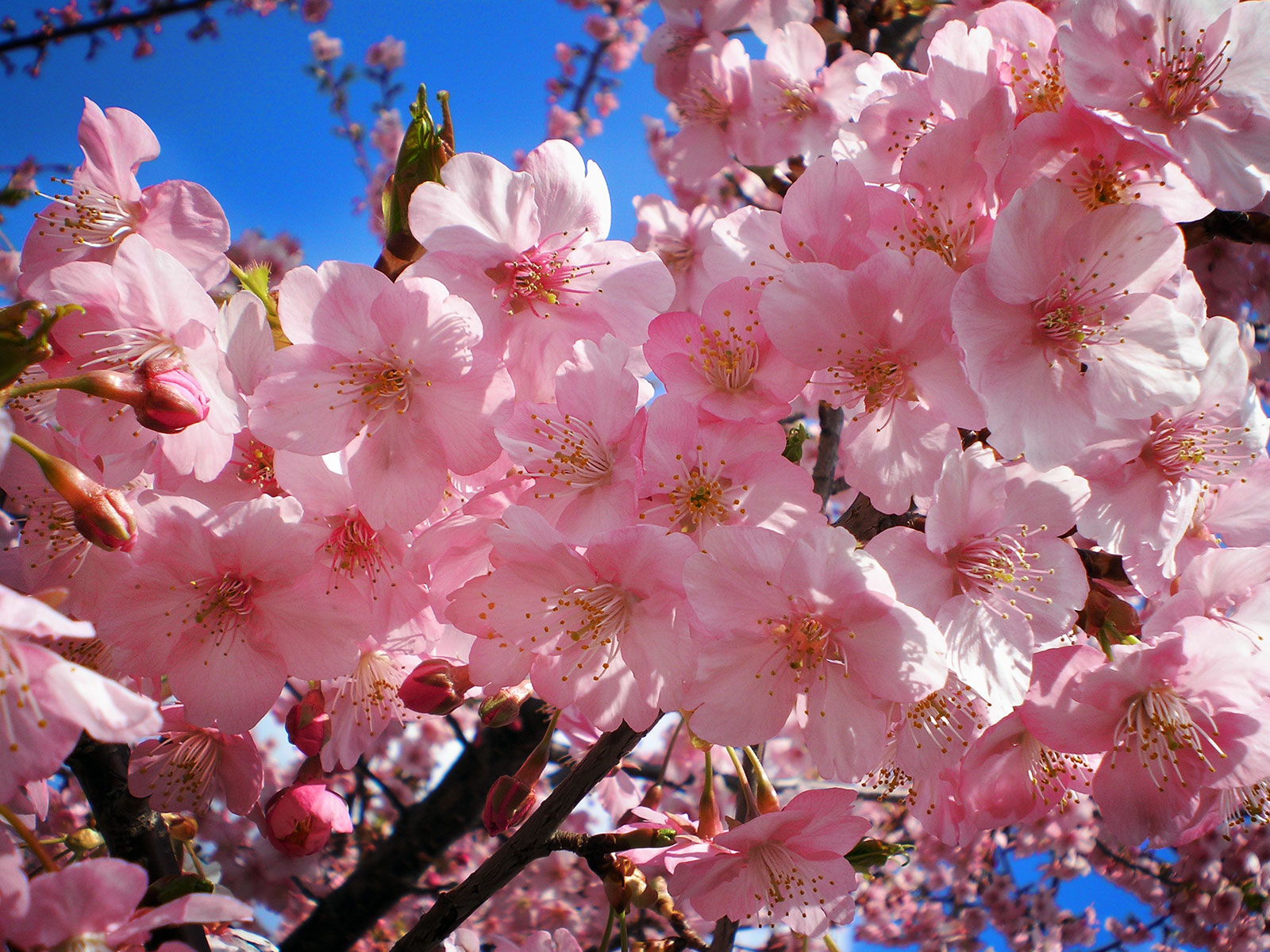
Cherry blossoms, or Sakura, are globally revered for their fleeting beauty, signaling the arrival of spring with a spectacular, yet brief, explosion of pink and white blooms. For centuries, their observation has been a cherished cultural tradition, deeply ingrained in societies, particularly in Japan where “Hanami” (flower viewing) is a national pastime. Historically, understanding and appreciating these natural marvels relied on direct observation, local knowledge, and an intimate connection with the seasons. However, in an increasingly digital and interconnected world, technology has begun to redefine our relationship with cherry blossoms, transforming how we predict, experience, preserve, and even understand them. Far from simply being a biological phenomenon, cherry blossoms have become a fascinating subject for technological innovation, from AI-driven predictive analytics to immersive virtual experiences and data-driven horticultural management. This article delves into the technological advancements that are enhancing our engagement with these iconic trees, bringing their ephemeral charm into the digital age.
AI and Predictive Analytics: Decoding the Sakura Front
The “Sakura Front” refers to the wave of blossoming cherry trees that sweeps across Japan from south to north each spring. Predicting its movement and peak bloom times is crucial for tourism, local economies, and cultural events. Traditionally, this was a blend of science and art, relying on historical data and weather patterns. Today, artificial intelligence and machine learning are revolutionizing this field, offering unprecedented accuracy and insight.
Forecasting the Bloom: Leveraging Machine Learning for Phenology
Phenology, the study of cyclic and seasonal natural phenomena, benefits immensely from modern data analytics. AI models are trained on vast datasets encompassing decades of historical bloom dates, hourly temperature records, precipitation levels, sunlight exposure, and satellite imagery. These complex algorithms identify intricate patterns and correlations that human analysts might miss. For instance, cold winter temperatures followed by a sudden warming trend can accelerate blooming, a nuance that AI can model more effectively. Machine learning algorithms, particularly neural networks, can process these multifactorial inputs to predict the precise start and peak bloom dates for various cherry blossom species in different regions. This predictive capability is not just an academic exercise; it empowers tourism boards, event organizers, and local businesses to plan effectively, maximizing the economic and cultural impact of the blossom season. Furthermore, the continuous refinement of these models, incorporating real-time weather updates and citizen science data, ensures ever-improving accuracy, transforming what was once an educated guess into a data-driven forecast.
Beyond Simple Observation: Deep Learning in Botanical Health Monitoring
The application of AI extends beyond mere prediction to the proactive health management of cherry trees. Deep learning, a subset of machine learning, is particularly adept at image recognition and pattern detection, making it invaluable for botanical diagnostics. Drones equipped with high-resolution cameras capture detailed imagery of cherry blossom groves, which is then fed into deep learning algorithms. These algorithms can analyze leaf discoloration, twig dieback, canopy density, and other visual cues to detect early signs of disease, pest infestations, or nutritional deficiencies. For example, specific patterns in leaf spots might indicate a fungal infection long before it becomes visible to the human eye or causes significant damage. By identifying these issues early, horticulturalists can intervene promptly with targeted treatments, preventing widespread outbreaks and preserving the health and longevity of these precious trees. This proactive, data-driven approach to tree care represents a significant leap from traditional reactive methods, ensuring the sustained beauty and ecological integrity of cherry blossom landscapes.
Immersive Experiences: Virtualizing the Sakura Spectacle
The fleeting nature of cherry blossoms means that many people around the world, or even within the same country, may never experience the peak bloom firsthand. Technology is bridging this gap, offering immersive virtual experiences and enhancing on-site appreciation, ensuring that the beauty of Sakura can be enjoyed by a broader, global audience, and preserved for eternity.
Virtual Hanami: Exploring Cherry Blossoms in the Metaverse and VR
The metaverse and virtual reality (VR) platforms are opening new frontiers for experiencing cherry blossoms. Developers are creating breathtaking virtual renditions of famous Hanami spots, such as Tokyo’s Ueno Park or Kyoto’s Philosopher’s Path, allowing users to don a VR headset and “stroll” beneath digital cherry trees in full bloom. These virtual environments often incorporate realistic visual effects, ambient sounds, and even interactive elements, simulating the serene and festive atmosphere of a real Hanami experience. This technology serves multiple purposes: it offers global access to a unique cultural event, provides a virtual escape for those unable to travel, and allows for educational exploration of different cherry blossom varieties and their historical significance. Beyond passive viewing, some platforms are integrating social features, enabling users to “meet” friends in virtual cherry blossom parks, share experiences, and even participate in virtual tea ceremonies, creating a truly global Hanami community.
Augmented Reality Guides: Enhancing On-Site Appreciation and Education
For those fortunate enough to visit cherry blossom sites in person, augmented reality (AR) apps add a rich layer of digital information to the real-world experience. Using a smartphone or AR glasses, visitors can point their device at a specific tree or grove, and the app overlays contextual information directly onto their view. This might include the species of cherry blossom (e.g., Somei Yoshino, Shidarezakura), its age, planting date, historical anecdotes associated with that particular tree, or even projected bloom duration. AR guides can also offer interactive maps, navigate visitors to lesser-known, equally beautiful spots, or provide audio commentary in multiple languages. This technology transforms a simple walk into an educational and deeply engaging journey, enriching the visitor’s understanding and appreciation of the natural and cultural significance of each tree and location.

Digital Preservation: Archiving Ephemeral Beauty for Future Generations
The transient nature of cherry blossoms, while part of their charm, also poses a challenge for long-term preservation and study. High-resolution 3D scanning, photogrammetry, and advanced digital imaging techniques are being employed to create permanent digital archives of cherry blossom groves. Teams use specialized cameras and scanners to capture millions of data points and images, which are then stitched together to create highly accurate 3D models and digital twins of individual trees and entire landscapes. These digital records preserve the intricate details of the blossoms, branches, and surrounding environment at peak bloom, offering invaluable resources for scientific research, historical documentation, and cultural heritage preservation. Future generations of botanists can study the precise morphology of different cultivars, urban planners can analyze canopy cover over time, and artists can draw inspiration from perfectly preserved digital renditions, ensuring that the beauty and scientific data of cherry blossoms endure long after the petals fall.
Smart Green Infrastructure: IoT and Data-Driven Horticulture
Maintaining the health and vibrancy of cherry blossom trees, particularly in urban environments, is a complex task. Smart green infrastructure, powered by the Internet of Things (IoT) and data analytics, is providing horticulturists and urban planners with unprecedented tools for precision tree management and sustainable urban development.
IoT Sensors for Precision Tree Management
The deployment of IoT sensors within cherry blossom groves marks a significant shift towards precision horticulture. These small, unobtrusive devices are embedded in the soil or affixed to the trees, constantly collecting data on crucial environmental parameters. Sensors monitor soil moisture levels, pH, nutrient composition, ambient temperature, humidity, and even air quality. This real-time data is transmitted to centralized platforms, allowing arborists to gain a granular understanding of each tree’s specific needs. For instance, if a sensor detects unusually low soil moisture in a particular area, irrigation systems can be triggered automatically or maintenance crews dispatched to address the issue before the trees experience stress. Similarly, monitoring nutrient levels allows for precise fertilization, preventing overuse of chemicals and promoting healthier growth. This data-driven approach minimizes waste, optimizes resource allocation, and ensures the best possible growing conditions for cherry blossom trees, leading to more robust health and more spectacular blooms.
Urban Planning and Green Spaces: Data-Informed Design for Resilience
The insights gathered from IoT sensors and other environmental data sources are not only beneficial for individual tree health but also play a critical role in strategic urban planning and the design of sustainable green spaces. Data on local microclimates, pollution levels, and tree health patterns across different urban zones can inform decisions about where to plant new cherry trees, which cultivars are most resilient to local conditions, and how to design public parks to maximize their ecological benefits. Urban planners can use predictive models, incorporating climate change projections, to select tree species and planting locations that will thrive in future conditions, enhancing urban biodiversity and resilience. Furthermore, understanding the optimal distribution of cherry blossoms can help cities create more aesthetically pleasing and environmentally beneficial green corridors, improving air quality, mitigating urban heat island effects, and boosting citizen well-being. This integrated, data-informed approach ensures that cherry blossom landscapes are not just beautiful, but also robust, sustainable, and integral components of smart, green cities.
Creative Tech Applications and Citizen Science
Beyond professional applications, technology empowers individuals to engage with cherry blossoms in novel ways, from advanced photography to contributing to scientific research, fostering a global community of Sakura enthusiasts and citizen scientists.
Drone Photography and Computational Imaging: Capturing the Bloom from New Perspectives
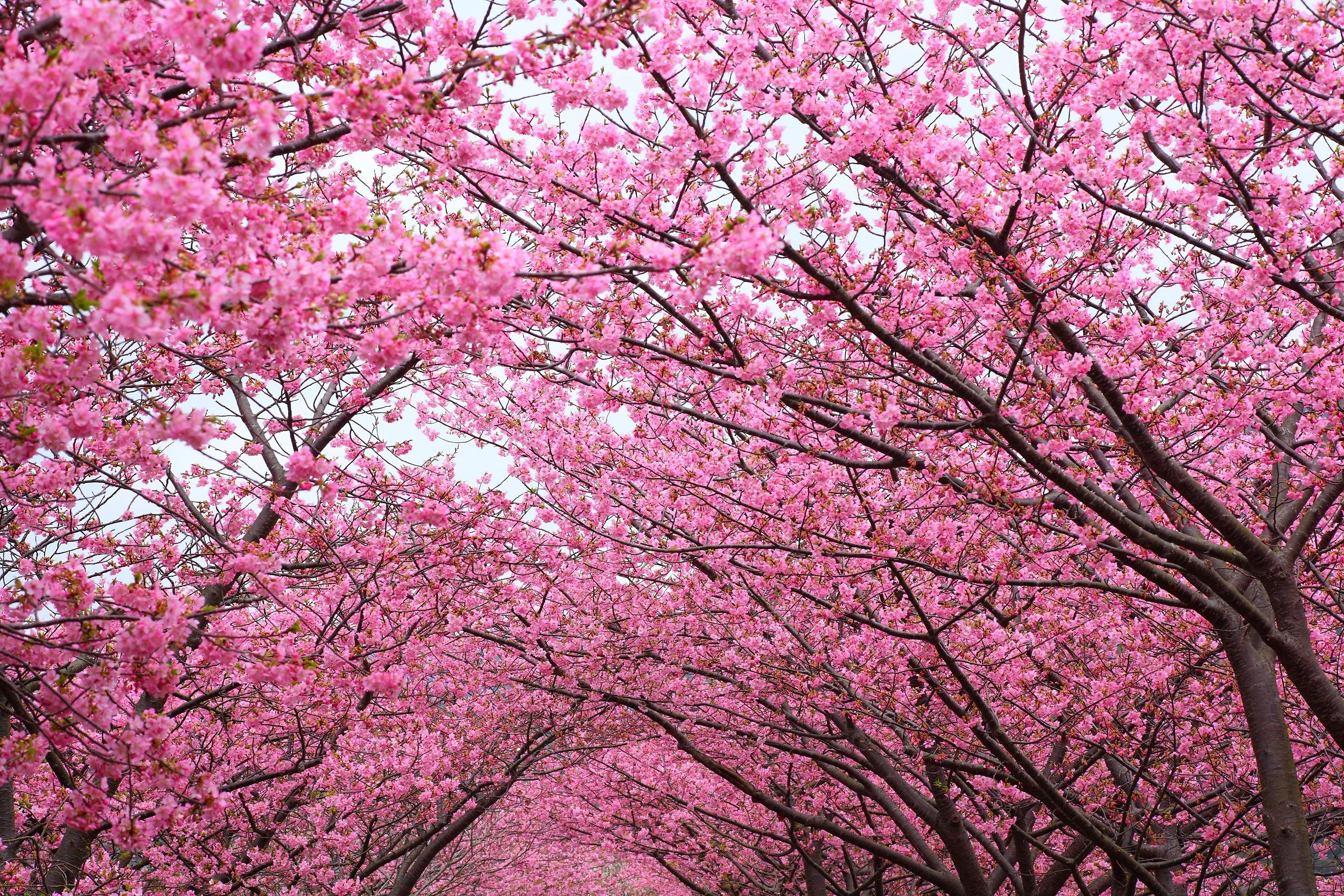
The advent of drones has revolutionized landscape photography, offering unparalleled aerial perspectives of cherry blossom festivals and groves. Drones equipped with high-resolution cameras can capture sweeping panoramas, intricate patterns of blossom clusters, and the sheer scale of thousands of trees in bloom, providing visuals previously unattainable. Beyond mere aerial shots, computational imaging techniques are enhancing the artistic and scientific value of these images. Photogrammetry, for instance, uses multiple overlapping photographs to create detailed 3D models of entire landscapes, allowing for virtual fly-throughs or precise measurements of canopy cover. Time-lapse photography, often facilitated by automated drone flights or stationary smart cameras, captures the entire blossoming process from bud to full bloom to petal fall, offering a unique temporal perspective on their ephemeral nature. These technological tools not only produce stunning visual content for tourism and art but also provide valuable data for environmental monitoring and research.
Crowdsourcing Bloom Data: Community-Powered Phenology Apps
Citizen science initiatives leverage mobile technology to engage the public in collecting valuable data on cherry blossoms. Smartphone apps allow users to easily record and upload observations of bloom timings, locations, and even specific tree conditions. By simply snapping a photo and logging their observations, thousands of individuals contribute to large-scale datasets that would be impossible for professional scientists to gather alone. These crowdsourced data points are crucial for refining AI-driven predictive models, tracking the impact of climate change on bloom schedules, and identifying localized variations in phenology. Projects like “Sakura Watch” or similar climate monitoring apps aggregate this data, making it accessible to researchers and the public alike. This not only fosters a sense of community and shared purpose among cherry blossom enthusiasts but also empowers individuals to become active participants in scientific discovery, highlighting how technology can transform a cultural appreciation into a collective scientific endeavor.
In conclusion, “what are cherry blossoms” is no longer just a question about botany or cultural significance; it has evolved to encompass a rich tapestry of technological innovation. From the precision of AI in predicting bloom times and monitoring tree health to the immersive escapism of VR and the vital data collection by IoT sensors and citizen scientists, technology is profoundly deepening our understanding, enhancing our experience, and ensuring the preservation of these magnificent natural wonders. As the digital realm continues to expand, our interaction with nature’s ephemeral beauty, exemplified by the cherry blossom, will only become more integrated, insightful, and accessible to all.
aViewFromTheCave is a participant in the Amazon Services LLC Associates Program, an affiliate advertising program designed to provide a means for sites to earn advertising fees by advertising and linking to Amazon.com. Amazon, the Amazon logo, AmazonSupply, and the AmazonSupply logo are trademarks of Amazon.com, Inc. or its affiliates. As an Amazon Associate we earn affiliate commissions from qualifying purchases.