
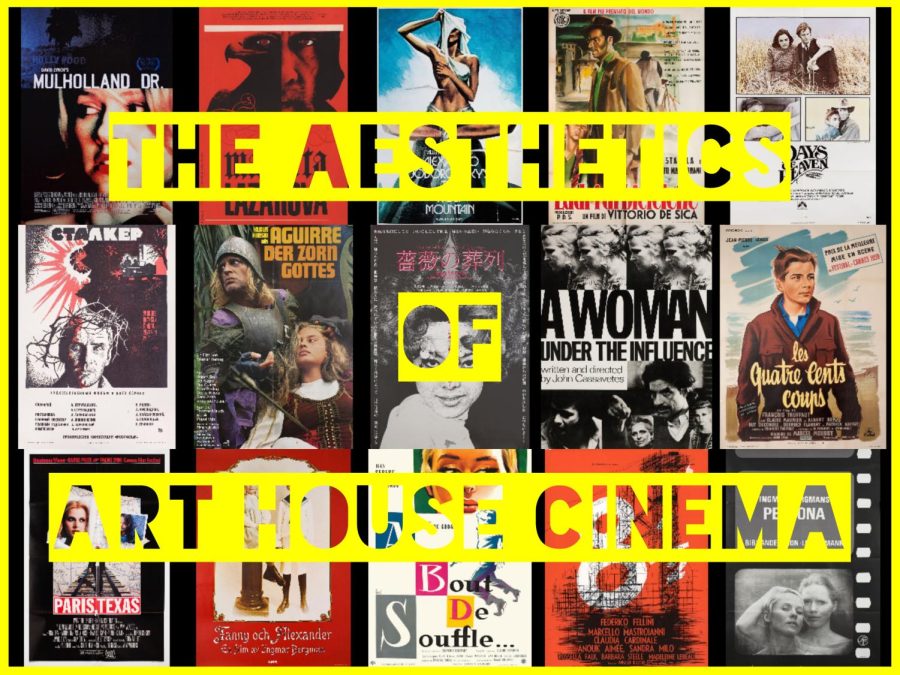
In the vast and ever-evolving landscape of cinema, certain categories emerge not merely as genres, but as distinct entities with their own unique characteristics, values, and dedicated audiences. Arthouse movies represent one such powerful entity – a cinematic “brand” that has meticulously carved out its niche, distinguishing itself from the commercial behemoths of mainstream Hollywood. Understanding arthouse cinema goes beyond merely recognizing a style of filmmaking; it involves comprehending its core identity, its strategic positioning in the market, its unique approach to audience engagement, and its profound cultural legacy. For filmmakers, marketers, and devoted cinephiles, recognizing arthouse as a deliberate and influential brand offers a deeper appreciation of its significance and enduring appeal. It stands as a testament to artistic integrity and innovation, consistently challenging conventions and expanding the very definition of storytelling.

The Core Identity of the Arthouse Brand
The “brand” of arthouse cinema is built upon a set of fundamental principles that consistently prioritize artistic expression and intellectual stimulation over commercial imperatives. These defining features form the bedrock of its unique identity and communicate its value proposition to a discerning audience.
Artistic Vision Over Commercial Imperative
At the heart of the arthouse brand lies an unwavering commitment to the director’s singular artistic vision. Unlike studio-driven productions where box office returns often dictate creative choices, arthouse films grant filmmakers significant autonomy to explore complex themes, experiment with narrative structures, and push the boundaries of visual language. This emphasis on authorship is a core brand value, signaling to the audience that they are about to experience a deeply personal and often challenging work of art. The pursuit of artistic integrity, even at the expense of mass appeal, defines the very essence of the arthouse identity. It positions the work as a product of genuine creative endeavor rather than a mere commodity, fostering trust and respect among its target demographic. This commitment means that commercial metrics like opening weekend grosses are often secondary to critical reception, festival accolades, and the film’s ability to provoke thought and stimulate discussion. It’s a brand promise of authenticity and uncompromising artistic expression.
Narrative and Stylistic Innovation
Another cornerstone of the arthouse brand is its relentless pursuit of narrative and stylistic innovation. While mainstream cinema often adheres to predictable story arcs and conventional visual grammar, arthouse films frequently break free from these constraints. Viewers can expect non-linear narratives that challenge traditional plot progression, ambiguous endings that invite interpretation, and fragmented storytelling that demands active engagement. Visually, arthouse cinema often employs unconventional cinematography, such as long takes, hand-held camerawork, stark minimalist aesthetics, or highly stylized visuals that serve symbolic rather than purely representational purposes. Experimental editing techniques, sound design that adds layers of meaning, and a deliberate pace that allows for contemplation are all part of its distinctive “style guide.” These innovative approaches are not merely aesthetic choices; they are integral to the brand’s identity, communicating a dedication to pushing cinematic language forward and offering audiences a fresh, often profound, viewing experience that stands apart from the conventional.
Thematic Depth and Intellectual Engagement
The arthouse brand promises more than just entertainment; it offers a profound intellectual and emotional journey. Its films are renowned for their thematic depth, delving into complex human conditions, existential dilemmas, societal critiques, philosophical questions, and nuanced explorations of identity, memory, and morality. Rather than providing easy answers, arthouse cinema often poses difficult questions, inviting viewers to grapple with ambiguity and engage in critical reflection. This focus on challenging, thought-provoking content is a key differentiator and a significant part of its value proposition. The brand actively seeks to stimulate the mind, spark debate, and encourage introspection, attracting an audience that values intellectual stimulation and meaningful discourse over escapism. It’s a commitment to cinema as an art form that can illuminate the human experience, offering perspectives that are often overlooked by more commercially driven productions. This intellectual engagement cultivates a loyal following that seeks out films with substance and lasting resonance.
Independent Spirit and Production Values
The genesis of much arthouse cinema lies outside the sprawling studio system, fostering an independent spirit that is deeply embedded in its brand identity. Often produced with smaller budgets and fewer commercial constraints, these films embody a DIY ethos that appeals to audiences seeking authenticity and a departure from corporate uniformity. The independent nature allows for greater creative freedom but often necessitates a different approach to production values. While not necessarily low-budget, arthouse films might prioritize gritty realism or a unique aesthetic over slick, expensive special effects. The focus shifts to character development, atmospheric mood, and compelling performances, leveraging directorial vision and artistic craft rather than massive expenditures. This independent origin story reinforces the brand’s image as an outsider, a challenger to the status quo, and a guardian of genuine cinematic artistry. It creates a powerful connection with audiences who appreciate the passion and dedication involved in creating films on their own terms, far from the influence of market research and focus groups.
Differentiating the Arthouse Brand in a Crowded Market
In a global film market saturated with blockbusters and diverse genres, the arthouse brand thrives by strategically differentiating itself and cultivating a distinct relationship with its target audience. Its positioning is a masterclass in niche market strategy.
Contrasting with Mainstream Hollywood: A Brand Positioning Strategy
The most obvious and impactful differentiation strategy for arthouse cinema is its deliberate contrast with mainstream Hollywood. While Hollywood often operates on a model of mass appeal, genre conventions, star power, and franchise building, the arthouse brand champions individuality, artistic exploration, and intellectual curiosity. It actively positions itself as the antidote to formulaic storytelling and commercial spectacle, offering an alternative for viewers who feel underserved by mainstream offerings. This clear distinction is not just about content; it’s about a fundamental difference in purpose and values. Hollywood films are often designed to entertain and gross billions; arthouse films aim to provoke, enlighten, and endure as works of art. This positioning allows arthouse to claim a unique space in the cultural discourse, appealing to those who view cinema as a profound artistic medium rather than purely a commercial product. It’s a testament to the power of counter-positioning in brand strategy.
Niche Audience Segmentation and Engagement
Arthouse cinema does not aim for the broadest possible audience; instead, it meticulously targets a specific, discerning demographic. This audience typically comprises cinephiles, intellectuals, academics, students, and culturally engaged individuals who actively seek out challenging, unconventional, and thought-provoking films. The brand’s engagement strategy is built on fostering a deep sense of community and shared values within this niche segment. Rather than mass marketing campaigns, engagement often occurs through film festivals, university screenings, independent cinemas, film societies, and critical discourse. Loyalists are cultivated through trust in specific directors, production houses, or even entire national cinemas (e.g., French New Wave, Korean New Wave). The brand builds loyalty by consistently delivering on its promise of artistic quality and intellectual stimulation, creating a powerful word-of-mouth network that is far more effective than traditional advertising for this particular market. This segmented approach allows for highly targeted communication and a stronger bond with its core consumers.
Marketing and Distribution: Building a Cult Following
The marketing and distribution strategies for the arthouse brand are as distinct as the films themselves. Eschewing the multi-million dollar advertising blitzes of blockbusters, arthouse marketing often relies on critical reviews, film festival buzz, director retrospectives, and academic analysis to generate interest. Film festivals like Cannes, Venice, and Sundance are not merely showcases; they are crucial launchpads and branding platforms, conferring prestige and signaling quality to the target audience. Distribution typically focuses on independent theaters, art house cinemas, and university campuses, rather than multiplexes. In the digital age, streaming platforms dedicated to curated, quality cinema (like Mubi or Criterion Channel) have become vital channels, further solidifying the brand’s identity as a provider of discerning content. These specialized channels enable the brand to reach its niche audience directly and effectively, building a dedicated cult following that values curation and artistic merit. The focus is on creating an experience and a community around the film, rather than just pushing tickets.
The Impact and Legacy of the Arthouse Brand
Beyond its immediate market presence, the arthouse brand exerts a significant and often understated influence on the broader cinematic landscape, shaping trends, influencing filmmakers, and securing a lasting place in cultural history.
Shaping Cinematic Trends and Influencing Filmmakers
The innovations pioneered by the arthouse brand frequently serve as an incubator for new ideas, techniques, and storytelling approaches that eventually trickle down into mainstream cinema. Many acclaimed directors who began their careers in arthouse filmmaking later transitioned to more commercial projects, bringing with them a refined artistic sensibility and a willingness to experiment. Techniques like non-linear narratives, unconventional camera work, and psychologically complex character studies, once hallmarks of arthouse, have become more prevalent in mainstream productions. Arthouse films often act as a barometer for the evolution of cinematic language, constantly challenging norms and expanding the creative toolkit available to all filmmakers. This influence solidifies the arthouse brand’s status not just as a niche market player, but as a thought leader and a vital engine of innovation for the entire film industry. It’s a continuous source of inspiration and a benchmark for artistic excellence.
Cultural Significance and Critical Acclaim
The arthouse brand holds immense cultural significance, frequently becoming the subject of critical praise, academic study, and international discourse. These films often reflect and comment on societal changes, political currents, and philosophical debates, making them invaluable cultural artifacts. They are regularly featured in “best films of all time” lists, taught in film schools, and analyzed in scholarly journals, which reinforces their “premium” or “prestigious” brand status. This critical and academic validation further distinguishes arthouse cinema, elevating it beyond mere entertainment to the realm of high art. The ability of an arthouse film to transcend its initial release and become a staple in film history underscores its enduring quality and the power of its narrative and artistic vision. This cultural longevity is a testament to the brand’s commitment to creating works that resonate deeply and maintain relevance across generations.
Enduring Relevance in the Digital Age
The advent of digital streaming and global accessibility presented both challenges and opportunities for the arthouse brand. Far from being marginalized, arthouse cinema has found new avenues to thrive and maintain its relevance. Specialized streaming platforms have become crucial curators, making previously hard-to-find films accessible to a global audience, thereby expanding the brand’s reach without compromising its identity. This digital accessibility has introduced arthouse to new generations of viewers and allowed for a greater appreciation of diverse international voices. While the communal experience of the independent cinema remains vital, the digital sphere has democratized access, allowing the brand to connect with its audience on a broader scale while preserving its core values of artistic integrity and intellectual engagement. This adaptability demonstrates the strength of the arthouse brand to evolve with technology, finding new ways to deliver its unique value proposition.
The Future of the Arthouse Brand
The arthouse brand continues to navigate the complexities of a rapidly changing media landscape, balancing its foundational principles with the demands of an evolving industry and audience.
Navigating Commercial Pressures vs. Artistic Integrity
The tension between commercial viability and artistic integrity remains an ongoing challenge for the arthouse brand. While mainstream success is not its primary goal, financial sustainability is crucial for continued production. The future of arthouse will depend on its ability to secure funding, find innovative distribution models, and cultivate an audience that is willing to support its unique offerings. This often involves strategic partnerships, government grants for the arts, and leveraging the power of streaming platforms that value curated content. Maintaining the balance means finding creative ways to reach audiences and generate revenue without diluting the core artistic vision that defines the brand. The authenticity of the arthouse brand relies on its ability to resist the temptation of becoming overly commercialized while still ensuring its survival and growth.
Global Expansion and Diverse Voices
The digital age has opened unprecedented opportunities for the global expansion of the arthouse brand. Viewers worldwide now have easier access to films from diverse cultural contexts, broadening the scope and influence of arthouse cinema. This fosters a richer exchange of ideas and perspectives, further enriching the brand’s identity. The future will likely see an even greater embrace of international co-productions, multi-lingual narratives, and a wider array of voices from underrepresented communities. This global diversification not only expands the brand’s reach but also reinforces its commitment to challenging traditional narratives and offering a truly universal, yet deeply personal, cinematic experience. It ensures that the arthouse brand remains at the forefront of cultural dialogue, reflecting the complex tapestry of human experience across the globe.

Conclusion
Arthouse movies, when viewed through the lens of brand strategy, emerge as a powerful, distinct, and enduring entity within the global film industry. Their brand identity is meticulously built upon artistic vision, narrative and stylistic innovation, thematic depth, and an unwavering independent spirit. Through strategic differentiation from mainstream cinema, a focused approach to niche audience segmentation, and specialized marketing and distribution channels, the arthouse brand has not only carved out its own unique market but has also profoundly influenced cinematic trends and maintained immense cultural significance.
In an increasingly commodified entertainment landscape, the arthouse brand stands as a vital beacon of artistic freedom and intellectual engagement. It consistently offers an alternative for those who seek more from cinema than mere escapism – a commitment to storytelling that challenges, provokes, and enriches the human experience. As it navigates the future, balancing artistic integrity with commercial realities and embracing global diversity, the arthouse brand will undoubtedly continue to play a crucial role in shaping the evolution of film, reminding us of cinema’s power as an art form and a profound medium for cultural expression.
aViewFromTheCave is a participant in the Amazon Services LLC Associates Program, an affiliate advertising program designed to provide a means for sites to earn advertising fees by advertising and linking to Amazon.com. Amazon, the Amazon logo, AmazonSupply, and the AmazonSupply logo are trademarks of Amazon.com, Inc. or its affiliates. As an Amazon Associate we earn affiliate commissions from qualifying purchases.