
In the intricate tapestry of global finance and economics, few elements wield as much influence as energy. From powering industries and homes to facilitating international trade and underpinning geopolitical stability, energy is the lifeblood of modern civilization. At the core of our current energy paradigm lie fossil fuels – a trio of naturally occurring resources that have historically driven unprecedented economic growth and continue to shape investment landscapes, market dynamics, and national policies worldwide. Understanding what these three fossil fuels are, beyond their mere scientific definition, is crucial for anyone navigating the financial markets, assessing business risks, or planning for personal financial resilience in a world increasingly focused on energy transition.
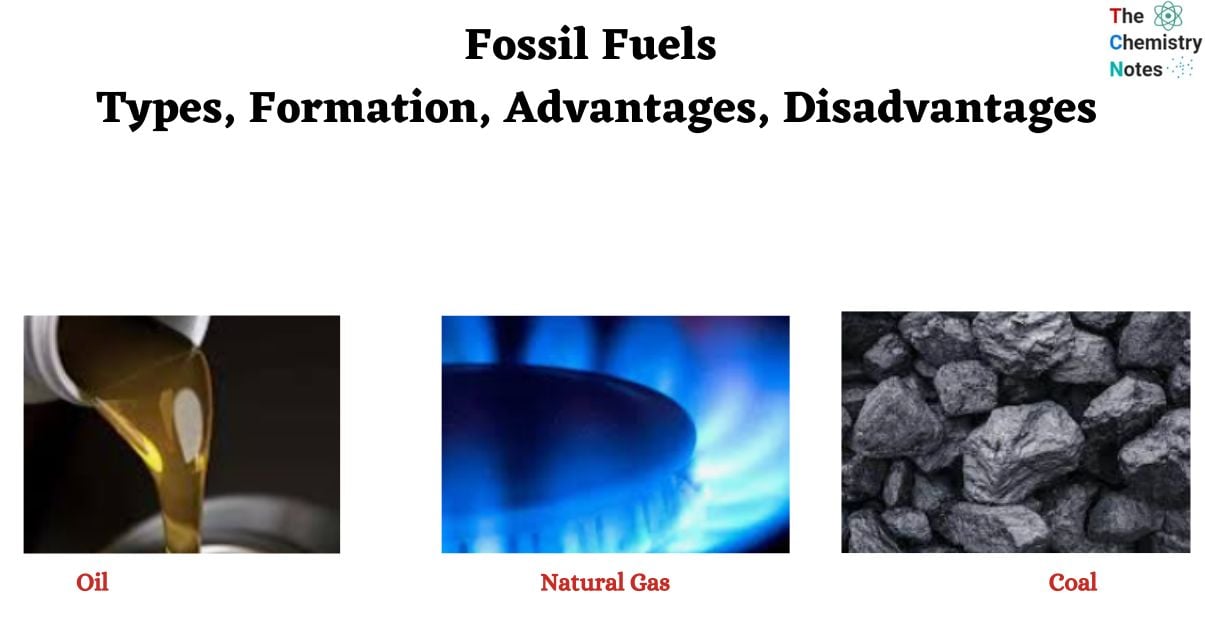
This article delves into the three primary fossil fuels – crude oil, natural gas, and coal – not merely to identify them, but to dissect their profound economic significance, their role in investment strategies, and the financial challenges and opportunities they present in an evolving global economy.
The Indispensable Role of Crude Oil in Global Economies
Crude oil, often referred to as “black gold,” is arguably the most strategically important commodity on the planet. Its versatility and high energy density have made it an indispensable component of countless industries, directly influencing everything from transportation costs to the prices of consumer goods. For investors, businesses, and governments alike, understanding crude oil’s market dynamics is paramount.
From Petrochemicals to Transportation: An Economic Engine
Oil’s economic footprint extends far beyond simply fueling vehicles. It is the primary feedstock for the petrochemical industry, which produces a vast array of products essential to modern life, including plastics, fertilizers, pharmaceuticals, and synthetic fibers. The manufacturing sector, therefore, is heavily reliant on oil for both energy and raw materials, making its price fluctuations a critical determinant of production costs and profitability across diverse industries.
In the realm of transportation, crude oil derivatives like gasoline, diesel, and jet fuel are the undisputed champions. Global supply chains, which are the backbone of international trade and economic interconnectedness, are almost entirely dependent on these fuels. Any disruption in oil supply or significant price spike can ripple through these chains, leading to increased shipping costs, higher import prices, and ultimately, inflation. For businesses, managing fuel costs is a constant challenge, impacting logistics, operational budgets, and competitiveness. For consumers, gasoline prices directly affect disposable income and spending patterns, influencing broader economic activity. The sheer volume of oil consumed daily – tens of millions of barrels – underscores its central role as an economic engine, driving GDP growth in both oil-producing and oil-consuming nations.
Price Volatility and Geopolitical Impact: Investment Risks and Opportunities
The price of crude oil is notoriously volatile, influenced by a complex interplay of supply and demand factors, geopolitical events, and speculative trading. Wars, political instability in major oil-producing regions, and decisions by cartels like OPEC+ can trigger dramatic price swings, creating both immense risks and lucrative opportunities for investors.
For companies in the energy sector – from exploration and production firms to refiners and distributors – oil price movements directly impact their revenues, profits, and stock valuations. Investors interested in the energy market often engage in commodity trading (futures contracts), investing in energy company stocks, or exchange-traded funds (ETFs) that track oil prices or energy indices. However, the inherent volatility requires sophisticated risk management strategies and a deep understanding of market fundamentals and geopolitical currents.
Governments, particularly those in oil-exporting nations, rely heavily on oil revenues to fund public services and development projects. Price crashes can devastate national budgets, leading to austerity measures and economic instability. Conversely, soaring prices can lead to windfalls, but also trigger inflation in importing nations, potentially dampening global economic growth. The ongoing tension between energy security, economic growth, and the push for decarbonization continues to shape global investment flows and policy decisions related to crude oil.
Natural Gas: A Bridging Fuel with Significant Market Dynamics
Natural gas, primarily composed of methane, has emerged as a crucial “bridging fuel” in the global energy transition. Cleaner-burning than coal and often more flexible than oil for electricity generation, it plays a pivotal role in diverse sectors, attracting substantial financial investment in infrastructure and technology.
Powering Industries and Homes: Cost Efficiencies and Infrastructure Investment
Natural gas is a cornerstone of modern energy systems, serving as a primary fuel for electricity generation, industrial processes, and residential heating. Its combustion produces fewer greenhouse gas emissions and far fewer air pollutants compared to coal, making it an attractive option for countries seeking to reduce their environmental footprint while maintaining reliable energy supplies. For power utilities, natural gas-fired plants offer flexibility to ramp up or down quickly, complementing intermittent renewable sources like solar and wind. This operational efficiency translates into cost benefits and grid stability, directly impacting electricity prices for businesses and consumers.
The widespread adoption of natural gas necessitates enormous infrastructure investment. Pipelines, gas processing plants, and storage facilities are capital-intensive projects with long operational lifespans. Companies involved in midstream (transportation) and downstream (distribution) sectors represent significant investment opportunities, often characterized by stable, regulated returns. For governments, facilitating such infrastructure development is crucial for energy security and economic competitiveness, often involving public-private partnerships and substantial financial backing. The ongoing need for infrastructure upgrades and expansion ensures a steady stream of investment in this sector.
The Rise of LNG and Global Energy Security: Diversifying Supply Chains
Perhaps one of the most transformative developments in the natural gas market has been the advent of Liquefied Natural Gas (LNG). LNG technology allows natural gas to be cooled to a liquid state, reducing its volume significantly, making it transportable by specialized tankers across oceans. This innovation has fundamentally reshaped global energy geopolitics and diversified energy supply chains. Countries without domestic gas reserves can now access global markets, enhancing their energy security and reducing reliance on pipeline imports from potentially unstable regions.

The financial implications of LNG are vast. The construction of liquefaction plants, regasification terminals, and LNG tankers requires multi-billion-dollar investments. Major energy companies and sovereign wealth funds are key players in financing these megaprojects, often through complex project finance structures. The global LNG trade has created a more integrated, albeit still regionalized, natural gas market, leading to greater price convergence and increased liquidity. For investors, LNG offers exposure to a rapidly growing segment of the energy market, driven by increasing global demand, especially in Asia and Europe, and the strategic imperative of energy diversification. However, the long lead times and substantial capital commitments for LNG projects mean investors must have a long-term perspective and be adept at assessing geopolitical and market risks.
Coal: The Enduring, Yet Challenged, Cornerstone of Power Generation
Coal, the most abundant and geographically widespread fossil fuel, has historically been the bedrock of industrialization and electricity generation. While facing increasing environmental scrutiny and divestment pressures, its economic role, particularly in developing economies, remains substantial.
A Legacy of Low-Cost Energy and Industrial Backbone
For centuries, coal provided the cheap, abundant energy necessary to fuel the Industrial Revolution, powering factories, railways, and eventually, massive electricity grids. Its relatively low extraction cost and vast reserves made it the go-to fuel for nations embarking on industrialization. Today, coal still accounts for a significant portion of global electricity generation, especially in countries like China, India, and other emerging economies where energy demand is rapidly expanding, and affordability is a key concern.
Beyond electricity, coal is a vital input for heavy industries such as steel and cement production. Metallurgical coal (coking coal) is essential for blast furnaces, making it a critical commodity for global infrastructure development and manufacturing. For companies in these sectors, ensuring a stable and cost-effective supply of coal is a major financial consideration, directly impacting their production costs and competitive positioning.
The economic benefits of coal extend to employment in mining communities and substantial tax revenues for governments in coal-producing regions. Historically, investments in coal mines and power plants were considered safe, long-term plays, providing reliable returns. However, this legacy is now challenged by evolving environmental policies and financial market shifts.
Divestment Pressures and Transition Costs: Navigating a Changing Landscape
The profound environmental impact of coal, particularly its high carbon emissions and contribution to air pollution, has placed it at the forefront of the climate change debate. This has led to mounting divestment pressures from institutional investors, pension funds, and asset managers who are increasingly incorporating ESG (Environmental, Social, and Governance) criteria into their investment decisions. Financial institutions are rethinking their exposure to coal assets, making it harder and more expensive to finance new coal projects.
For companies heavily invested in coal, this represents a significant financial challenge. “Stranded assets” – investments that become worthless or unprofitable prematurely due to policy changes or market shifts – are a major concern. Utilities operating coal-fired power plants face the difficult choice of investing in costly upgrades to meet emissions standards or decommissioning plants altogether, incurring significant transition costs. Governments in coal-dependent economies face the daunting task of managing economic restructuring, retraining workforces, and attracting investment into alternative energy sources. The financial implications are complex, involving managing the decline of an established industry while simultaneously fostering the growth of new, cleaner energy sectors – a process requiring substantial public and private capital.
The Financial Future of Fossil Fuels: Investment, Policy, and Transition
The global energy landscape is undergoing a profound transformation. While fossil fuels remain integral to the world’s economy, their financial future is increasingly defined by the imperatives of climate action, technological innovation, and evolving investment philosophies.
Navigating Energy Transitions: Financial Strategies for a Decarbonized World
Investors and businesses are keenly aware of the seismic shift underway. Energy companies traditionally focused on fossil fuels are diversifying into renewables, hydrogen, and carbon capture technologies, seeking new revenue streams and mitigating future risks. This involves significant capital reallocation and strategic repositioning.
ESG investing has moved from a niche concept to a mainstream financial driver, with trillions of dollars now flowing into funds that prioritize sustainability. This means that access to capital for new fossil fuel projects is becoming more constrained, and the cost of capital for traditional energy companies may rise. Investors are increasingly scrutinizing the carbon footprint of their portfolios, driving demand for green bonds, sustainable infrastructure funds, and companies with clear decarbonization pathways. Financial advisors are guiding clients on how to align their investments with a low-carbon future, recognizing both the ethical considerations and the long-term financial opportunities and risks inherent in the energy transition.
Carbon Pricing and Market Mechanisms: The Economic Lever for Change
Governments worldwide are implementing various market mechanisms to internalize the external costs of carbon emissions, primarily through carbon taxes and cap-and-trade systems. These policies directly impact the profitability of fossil fuel projects by making them more expensive to operate. For instance, a carbon tax adds a direct cost per ton of CO2 emitted, while a cap-and-trade system creates a market price for emissions allowances.
These mechanisms create a powerful economic lever, incentivizing industries to reduce their reliance on fossil fuels and invest in cleaner technologies. For businesses, carbon pricing adds a new variable to financial planning and risk assessment. It drives innovation in energy efficiency, renewable energy deployment, and carbon capture technologies, creating new investment opportunities in these sectors. Understanding the nuances of these evolving regulatory frameworks is critical for any financial analyst or investor operating in the energy space, as they directly influence asset valuations and project viability.
Risk and Opportunity in Emerging Markets: The Ongoing Demand Story
While developed nations accelerate their transition away from fossil fuels, the picture in emerging markets is more complex. Countries in Asia, Africa, and Latin America are experiencing rapid population growth, urbanization, and industrialization, leading to soaring energy demand. For many of these nations, readily available and affordable fossil fuels remain critical for economic development and poverty alleviation.
This dynamic presents a unique set of risks and opportunities for investors. On one hand, there is continued demand for fossil fuel infrastructure and supply to meet immediate energy needs, offering potential for significant returns. On the other hand, these markets are also highly vulnerable to the impacts of climate change, creating an imperative to leapfrog directly to sustainable energy solutions where possible. Financial institutions are grappling with how to balance these competing demands – funding essential development while avoiding locking in high-carbon infrastructure. This often involves innovative financing models, blended finance, and strategic partnerships that aim to support both immediate energy access and long-term decarbonization goals.

Conclusion
Crude oil, natural gas, and coal are more than just energy sources; they are deeply embedded in the global financial ecosystem, driving economies, shaping investment portfolios, and influencing geopolitical power dynamics. While their historical role in powering industrialization and economic growth is undeniable, their future is increasingly defined by a complex interplay of market forces, environmental imperatives, and innovative financial strategies. Navigating this evolving landscape requires a comprehensive understanding of their specific market dynamics, the financial risks associated with their environmental impact, and the investment opportunities emerging in the transition to a more sustainable energy future. For individuals, businesses, and investors, grasping the financial implications of these three fossil fuels is not merely an academic exercise, but an essential component of informed decision-making in the 21st-century economy.
aViewFromTheCave is a participant in the Amazon Services LLC Associates Program, an affiliate advertising program designed to provide a means for sites to earn advertising fees by advertising and linking to Amazon.com. Amazon, the Amazon logo, AmazonSupply, and the AmazonSupply logo are trademarks of Amazon.com, Inc. or its affiliates. As an Amazon Associate we earn affiliate commissions from qualifying purchases.