
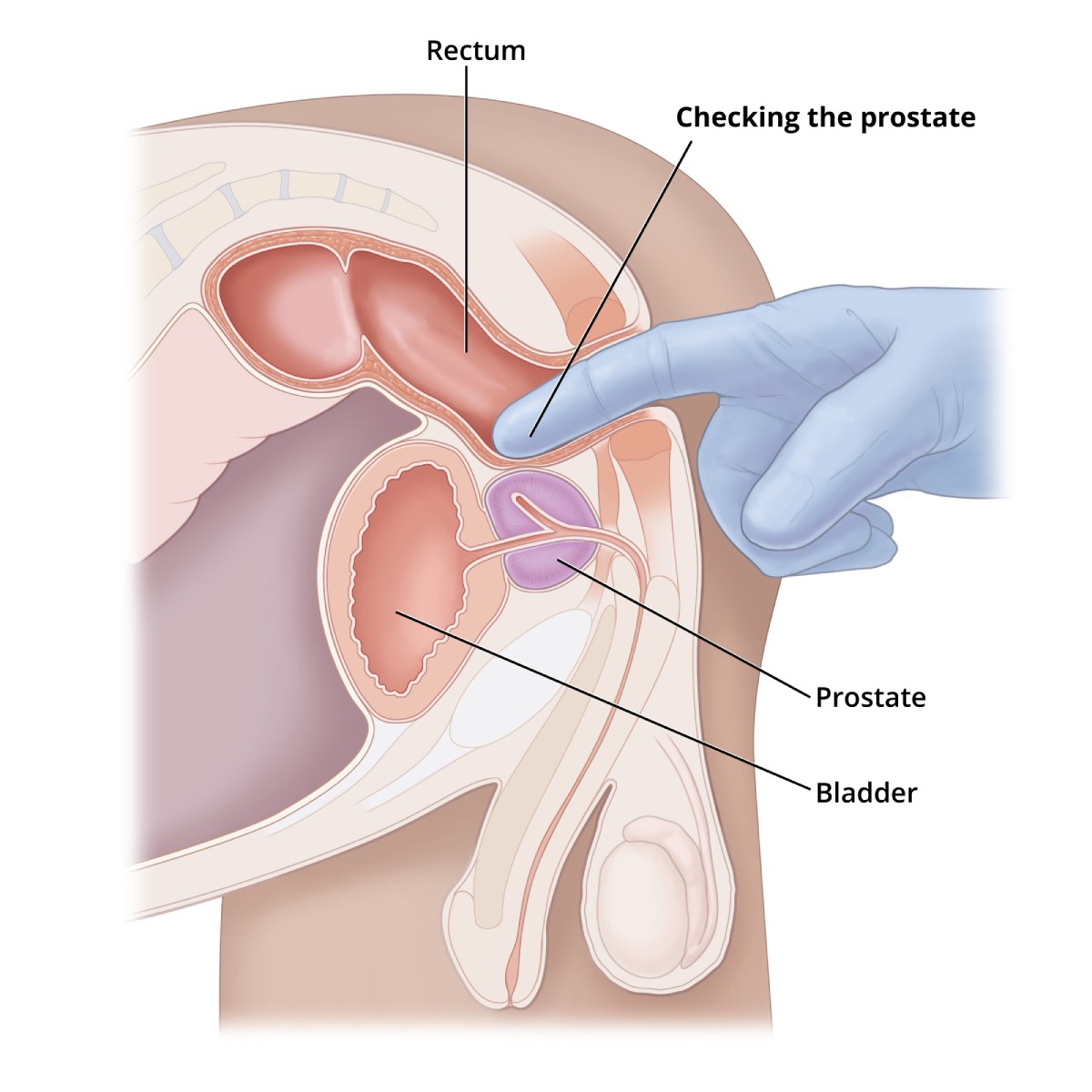
The question of “what age to get a prostate exam” has long been a subject of medical debate and evolving guidelines. Traditionally, the recommendation for prostate cancer screening, often involving a PSA (Prostate-Specific Antigen) blood test and a DRE (Digital Rectal Exam), has been a blanket suggestion for men reaching a certain age, typically in their 50s. However, in an era defined by rapid technological advancements, this one-size-fits-all approach is increasingly being challenged and refined. Technology, from big data analytics and artificial intelligence to wearable devices and telemedicine, is fundamentally reshaping how we approach preventive health, making personalized, data-driven decisions about prostate cancer screening not just a future possibility but a current reality. This article explores how digital innovations are guiding men and their healthcare providers in determining the optimal age to begin prostate exams, moving towards a more precise and effective screening paradigm.

The Evolving Landscape of Prostate Cancer Screening Guidelines Through Tech
The medical community has grappled with prostate cancer screening guidelines for decades, weighing the benefits of early detection against the risks of overdiagnosis and overtreatment. Technology is now providing sophisticated tools to cut through this complexity, offering insights that were previously unimaginable. By leveraging vast amounts of health data and advanced computational power, we are moving beyond generic age recommendations to a more nuanced understanding of individual risk profiles.
Data-Driven Age Recommendations: How Big Data and AI Refine Guidelines
The sheer volume of health data available today — from electronic health records to large-scale epidemiological studies — is a goldmine for refining medical guidelines. Big data analytics, powered by artificial intelligence and machine learning algorithms, can process and identify patterns in this data that human researchers might miss. For prostate cancer, this means analyzing demographic factors, genetic predispositions, environmental exposures, and treatment outcomes across millions of individuals.
AI models can identify specific cohorts of men who might benefit most from earlier or later screening, based on their unique risk factors rather than just their chronological age. For instance, men with a strong family history of early-onset prostate cancer might be flagged by an AI system for screening starting in their early 40s, while men with no discernible risk factors might safely defer screening until their late 50s or 60s. These data-driven insights are constantly evolving, leading to more dynamic and adaptive screening guidelines that replace static age thresholds with personalized starting points. The ability to cross-reference multiple data points—like lifestyle choices, existing comorbidities, and even geographical location—allows for a level of precision in risk assessment that was previously impossible. This constant feedback loop of data analysis ensures that recommendations are not just informed but continuously optimized based on real-world outcomes.
Predictive Analytics for Individualized Risk Assessment
Beyond refining general guidelines, predictive analytics takes personalization a step further by assessing an individual’s specific risk of developing prostate cancer. AI algorithms can ingest a patient’s personal health data, including genetic markers (e.g., BRCA mutations), family medical history, ethnicity, lifestyle factors (diet, exercise, smoking, alcohol consumption), and previous health screenings. By comparing this individual profile against vast datasets of prostate cancer patients and healthy controls, these systems can generate a personalized risk score.
This risk score isn’t just a number; it often comes with actionable recommendations, including a suggested age range to begin screening and the frequency of follow-up exams. For a man in his late 40s, for example, a high predictive risk score could prompt his physician to recommend starting PSA testing earlier than the general guidelines suggest. Conversely, a very low-risk score might provide reassurance and potentially defer the initial screening. This empowers both patients and doctors to make informed decisions that align with an individual’s unique biological and lifestyle context, moving away from a uniform approach to one that prioritizes precision health. The insights derived from predictive analytics also help to mitigate the anxieties associated with uncertainty, providing a clearer roadmap for long-term health management.
Digital Tools and Apps: Empowering Proactive Prostate Health Management
The digital revolution has brought healthcare directly into our pockets, offering unprecedented opportunities for individuals to proactively manage their health. For prostate health, a suite of digital tools and mobile applications are emerging as vital resources, not only for tracking symptoms and reminders but also for facilitating seamless interaction with healthcare providers, making the decision about when to get a prostate exam more informed and accessible.
Health Tracking & Symptom Monitoring Apps
Mobile health (mHealth) apps designed for tracking health metrics are becoming increasingly sophisticated. For men, these apps can serve as personal health diaries, allowing them to log urinary symptoms, pain levels, changes in sexual function, and other indicators that might be relevant to prostate health. Beyond simple logging, advanced apps can utilize AI to analyze these entries, identifying patterns or red flags that warrant medical attention. For example, consistent logging of increased urinary frequency or difficulty could trigger an alert, prompting the user to consult with their doctor.
These apps can also integrate with wearable devices to track sleep patterns, activity levels, and heart rate variability, providing a holistic view of general health that indirectly impacts prostate health. The data collected can be securely shared with healthcare providers, offering a comprehensive and longitudinal record that aids in diagnosis and treatment planning. By empowering men to be more aware of their own bodies and providing tools for consistent monitoring, these apps contribute significantly to understanding when a prostate exam might be most beneficial, potentially catching issues earlier than a standard age-based screening schedule. Moreover, the gamification elements often embedded in these apps can encourage consistent engagement, turning health management into an interactive and less daunting task.
Telemedicine & Virtual Consultations: Bridging the Distance
Telemedicine has rapidly transformed access to healthcare, especially in specialized areas like urology. For men considering a prostate exam, virtual consultations offer a convenient and discreet way to discuss concerns with a urologist or general practitioner from the comfort of their home. These virtual platforms enable patients to ask questions about screening guidelines, discuss personal risk factors, and receive preliminary advice without the need for an in-person visit.
For instance, a man approaching the general screening age might have questions about his family history or specific symptoms. A telemedicine consultation can help determine if an in-person exam is immediately necessary or if it can be scheduled based on evolving guidelines. This accessibility is particularly crucial for individuals in rural areas, those with mobility challenges, or men who might feel hesitant to seek early in-person medical advice. Telemedicine streamlines the initial decision-making process, making it easier for men to engage with the healthcare system proactively regarding their prostate health and to receive personalized recommendations on when to begin screening. The ease of access can also reduce the psychological barrier some men experience when contemplating such a personal medical discussion, thereby encouraging earlier engagement with preventative health.
AI and Advanced Diagnostics: Enhancing Accuracy and Timing of Exams
Technology isn’t just influencing when to get an exam; it’s also revolutionizing how exams are conducted and interpreted. AI and advanced diagnostic tools are making prostate cancer detection more accurate, less invasive, and more precise, thereby refining the timing and necessity of biopsies and treatments.
AI in Imaging and Biopsy Analysis: Sharpening Detection
Traditional prostate cancer diagnostics, particularly MRI scans and biopsies, can sometimes be ambiguous. AI is now being deployed to enhance the accuracy of these critical diagnostic steps. In prostate MRI, AI algorithms can analyze images with greater precision than the human eye, identifying suspicious lesions that might otherwise be missed. These algorithms can also quantify lesion characteristics, helping radiologists differentiate between aggressive and indolent cancers more effectively. This means fewer false positives, reducing patient anxiety, and fewer unnecessary biopsies.
When a biopsy is necessary, AI-powered pathology tools can assist pathologists in analyzing tissue samples. Machine learning models, trained on vast datasets of biopsy slides, can identify cancerous cells, grade the aggressiveness of the tumor (Gleason score), and even predict how a tumor might behave, potentially influencing treatment decisions and follow-up schedules. By increasing the accuracy of diagnosis and grading, AI helps ensure that prostate exams lead to more definitive answers, minimizing the need for repeat procedures and guiding decisions about the optimal timing for intervention or continued surveillance. The integration of AI into imaging and pathology therefore not only improves diagnostic certainty but also plays a vital role in patient stratification, ensuring that the right patient receives the right intervention at the right time.
Wearable Technology and Biomarker Monitoring: Future of Non-Invasive Indicators
While still largely in the research phase, wearable technology and advanced biomarker monitoring hold immense promise for future prostate cancer screening. Imagine a future where a smartwatch or a smart ring could non-invasively monitor subtle physiological changes or detect specific biomarkers in sweat that indicate an elevated risk of prostate cancer. These devices could provide continuous, real-time data, flagging potential issues long before symptoms appear or standard screening ages are reached.
The development of highly sensitive and specific liquid biopsy technologies, which detect circulating tumor DNA (ctDNA) or other cancer markers in blood, urine, or saliva, could also transform screening. These non-invasive tests, potentially integrated with home health monitoring, could serve as an early warning system, prompting men to seek a traditional prostate exam only when there’s a strong indication of risk. This proactive, continuous monitoring would radically change the “what age” question, shifting it from a calendar-based decision to an event-driven one, where the timing of an exam is dictated by individual physiological cues rather than arbitrary age milestones. This paradigm shift would revolutionize preventive medicine, allowing for interventions at the earliest possible stage when treatments are most effective.
Overcoming Barriers: Technology for Accessibility and Education
Despite the advancements, the digital divide and lack of accessible, trustworthy information can still hinder proactive prostate health management. Technology, however, also provides powerful solutions to bridge these gaps, ensuring that all men can make informed decisions about prostate exams, regardless of their background or location.
Educational Platforms & Personalized Information: Demystifying Prostate Exams
A significant barrier to timely prostate exams is often a lack of clear, understandable information, coupled with misinformation or anxieties surrounding the procedure. Digital educational platforms, including dedicated websites, interactive apps, and engaging video content, play a crucial role in demystifying prostate cancer and its screening. These platforms can offer age-specific advice, tailored to different risk groups, explaining what a prostate exam entails, its benefits and risks, and the latest guidelines.
Personalized content delivery, powered by AI, can adapt information based on a user’s identified risk factors, educational background, or even their preferred language. For instance, a man with a genetic predisposition might receive information focused on early screening options and genetic counseling, while another might receive content on lifestyle modifications for risk reduction. By making complex medical information accessible and personalized, technology empowers men to overcome fear and make proactive decisions about their health, understanding not just what age to get an exam, but why it matters for their individual circumstances. These platforms can also host forums and support groups, fostering a community where men can share experiences and gain further insights, thereby normalizing the conversation around prostate health.

Addressing Digital Divide in Health Equity: Ensuring Technology Benefits All
While technology offers immense potential, it also runs the risk of exacerbating existing health disparities if not implemented equitably. The “digital divide,” characterized by unequal access to technology and the internet, can leave vulnerable populations behind. Addressing this challenge requires concerted efforts to ensure that the benefits of technological advancements in prostate cancer screening are accessible to all men, regardless of socioeconomic status, geographic location, or digital literacy.
Initiatives such as providing public access to internet and digital devices, developing user-friendly interfaces for diverse populations, and offering digital literacy training are vital. Telemedicine services can be expanded with government subsidies or community-based programs to reach underserved areas. Furthermore, health technology developers must prioritize inclusive design, creating tools that are culturally sensitive and available in multiple languages. By actively working to close the digital divide, we can ensure that personalized age recommendations, digital health tools, and advanced diagnostics are not exclusive benefits but universal resources, promoting health equity in prostate cancer screening and ensuring every man has the opportunity to make informed decisions about his health. Efforts to partner with community health workers and local organizations can further bridge the gap, bringing technological resources directly to those who need them most.
In conclusion, the question of “what age to get a prostate exam” is no longer a simple, static directive. Thanks to the relentless pace of technological innovation, it has transformed into a dynamic, personalized journey. From AI-driven risk assessments and predictive analytics to empowering mobile apps and advanced diagnostic tools, technology is equipping men and their healthcare providers with unprecedented insights. These tools allow for more precise, individualized decisions about screening age, ensuring that interventions are timely, effective, and tailored to each man’s unique health profile. As we continue to integrate these technologies into our healthcare ecosystem, we move closer to a future where prostate cancer screening is not a generalized mandate but a highly personalized, data-informed component of lifelong health management, ultimately leading to better outcomes and healthier lives for men globally.
aViewFromTheCave is a participant in the Amazon Services LLC Associates Program, an affiliate advertising program designed to provide a means for sites to earn advertising fees by advertising and linking to Amazon.com. Amazon, the Amazon logo, AmazonSupply, and the AmazonSupply logo are trademarks of Amazon.com, Inc. or its affiliates. As an Amazon Associate we earn affiliate commissions from qualifying purchases.