
For many, a dog is more than just a pet; it’s a cherished family member. Ensuring their health and well-being is a top priority, and a cornerstone of this responsibility is timely vaccination, particularly against rabies. While the question “what age can a dog get rabies vaccine?” may seem purely medical, its answer carries significant financial weight, impacting everything from immediate veterinary expenses to long-term financial planning, potential legal fees, and even pet insurance premiums. This article delves into the critical age requirements for rabies vaccination and illuminates the essential financial strategies every responsible dog owner must consider.
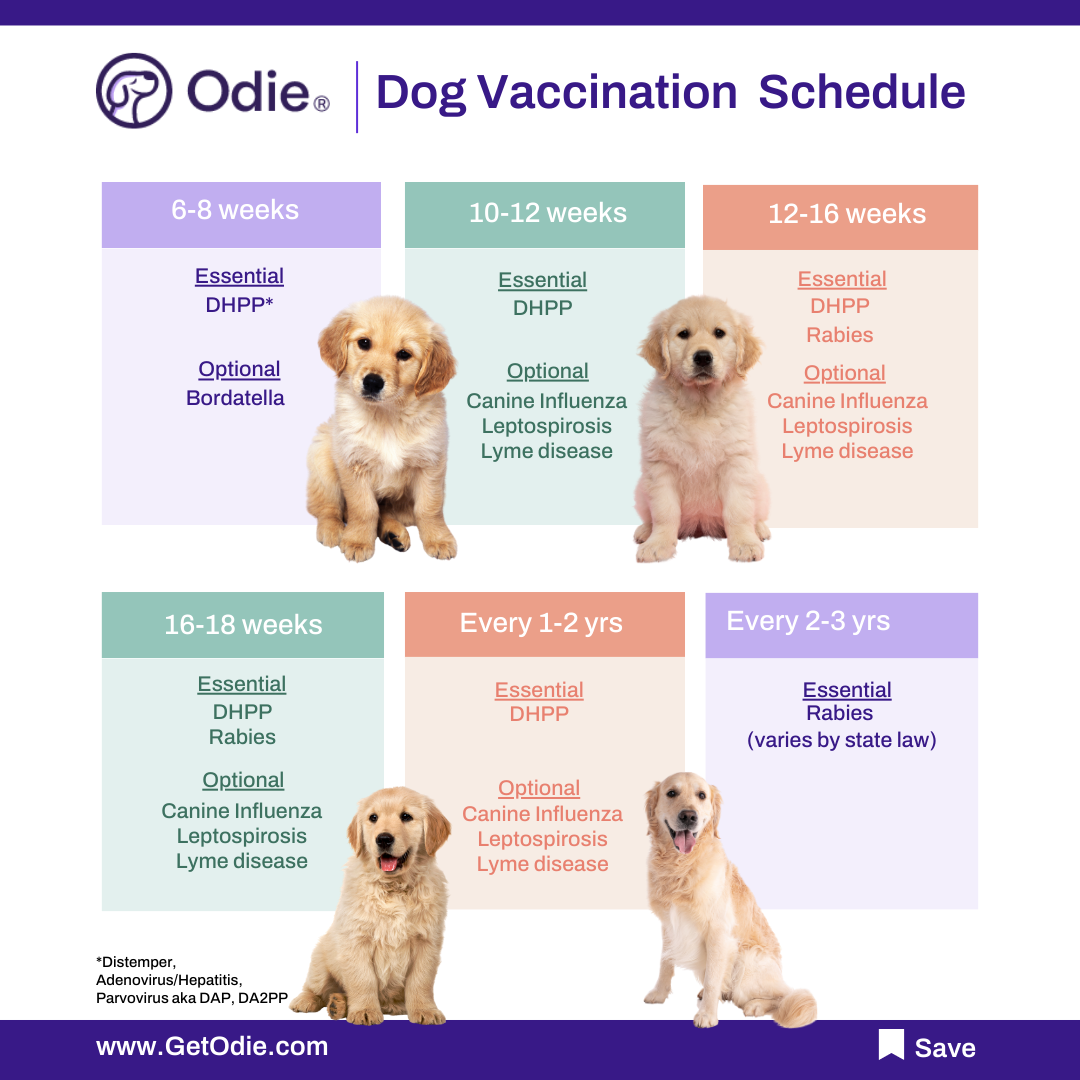
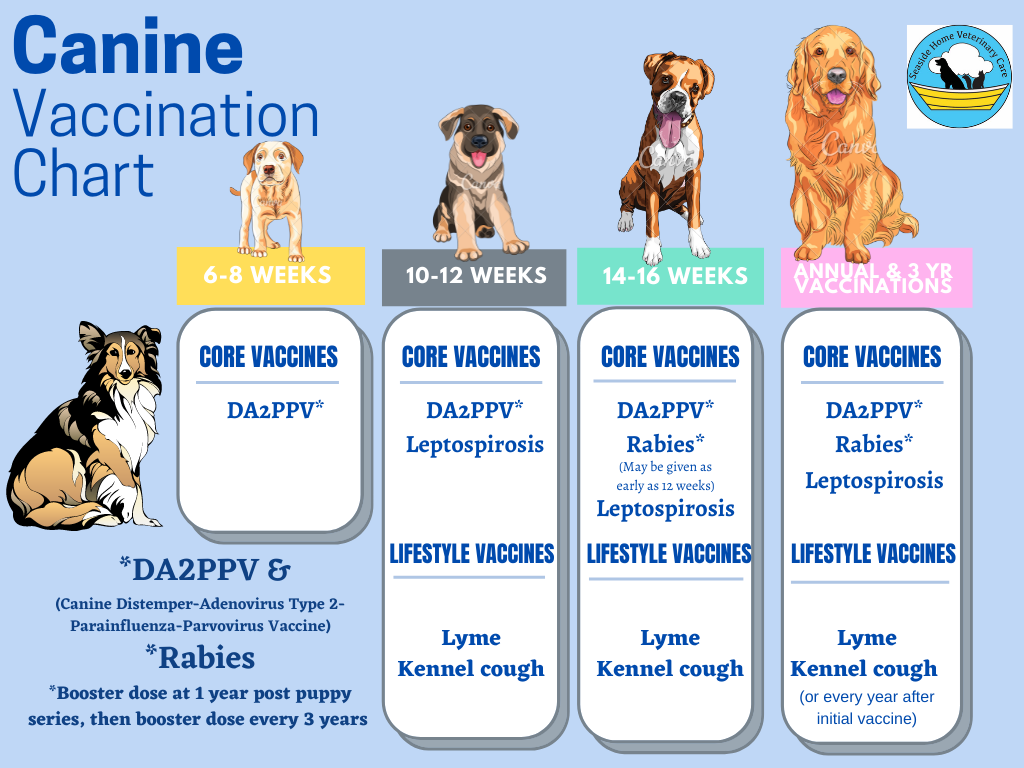
The standard recommendation for a dog’s initial rabies vaccination typically falls between 12 to 16 weeks of age (approximately 3 to 4 months). This timing is crucial for several reasons, including the waning of maternal antibodies and the dog’s developing immune system. Following this initial shot, booster vaccinations are required periodically, usually annually or every three years, depending on the vaccine type and local regulations. Understanding and adhering to this schedule is not just about canine health; it is a fundamental aspect of proactive financial management for pet owners.
The Financial Imperative of Timely Rabies Vaccination
Ignoring or delaying rabies vaccination is not merely a lapse in pet care; it’s a decision fraught with significant financial risks. From regulatory fines to exorbitant emergency treatment costs, the financial consequences of an unvaccinated dog can quickly escalate, far outweighing the modest cost of a preventative vaccine.
Understanding Local Regulations and Fines
Rabies vaccination is not optional; it is legally mandated in most regions across the United States and many other countries. These mandates are in place to protect both animal and public health due to the zoonotic nature of rabies—its ability to transmit from animals to humans. Local and state governments enforce strict penalties for non-compliance. These can include:
- Significant Fines: Owners of unvaccinated dogs found in violation of local ordinances can face substantial financial penalties. These fines vary by jurisdiction but can range from hundreds to thousands of dollars per incident.
- Quarantine Costs: If an unvaccinated dog bites a person or another animal, or is exposed to a rabid animal, it may be subject to a mandatory quarantine period, often at the owner’s expense. These quarantine facilities charge daily rates that can quickly accumulate, turning a few weeks into a bill running into the thousands.
- Legal Fees: In severe cases, especially if an unvaccinated dog causes harm, owners may face legal action, incurring attorney fees and potential liability judgments that dwarf the cost of a vaccine.
- Euthanasia Orders: In the most tragic and extreme scenarios, an unvaccinated dog involved in a bite incident or suspected of rabies exposure may be ordered to be euthanized, representing an immeasurable emotional cost coupled with the financial loss of a pet.
Adhering to the recommended vaccination schedule, starting at 12-16 weeks and continuing with boosters, is therefore a critical form of financial risk mitigation, safeguarding owners from unforeseen expenses and legal entanglements.
The Cost-Benefit of Preventative Care vs. Emergency Treatment
Preventative care, like rabies vaccination, is almost always more cost-effective than treating a preventable disease or managing its aftermath. The cost of a rabies vaccine typically ranges from $20 to $50, sometimes more depending on the veterinary clinic and location. This is a small, predictable expense when viewed against the potential financial fallout of an unvaccinated pet.
Consider the alternative:
- Post-Exposure Prophylaxis (PEP) for Humans: If an unvaccinated dog bites a human and rabies exposure is suspected, the human victim will require a costly series of post-exposure vaccinations and immunoglobulin shots. While these costs are typically covered by human health insurance, the potential for liability claims against the dog owner remains significant.
- Emergency Veterinary Care for Rabies Symptoms: While rabies is almost always fatal once symptoms appear, the diagnostic process and supportive care for an animal exhibiting neurological symptoms can be very expensive before a definitive diagnosis is made.
- Public Health Crisis Management: In the rare event of a rabies outbreak linked to an unvaccinated pet, the financial implications for public health services, including widespread testing and containment efforts, can be enormous, potentially leading to increased taxes or public health levies.
From a purely financial standpoint, the investment in timely rabies vaccination is an undeniable cost-benefit winner, protecting both your finances and the wider community.
Budgeting for Canine Health: Integrating Vaccination Costs
Proactive budgeting is fundamental to responsible pet ownership. Integrating the costs of preventative care, including rabies vaccination, into your financial plan ensures that your dog receives the necessary medical attention without causing undue financial strain.
Estimating Initial Vaccination Series Costs
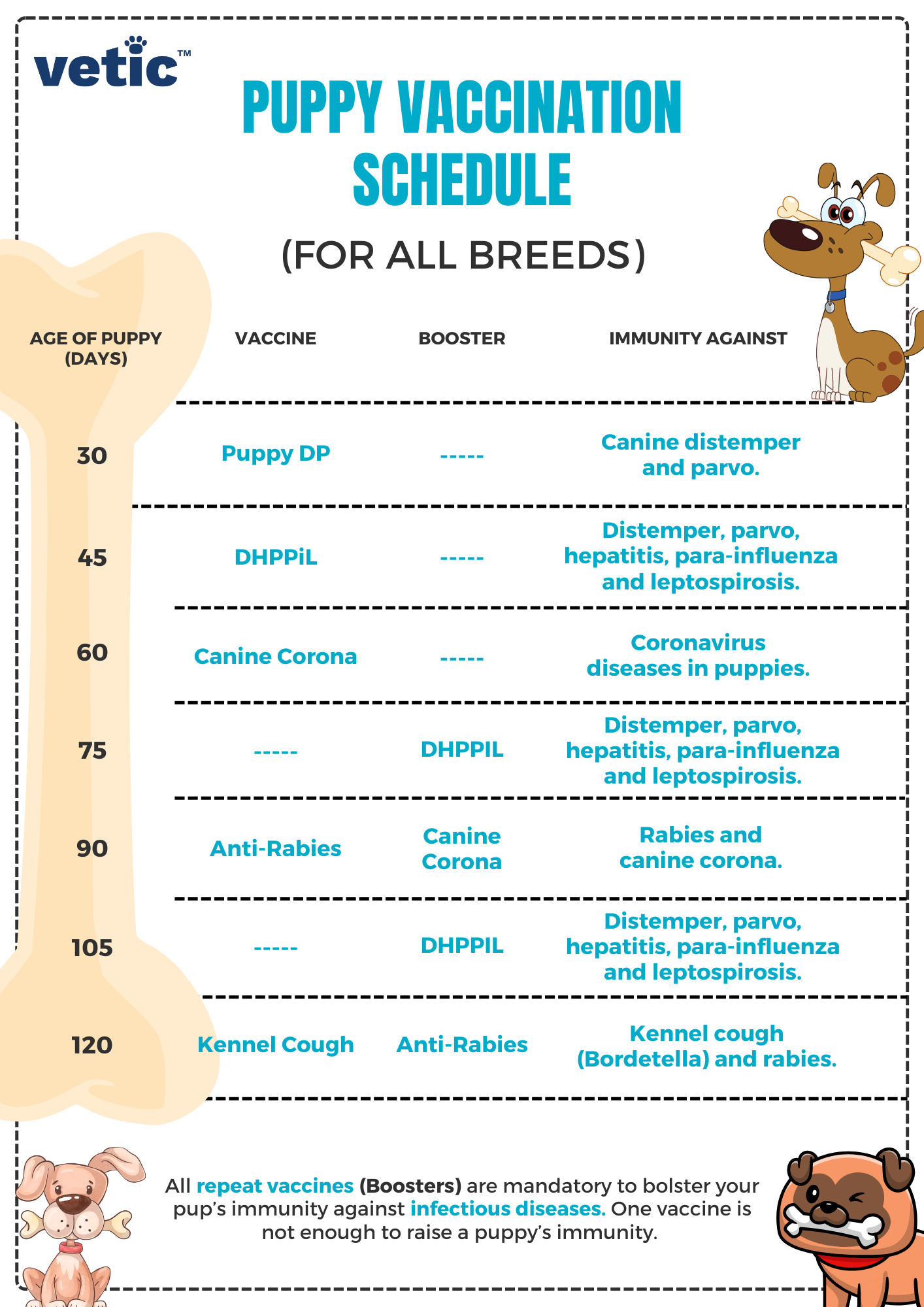
When you bring a puppy home, the first few months involve a series of vaccinations, often referred to as the “puppy shots.” The rabies vaccine is a key part of this series. Beyond rabies, puppies typically receive vaccinations for distemper, parvovirus, adenovirus, and parainfluenza.
- Initial Rabies Shot: Budget for the first rabies vaccine when your puppy is around 3-4 months old. This cost will be part of the initial vet visits.
- Comprehensive Puppy Package: Many veterinary clinics offer “puppy packages” that bundle the initial series of vaccinations, deworming, and sometimes spay/neuter surgery at a discounted rate. While the upfront cost might seem higher, it can offer savings compared to individual services. Factor these packages into your initial pet budget.
Planning for Booster Shots and Recurring Expenses
Rabies vaccination is not a one-time event. Dogs require booster shots to maintain immunity, which generally occur annually or every three years.
- Annual vs. Triennial Boosters: Discuss with your veterinarian whether an annual or triennial rabies vaccine is appropriate for your dog, considering local laws and vaccine brands. Triennial vaccines can offer long-term savings by reducing the frequency of veterinary visits and vaccine costs.
- Creating a Dedicated Pet Fund: Establish a separate savings account or allocate a portion of your monthly budget specifically for pet care. This fund should cover not only routine vaccinations but also annual check-ups, parasite prevention, and unexpected medical needs.
- Setting Reminders: Utilize digital calendar reminders or veterinary clinic services that notify you when your dog’s booster shots are due. Missing a booster can lead to a lapse in protection and potential financial penalties if local laws require continuous vaccination.
Exploring Payment Plans and Veterinary Wellness Programs
For those facing budget constraints, several options can help manage the financial burden of pet care.
- Veterinary Wellness Plans: Many veterinary clinics offer wellness plans that involve a monthly payment covering routine services, including vaccinations, annual exams, and sometimes discounts on other services. These plans can help smooth out veterinary expenses into predictable monthly payments.
- Payment Plans for Larger Expenses: For unexpected, larger veterinary bills, inquire about payment plans directly with your veterinarian or explore third-party financing options like CareCredit, which offers deferred interest plans for medical expenses.
- Local Assistance Programs: Investigate local animal welfare organizations or shelters. Some offer low-cost vaccination clinics or financial aid programs for pet owners in need, ensuring that essential vaccinations like rabies are accessible.
Pet Insurance and Vaccination Compliance: A Financial Safety Net
Pet insurance has become an increasingly popular financial tool for managing veterinary costs. However, the efficacy and coverage of these policies are inextricably linked to an owner’s adherence to preventative care, particularly vaccinations.
How Rabies Vaccination Affects Pet Insurance Premiums and Coverage
Most pet insurance policies are designed to cover unexpected illnesses and accidents. They generally do not cover routine preventative care, including vaccinations, as these are predictable expenses. However, maintaining up-to-date vaccinations, including rabies, is often a prerequisite for coverage for any illness or accident claim.
- Policy Eligibility: Many insurers will not issue a policy for a pet that is not current on its legally required vaccinations.
- Claim Denials: If your dog becomes ill or injured, and it is discovered that they were not current on their rabies (or other required) vaccinations, your insurance provider may deny claims, arguing that a lack of preventative care contributed to or exacerbated the condition, or simply violated the policy terms.
- “Pre-existing Conditions” and Preventative Lapses: While rabies itself is not typically a “pre-existing condition” in the conventional sense, a lapse in vaccination could be interpreted as a failure of responsible ownership, potentially complicating future claims.
Avoiding Policy Exclusions Through Adherence
To ensure your pet insurance acts as a true financial safety net, meticulous adherence to vaccination schedules is critical.
- Read Your Policy Carefully: Understand the specific vaccination requirements outlined in your pet insurance policy.
- Maintain Detailed Records: Keep thorough records of all vaccinations, including dates, vaccine types, and the administering veterinarian. These records are vital proof for insurance claims.
- Communicate with Your Vet: Work closely with your veterinarian to stay on schedule for all necessary vaccinations, not just rabies.
By consistently vaccinating your dog, starting at the recommended age of 12-16 weeks and continuing with boosters, you protect your financial investment in pet insurance and ensure that it will be there for you in times of genuine need.
Long-Term Financial Planning for a Healthy Canine Companion
The financial commitment to a dog extends far beyond initial purchase and vaccinations. Long-term planning, rooted in understanding the cumulative costs of pet ownership, is crucial for both financial stability and your dog’s sustained well-being.
Setting Aside an Emergency Fund for Pet Care
Just as you might have an emergency fund for human medical crises, a dedicated fund for pet emergencies is invaluable. Accidents, sudden illnesses, or chronic conditions can arise unexpectedly, leading to bills of thousands of dollars.
- Start Small, Grow Big: Begin by setting aside a small amount regularly. Over a dog’s typical lifespan of 10-14 years, even modest monthly contributions can accumulate into a substantial safety net.
- Consider High-Yield Savings Accounts: Explore savings accounts that offer slightly better interest rates, maximizing the growth of your pet emergency fund.
The True Cost of Neglecting Preventative Health
The temptation to cut corners on preventative care to save money in the short term is a false economy. Neglecting routine vaccinations, dental care, or proper nutrition can lead to more severe, expensive health issues down the line.
- Dental Disease: Skipping regular dental cleanings can lead to costly extractions, gum disease, and systemic health problems affecting the heart and kidneys.
- Parasite-Borne Diseases: Neglecting flea, tick, and heartworm prevention can result in expensive treatments for conditions like Lyme disease, ehrlichiosis, or heartworm disease, which are far more costly and debilitating than preventative medications.
- Lifestyle Diseases: A poor diet and lack of exercise can contribute to obesity, diabetes, and joint problems, all of which require ongoing, expensive veterinary management.
The initial rabies vaccine at 12-16 weeks of age is a gateway to understanding the profound value of consistent, proactive preventative health management. It’s an investment that pays dividends in your dog’s health and your financial peace of mind.
Leveraging Financial Tools for Pet Expense Management
In the digital age, a variety of financial tools can simplify the tracking and management of pet-related expenses, including those associated with vaccination.
Digital Tools for Tracking Pet Health Expenses
Modern technology offers practical solutions for budgeting and expense tracking.
- Budgeting Apps: Apps like Mint, YNAB (You Need A Budget), or Personal Capital allow you to categorize expenses, set budgets for pet care, and monitor spending.
- Spreadsheets: For those who prefer a more hands-on approach, a simple spreadsheet can be used to log all pet-related expenditures, from vaccine costs and food to toys and grooming. This provides a clear overview of where your money is going.
- Pet Health Management Apps: Some apps specifically designed for pet owners allow you to record vet visits, vaccination dates, and medication schedules, often integrating financial tracking features.
Dedicated Savings Accounts for Pet Care
Opening a specific savings account labeled “Dog’s Health Fund” or “Pet Emergency Fund” can significantly aid in financial discipline.
- Automatic Transfers: Set up automatic monthly transfers from your checking account to this dedicated savings account. Even a small, consistent amount will grow over time.
- Visualizing Your Savings: A separate account helps you visualize the progress of your savings, making it easier to resist dipping into the funds for non-pet-related expenses.
Ultimately, the question of “what age can a dog get rabies vaccine?” is more than a medical query; it’s an entry point into a broader discussion about the financial responsibilities of pet ownership. By understanding the timing of this crucial vaccination (typically 12-16 weeks for the initial shot, followed by regular boosters) and integrating its costs into a comprehensive financial plan, owners can ensure their beloved companions lead healthy, protected lives while safeguarding their own financial well-being against preventable expenses and unforeseen liabilities. Responsible pet ownership is, at its heart, financially savvy pet ownership.
aViewFromTheCave is a participant in the Amazon Services LLC Associates Program, an affiliate advertising program designed to provide a means for sites to earn advertising fees by advertising and linking to Amazon.com. Amazon, the Amazon logo, AmazonSupply, and the AmazonSupply logo are trademarks of Amazon.com, Inc. or its affiliates. As an Amazon Associate we earn affiliate commissions from qualifying purchases.