
In the landscape of modern American history, few transitions have offered as stark a contrast in economic philosophy as the move from the Trump administration to the Biden administration. While both presidencies were marked by unprecedented global challenges—most notably the COVID-19 pandemic and its subsequent supply chain disruptions—the fiscal strategies employed by each leader stem from fundamentally different schools of thought. For investors, business owners, and taxpayers, understanding these differences is not merely a matter of political observation; it is a prerequisite for navigating the volatile waters of the contemporary financial market.

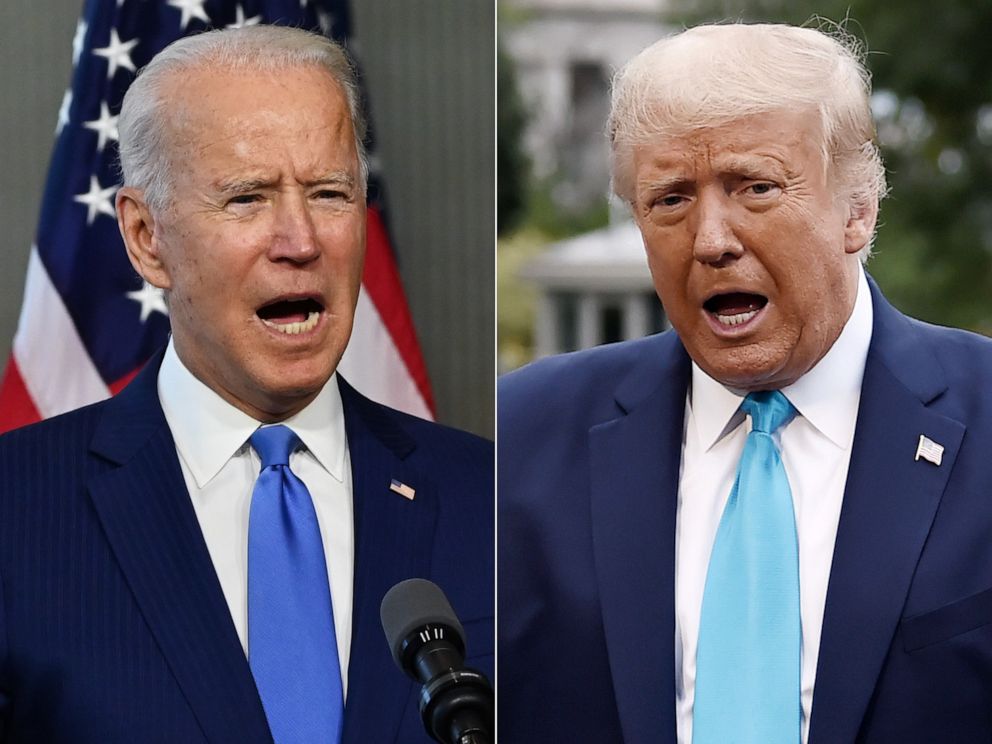
The “difference” between Biden and Trump in the realm of money is characterized by a shift from supply-side, deregulatory fervor to a strategy often described as “middle-out” economics, centered on industrial policy and social infrastructure. This article explores the deep-seated financial shifts that have occurred across taxation, market performance, trade, and the broader cost of living.
The Tax Paradigm: Supply-Side Incentives vs. Progressive Revenue Models
The most immediate and tangible difference between the two administrations lies in their approach to the Internal Revenue Code. Taxation is the primary lever of fiscal policy, and both presidents used it to signal their economic priorities.
The Trump Tax Cuts and Jobs Act (TCJA)
Under the Trump administration, the centerpiece of economic policy was the Tax Cuts and Jobs Act of 2017. This legislation represented one of the most significant overhauls of the U.S. tax code in decades. By slashing the corporate tax rate from 35% to a flat 21%, the administration sought to incentivize domestic investment and repatriate overseas profits. From a personal finance perspective, the TCJA increased the standard deduction and lowered individual tax brackets across the board. The prevailing logic was that by unburdening the “job creators,” capital would flow more freely through the economy, resulting in higher wages and robust GDP growth.
The Biden Philosophy of Public Investment
In contrast, the Biden administration has approached taxation as a tool for reducing wealth inequality and funding large-scale public projects. While the Biden administration maintained many of the individual tax brackets from the TCJA, it has consistently advocated for a higher corporate tax rate (proposing a move to 28%) and a more aggressive stance on capital gains for high earners. The introduction of the Inflation Reduction Act (IRA) also utilized the tax code in a novel way: not through broad cuts, but through targeted tax credits designed to stimulate specific sectors, such as green energy and domestic manufacturing. For the average consumer, this shifted the “money” focus from broad-based tax relief to specific incentives for purchasing electric vehicles or installing energy-efficient home systems.
Market Performance and the Evolution of Investor Sentiment
Wall Street often reacts more to certainty than to specific ideology. However, the sectors that flourished under each president reveal the differing priorities of their respective administrations.
The Bull Markets: S&P 500 Performance Compared
Despite the rhetorical differences, both presidents oversaw significant periods of growth in the equity markets. Under Donald Trump, the S&P 500 saw robust gains fueled by corporate tax cuts and a general environment of deregulation. The market’s “Trump Rally” was characterized by a surge in financial and industrial stocks.
Conversely, the market under Joe Biden has faced the headwinds of historic inflation and the most aggressive Federal Reserve tightening cycle in forty years. Surprisingly, despite these challenges, the S&P 500 reached record highs during his tenure, driven largely by the “Magnificent Seven” tech stocks and a burgeoning interest in Artificial Intelligence. The difference here is one of resilience versus momentum; the Trump market was built on the removal of barriers, while the Biden market has been shaped by adaptation to a higher-interest-rate environment.
Sector Rotations: From Traditional Energy to Green Tech
The “Biden vs. Trump” difference is most visible when looking at sector-specific performance. The Trump administration’s “energy dominance” policy favored traditional fossil fuels, leading to significant deregulation in the oil and gas sectors. Investors in midstream and upstream energy companies found a friendly ally in Washington.
The Biden administration, however, redirected the flow of capital toward the energy transition. Through the Inflation Reduction Act, billions of dollars in subsidies and loans were channeled into solar, wind, and battery technology. This created a new class of “policy-driven” equities. For the modern investor, the difference meant moving away from a portfolio solely reliant on traditional commodities to one that accounts for a government-mandated shift toward a decarbonized economy.

Trade, Tariffs, and the New Global Economic Order
The era of unfettered globalization ended during the Trump administration, but the Biden administration did not necessarily return to the status quo. Instead, it refined the approach to trade, with significant implications for business costs and consumer prices.
Protectionism and the Trade War Legacy
Donald Trump redefined American trade policy by utilizing tariffs as a primary negotiating tool. His “America First” agenda led to a protracted trade war with China, characterized by heavy duties on steel, aluminum, and a wide array of consumer goods. This was a “disruptive” money strategy; it sought to bring manufacturing back to U.S. soil by making imports more expensive. While it protected certain domestic industries, it also increased input costs for manufacturers and resulted in retaliatory tariffs that hurt American agricultural exports.
Supply Chain Resilience and Reshoring Initiatives
The Biden administration kept many of the Trump-era tariffs in place, but it shifted the focus toward “de-risking” rather than “decoupling.” The difference lies in the strategic application of capital. Through the CHIPS and Science Act, the Biden administration provided billions in direct subsidies to bring semiconductor manufacturing back to the United States. This is a form of “industrial policy” that hadn’t been seen in the U.S. for decades. For businesses, the “money” difference here is a shift from navigating a trade war to participating in a subsidized “re-shoring” movement, where the government acts as a partner in building domestic capacity.
Inflation, Interest Rates, and the Federal Reserve
Perhaps the most significant difference for the average American’s wallet has been the macroeconomic environment surrounding inflation and the cost of borrowing.
Post-Pandemic Stimulus and the Cost of Living
Both administrations oversaw massive infusions of liquidity into the economy. The Trump administration signed the CARES Act, providing the first rounds of direct stimulus to citizens. The Biden administration followed with the American Rescue Plan. However, the timing and scale of the latter, occurring as the economy was already reopening, became a point of intense economic debate. Critics argue that this excess liquidity, combined with supply chain bottlenecks, contributed to the highest inflation seen in forty years. The “difference” felt by consumers was the rapid transition from an era of “cheap money” (low interest rates and low prices) to a period of “expensive money.”
Monetary Policy Navigation in High-Yield Environments
Under Trump, the Federal Reserve was frequently the target of presidential pressure to keep interest rates low. The “money” environment was defined by a hunt for yield in a zero-interest-rate world. Under Biden, the Federal Reserve took center stage as it hiked rates to combat inflation. This has completely changed the personal finance landscape. Mortgages that were 3% are now 7%; savings accounts that paid nothing are now yielding 5%. The difference in the “Biden-Trump” era for an individual’s money is the return of the “cost of capital.” Borrowing is no longer free, and the strategy for wealth building has shifted from pure growth to a focus on valuations and yield.
The Outlook for Personal Finance and Wealth Building
As we look toward the future, the difference between these two approaches continues to shape how individuals manage their portfolios and plan for retirement.
Retirement Planning in Shifting Regulatory Landscapes
The regulatory environment under Trump was generally characterized by a “hands-off” approach, which many argued allowed for more innovation in financial products but also less oversight. The Biden administration has taken a more active role in regulating financial advisors (through the fiduciary rule) and enhancing the transparency of fees in retirement accounts. For the individual saver, the difference is a trade-off between the potential for higher-risk/higher-reward products and a more protected, transparent environment for long-term savings.
Real Estate and Interest Rate Sensitivities
The “money” difference is perhaps most acute in the housing market. The Trump years saw a continuation of the post-2008 housing recovery, aided by low rates. The Biden years have seen a “lock-in” effect, where homeowners with low rates are unwilling to sell, and new buyers are priced out by high rates and low inventory. Understanding the difference between these two eras requires recognizing that the fiscal policies of the past (stimulus and spending) directly influence the monetary realities of the present (high interest rates to cool that spending).
In conclusion, “what a difference Biden Trump” makes is not just a political slogan; it is a fundamental shift in the American economic engine. One prioritized the removal of barriers for capital and corporations, while the other prioritizes the strategic direction of capital toward social and industrial goals. For anyone looking to grow their wealth, the key lies in identifying these structural shifts and positioning their “money” to benefit from the prevailing winds of whichever philosophy is at the helm.
aViewFromTheCave is a participant in the Amazon Services LLC Associates Program, an affiliate advertising program designed to provide a means for sites to earn advertising fees by advertising and linking to Amazon.com. Amazon, the Amazon logo, AmazonSupply, and the AmazonSupply logo are trademarks of Amazon.com, Inc. or its affiliates. As an Amazon Associate we earn affiliate commissions from qualifying purchases.