
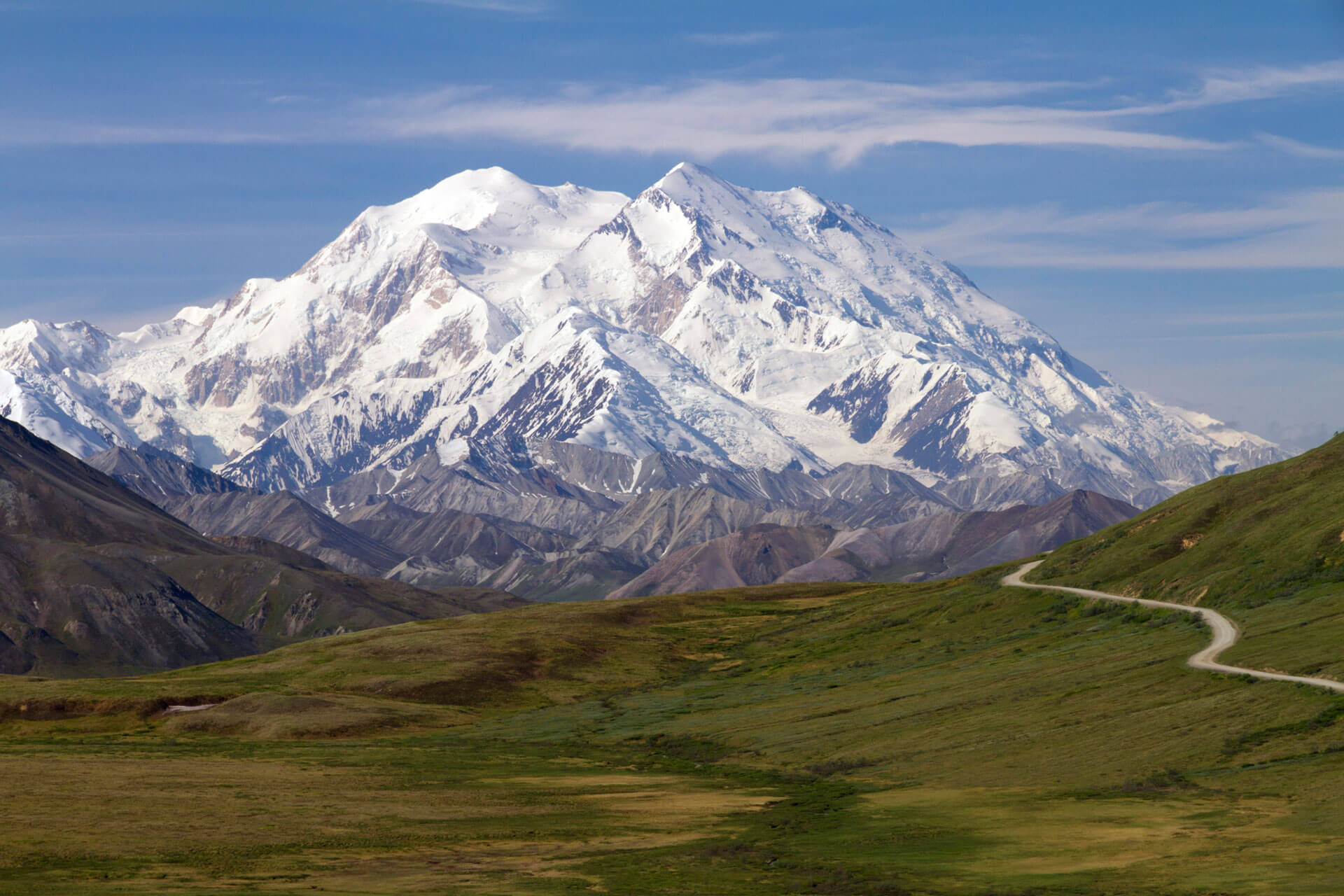
In the world of geography, North America’s tallest mountain is a physical giant, a 20,310-foot monolith of granite and ice. In the world of branding, however, this mountain represents one of the most significant case studies in identity, nomenclature, and the power of narrative. For decades, the peak was known officially as Mount McKinley. Today, it is recognized globally and officially as Denali.
The transition from McKinley to Denali is not merely a geographic correction; it is a masterclass in brand stewardship, cultural alignment, and the strategic management of a legacy. For organizations and personal brands alike, the story of North America’s highest peak offers profound insights into how names shape perception, how stakeholders influence identity, and how authenticity serves as the ultimate “North Star” for any brand.
The Power of a Name: From McKinley to Denali
A brand’s name is its most fundamental asset. It is the first point of contact between a product and its audience, carrying with it a density of meaning that can take decades to build and only seconds to recall. The history of North America’s tallest mountain illustrates the tension between a “manufactured” brand and an “authentic” one.
The Historical Context of the Name Shift
For thousands of years, the Koyukon Athabaskan people referred to the mountain as Denali, which translates to “The High One.” This was a descriptive, organic brand—one born from the actual experience of the landscape. However, in 1896, a gold prospector named the mountain after William McKinley, a presidential candidate from Ohio, as a political gesture.
This act was essentially a “brand takeover.” It replaced a localized, heritage-rich identity with a political label that had zero connection to the product’s (the mountain’s) attributes. For over a century, the mountain carried this dual identity: officially recognized as McKinley by the federal government, but affectionately and locally known as Denali.
Why Naming Matters in Brand Identity
In branding, a name should ideally reflect the essence of the entity it represents. “McKinley” was a brand that relied on external authority and political clout. “Denali” is a brand that relies on truth and nature.
When a brand name is misaligned with the actual experience of the product, it creates cognitive dissonance. For modern consumers, and especially for the stakeholders in Alaska, the “McKinley” brand felt like an artificial overlay. The lesson for brand strategists is clear: a name that ignores the roots and the “soul” of the brand will eventually face a crisis of legitimacy. Rebranding to Denali was an exercise in reclaiming the peak’s original, authentic value proposition.
Case Study: The Cultural and Political Brand Evolution
Rebranding an asset of such magnitude is never a simple process. It requires navigating complex political landscapes and managing diverse groups of stakeholders. The journey to the 2015 official renaming by the U.S. Department of the Interior is a perfect example of corporate-style crisis management and long-term advocacy.
Stakeholder Management: Alaska vs. Ohio
Every brand has its proponents and its detractors. In this case, the stakeholders were divided by geography. Alaska, the “host region,” viewed the Denali name as a vital part of its cultural brand. To Alaskans, the name represented pride, history, and a unique identity separate from the “Lower 48.”
Conversely, politicians from Ohio (McKinley’s home state) viewed the “Mount McKinley” name as a protected heritage brand. They blocked the name change in Congress for decades. This mirrors the challenges large corporations face when trying to pivot their identity: the “old guard” or legacy customers often resist change because they have an emotional investment in the existing brand, even if that brand no longer serves the broader market or reflects the truth.
Aligning Brand with Authenticity and Heritage
The shift to Denali was ultimately successful because it leaned into the concept of Authentic Branding. In an era where consumers value transparency and social responsibility, maintaining a name that was essentially a 19th-century political advertisement became untenable.
By reverting to the indigenous name, the “brand” of the mountain was aligned with modern values of inclusivity and historical accuracy. This move didn’t just change a label; it refreshed the entire brand story of the American wilderness. It allowed the National Park Service and the state of Alaska to market the peak not just as a high point, but as a sacred, historical, and living monument.
Lessons in Brand Stewardship: Leading from the Top
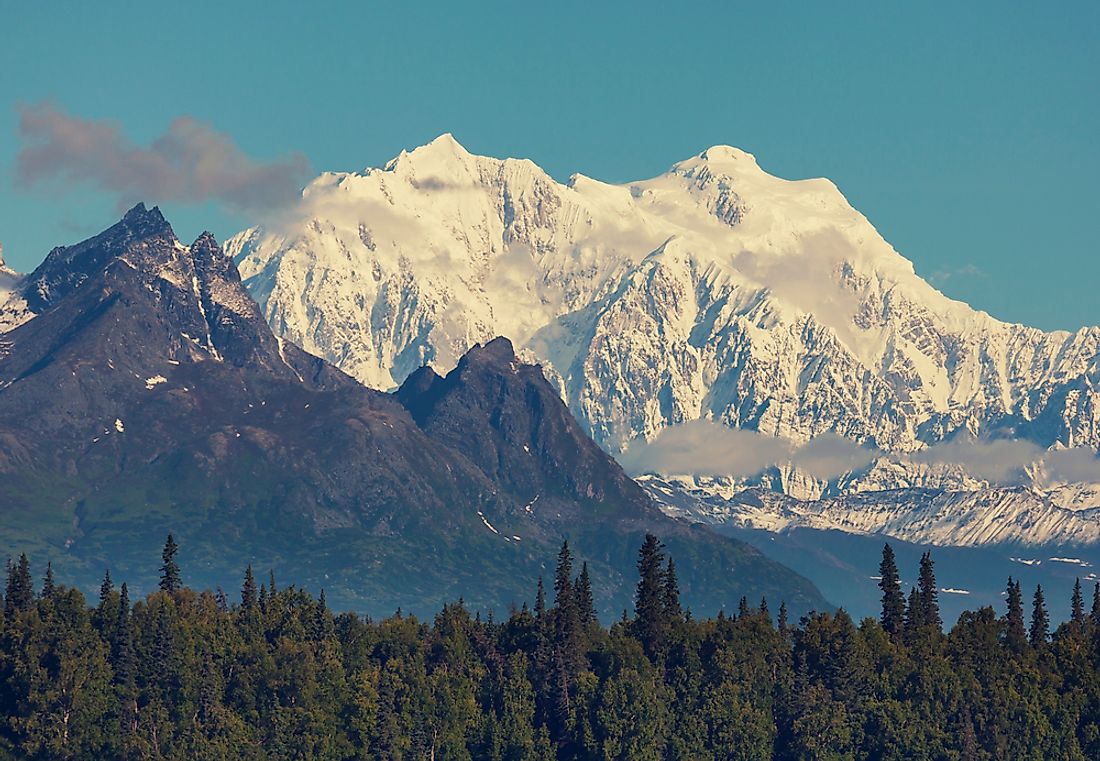
The status of being “the tallest” or “the best” brings with it a specific set of branding responsibilities. When you occupy the top tier of your industry—whether you are a tech giant, a luxury fashion house, or a geographic landmark—your brand becomes a benchmark.
The “Everest” vs. “Denali” Archetype in Marketing
In global branding, Mount Everest is the “Market Leader.” It is the most famous, the highest, and the most commercialized. However, Denali has carved out a unique brand niche as the “Purist’s Peak.” Because of its extreme latitude and the fact that its base-to-peak rise is actually greater than Everest’s, Denali’s brand is one of ruggedness, isolation, and extreme challenge.
This is a classic branding move: if you aren’t the absolute biggest in the world, you define yourself by a specific, superior attribute. Denali’s brand isn’t about being the highest on the planet; it’s about being the most formidable. Brands that can’t compete on sheer volume or size can find immense success by dominating a specific “topographical” niche of quality or intensity.
Resilience and Presence: What Brands Can Learn from the High One
Denali’s physical presence is so massive that it creates its own weather. In branding terms, this is “Market Presence.” A strong brand doesn’t just respond to the market; it shapes the environment around it.
Brands that exhibit “Denali-like” qualities are those that remain steadfast regardless of short-term trends. They are resilient, they are visible from a distance, and they command respect through their history and their performance. Brand stewardship is about protecting that presence and ensuring that nothing—not a name change, not a political dispute, and not a change in leadership—erodes the core stature of the entity.
Corporate Branding and the Denali Influence
The name “Denali” has become so powerful as a brand that it has been successfully licensed and adopted by corporate entities to convey specific values. The most notable example of this is the GMC Denali sub-brand.
The GMC Denali: Premium Sub-Branding Strategy
General Motors (GMC) launched the “Denali” trim line in 1998. At the time, GMC was looking for a way to differentiate its premium trucks and SUVs from the standard fleet. By choosing the name of North America’s highest peak, they were utilizing a “Metaphorical Brand Association.”
The name Denali immediately communicated several key brand pillars:
- Peak Performance: The highest level of engineering.
- Rugged Luxury: The ability to handle harsh environments while maintaining a premium feel.
- American Heritage: A connection to the vastness and majesty of the North American continent.
Luxury and Ruggedness: Translating Geographic Stature into Market Value
The GMC Denali sub-brand has been incredibly successful, often accounting for a significant portion of GMC’s total sales and maintaining some of the highest average transaction prices in the industry. This demonstrates how a geographic “brand” can be translated into a commercial “brand.”
When a brand captures the essence of a landmark—especially one as storied as Denali—it inherits the psychological weight of that landmark. Consumers don’t just buy a truck; they buy a piece of the “High One” archetype. This is the pinnacle of brand strategy: when a name becomes synonymous with an aspirational lifestyle.
Future-Proofing Identity: The Longevity of Purpose-Driven Branding
As we look toward the future of brand strategy, the story of Denali serves as a reminder that identity is not static. It is a living, breathing entity that must be nurtured and, occasionally, corrected.
Protecting the Integrity of the Name
For a brand to last centuries, it must be protected from “brand dilution.” The name Denali is protected by its status as a National Park and its deep-rooted cultural significance. For corporate brands, this protection comes through trademarks, consistent messaging, and quality control.
However, the most effective protection is public sentiment. When the public (or the “consumers” of the mountain—climbers, tourists, and Alaskans) collectively decided that Denali was the only appropriate name, the official change became inevitable. Future-proofing a brand means ensuring it remains relevant to the people who care about it most.

Global Recognition in a Digital Age
In the digital era, “Denali” is a more powerful search term and a more distinct brand than “McKinley.” It is unique, phonetically strong, and carries a sense of place. As brands compete for attention in a crowded global marketplace, those that have a clear, distinct, and culturally resonant identity will always rise above the noise.
North America’s tallest mountain has finally reclaimed its true name, and in doing so, it has provided a blueprint for any brand seeking to establish a lasting legacy. By prioritizing authenticity, managing stakeholders with care, and leveraging the power of a strong name, any brand can reach its own summit. The lesson of Denali is that you don’t need to rename yourself to be great—you often just need to return to who you were always meant to be.
aViewFromTheCave is a participant in the Amazon Services LLC Associates Program, an affiliate advertising program designed to provide a means for sites to earn advertising fees by advertising and linking to Amazon.com. Amazon, the Amazon logo, AmazonSupply, and the AmazonSupply logo are trademarks of Amazon.com, Inc. or its affiliates. As an Amazon Associate we earn affiliate commissions from qualifying purchases.