
In the intricate world of culinary ingredients, the distinctions between seemingly similar products can be profound, shaping not only flavor profiles but also influencing market positioning, consumer perception, and ultimately, brand strategy. Tamari and soy sauce, often conflated or used interchangeably by the uninitiated, represent a fascinating case study in brand differentiation. While both are fermented condiments derived from soybeans, their unique origins, ingredient compositions, and production methods have carved out distinct brand identities and target markets. For food manufacturers, marketers, and culinary professionals, understanding these nuances is not just about taste; it’s about strategic branding, consumer education, and leveraging inherent product characteristics to build strong, recognizable brands.
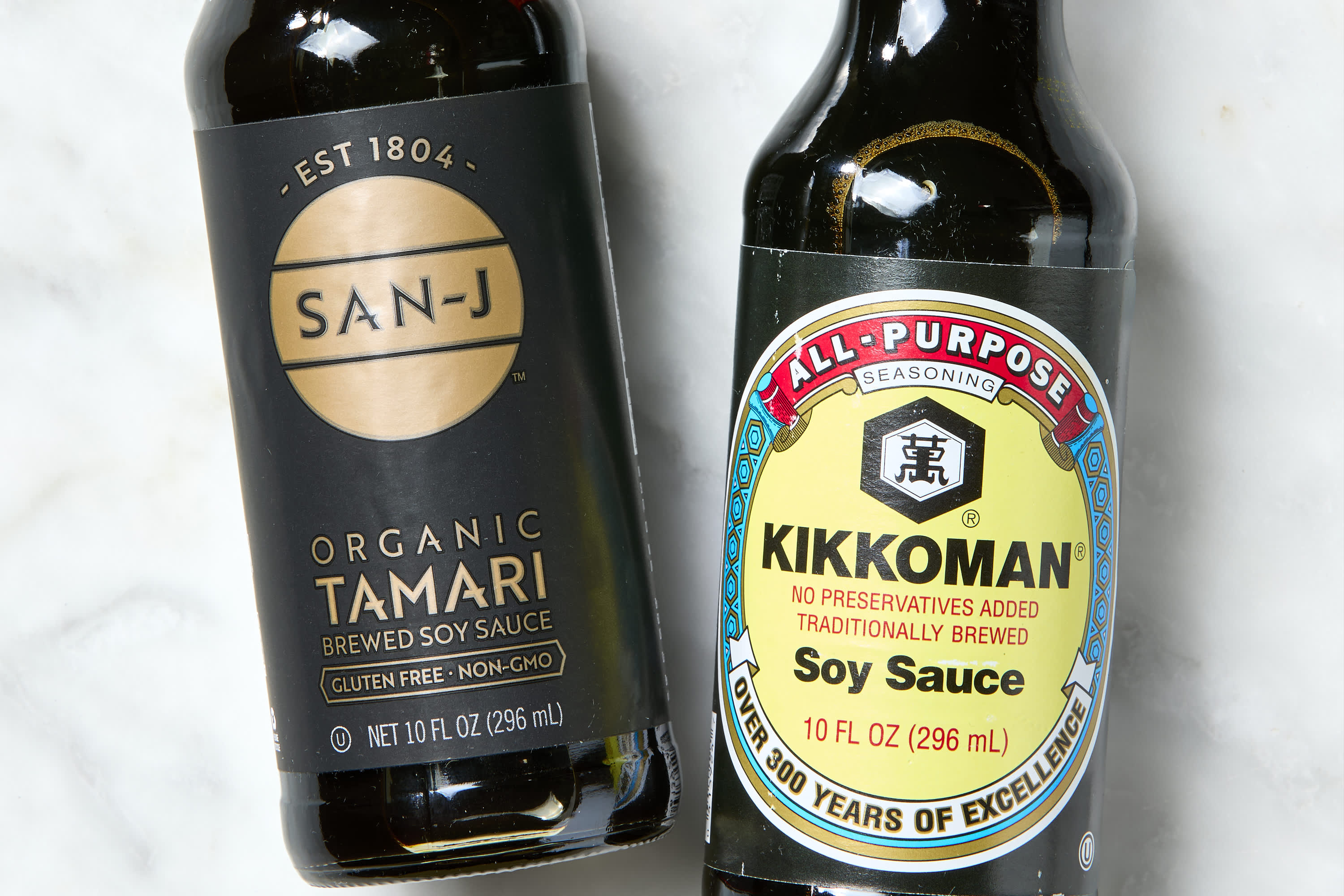
This exploration delves into how Tamari and traditional soy sauce, despite their superficial similarities, have established separate brand narratives, appealing to different consumer segments through carefully crafted identities rooted in history, health, and sensory experience.
The Roots of Differentiation: Brand Origin and Heritage
The journey to understanding the distinct brand identities of Tamari and soy sauce begins with their historical origins. Every strong brand narrative is built on a compelling backstory, and these condiments are no exception. Their respective ancestries dictate foundational differences that inform everything from ingredient sourcing to marketing claims.
Tracing the Ancestry: Japanese Soy Sauce’s Diverse Lineage
Traditional Japanese soy sauce, or shoyu, is a product with a rich, multi-century heritage, deeply embedded in Japanese culinary culture. Its production involves a complex fermentation process primarily using soybeans, wheat, salt, and water, inoculated with koji mold. The inclusion of wheat in most varieties of shoyu (like Koikuchi, Usukuchi, Tamari, Saishikomi, and Shiro) is a defining characteristic, contributing significantly to its aromatic complexity, sweetness, and lighter texture.
From a brand perspective, this extensive lineage allows soy sauce brands to tap into a powerful narrative of tradition, authenticity, and culinary versatility. Brands like Kikkoman, for instance, have successfully globalized by emphasizing their Japanese heritage, centuries-old recipes, and the “authentic taste of Japan.” Their brand identity is synonymous with a staple ingredient, a universal enhancer that transcends specific dishes, positioning them as the quintessential soy sauce for a broad international market. The brand story here is one of mastery, consistency, and global accessibility, built on a time-honored process.
Tamari’s Traditional Niche: A Byproduct with Brand Power
Tamari, while also a Japanese product, historically occupied a much more specific niche. It originated as a byproduct of miso paste production. When miso (a fermented soybean paste) is aged, a liquid seeps out during the pressing process – this liquid is Tamari. Traditionally, this meant Tamari was made with little to no wheat, consisting primarily of soybeans, water, and salt. While modern Tamari production often involves a dedicated fermentation process rather than being a byproduct, it largely maintains this low-to-no-wheat composition.
This distinct origin story provides Tamari brands with a unique angle for differentiation. Instead of being the general-purpose soy sauce, Tamari can position itself as more “pure,” “traditional” in a specific sense (related to miso), or importantly, “gluten-free.” This backstory allows brands to craft a narrative around artisanal quality, historical integrity (as a product separate from shoyu), and a distinct, often bolder, flavor profile attributed to its higher soybean content. For the consumer, a Tamari brand signals a product that stands apart, often perceived as a more robust or specialized alternative to mainstream soy sauce.
Deconstructing the Brand: Ingredient Profiles and Production Processes
The core ingredients and methods of production are not just technical details; they are fundamental pillars upon which brand identities are built. They dictate product attributes, influence consumer perception, and often serve as the basis for key marketing claims.
Soy Sauce: The Wheat-Inclusive Mainstream
The vast majority of traditional Japanese soy sauces (Koikuchi, which accounts for over 80% of Japanese soy sauce production) incorporate wheat, typically in equal measure to soybeans. This blend is crucial to its brand characteristics:
- Flavor Complexity: Wheat contributes a subtle sweetness and an aromatic depth that rounds out the savory umami of the soybeans. This creates a balanced, multi-faceted flavor profile that appeals to a wide palate.
- Color and Texture: The wheat contributes to the reddish-brown hue and often a slightly thinner viscosity, which are visual cues consumers associate with “standard” soy sauce.
- Fermentation Dynamics: The starch in wheat is broken down into sugars, which then ferment into alcohol and organic acids, contributing to the soy sauce’s characteristic aroma and shelf stability.
For mainstream soy sauce brands, highlighting this balanced composition, its versatility, and its role as an “all-purpose” condiment is central to their branding. They aim for broad appeal, leveraging familiarity and established culinary uses. The brand promise is often consistent quality, reliable flavor, and a staple status in the kitchen.
Tamari: The Gluten-Free Brand Advantage
Tamari’s distinguishing feature is its composition: it contains little to no wheat. While some brands may include a trace amount, authentic Tamari is predominantly, if not entirely, wheat-free. This characteristic is the single most powerful differentiator for Tamari brands in the modern market.
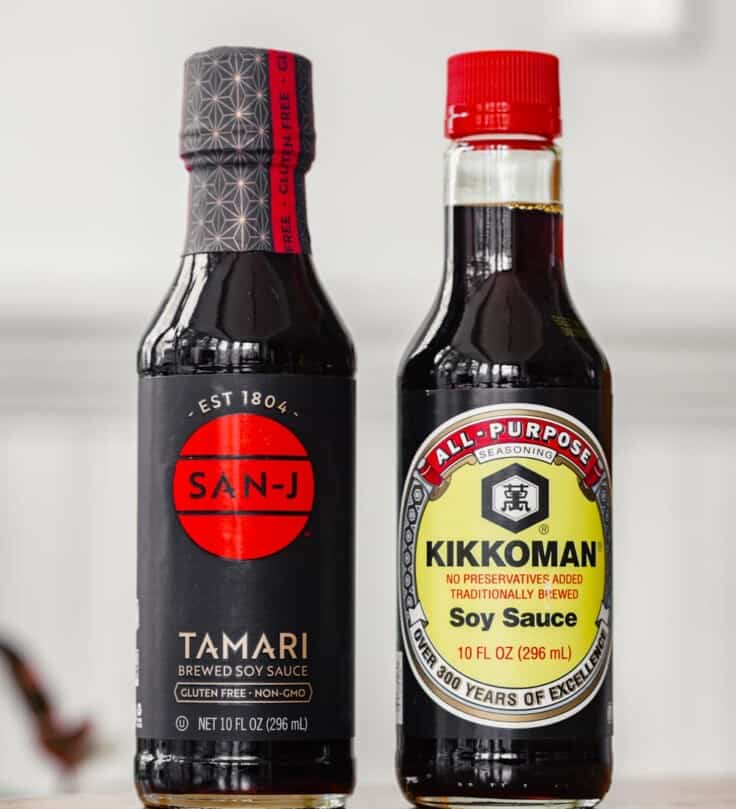
- Gluten-Free Niche: The most significant brand advantage for Tamari is its natural appeal to the gluten-intolerant or those choosing a gluten-free lifestyle. This health-conscious segment represents a substantial and growing market. Brands like San-J have successfully built their entire identity around being the leading “gluten-free Tamari,” actively promoting this benefit on packaging and in marketing.
- Flavor Intensity: With a higher concentration of soybeans and less wheat to dilute the flavor, Tamari typically boasts a richer, bolder, and often less sweet umami profile. This allows brands to position Tamari as a more “robust” or “deep” flavored alternative, appealing to gourmands and those seeking a more pronounced savory impact.
- “Purity” Perception: The absence of wheat can also contribute to a perception of “purity” or “simplicity” in ingredients, appealing to consumers who prioritize clean labels and minimal processing.
By leaning into its inherent wheat-free nature, Tamari brands can carve out a distinct identity that addresses specific dietary needs while also appealing to flavor enthusiasts.
Beyond Ingredients: Fermentation’s Role in Brand Identity
The fermentation process itself is a critical element of brand identity for both products. It’s not merely a manufacturing step; it’s a testament to tradition, patience, and the craft involved in creating complex flavors.
- Traditional Brewing Narratives: Both Tamari and soy sauce brands often emphasize “naturally brewed” or “traditionally aged” claims. These phrases evoke images of authentic craftsmanship, long-standing techniques, and a commitment to quality over speed. This resonates with consumers seeking artisanal products and a story behind their food.
- Maturity and Depth: The duration of fermentation can be a brand differentiator. Longer fermentation periods are often associated with deeper, more complex flavors, allowing brands to position their products as premium or connoisseur-grade. This speaks to the brand’s dedication to achieving a superior taste experience.
- Koji Culture: The specific strains of koji mold used in fermentation can also be a subtle brand element, though less commonly highlighted directly to consumers. However, for industry professionals and culinary experts, the reputation of a brand for using particular koji cultures contributes to its perceived quality and distinct flavor profile.
By highlighting their unique ingredient profiles and commitment to traditional, lengthy fermentation processes, Tamari and soy sauce brands transform technical specifications into compelling brand narratives of quality, authenticity, and specialized appeal.
Sensory Branding: Taste, Texture, and Aroma as Market Differentiators
In the food industry, sensory attributes—taste, aroma, texture, and visual appeal—are paramount to building a strong brand identity. For Tamari and soy sauce, these characteristics are not merely functional; they are key marketing tools that shape consumer expectations and drive preferences.
The Umami Spectrum: Crafting Distinct Brand Experiences
Both Tamari and soy sauce are rich in umami, the savory “fifth taste.” However, the type and intensity of umami differ, allowing brands to cater to varied palates and culinary applications.
- Soy Sauce’s Balanced Umami: Traditional soy sauce, with its wheat component, often presents a more rounded, aromatic, and slightly sweeter umami. This balance makes it incredibly versatile, an all-purpose seasoning that enhances without overpowering. Mainstream soy sauce brands leverage this “perfect balance” in their messaging, positioning their product as essential for a wide range of dishes, from marinades to dipping sauces, appealing to the general consumer looking for a reliable flavor enhancer.
- Tamari’s Bold, Rich Umami: Due to its higher soybean concentration, Tamari typically offers a darker, deeper, and more concentrated umami flavor with less sweetness. This intense profile allows Tamari brands to position their product as having “more flavor,” “richer depth,” or being “less diluted.” This appeals to chefs and home cooks who seek a pronounced savory base or a more impactful finish, especially in dishes where its robust character can shine without the wheat-derived notes. It becomes the brand choice for specific flavor goals rather than universal application.
By understanding and communicating these nuanced flavor differences, brands can guide consumers to the product that best fits their desired taste experience, thereby reinforcing their brand’s unique identity.
Visual Cues and Consumer Expectation
Before even tasting, consumers are influenced by visual cues. The appearance of Tamari and soy sauce plays a significant role in brand perception.
- Soy Sauce’s Translucent Amber: Most traditional soy sauces have a clear, reddish-brown, or amber hue. This color is associated with freshness, proper fermentation, and the familiar appearance of a staple condiment. Brands ensure consistency in this visual, as deviation could signal a quality issue to the consumer.
- Tamari’s Darker, Often Thicker Profile: Tamari tends to be darker in color and often slightly thicker than many soy sauces. This visual difference reinforces its “richer” and “more concentrated” flavor profile. A darker hue can visually signal a product with more depth and intensity, aligning with its bolder umami characteristics. This visual distinction helps to immediately differentiate a Tamari bottle on a shelf, signaling its distinct nature even before reading the label.
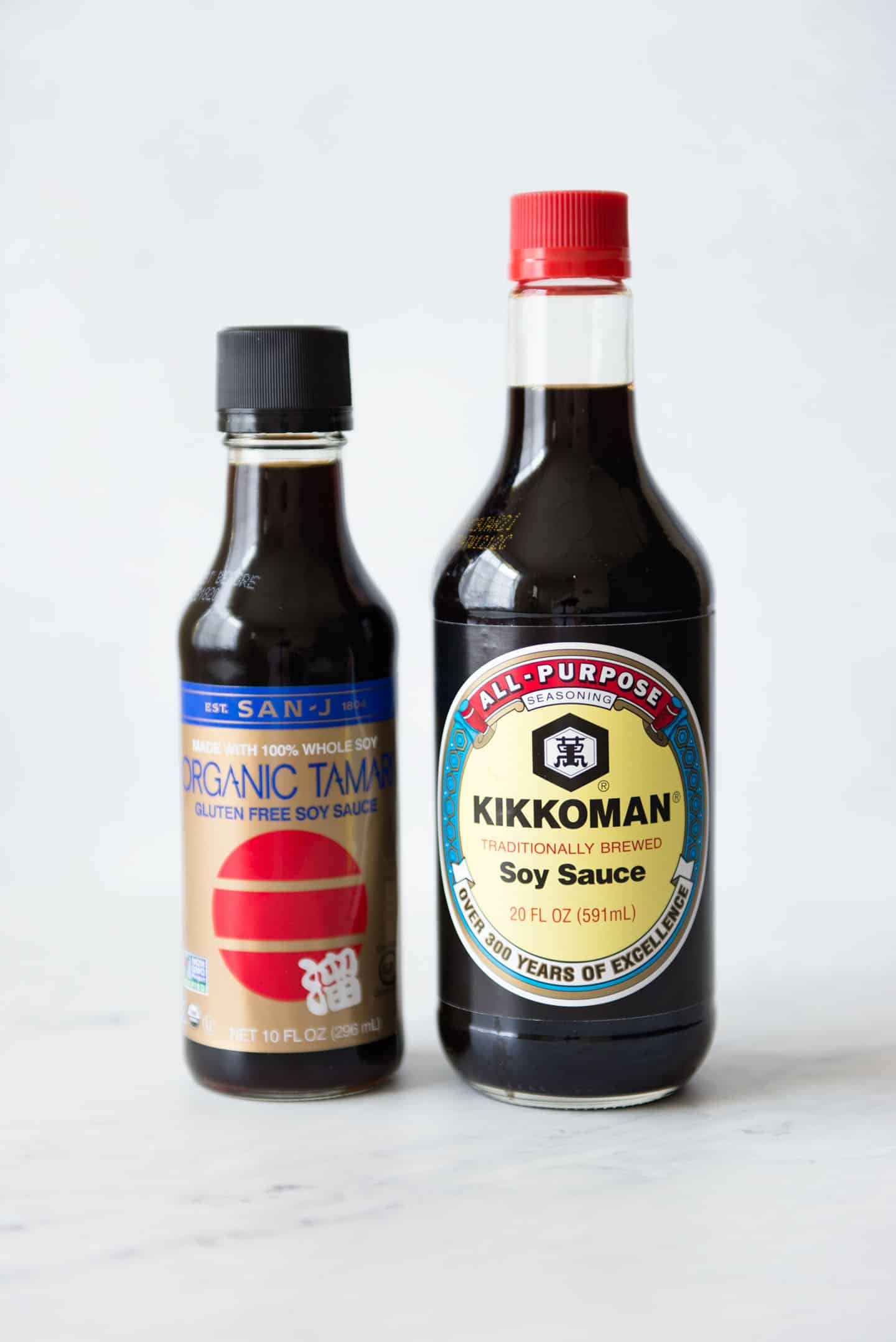
These visual attributes are part of the brand’s silent communication, setting expectations and confirming the product’s identity before consumption.
Mouthfeel and Brand Consistency
Beyond taste and sight, the texture or mouthfeel contributes to the overall sensory brand experience.
- Soy Sauce’s Smooth Finish: Traditional soy sauce typically has a smooth, relatively light consistency, which allows it to blend seamlessly into dishes. This contributes to its versatility and ease of use in various culinary applications, reinforcing its brand as an adaptable enhancer.
- Tamari’s Fuller Body: Tamari can sometimes have a slightly thicker, more viscous mouthfeel, which aligns with its richer flavor and higher soybean content. This “fuller body” can contribute to a perception of richness and substance, again supporting the brand’s positioning as a more robust or concentrated option.
Maintaining consistency in these sensory attributes is crucial for brand loyalty. Consumers expect a certain taste, look, and feel from their chosen brand, and deviations can erode trust and preference.
Market Positioning and Brand Strategy: Targeting Specific Niches
The distinct characteristics of Tamari and soy sauce naturally lend themselves to different market positioning strategies, allowing brands to target specific consumer segments and fulfill particular culinary needs.
The Gluten-Free Imperative: Tamari’s Strategic Advantage
The most significant strategic advantage for Tamari brands lies in the burgeoning gluten-free market. As awareness of celiac disease and gluten sensitivity grows, and as more consumers adopt gluten-free diets by choice, Tamari’s natural wheat-free composition becomes a powerful selling point.
- Direct Marketing to Dietary Needs: Tamari brands prominently feature “Gluten-Free” certifications on their packaging, making it an immediate identifier for this niche. This direct messaging removes guesswork for consumers with dietary restrictions, positioning Tamari as a safe and reliable choice where traditional soy sauce is not.
- Educational Campaigns: Brands often engage in educational marketing, highlighting the difference between Tamari and shoyu specifically in terms of gluten content, thereby establishing their product as the superior, health-conscious alternative for a particular demographic. This not only sells Tamari but also helps to define the broader category.
- Brand Loyalty from a Vulnerable Segment: For consumers managing dietary restrictions, finding trusted, delicious alternatives is paramount. Tamari brands that consistently deliver on their gluten-free promise can cultivate extremely strong brand loyalty within this segment.
This strategic focus allows Tamari to occupy a distinct and valuable space in the condiment aisle, differentiated not just by flavor but by a critical health attribute.
Culinary Applications: Influencing Professional and Home Cook Choices
The flavor profiles and textures of Tamari and soy sauce also guide their optimal culinary uses, influencing how chefs and home cooks choose between them, which in turn informs brand positioning.
- Soy Sauce as the Everyday Enhancer: Mainstream soy sauce brands emphasize versatility. Their products are positioned as ideal for general seasoning, stir-fries, marinades, and dipping sauces where a balanced, less assertive umami is desired. The brand message is often about enhancing the natural flavors of food without overshadowing them.
- Tamari for Depth and Specificity: Tamari brands, with their bolder flavor, can be positioned for specific applications where a rich, concentrated umami hit is needed. This might include darker marinades, glazes, or dishes where its robust character is intended to stand out. It also finds a strong following in macrobiotic and natural food communities, where its traditional origins and often organic variants resonate. This allows Tamari brands to target a more discerning or niche culinary audience, positioning their product as a “secret ingredient” for advanced cooking.
Brands often provide recipe suggestions or highlight chef endorsements to guide consumers on the best uses for each product, reinforcing their distinct roles in the kitchen.
Premiumization and Artisanal Branding: Carving Out Value
Both categories have opportunities for premiumization, but they often approach it from different angles.
- Soy Sauce Premiumization: For soy sauce, premium brands might emphasize extended fermentation times, special regional ingredients, or artisanal small-batch production. Their brand story focuses on an elevated experience of a familiar product, appealing to those willing to pay more for exceptional quality and refined taste.
- Tamari Artisanal Niche: Tamari, by its nature, already leans towards a more specialized, often premium, perception due to its gluten-free status and bolder flavor. Premium Tamari brands can further leverage this by focusing on organic ingredients, non-GMO certifications, and traditional brewing methods (like those still linked to miso production), appealing to health-conscious gourmands who value both purity and intense flavor.
By strategically aligning product characteristics with specific market needs and desired brand perceptions, both Tamari and soy sauce brands successfully carve out unique spaces, proving that differentiation, even in a seemingly simple condiment, is key to market success.
Building Brand Loyalty: Beyond the Bottle
Ultimately, the goal of any brand strategy is to cultivate lasting loyalty. For Tamari and soy sauce, this involves more than just consistent taste; it encompasses storytelling, aligning with consumer values, and adapting to an evolving marketplace.
Brand Storytelling and Authenticity
Both categories benefit immensely from compelling brand stories.
- Soy Sauce’s Legacy of Tradition: Brands like Kikkoman leverage their long history, family heritage, and global reach to convey a sense of reliability and trusted tradition. Their brand story is one of consistent quality passed down through generations, making them a household name.
- Tamari’s Narrative of Purity and Craft: Tamari brands often focus on the purity of ingredients (soybeans, salt, water), the traditional process linked to miso, and the benefits of being gluten-free. Their story is one of conscious choice, health, and a distinct, artisanal approach to fermentation.
Authenticity in storytelling resonates deeply with consumers today, forging an emotional connection that transcends mere product features.
Health and Wellness Claims: A Modern Brand Pillar
In an increasingly health-conscious world, claims related to wellness are powerful brand differentiators.
- Tamari’s Clear Health Advantage: Tamari’s primary health claim is its gluten-free nature, which is a non-negotiable for a significant portion of the population. This allows Tamari brands to position themselves as a healthy, safe alternative.
- Beyond Gluten-Free: Both types of sauces can also leverage other health-related claims, such as “low sodium” versions, “organic,” “non-GMO,” or “naturally brewed,” appealing to broader wellness trends. These claims contribute to a positive brand image, portraying the brand as responsible and attentive to consumer well-being.
By aligning their products with prevailing health trends, brands can tap into a powerful motivator for consumer choice and build a reputation for mindful production.
The Evolving Landscape: Innovation and Future Brand Trajectories
The condiment market is not static. Brands must continually innovate and adapt to maintain relevance and loyalty.
- New Formulations: We see innovations like lower-sodium versions, organic variants, or even blends with other flavors (e.g., ponzu, garlic soy sauce) within both categories. These innovations cater to evolving consumer preferences and create new product lines that expand brand reach.
- Sustainability Messaging: Increasingly, brands are incorporating sustainability into their narrative, highlighting ethical sourcing, eco-friendly packaging, or sustainable production methods. This aligns with environmentally conscious consumers and strengthens brand reputation.
- Digital Engagement: Leveraging digital platforms for recipes, educational content, and direct consumer interaction helps build a community around the brand, fostering loyalty beyond the product itself.
In conclusion, the perceived “difference” between Tamari and soy sauce is far more than a culinary detail; it’s a testament to effective brand strategy. From their distinct origins and ingredient profiles to their sensory attributes and targeted market positioning, each condiment has successfully carved out its own unique identity. For brands in the food industry, understanding these nuanced differentiations is crucial for developing compelling narratives, appealing to specific consumer segments, and ultimately, building enduring loyalty in a crowded marketplace.
aViewFromTheCave is a participant in the Amazon Services LLC Associates Program, an affiliate advertising program designed to provide a means for sites to earn advertising fees by advertising and linking to Amazon.com. Amazon, the Amazon logo, AmazonSupply, and the AmazonSupply logo are trademarks of Amazon.com, Inc. or its affiliates. As an Amazon Associate we earn affiliate commissions from qualifying purchases.