
To the casual observer, asking “What’s LeBron James’ number?” might seem like a straightforward query, easily answered with a quick search. However, for those invested in understanding the intricate world of personal branding, sports marketing, and the enduring legacy of an icon, this seemingly simple question unlocks a fascinating case study. LeBron James’ jersey numbers – primarily #23 and #6 – are not arbitrary digits. They are deeply embedded brand assets, strategic identifiers that have mirrored the evolution of his career, his teams, and his unparalleled personal brand. Far from being mere athletic distinctions, these numbers serve as powerful symbols, narrative anchors, and tangible extensions of one of the most influential figures in global sports.
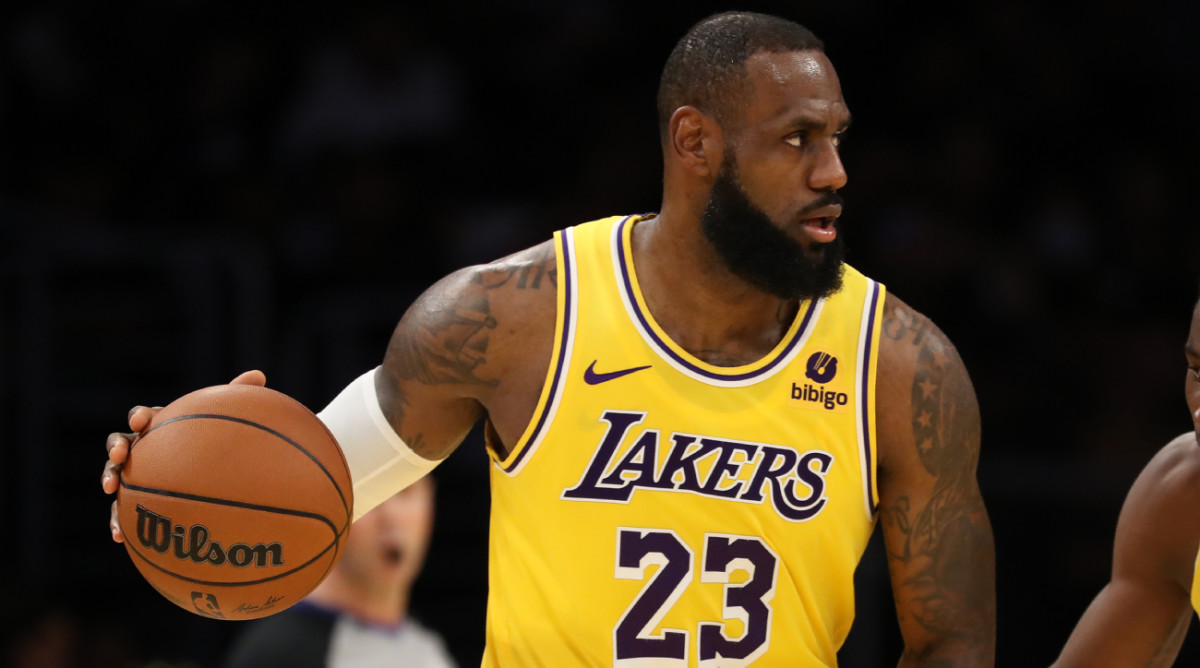
In the realm of personal branding, particularly for athletes of LeBron’s stature, every visual element, every choice, and every piece of associated memorabilia contributes to a cohesive, recognizable, and marketable identity. His jersey numbers are not just how fans identify him on the court; they are woven into the fabric of his merchandise, his digital footprint, and the very narrative arc of his career. Understanding the significance behind “his number” is to understand a cornerstone of strategic brand management for an athlete whose influence transcends the game of basketball.
The Evolution of an Icon’s Numerals: A Journey Through Brand Identity Shifts
LeBron James’ career has been marked by distinct phases, each accompanied by significant achievements, team changes, and, notably, alterations to his jersey number. These shifts are rarely coincidental; they are often deliberate brand statements, signaling new chapters, paying homage, or aligning with broader strategic objectives.
From High School Prodigy to NBA Royalty: The Genesis of #23
LeBron James first burst onto the national scene wearing #23 for St. Vincent-St. Mary High School. This choice was far from random; it was a direct homage to Michael Jordan, the undisputed king of basketball at the time, and the player LeBron openly admired and sought to emulate. By adopting #23, LeBron wasn’t just picking a number; he was subtly (or perhaps overtly) aligning his nascent brand with greatness. It was a statement of aspiration, a declaration of intent to walk in the footsteps of the very best. As he transitioned to the NBA with the Cleveland Cavaliers in 2003, he carried #23 with him, cementing it as his initial professional identity. This number became synonymous with “The Chosen One,” the hometown hero destined to bring a championship to Cleveland. For nearly seven seasons, #23 became an inseparable part of the LeBron James brand in Cleveland, representing youthful exuberance, incredible talent, and the promise of future glory. It was the foundation of his inaugural NBA brand identity.
The Miami Era: Reinvention and the Rise of #6
In 2010, LeBron James made the controversial “Decision” to leave Cleveland and join the Miami Heat, forming a “Big Three” with Dwyane Wade and Chris Bosh. This move was a seismic shift, not just for his career but for his brand. Seeking a fresh start and aiming to avoid direct comparisons to Michael Jordan, who had retired with #23 immortalized, LeBron announced he would switch his number to #6. This wasn’t merely a change; it was a conscious brand repositioning. The rationale included honoring Michael Jordan by suggesting that #23 should be retired league-wide, but it also served a deeper purpose: to signal a new era, a new team dynamic, and a new phase of his career where he would forge his own legacy distinct from his idol’s.
Number #6 carried its own significance for LeBron. It was his number during the Olympics with Team USA, symbolizing national pride and collective achievement. In Miami, #6 represented a new, more mature LeBron – a player focused on team success, adaptability, and winning championships through collaboration. This period saw him win two NBA titles and two MVP awards, firmly establishing #6 as the emblem of his dominance during the “Heatles” era. The branding around #6 was about evolution, team-first mentality, and the forging of a new, distinct legacy.
The Return to Cleveland and the Lakers Legacy: Reclaiming #23, Then Back to #6 – A Strategic Play
LeBron’s return to the Cleveland Cavaliers in 2014 was a powerful brand narrative of homecoming and redemption. With this emotional return, he also reclaimed his iconic #23. This switch was a masterstroke of brand nostalgia and continuity. It symbolized “finishing what he started” and fulfilling the promise he had made to his home state. The #23 jersey, now imbued with the maturity and experience gained in Miami, became the banner under which he delivered on that promise, famously bringing Cleveland its first NBA championship in 2016. The brand message here was clear: legacy, loyalty, and redemption.
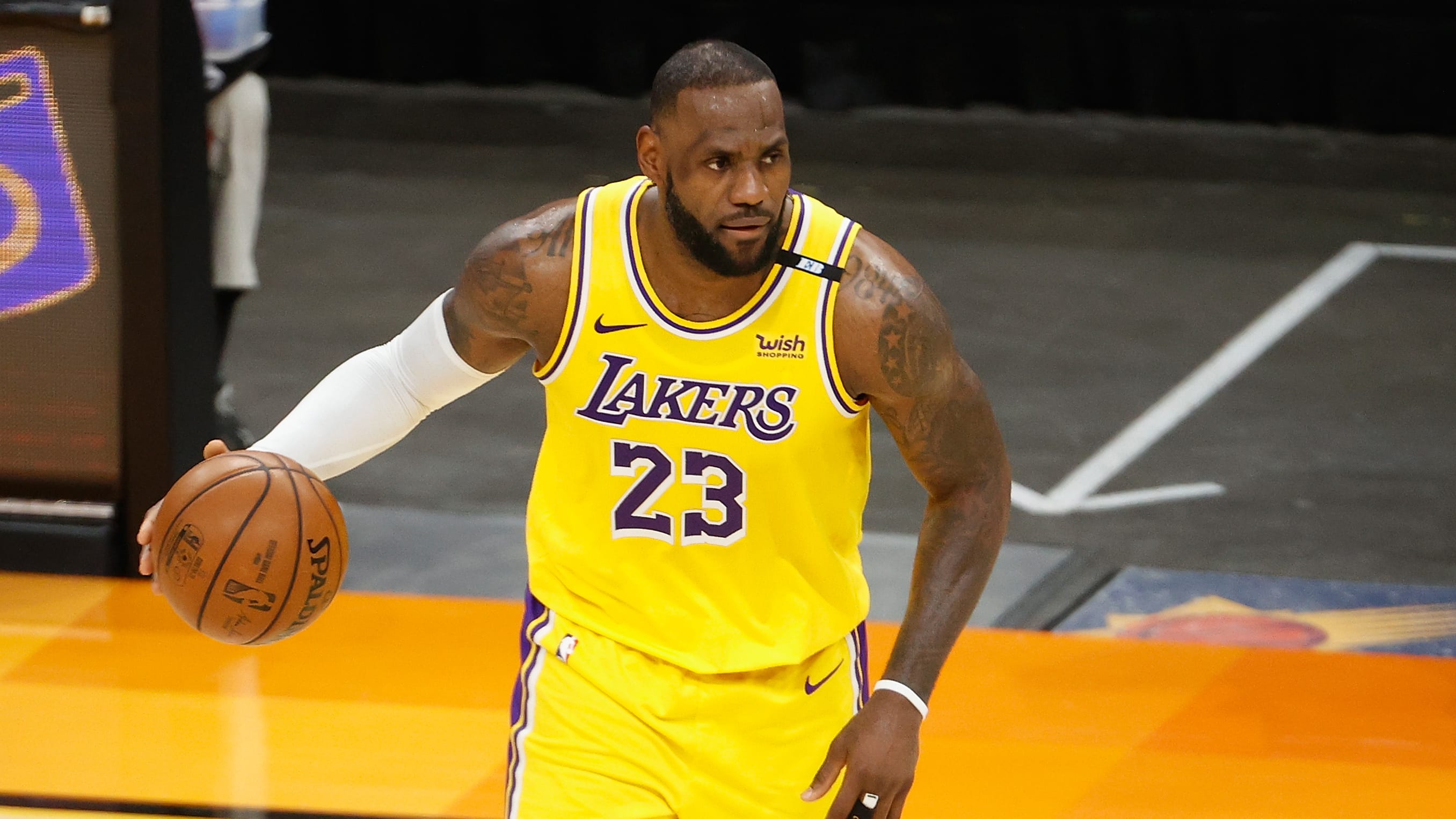
Upon joining the Los Angeles Lakers in 2018, LeBron initially continued to wear #23, maintaining that consistent branding with his post-Miami era. However, in 2021, he made another switch, this time back to #6, for the release of his movie “Space Jam: A New Legacy,” where he wore #6. This temporary shift underscored how his number could be leveraged for cross-promotional brand synergy. Following this, he was expected to switch back to #23 for the 2023-2024 season. The continuous, strategic oscillation between #23 and #6 highlights a dynamic and adaptable personal brand, one that understands the power of symbolism and storytelling in maintaining relevance and connecting with different phases of his career and external ventures. The final permanent switch back to #23 in 2023 was motivated by the NBA’s decision to retire #6 league-wide in honor of Bill Russell, a move that allowed LeBron to further solidify his initial brand identity without conflicting with league-wide tributes.
Beyond the Jersey: The Number as a Core Brand Asset
LeBron James’ jersey numbers extend far beyond the literal fabric of his uniform. They are powerful brand assets that permeate various aspects of his career, contributing significantly to his overall marketability, fan engagement, and enduring legacy.
Merchandising and Memorabilia: The Tangible Brand Extension
Perhaps the most obvious way a player’s number functions as a brand asset is through merchandising. LeBron’s #23 and #6 jerseys have consistently been among the top-selling sports apparel globally. These numbers are instantly recognizable symbols that drive the sales of not just jerseys, but also T-shirts, hats, shoes, and a vast array of collectibles. For brand strategists, the number is a powerful marketing tool:
- Instant Identification: It’s a shorthand for the athlete, allowing fans to quickly identify and connect with their idol.
- Brand Value: The market value of LeBron’s numbered merchandise contributes directly to his personal brand’s financial strength and licensing appeal.
- Consumer Loyalty: Wearing a specific numbered jersey signifies fan loyalty and a direct affiliation with the athlete’s brand. Each number switch, while potentially causing some confusion, also generates renewed interest and sales for new iterations of his merchandise.
Digital Identity and Fan Engagement: Building a Community Around Numbers
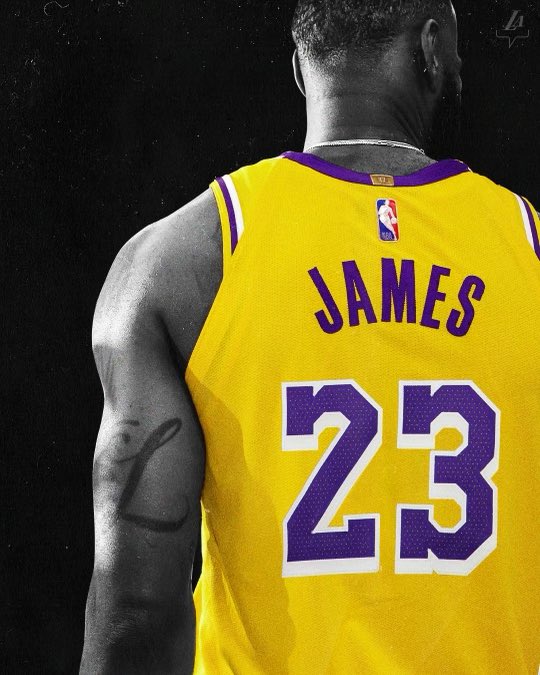
In the digital age, an athlete’s online presence is crucial for brand building. LeBron’s numbers play a vital role in his digital identity and fan engagement strategies. His social media handles, fan accounts, and hashtags often incorporate his current or past numbers. Fans use these numbers to tag him, create content, and form communities around his achievements.
- Hashtags: #KingJames23 or #LBJ6 instantly recall specific eras and foster community engagement.
- Online Avatars: Digital representations of LeBron frequently feature his numbers, reinforcing his brand across virtual platforms.
- Collectible NFTs: In the booming world of digital collectibles, numbered moments and digital jerseys featuring LeBron’s digits become highly coveted assets, further extending the brand’s reach into new technological frontiers.
Storytelling and Narrative Arc: The Number as a Chronicle of a Career
Each of LeBron’s numbers tells a distinct chapter of his legendary career. They are not merely identifiers but loaded symbols that evoke specific memories, triumphs, and challenges.
- #23 (Cleveland 1.0): The prodigy, the promise, the “Chosen One.”
- #6 (Miami): The mercenary, the champion, the mature leader.
- #23 (Cleveland 2.0): The redeemer, the promise fulfilled, the hometown hero.
- #23 (Lakers): The Hollywood star, the elder statesman, the championship contender.
These numbers serve as a narrative shorthand, allowing fans and commentators to reference distinct phases of his journey. They make his complex career history digestible and emotionally resonant, reinforcing the power of brand storytelling through consistent, yet evolving, iconography.
The Broader Implications: Numbers as Pillars of Sports Branding
LeBron James’ journey with his jersey numbers provides a compelling microcosm of how numbers function as crucial elements within the broader landscape of sports branding, impacting legacy, team identity, and the symbiotic relationship between individual and corporate brands.
Legacy and Retirement: Elevating a Number to Iconic Status
For sports legends, their numbers often transcend individual careers to become hallowed symbols. Michael Jordan’s #23, Kobe Bryant’s #8 and #24, and Bill Russell’s #6 (now retired league-wide) are prime examples. These numbers are no longer just arbitrary digits; they represent an era of dominance, a specific playing style, and an indelible legacy. LeBron’s #23 and #6 are on a similar trajectory to achieving this iconic status. The eventual retirement of these numbers by his former teams (Cavaliers, Heat, Lakers) will be the ultimate testament to their brand power. It signifies that the player’s brand has become so intertwined with the team’s identity that their numerical representation becomes a permanent fixture in the franchise’s history, a constant reminder of greatness.
Team Identity vs. Personal Brand: A Symbiotic Relationship
A player’s number contributes significantly to both their personal brand and the brand identity of the team they play for. With LeBron, his numbers have become synonymous with the teams he represented during his championship runs.
- Cleveland Cavaliers + #23: This combination evokes images of “The Shot” and the 2016 championship.
- Miami Heat + #6: This pairing brings to mind the “Big Three” era and back-to-back titles.
- Los Angeles Lakers + #23: This connects to the “bubble” championship and the revitalization of a storied franchise.
This symbiosis demonstrates how a powerful personal brand, symbolized by an iconic number, can elevate a team’s brand, generating increased viewership, merchandise sales, and historical significance. Conversely, playing for iconic franchises like the Lakers further amplifies the player’s own brand value and recognition.
Navigating Brand Evolution: Lessons from LeBron’s Number Changes
LeBron James’ strategic shifts in jersey numbers offer invaluable insights for understanding adaptability, consistency, and the power of symbolism in brand management.
Adaptability and Strategic Repositioning
LeBron’s journey demonstrates that even the most established personal brands can, and sometimes should, adapt their core identifiers. His switches from #23 to #6 and back were not capricious but calculated moves to:
- Signal New Beginnings: The Miami #6 represented a clear break and a new challenge.
- Reconnect with Roots: The return to #23 in Cleveland was a powerful narrative of homecoming.
- Align with External Ventures: The temporary switch to #6 for “Space Jam” showcased brand synergy.
This adaptability highlights the importance of strategic repositioning, allowing a brand to remain relevant, tell new stories, and align with evolving career phases without diluting its fundamental strength.
Consistency vs. Flexibility in Brand Identity
While branding often emphasizes consistency, LeBron’s number changes illustrate that strategic flexibility, when managed effectively, can be a strength. The key is that each change was underpinned by a clear rationale and communicated within a compelling narrative. It wasn’t arbitrary; it was purposeful. This teaches brands that while core values and identity should remain consistent, specific visual or numerical identifiers can evolve to reflect growth, change, or new strategic objectives, as long as the underlying brand story remains strong and coherent. The ability to articulate why a change is happening is paramount.
The Power of Story and Symbolism
Ultimately, LeBron’s numbers are potent because they are loaded with story and symbolism. They are shorthand for his triumphs, challenges, and the various chapters of his remarkable career. For any brand, whether personal or corporate, understanding that symbols are not just static images but carriers of meaning, emotion, and history is crucial. These numerical symbols have helped to craft a rich, multi-layered narrative around LeBron James, allowing fans to connect with him on a deeper, more emotional level. They are a testament to how even the simplest identifier can become a profound element of brand communication.
Conclusion: The Enduring Brand of “The King”
The question “what’s LeBron James’ number?” unravels into a rich tapestry of brand strategy, illustrating how a seemingly minor detail can hold immense power in shaping an icon’s identity. From the aspirational #23 of his youth to the championship-laden #6 and back again, LeBron’s jersey numbers have served as dynamic markers of his journey, embodying his evolution, his strategic repositioning, and his enduring quest for greatness. These digits are not just how we identify him on the court; they are integral components of his personal brand, driving merchandising, fueling fan engagement, and anchoring the narrative of one of the greatest athletes of all time. LeBron James’ masterful stewardship of his numerical identity stands as a compelling case study in professional branding, demonstrating that for a true icon, every detail, even a simple number, is a carefully curated piece of an unparalleled legacy.
aViewFromTheCave is a participant in the Amazon Services LLC Associates Program, an affiliate advertising program designed to provide a means for sites to earn advertising fees by advertising and linking to Amazon.com. Amazon, the Amazon logo, AmazonSupply, and the AmazonSupply logo are trademarks of Amazon.com, Inc. or its affiliates. As an Amazon Associate we earn affiliate commissions from qualifying purchases.