
To ask “what’s in a Hawaiian pizza?” is to pose a question that transcends mere culinary ingredients. It’s an inquiry that delves deep into the fascinating world of product identity, brand strategy, and the unpredictable dynamics of consumer perception. Far from being just a simple combination of ham, pineapple, and cheese on a dough base, the Hawaiian pizza stands as a powerful, albeit often controversial, case study in branding. It embodies how a unique concoction can carve out a distinct niche, provoke passionate debate, and ultimately achieve enduring global recognition – becoming more than just a meal, but a bona fide cultural icon.
In the realm of branding, a product’s “ingredients” extend beyond its physical components. They encompass its origin story, its name, its visual appeal, its sensory experience, and the emotional responses it elicits. The Hawaiian pizza, with its polarizing sweet-and-savory profile, its evocative yet misleading name, and its steadfast presence in global menus, offers a rich tapestry for examining these broader branding concepts. This article will dissect the various “ingredients” that constitute the brand phenomenon of Hawaiian pizza, exploring how a seemingly simple dish became a masterclass in brand building, sustained by controversy, nurtured by community, and solidified by an unforgettable identity.
The Anatomy of a Controversial Brand Icon
Every iconic brand has a foundational structure, a set of core components that define its essence. For Hawaiian pizza, these components are not just the toppings themselves, but the strategic implications and brand narratives inherent in their selection and combination. Its very existence challenges conventional wisdom, demonstrating how breaking norms can, paradoxously, be a potent brand differentiator.
Dissecting the Core Ingredients: Ham, Pineapple, and Cheese
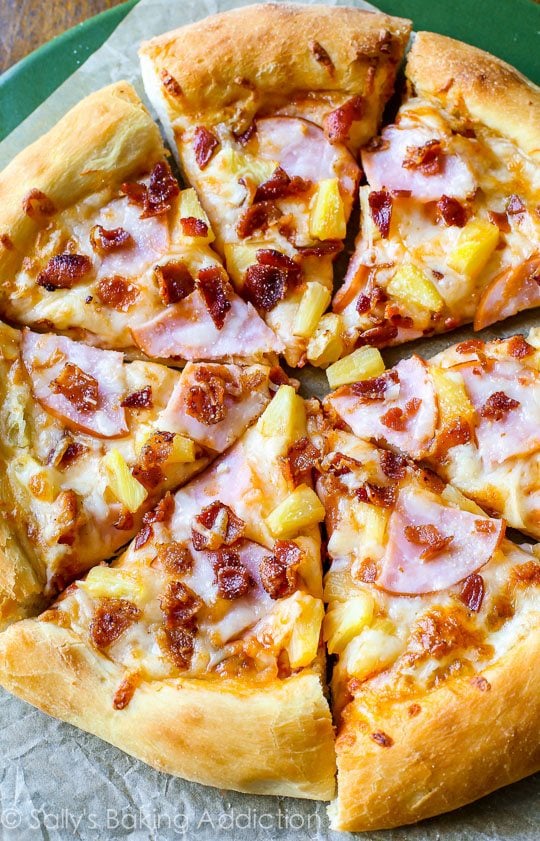
The literal ingredients – ham, pineapple, and cheese – are the foundational building blocks, but their branding power lies in their interplay. Ham, typically cooked or cured, offers a salty, savory counterpoint, a familiar protein base that grounds the pizza in traditional expectations. It provides the umami, the richness that makes it a satisfying meal. From a branding perspective, ham represents consistency and a widely accepted flavor profile, ensuring a degree of familiarity.
Pineapple, however, is the true game-changer and the heart of the Hawaiian pizza’s brand identity. Its sweet, tangy, and acidic profile, when heated, introduces a burst of juiciness and an unexpected flavor dimension that sharply divides opinion. This fruit is not merely an ingredient; it is a statement. It transforms a standard pizza into something polarizing, forcing consumers to have a strong opinion. In marketing, strong opinions—even negative ones—are invaluable for generating discussion, increasing visibility, and creating memorable experiences. The pineapple is the “disruptor” ingredient, the element that prevents the brand from being bland or forgettable.
Finally, the cheese and tomato sauce serve as the universal pizza canvas, providing a familiar and comforting backdrop against which the ham and pineapple perform their unique duet. These are the “enablers,” ensuring that despite its eccentricities, the Hawaiian pizza still feels fundamentally like a pizza. Without this familiar base, the innovation might be too alienating; with it, the brand achieves a delicate balance between novelty and tradition. The combination of these three elements is not accidental; it’s a masterstroke in creating a distinct product identity that is immediately recognizable and endlessly debatable.
From Invention to Global Phenomenon: A Branding Origin Story
The story of the Hawaiian pizza, though often misattributed to Hawaii, truly began in Chatham, Ontario, Canada, with Greek-Canadian restaurateur Sam Panopoulos in 1962. His decision to experiment with canned pineapple on a pizza was driven by a desire for novelty in a menu dominated by standard fare. This act of culinary innovation, seemingly minor at the time, laid the groundwork for a global brand.
Panopoulos wasn’t consciously devising a brand strategy, but his creation stumbled upon several key branding principles. Firstly, differentiation: in a market saturated with pepperoni and mushroom pizzas, a pineapple-topped option was undeniably unique. This distinctiveness immediately captured attention. Secondly, naming: while the “Hawaiian” moniker was adopted for no direct link to the islands (perhaps inspired by the pineapple or the brand of ham he used), it imbued the product with an exotic, aspirational quality. The name itself became a powerful marketing tool, evoking images of tropical paradise, even if geographically inaccurate. This accidental yet brilliant branding decision allowed the product to transcend its humble origins and become a global sensation, demonstrating how a compelling origin story—even one embellished or simplified over time—can significantly contribute to a brand’s mystique and appeal.
The Power of Polarization in Brand Building
One of the most remarkable aspects of the Hawaiian pizza’s brand journey is its sustained relevance, fueled paradoxically by its polarizing nature. In an increasingly crowded marketplace, merely being “good” is often not enough; being “unforgettable” – even if divisive – can be far more effective for brand recognition.
Love It or Hate It: The Unintended Marketing Genius
The Hawaiian pizza exists in a unique space: it’s either fiercely loved or vehemently loathed, with very little neutral ground. This extreme dichotomy is, in fact, an unintended stroke of marketing genius. Brands often strive for universal appeal, fearing alienation. However, Hawaiian pizza demonstrates that intense division can generate significant buzz and mindshare. When people passionately argue for or against a product, they are actively engaging with its brand. This engagement translates into discussions, mentions, and ultimately, free publicity.
This phenomenon is akin to “Marmite brands” – products that famously polarize consumers, eliciting strong emotional responses. Marmite’s slogan, “Love it or hate it,” perfectly encapsulates this strategy. For Hawaiian pizza, this constant debate keeps it in the cultural conversation. Every celebrity who declares their disdain (or affection), every social media poll, every family dinner discussion about pizza toppings, reinforces the Hawaiian pizza’s brand presence. This isn’t just passive brand awareness; it’s active, emotional brand recall, which is far more potent. It means the brand consistently occupies a spot in the consumer’s consciousness, even if that spot is one of intense dislike.
Cultivating Community Around a Controversial Product
Beyond individual preferences, the polarizing nature of Hawaiian pizza has fostered distinct communities. Online forums, social media groups, and even real-world gatherings often see spirited debates about its merits. Supporters rally together, sharing memes, testimonials, and arguments in its defense, forming a subculture of “pineapple on pizza” enthusiasts. Conversely, detractors bond over their shared aversion, finding camaraderie in their collective condemnation.
This creation of “camps” is invaluable for brand building. It gives people a reason to talk about the product, to identify with a group, and to feel a sense of belonging. For brands, fostering community is a cornerstone of long-term success. It moves the relationship beyond a transactional purchase to an emotional connection. Whether you’re part of the “pro-pineapple” or “anti-pineapple” faction, you’re interacting with the Hawaiian pizza brand, contributing to its narrative, and inadvertently, ensuring its continued relevance. This level of sustained social engagement is something many brands spend millions trying to achieve, yet for Hawaiian pizza, it happened organically, fueled by its inherent divisiveness.
Beyond Ingredients: Crafting a Distinct Product Identity
A robust brand identity extends far beyond what’s physically “in” a product. It encompasses the stories we tell about it, the emotions it evokes, and the entire sensory and intellectual experience associated with it. Hawaiian pizza excels at this, weaving a compelling identity that is greater than the sum of its parts.

The Name Itself: Evoking a Sense of Place and Escape
The name “Hawaiian pizza” is a masterclass in evocative branding. Despite having no genuine connection to the Hawaiian islands, the name conjures images of tropical paradises, sunny beaches, and a relaxed, vacation-like atmosphere. This association imbues the pizza with an aspirational quality, transforming a simple meal into a mini-escape. Consumers aren’t just ordering a pizza with ham and pineapple; they’re ordering a slice of “Hawaiian” escapism.
This strategy highlights the power of naming and association in branding. A well-chosen name can tap into existing cultural narratives and desires, adding layers of meaning to a product. The term “Hawaiian” instantly differentiates it from other pizzas, lending it a unique exoticism. It’s a branding shortcut that communicates warmth, sweetness, and a touch of the unconventional, all without needing to explicitly describe its taste. This ability to evoke a powerful sense of place and experience through a single word is a significant “ingredient” in the Hawaiian pizza’s enduring brand success.
Visual & Experiential Branding: What Does a Hawaiian Pizza “Look” Like?
Beyond the taste and name, the visual and experiential aspects are critical to its brand identity. A Hawaiian pizza is instantly recognizable: the vibrant yellow of pineapple chunks standing out against the red of tomato sauce and the creamy white of melted cheese. This distinct visual signature makes it memorable and easy to identify, whether in a menu, on a plate, or in a photograph. In a visually driven world, this strong visual identity is a powerful branding asset.
The experience of eating a Hawaiian pizza is equally distinctive. It’s the surprising burst of sweetness and acidity from the pineapple contrasting with the savory ham and gooey cheese. It’s the unique texture, the juiciness that some adore and others find off-putting. This multi-sensory experience – sight, taste, texture – contributes to a comprehensive product identity that is hard to forget. Brands thrive on creating unique experiences, and Hawaiian pizza, through its distinctive flavor profile and visual appeal, delivers a consistent and highly memorable one, ensuring it remains etched in the consumer’s mind.
Lessons in Brand Longevity and Adaptation
For a brand to achieve true longevity, it must not only establish a strong initial identity but also demonstrate an ability to remain relevant in an ever-changing market. The Hawaiian pizza has proven its resilience, adapting and enduring through various culinary trends and shifts in consumer preferences.
Enduring Relevance in a Dynamic Market
In the fickle world of food trends, many products rise and fall with astonishing speed. Yet, the Hawaiian pizza has maintained its appeal for over six decades, resisting the ebb and flow of culinary fads. Its secret lies in its robust and self-sustaining brand identity. While new, gourmet, or health-conscious pizza options continuously emerge, Hawaiian pizza continues to be a staple on menus worldwide.
This enduring relevance is a testament to the power of a clearly defined, even if controversial, brand. It doesn’t try to be everything to everyone; instead, it doubles down on what makes it unique. This steadfast identity shields it from the pressures of needing to constantly reinvent itself. It proves that sometimes, simply being consistently itself is the most effective strategy for longevity. Its status as a “classic” or “comfort food” further solidifies its place, making it a reliable choice for consumers who seek familiarity amidst novelty.
The Role of Customization and Personalization
While Hawaiian pizza has a strong standard definition, its fundamental components allow for subtle customization and personalization by individual pizzerias or even consumers. A restaurant might use smoked ham instead of standard, or fresh pineapple instead of canned, or incorporate different cheese blends. These variations, while tweaking the specifics, remain within the established brand parameters of “Hawaiian pizza.”
This adaptability is crucial for maintaining relevance. It allows brands (the pizzerias that offer it) to put their unique spin on a classic, catering to local tastes or premium markets, without diluting the core brand identity. This flexibility enables the brand to be both a consistent, recognizable item and a canvas for innovation, allowing it to remain fresh and engaging for different market segments and evolving palates. The ability to be both an unyielding icon and a flexible framework is a significant “ingredient” in its long-term brand success.
The Future of a Food Icon: Sustaining Brand Resonance
What does the future hold for a brand as established and debated as the Hawaiian pizza? Sustaining resonance in the digital age requires ongoing engagement, strategic evolution, and a keen understanding of cultural shifts.
Innovation and Evolution: Modern Takes on a Classic
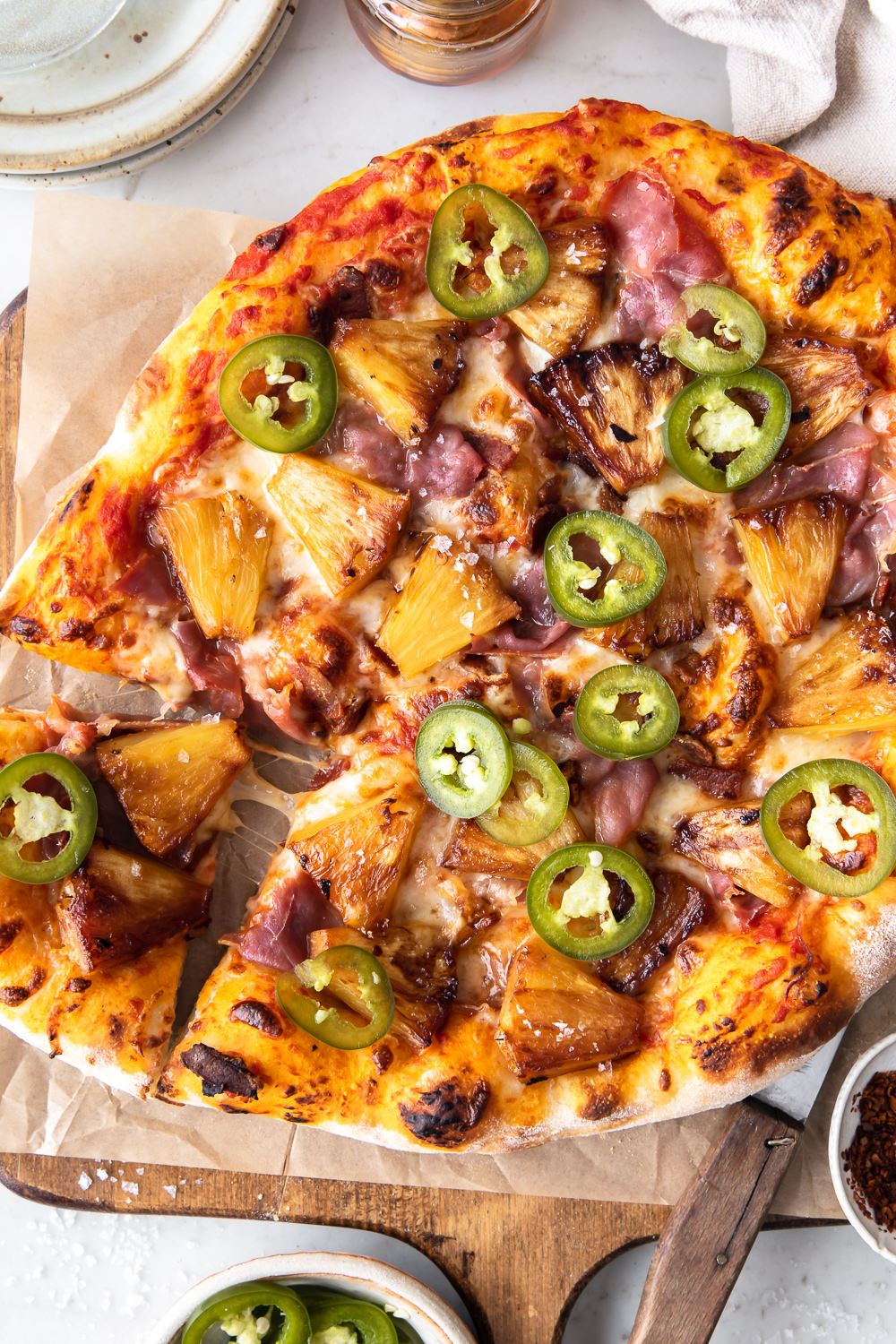
Even iconic brands need to explore innovation to prevent stagnation. For Hawaiian pizza, this doesn’t mean abandoning its core identity but rather finding creative ways to present it. We see this in gourmet versions featuring artisan hams, grilled pineapple, or exotic cheeses, elevating the classic to a more upscale experience. Some establishments experiment with spicy additions like jalapeños, creating a hot-and-sweet profile that appeals to contemporary tastes.
These innovations keep the brand dynamic. They introduce new conversations about the pizza, attract new demographics, and remind existing fans of its versatility. By allowing for controlled evolution, brands can maintain their essence while demonstrating their capacity for growth and adaptability, ensuring they remain relevant and exciting for generations to come.
Engaging New Generations: Social Media and Cultural Commentary
The digital age has proven to be a fertile ground for the Hawaiian pizza brand. Its polarizing nature is perfectly suited for social media, where debates flourish, memes go viral, and opinions are amplified. Every new generation discovers the “controversy” of pineapple on pizza, sparking fresh discussions, challenges, and declarations of allegiance or opposition.
This continuous engagement through social media, online polls, and cultural commentary ensures that the Hawaiian pizza remains a lively and active brand. It’s not just a food item; it’s a talking point, a meme, a shared cultural reference. This organic, user-generated content is an invaluable asset, constantly refreshing its brand image and introducing it to new audiences without requiring massive marketing budgets. As long as there are platforms for people to share their strong opinions, the Hawaiian pizza will continue to thrive as a topic of discussion, cementing its status as an enduring food icon and a brilliant case study in branding.
In conclusion, “what’s in a Hawaiian pizza” is far more than just a list of toppings. It’s a compelling narrative of brand building, where a simple culinary experiment evolved into a globally recognized icon through differentiation, evocative naming, strategic (albeit often accidental) polarization, and a steadfast identity. It teaches us that controversy can be a powerful marketing tool, that a strong identity trumps universal appeal, and that an engaging origin story—even if slightly apocryphal—can forge an unforgettable legacy. The Hawaiian pizza stands as a delicious, debated, and undeniably successful lesson in the art and science of branding.
aViewFromTheCave is a participant in the Amazon Services LLC Associates Program, an affiliate advertising program designed to provide a means for sites to earn advertising fees by advertising and linking to Amazon.com. Amazon, the Amazon logo, AmazonSupply, and the AmazonSupply logo are trademarks of Amazon.com, Inc. or its affiliates. As an Amazon Associate we earn affiliate commissions from qualifying purchases.