
The question “What year did Nike come out?” might seem straightforward, a simple query for a founding date. However, understanding when Nike emerged is not just about a single year; it’s about delving into the foundational ideas, the entrepreneurial spirit, and the strategic decisions that propelled a nascent sports footwear company into a global titan of brand identity and marketing. To truly grasp Nike’s genesis, we must trace its roots beyond a mere launch date and explore the evolving landscape of sports, business, and brand creation that shaped its destiny.
Nike, as we know it today, is a phenomenon built on more than just sneakers. It’s a testament to masterful branding, innovative marketing, and a deep understanding of athletic aspiration. Therefore, to answer the question about its emergence is to embark on a journey into the heart of what makes a brand iconic.
The Genesis: From Blue Ribbon Sports to a New Identity
The story of Nike doesn’t begin with the iconic Swoosh. It starts with a vision, a partnership, and an initial business model that laid the groundwork for future success. Understanding this formative period is crucial to appreciating the evolution into the brand we recognize today.
The Partnership of Knight and Bowerman: A Vision for Athletic Improvement
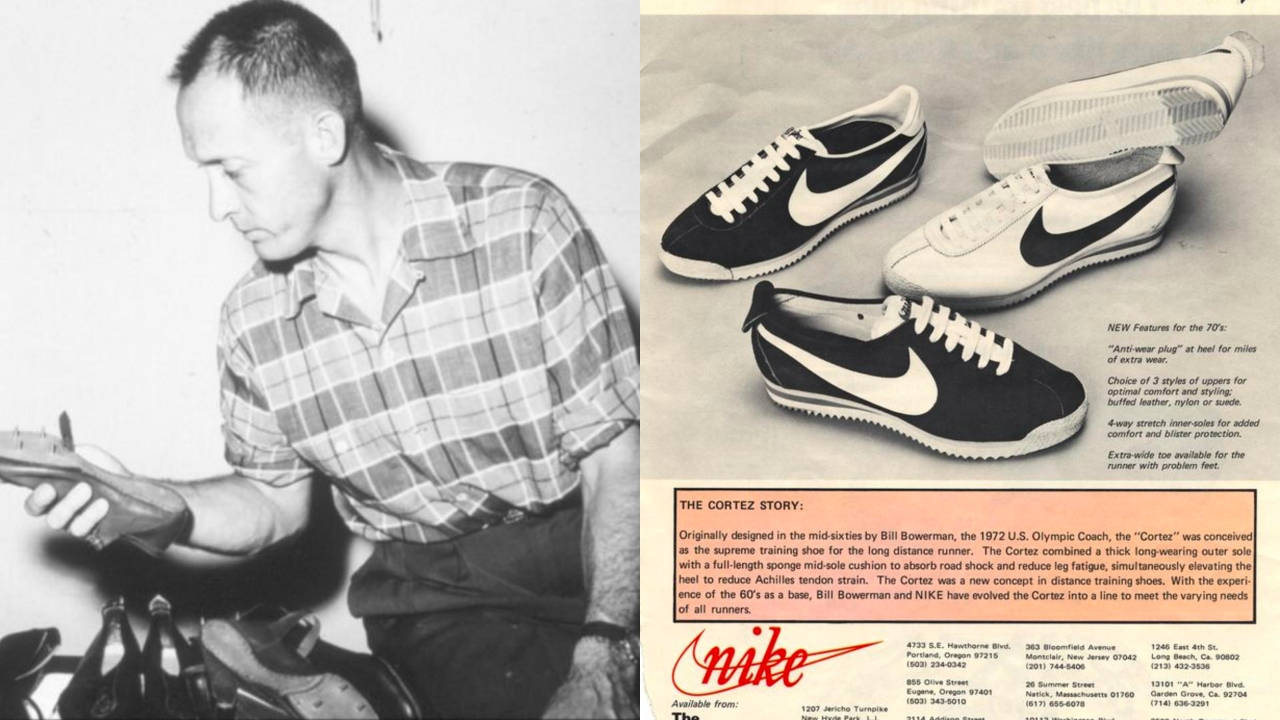
The narrative officially kicks off in 1964, not with Nike, but with Blue Ribbon Sports (BRS). This was the brainchild of Phil Knight, a Stanford University graduate with a passion for running and a belief that high-quality, innovative athletic shoes could be manufactured more affordably by sourcing them from overseas. He famously presented his idea of importing Japanese running shoes to his former track coach, Bill Bowerman, a renowned innovator and coach at the University of Oregon.
Bowerman, already deeply invested in the mechanics of athletic performance, was intrigued. He recognized the limitations of existing footwear and was constantly experimenting with ways to improve speed, comfort, and durability for his athletes. His passion for innovation, combined with Knight’s business acumen and entrepreneurial drive, formed the bedrock of what would eventually become Nike. BRS initially operated as a distributor for Onitsuka Tiger, a Japanese shoe manufacturer. Knight would drive his car, loaded with shoes, to track meets and sell them directly to athletes and coaches. This direct-to-consumer approach, even in its nascent form, provided invaluable feedback and fostered a close connection with the athletic community – a principle that would remain central to Nike’s brand strategy.
Early Innovations and the Quest for a Unique Identity
While distributing Onitsuka Tiger shoes, Bowerman’s experimental spirit was already in full swing. He was famously inspired by his wife’s waffle iron, leading to the development of the iconic “Waffle sole.” This innovative tread pattern, designed to provide superior traction and cushioning, was a significant technological leap in athletic footwear. These early innovations, developed in the spirit of athletic performance enhancement, were crucial in distinguishing BRS from its competitors and demonstrating a commitment to pushing the boundaries of what athletic shoes could be.
However, the relationship with Onitsuka Tiger eventually soured. Disputes over distribution rights and a growing desire for complete creative control led Knight and Bowerman to realize that they needed their own brand. This realization marked a pivotal turning point, moving BRS from a distributor to a manufacturer with its own unique identity. The seeds of Nike, the brand, were being sown during this period of independent innovation and the burgeoning need for a distinct corporate voice.
The Birth of Nike: A Name and a Symbol for a New Era
The transition from Blue Ribbon Sports to Nike was not merely a name change; it was a strategic rebranding that aimed to encapsulate the spirit of victory and athletic prowess. This rebranding was accompanied by the creation of a symbol that would become instantly recognizable worldwide.
The Naming of Nike: Evoking the Goddess of Victory
The search for a new brand name was a critical undertaking. Phil Knight and his early team brainstormed numerous options, seeking something that resonated with the athletic world and conveyed a sense of power and aspiration. The breakthrough came when Jeff Johnson, BRS’s first full-time employee, recalled a dream he had about the Greek goddess of victory, Nike. The name was short, memorable, and directly linked to the very essence of athletic achievement: winning. The choice of “Nike” was inspired, tapping into ancient mythology to imbue the brand with a timeless quality and an aspirational narrative.
The Creation of the Swoosh: A Symbol of Motion and Speed
With the name decided, the next crucial step was to create a visual identity. In 1971, Phil Knight approached Carolyn Davidson, a graphic design student at Portland State University, to design a logo. He reportedly offered her $2 per hour for her work, with the understanding that she would create something that conveyed motion. Davidson experimented with various designs, and eventually presented a series of options. Among them was the now-legendary “Swoosh.”

Knight and his team weren’t initially enthusiastic about the Swoosh. Knight famously remarked, “I don’t love it, but it will grow on me.” This initial, understated reception belies the immense power and recognition the Swoosh would eventually achieve. The simple, dynamic curve of the Swoosh perfectly captured the essence of speed, movement, and athletic grace. It was an abstract yet incredibly potent symbol that would become synonymous with performance, innovation, and the aspirational spirit of sport. Its universal appeal and adaptability across various mediums have solidified its status as one of the most iconic logos in history, a testament to its effective design and the powerful brand it represents.
The Official Launch and Early Years: Establishing a Market Presence
With a new name and a powerful symbol, Nike was officially born and began its journey to carve out a significant space in the competitive athletic footwear market. This period was characterized by strategic product launches, grassroots marketing, and a relentless focus on the athlete.
1972: The Year Nike Entered the Market
While the name and logo were developed in 1971, Nike officially debuted as a brand in 1972. This year marked the release of their first line of athletic shoes under the Nike name. The company was still BRS, but the Nike branding was now prominent on their products. This was the year that the Swoosh began appearing on the heels and tongues of shoes sold to the public, signaling the arrival of a new player in the sports industry. The early Nike products, built upon the foundation of Bowerman’s innovative designs like the Waffle Trainer, began to gain traction among runners and athletes who valued performance and quality.
The early years were not without their challenges. The sports footwear market was already established, with strong competitors. However, Nike differentiated itself through its commitment to innovation and its deep understanding of the athlete’s needs. They continued to invest in research and development, constantly seeking ways to improve shoe technology. This focus on product superiority, combined with a burgeoning marketing strategy that celebrated athletic achievement, allowed Nike to gradually build a loyal following.
Building a Brand Through Athlete Endorsements and Grassroots Marketing
From its inception, Nike understood the power of associating its brand with successful athletes. While their budget was limited in the early days, they strategically partnered with emerging talent and respected figures in the running community. These endorsements were not just about slapping a logo on an athlete; they were about aligning the brand with the very embodiment of athletic excellence.
Furthermore, Nike actively engaged in grassroots marketing. They sponsored local races, supported running clubs, and maintained a direct connection with the running community. This hands-on approach allowed them to gather valuable feedback, understand market trends, and build genuine relationships. The brand’s story became intertwined with the stories of the athletes it supported, creating an emotional resonance that went beyond mere product sales. This early emphasis on authenticity and athlete-centric marketing laid the foundation for the sophisticated branding strategies that would later define Nike as a global powerhouse. The initial foray into the market in 1972 was not just about selling shoes; it was about planting the seeds of a brand that would inspire generations of athletes and consumers alike.
The Enduring Legacy: From Humble Beginnings to Global Icon
The journey from Blue Ribbon Sports’ distribution model to the global phenomenon that is Nike is a remarkable testament to innovation, strategic vision, and the power of branding. Understanding the year Nike “came out” is to recognize the culmination of years of entrepreneurial spirit and a foundational commitment to athletic performance.
The Evolution of Brand Strategy: Beyond Product to Aspiration
Nike’s rise is a case study in how a company can evolve its brand strategy from focusing purely on product to embodying aspiration and lifestyle. The initial focus on superior footwear technology and athlete performance laid the groundwork, but it was Nike’s ability to connect with consumers on an emotional level that propelled it to unparalleled success. The “Just Do It” slogan, introduced in 1988, became more than just a tagline; it became a global mantra for perseverance, self-belief, and pushing boundaries.
This shift signifies Nike’s understanding that its brand represented not just athletic gear, but a mindset. Through compelling advertising campaigns featuring both elite athletes and everyday individuals striving for their goals, Nike built a narrative that resonated with millions. They didn’t just sell shoes; they sold empowerment, determination, and the promise of achieving one’s potential. This strategic evolution transformed Nike into a cultural icon, influencing fashion, sports, and popular culture worldwide.
Nike’s Impact on Sports and Marketing: A Continuous Innovation Cycle
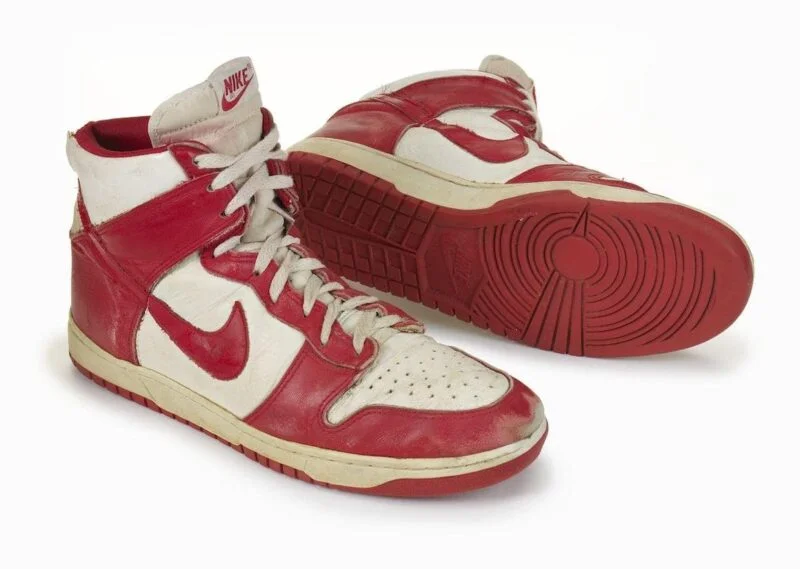
The year Nike officially launched, 1972, marked the beginning of a significant disruption in the sports industry. Nike’s relentless pursuit of innovation in footwear technology – from the Waffle sole to air cushioning and beyond – consistently pushed the boundaries of athletic performance. This drive for product superiority not only benefited athletes but also forced competitors to innovate, leading to a more dynamic and advanced market.
Beyond product development, Nike revolutionized sports marketing. Their early adoption of athlete endorsements, coupled with their sophisticated storytelling and emotional advertising, set a new standard. They demonstrated the power of building a brand narrative that went beyond individual product features, connecting with consumers on a deeper, more aspirational level. Nike’s approach has inspired countless brands, not just in sports but across various industries, to rethink their marketing strategies and embrace a more holistic and emotionally resonant brand building. From its humble beginnings as Blue Ribbon Sports, the emergence of Nike in 1972 marked the dawn of a new era, not just for athletic footwear, but for the very concept of a global, aspirational brand.
aViewFromTheCave is a participant in the Amazon Services LLC Associates Program, an affiliate advertising program designed to provide a means for sites to earn advertising fees by advertising and linking to Amazon.com. Amazon, the Amazon logo, AmazonSupply, and the AmazonSupply logo are trademarks of Amazon.com, Inc. or its affiliates. As an Amazon Associate we earn affiliate commissions from qualifying purchases.