
The whimsical question, “What would I look like as a cartoon character?”, has transcended the realm of childhood fantasy and entered the mainstream consciousness, thanks to rapid advancements in artificial intelligence and digital image processing. What was once the domain of skilled illustrators and animation studios is now an accessible, often instant, reality for anyone with a smartphone or a computer. This fascinating technological phenomenon is far more than just a fleeting trend; it represents a significant intersection of computer vision, machine learning, and human creativity, pushing the boundaries of how we perceive and manipulate digital identities.
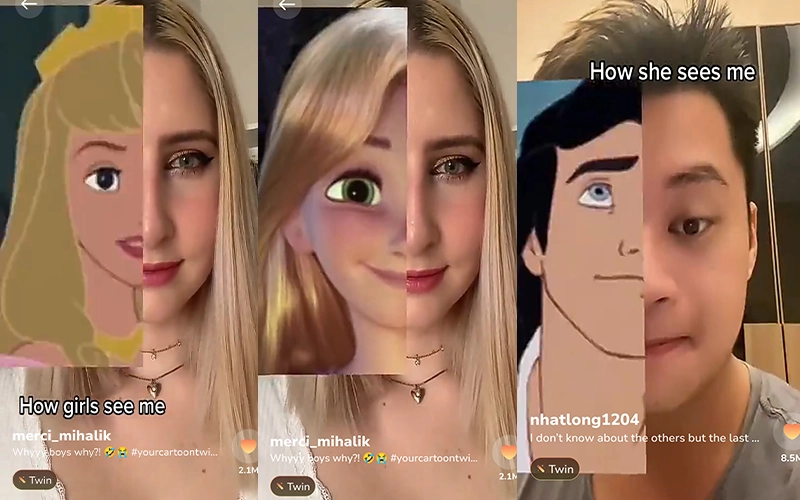
The allure of seeing oneself transformed into a cartoon lies in its ability to offer a fresh perspective, a playful alter ego that might be more expressive, more stylized, or simply a fun deviation from our everyday appearance. From the vibrant, expressive styles of Disney and Pixar to the intricate, nuanced aesthetics of anime or the minimalistic charm of webcomics, the spectrum of cartoon artistry is vast. The technology that allows us to tap into this spectrum is sophisticated, built upon decades of research in computer graphics and, more recently, propelled forward by breakthroughs in artificial intelligence, particularly in areas like generative adversarial networks (GANs) and style transfer algorithms. This article delves into the technological underpinnings, the tools, the applications, and the future implications of this captivating digital transformation.
The Technological Evolution of Cartoon Avatars
The journey from a photograph to a cartoon avatar is a testament to the relentless pace of innovation in digital technology. What started as basic image manipulation has blossomed into sophisticated AI-driven artistry.
Early Digital Art and Filters
Before the AI revolution, digital cartoonification was largely a manual or rule-based process. Graphic designers would painstakingly trace and stylize images using software like Adobe Photoshop or Illustrator. Early digital filters offered rudimentary effects, often just applying a “cartoon” or “comic book” aesthetic by simplifying colors, outlining edges, and reducing detail. These methods were largely one-size-fits-all, lacking the personalized touch or the deep stylistic understanding required to genuinely transform a photo into a convincing cartoon character while retaining the subject’s recognizable features. The results were often crude, failing to capture the essence of distinct animation styles or the individual’s unique facial characteristics. Users often had to manually adjust parameters, a process that required some level of graphic design expertise and significant time commitment.
The Leap to AI and Machine Learning
The advent of machine learning marked a pivotal turning point. Algorithms began to learn from vast datasets of images, identifying patterns, features, and artistic styles. Early machine learning models could be trained to recognize faces and apply pre-defined stylistic transformations based on statistical analyses. This allowed for more intelligent filtering, where the software could, for instance, understand that eyes should remain distinct or that hair textures needed a specific simplification. These models started moving beyond simple edge detection and color reduction, beginning to grasp the underlying structure of both human faces and cartoon styles. However, the output was still somewhat generic, often struggling with nuanced expressions or complex poses, and limited by the diversity of the training data.
Generative Adversarial Networks (GANs) and Deep Learning
The true game-changer arrived with deep learning, particularly the development of Generative Adversarial Networks (GANs). Invented by Ian Goodfellow and his colleagues in 2014, GANs consist of two neural networks, a generator and a discriminator, locked in a continuous competition. The generator creates new images (e.g., a cartoon version of a photo), while the discriminator tries to determine if the generated image is real (from a dataset of real cartoons) or fake (generated by the AI). Through this adversarial process, the generator becomes incredibly adept at producing highly realistic and stylistically consistent cartoon images that are difficult to distinguish from genuine hand-drawn art, even to the discriminator.
Deep learning architectures, including convolutional neural networks (CNNs), are fundamental to this process. They enable the AI to deeply understand and extract features from an input image, such as facial geometry, skin texture, hair strands, and lighting conditions. Simultaneously, they learn the distinct characteristics of various cartoon styles from extensive datasets of animated characters. This allows the AI to not just apply a filter, but to intelligently re-render the input image in a completely different artistic style, often maintaining the subject’s identity while embracing the stylistic conventions of the target cartoon aesthetic. This breakthrough is what enables the sophisticated and often stunning transformations we see today, capable of producing results that are truly unique and personalized.
How AI Transforms You into a Toon
The magic of turning a photo into a cartoon character isn’t a single, monolithic process but a sophisticated orchestration of several AI techniques working in concert.
Image Recognition and Feature Extraction
The first crucial step involves advanced image recognition. When you upload a photo, the AI employs computer vision algorithms to meticulously analyze the image. It identifies key facial landmarks – eyes, nose, mouth, eyebrows, jawline – along with hair, skin tone, and even subtle expressions. This “feature extraction” process creates a detailed digital map of your face. Beyond mere identification, the AI also assesses attributes like your pose, the angle of your head, and existing lighting conditions. This initial mapping is critical because it forms the foundational data upon which the stylistic transformation will be built, ensuring that your unique identity is preserved even as your appearance shifts dramatically. Without accurate feature extraction, the resulting cartoon might look nothing like you, or worse, appear distorted and unrecognizably generic.
Style Transfer Algorithms
Once the AI has a comprehensive understanding of your features, style transfer algorithms come into play. This is where the artistry truly begins. The AI has been pre-trained on vast datasets of diverse cartoon styles, learning the specific characteristics of each – whether it’s the bold lines and flat colors of a classic comic book, the soft shading and large eyes of anime, or the distinctive proportions of a particular animated series. The style transfer algorithm then intelligently applies these learned stylistic rules to your extracted features. It doesn’t simply overlay a filter; it re-renders your face, hair, and clothing in the chosen cartoon style. This might involve simplifying complex textures into solid blocks of color, exaggerating certain features to match a specific animation trope (e.g., larger eyes, smaller nose), or altering proportions to fit a cartoonish aesthetic while still maintaining a resemblance to the original. Modern style transfer often leverages the power of GANs, where one network generates the stylized image and another evaluates its authenticity against a database of real cartoon images, iteratively improving the output.
Customization and Artistic Control
While the AI handles the heavy lifting, many advanced tools offer users a degree of customization and artistic control. After the initial transformation, users might be able to fine-tune aspects of their cartoon avatar. This can include adjusting the intensity of the cartoon effect, modifying specific stylistic elements (like eye shape or hair texture), choosing different color palettes, or even selecting from a range of expressions. Some platforms allow users to pick from various pre-defined cartoon styles, from 3D Pixar-esque renders to 2D hand-drawn aesthetics, giving them agency over their final digital look. This blend of AI automation and user-driven refinement ensures that the final cartoon character not only embodies the chosen style but also aligns with the user’s personal preferences, making the process both technologically impressive and creatively satisfying.
Popular AI Tools and Apps for Cartoonification
The market is brimming with innovative tools and applications that leverage AI to transform photographs into cartoon characters. These tools vary in their sophistication, ease of use, and the specific artistic styles they offer.
Dedicated Cartoon Filter Apps
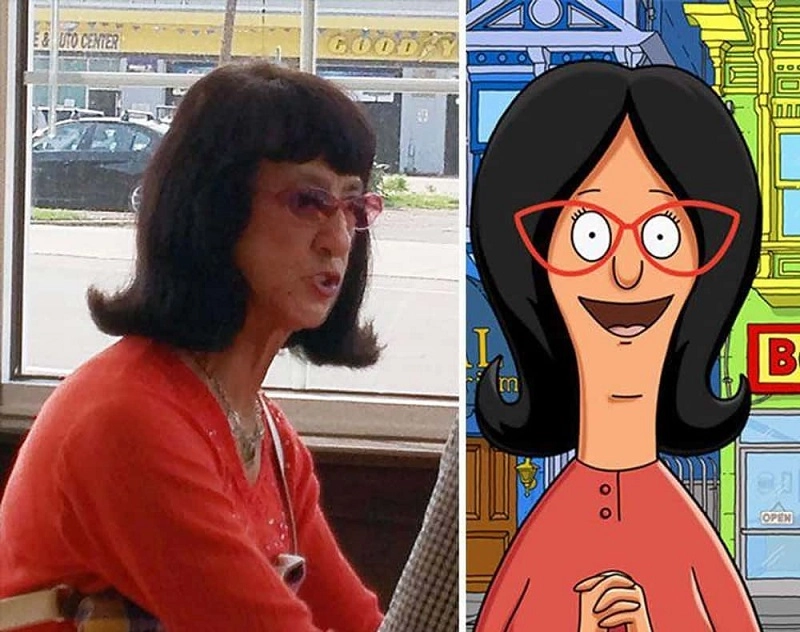
These are perhaps the most accessible entry points for most users. Apps like ToonMe, Lensa (with its “Magic Avatars” feature), FaceApp, and Voila AI Artist have gained immense popularity due to their user-friendly interfaces and impressive results. Users typically upload a photo, select a desired cartoon style (e.g., Disney, Pixar, anime, 3D render), and within seconds, receive a stylized version of themselves. These apps often utilize sophisticated deep learning models to perform rapid style transfer, making the process intuitive and fun. They are designed for instant gratification, focusing on ease of use and a broad appeal. While highly effective for quick transformations, their customization options might be somewhat limited compared to more professional tools. Many offer free basic features with premium subscriptions for more styles, higher resolution outputs, or ad-free experiences.
Advanced AI Art Generators
For those seeking more control, unique styles, or the ability to generate entirely new cartoon characters from text prompts, advanced AI art generators are the go-to. Platforms like Midjourney, DALL-E 2, and Stable Diffusion represent the cutting edge of generative AI. While not exclusively cartoonifiers, they can be prompted to create cartoon versions of specific individuals or concepts. By providing detailed text descriptions (e.g., “a cartoon character portrait of a man with red hair in the style of Studio Ghibli,” or “a vector art caricature of a woman laughing”), users can guide the AI to generate highly specific and unique cartoon imagery. These tools require a bit more skill in prompt engineering – crafting precise text descriptions to get the desired output – but offer unparalleled creative freedom and the potential for truly original artwork. They are often cloud-based and accessible via web interfaces, sometimes with API access for developers. These tools are also pushing the boundaries of what is possible, allowing for photorealistic transformations into cartoons, and vice versa, blurring the lines between different forms of digital art.
Integrated Social Media Features
Recognizing the immense popularity of cartoon avatars, many social media platforms have integrated their own AI-powered features. Snapchat with its diverse array of lenses and filters has long offered cartoonish transformations, often in real-time. Instagram also frequently sees trending filters that cartoonify users, leveraging augmented reality (AR) to overlay digital effects onto live camera feeds. These integrations make the process seamless and encourage sharing, often sparking viral trends where users showcase their cartoon alter egos. While these features might not always offer the same depth of artistic quality as dedicated apps or advanced generators, their accessibility and social sharing capabilities make them incredibly impactful in democratizing cartoonification for a mass audience. They often rely on simplified, highly optimized AI models to ensure smooth performance across a wide range of devices.
Beyond Novelty: Practical Applications of Cartoon Avatars
While initially perceived as a fun novelty, the ability to transform oneself into a cartoon character holds significant practical value across various domains, extending beyond mere entertainment.
Enhancing Digital Identity and Social Media Presence
In an increasingly digital world, our online presence is a crucial aspect of our identity. Cartoon avatars offer a compelling way to enhance and personalize one’s digital persona. For individuals, a cartoon avatar can serve as a unique and memorable profile picture across social media platforms, gaming profiles, or online forums. It allows for creative self-expression, conveying personality in a way that a standard photograph might not. For some, it offers a sense of privacy, allowing them to participate online without revealing their exact likeness, while still maintaining a personal touch. The stylized nature of a cartoon can also project a specific mood or brand, whether it’s playful, professional, or artistic, helping individuals curate their online image more effectively and stand out in a crowded digital landscape.
Creative Content Creation and Storytelling
Cartoon avatars are invaluable tools for content creators, artists, and storytellers. For animators and illustrators, AI-powered cartoonification can serve as a powerful starting point, quickly generating character designs or stylistic references that can then be refined manually. YouTubers, streamers, and podcasters can use personalized cartoon avatars to represent themselves in videos or on promotional materials, adding a distinct visual identity without requiring professional animation skills. Writers can use cartoonized images to visualize characters for their stories, bringing their narratives to life. Furthermore, these avatars can be integrated into digital comics, webtoons, or interactive narratives, enabling creators to produce engaging visual content more efficiently and at a lower cost than traditional animation methods. The technology effectively lowers the barrier to entry for visual storytelling, empowering a wider range of creators.
Professional and Business Use Cases
The utility of cartoon avatars extends into the professional sphere, particularly in the tech and digital-first industries. For corporate communication, cartoonized versions of team members can be used in internal presentations, training modules, or onboarding materials to create a more friendly and approachable atmosphere. In virtual meeting platforms, especially those catering to more informal or creative collaborations, users might opt for cartoon avatars instead of live video feeds to reduce “Zoom fatigue” or to foster a more relaxed environment. For branding, particularly for startups or companies targeting younger demographics, a consistent set of cartoon employee avatars can contribute to a unique corporate identity, making the brand feel more modern, accessible, and relatable. In product design and user interface (UI) development, cartoon characters can be used as mascots or illustrative elements to enhance user engagement and guide users through applications or websites, creating a more intuitive and enjoyable experience. The focus here remains on the tech tools enabling these professional applications, rather than the brand strategy itself.
The Future Landscape: Innovations and Ethical Considerations
The trajectory of AI-powered cartoon avatar generation points towards exciting innovations, but also necessitates careful consideration of ethical implications.
Hyper-Personalization and Dynamic Avatars
The future will likely bring even greater levels of hyper-personalization. We can expect AI to generate cartoon avatars that not only match an individual’s appearance but also their personality, mood, and even real-time expressions. Imagine an avatar that automatically changes its cartoon style based on your current emotional state detected by your camera, or one that evolves its aesthetic over time based on your digital habits and preferences. Dynamic avatars, capable of real-time animation and interaction within virtual environments, will become commonplace, allowing for seamless integration into metaverses and advanced gaming. These avatars could become sophisticated digital doubles, capable of representing us in richly interactive digital worlds with unprecedented fidelity to both our physical appearance and our chosen stylized aesthetic. The underlying AI models will become even more sophisticated, capable of generating high-fidelity 3D models from 2D images, paving the way for truly immersive experiences.
Privacy and Data Security Concerns
As the technology becomes more sophisticated, so do the privacy and data security concerns. The process of generating a cartoon avatar often requires uploading personal photos, which contain sensitive biometric data. Users must critically evaluate the privacy policies of the apps and platforms they use, understanding how their data is stored, processed, and potentially shared. The risk of unauthorized access, data breaches, or the misuse of facial recognition data for purposes beyond avatar creation is a tangible concern. Furthermore, the ability of AI to generate highly convincing likenesses raises questions about consent and intellectual property – who owns the generated image, especially if it closely resembles a real person or a known artistic style? Ensuring robust data encryption, transparent data handling practices, and clear user consent mechanisms will be paramount.

The Blurring Lines of Reality and Digital Art
Perhaps the most profound impact of this technology is the continued blurring of lines between reality and digital art. As AI makes it increasingly easy to transform, manipulate, and generate images that are indistinguishable from photographs or professional artwork, our understanding of authenticity and originality will evolve. This phenomenon challenges traditional notions of artistic skill and authorship, as advanced algorithms can produce stunning visuals without human artistic intervention in the conventional sense. The implications extend to media literacy, as individuals must become more discerning about the images they consume, recognizing that what appears to be a photograph could be an AI-generated construct, or that a cartoon could be derived directly from a real person’s likeness. This confluence of technology and art opens up new avenues for creative expression but also demands a critical perspective on the nature of visual representation in the digital age.
The journey to seeing ourselves as cartoon characters, facilitated by the marvels of AI, is a captivating exploration into the capabilities of modern technology. It reflects our innate human desire for play, self-expression, and connection, all amplified by digital tools that are becoming increasingly intuitive and powerful. As these technologies continue to advance, they will undoubtedly reshape not just how we look in the digital realm, but also how we interact with it, creating a dynamic and endlessly fascinating future.
aViewFromTheCave is a participant in the Amazon Services LLC Associates Program, an affiliate advertising program designed to provide a means for sites to earn advertising fees by advertising and linking to Amazon.com. Amazon, the Amazon logo, AmazonSupply, and the AmazonSupply logo are trademarks of Amazon.com, Inc. or its affiliates. As an Amazon Associate we earn affiliate commissions from qualifying purchases.