
The seemingly simple question, “What word does serve come from?” delves into the etymological roots of a term that underpins nearly every aspect of human interaction, commerce, and, profoundly, the world of branding. While it might appear as a linguistic curiosity at first glance, understanding the origins and evolution of “serve” offers profound insights into what it truly means for a brand to interact with its customers, define its purpose, and carve out its identity in a competitive marketplace. For brands, “service” is not merely an operational function; it’s a philosophy, a promise, and the very essence of their existence. By tracing the lineage of this powerful word, we can unearth deeper meanings that inform brand strategy, elevate customer experiences, and foster authentic connections.
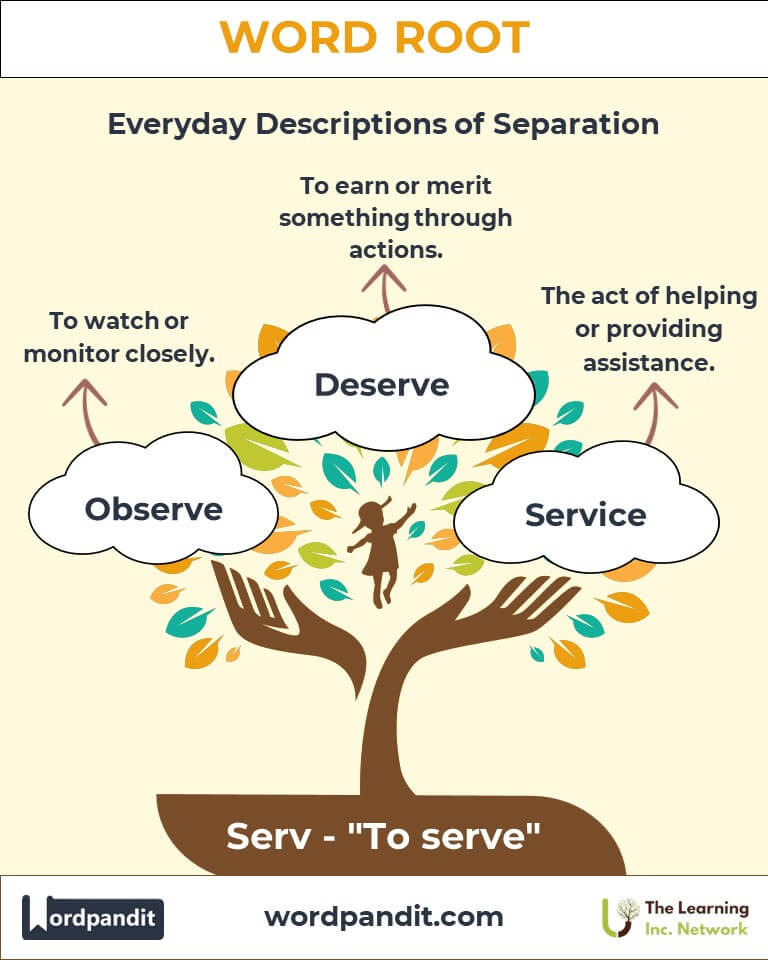
The Etymological Journey of “Serve”: From Servitude to Service
To appreciate the modern significance of “serve” in branding, we must first embark on its historical linguistic journey. The word carries a rich and complex heritage, evolving significantly from its earliest connotations to its contemporary usage.
Latin Roots and Early Meanings
The primary ancestor of “serve” is the Latin word servire, meaning “to be a slave, to serve, to attend, to be devoted to.” This, in turn, derives from servus, meaning “slave.” In ancient Rome, a servus was literally a bondservant, and servire described the actions and duties of such a person. This initial association immediately brings forth connotations of obligation, duty, obedience, and a lack of personal autonomy. It implied a relationship of power imbalance, where one party was entirely at the disposal of another. These early roots, therefore, anchor “serve” in a context of providing for another’s needs, albeit under compulsion.
Evolution Through Old French and English
As Latin evolved into various Romance languages, servire transformed. In Old French, it became servir, maintaining many of its Latin meanings but beginning to broaden slightly. When servir entered Old English around the 12th century, it brought with it these established senses: “to do service, to render obedience, to be subject to” – still heavily influenced by the idea of vassalage or domestic service.
However, over centuries, the word began a gradual but significant semantic shift. While the sense of obligation and duty remained, other nuances emerged and gained prominence. “Serve” started to encompass the idea of “to be of use or benefit to,” “to attend to,” “to furnish with something desired or needed,” and “to perform duties.” This transition marked a crucial departure from mere forced labor to a more volitional act of assistance, utility, and even devotion. The idea of serving a meal, serving a purpose, or serving one’s country began to dilute the harshness of its original “slave” connotation, replacing it with concepts of functional utility, care, and purposeful action.
The Double-Edged Sword of “Serve”
The historical baggage of “serve” as originating from “slave” is undeniable and important to acknowledge. It reminds us of power dynamics and historical inequities. However, the remarkable evolution of the word in modern English, especially in the context of business and public relations, has largely stripped it of its negative connotations of forced subservience. Instead, its dominant usage overwhelmingly leans into the positive aspects: providing value, meeting needs, anticipating desires, and acting with dedication. For a brand, understanding this trajectory is key. It’s about consciously shedding any lingering shadows of obligation and embracing the enlightened meaning of proactive, beneficial, and value-driven engagement. This transformation from historical “bondage” to contemporary “benefit” is precisely what makes “serve” such a powerful concept for brands today.
Serving Customers: The Cornerstone of Brand Loyalty
In the contemporary brand landscape, “serving” customers is no longer a mere add-on; it is the fundamental pillar upon which lasting relationships, reputation, and revenue are built. The etymological journey of “serve” illuminates how deep-seated the concept of meeting another’s needs truly is, and how brands can leverage this understanding to cultivate unparalleled loyalty.
Beyond Transactions: Understanding Customer Service as a Brand Imperative
For many, “customer service” evokes images of complaint lines or technical support. However, by revisiting the roots of “serve”—to attend to, to be devoted to, to be of use or benefit—we understand that true customer service extends far beyond troubleshooting. It’s an overarching philosophy that permeates every single interaction a customer has with a brand. From the intuitive design of a product that “serves” an unarticulated need, to the seamless user experience of an app that “serves” convenience, to proactive communication that “serves” clarity, every touchpoint is an opportunity to demonstrate a brand’s commitment. It’s about anticipating needs before they arise, creating delightful experiences, and ensuring that the customer feels valued, understood, and genuinely cared for. This comprehensive approach transforms customer service from a reactive department into a proactive brand imperative.
Empathy, Dedication, and the Brand Promise
The evolution of “serve” to include “devotion” is particularly resonant here. A brand that genuinely serves its customers is one that approaches every interaction with empathy and dedication. This isn’t about being subservient; it’s about being profoundly committed to the customer’s success and satisfaction. Empathy allows brands to step into their customers’ shoes, understand their challenges, and craft solutions that truly resonate. Dedication means going the extra mile, maintaining consistency, and standing by the brand’s promise even when challenges arise. This dedication strengthens the brand promise, which is essentially a declaration of how the brand serves its customers unique needs and aspirations. When customers feel truly served in this dedicated and empathetic manner, trust deepens, leading to enduring loyalty that transcends mere product preference.
The “Serving Mindset” in Every Touchpoint
For a brand to truly excel at serving its customers, this “serving mindset” must be embedded across the entire organization, not just delegated to a single department. From the CEO to the frontline employee, every individual must understand their role in serving the customer. This means:
- Product Development: Designing products and services that genuinely serve a market need, not just pushing features.
- Marketing & Communications: Crafting messages that serve to inform, inspire, and connect, rather than simply sell.
- Sales: Approaching conversations with the aim to serve the customer’s best interest, offering solutions that genuinely fit.
- Post-Sale Support: Ensuring that assistance is readily available, efficient, and delivered with genuine care, continuing to serve the customer long after the transaction.
When this holistic “serving mindset” is ingrained, the brand’s commitment becomes evident in every interaction, building a cohesive and positive customer experience that is difficult for competitors to replicate.
Serving Purpose: Crafting a Brand’s Core Identity
Beyond the transactional aspect of serving customers, the etymological depth of “serve” also informs a brand’s higher calling: its purpose. Modern brands are increasingly defined not just by what they sell, but by what they stand for, what values they uphold, and the greater good they serve.
Mission and Vision: What Does Your Brand Serve?
At its heart, a brand’s mission and vision statements are declarations of what it intends to serve. Is it serving innovation to push boundaries? Is it serving sustainability to protect the planet? Is it serving community to foster connection? Or is it serving convenience to simplify daily life? This goes beyond profit motives to articulate the fundamental benefit and impact the brand aims to deliver to the world. A powerful brand purpose resonates with consumers who increasingly seek to align themselves with companies that reflect their own values and contribute positively to society. When a brand clearly defines what it serves at this foundational level, it creates a compelling narrative that attracts not only customers, but also talent and investors.

Corporate Social Responsibility (CSR) as a Form of Service
The expanded understanding of “serve” as “to be of use or benefit to” extends directly to a brand’s role in society. Corporate Social Responsibility (CSR) is the active manifestation of a brand choosing to serve broader stakeholders beyond its shareholders. This includes initiatives that address environmental concerns, support social causes, promote ethical labor practices, or contribute to community development. These efforts are not merely philanthropic gestures; they are strategic expressions of a brand’s commitment to serving a greater good. Consumers today are highly attuned to a brand’s social impact, and those that demonstrate a genuine commitment to serving societal well-being often build stronger emotional connections and enjoy enhanced brand reputation and loyalty. It’s about demonstrating that the brand’s influence extends beyond its direct market.
Internal Branding: Serving Your Employees
A truly purposeful brand also understands that it must serve its internal community: its employees. The Latin root servire also implied “being devoted to,” and this concept can be reimagined within internal branding. A brand’s culture, values, and leadership style should be designed to serve the growth, well-being, and professional aspirations of its team members. This involves fostering an environment where employees feel valued, heard, supported, and empowered. When a brand serves its employees in this manner, it cultivates a loyal, engaged, and highly motivated workforce. These “internal customers” become the most authentic brand ambassadors, naturally extending the brand’s purpose and values to external interactions. A strong internal brand that prioritizes its people is foundational to delivering exceptional external service and living up to its stated purpose.
Serving the Market: Strategic Positioning and Value Proposition
The concept of “serve” is also intrinsically linked to a brand’s strategic market positioning and the articulation of its unique value proposition. Understanding how a brand serves its specific market segment is crucial for differentiation and sustained growth.
Identifying Unmet Needs: The Art of Market Service
Effective branding begins with keen market insight – the ability to identify gaps, frustrations, and unmet needs within a specific audience. This process is, at its core, the art of discovering how a brand can uniquely serve a segment that is currently underserved or poorly served. It involves thorough market research, empathetic customer listening, and creative problem-solving. By pinpointing these unfulfilled desires, a brand can position itself as the ideal solution, demonstrating its utility and benefit to potential customers. The success of disruptive brands often lies in their ability to serve customers in entirely new or vastly superior ways, challenging existing market norms by offering innovative solutions that genuinely improve lives or processes.
Value Proposition as a Promise to Serve
A brand’s value proposition is its explicit promise of how it will serve its target audience better than anyone else. It articulates the specific benefits, solutions, and unique advantages that customers can expect. This isn’t just a list of features; it’s a clear statement of how the brand will add value, alleviate pain points, and fulfill desires. For instance, a luxury car brand serves status and driving pleasure, while an economy airline serves affordable travel. Each brand makes a distinct promise about what it delivers. Crafting a compelling value proposition requires deep self-awareness and a clear understanding of the target market. It answers the fundamental question: “How does our brand specifically serve the needs and aspirations of our ideal customer?”
Adaptability and Continuous Service
Markets are not static; customer needs and preferences evolve, and new competitors emerge. Therefore, for a brand to continue serving its market effectively, it must demonstrate continuous adaptability and a commitment to ongoing improvement. This means constantly monitoring market trends, soliciting customer feedback, and being agile enough to innovate and pivot when necessary. Brands that fail to adapt risk becoming irrelevant, as their offerings cease to genuinely serve the contemporary needs of their audience. The concept of continuous service implies an ongoing dialogue with the market, a willingness to refine products and services, and a steadfast dedication to remaining the preferred solution for the evolving customer. It’s about maintaining a proactive “serving mindset” in a dynamic environment.
The Future of Service: Brands as Enablers and Empathetic Partners
As technology advances and consumer expectations shift, the nature of “service” from brands continues to evolve. The future demands that brands move beyond transactional exchanges to become true enablers and empathetic partners in their customers’ lives.
Technology Enhancing (Not Replacing) Service
The digital age has brought forth an array of tools – AI, machine learning, data analytics, chatbots – that can revolutionize how brands serve their customers. These technologies offer unprecedented opportunities for personalization, efficiency, and scale. AI-powered chatbots can provide instant support, data analytics can predict customer needs, and personalized recommendations can enhance user experience. However, it’s crucial that technology serves to enhance human connection and empathy, rather than replace it. The etymological journey of “serve” reminds us that at its core, it’s about attending to needs with devotion. While tech can handle routine queries and provide instant access, complex issues, emotional support, and the building of genuine relationships still require the human touch. The most successful brands of the future will master the art of blending technological efficiency with authentic human empathy to deliver truly exceptional service.
Building Communities Through Service
Modern brands are increasingly recognizing the power of fostering communities around shared values, interests, and experiences. In this context, the brand serves as a facilitator, a connector, and a curator of these communities. Whether through online forums, social media groups, or real-world events, brands can create spaces where customers can interact with each other and with the brand itself. This form of service goes beyond merely providing a product; it provides a sense of belonging, an platform for shared purpose, and opportunities for collective growth. By serving as a community hub, brands can cultivate a loyal following that not only consumes their products but also becomes advocates, co-creators, and a vital source of feedback and innovation.
From Transactional to Transformational Service
The ultimate aspiration for brands in the future is to elevate “service” from a transactional exchange to a transformational experience. This means serving customers in a way that positively impacts their lives, helps them achieve their goals, or fundamentally changes their perspective. Think of fitness brands that don’t just sell equipment but serve a healthier lifestyle, or educational platforms that don’t just offer courses but serve personal and professional development. This level of service requires deep understanding, unwavering commitment, and a willingness to invest in the long-term well-being of the customer. Brands that achieve transformational service move beyond being mere providers to becoming trusted partners, creating deep, emotional bonds that are far more resilient than those built on price or features alone.

Conclusion
The question, “What word does serve come from?” opens a gateway to understanding one of the most vital concepts in the world of branding. From its ancient Latin roots of obligation and utility to its modern evolution encompassing dedication, empathy, and purpose, “serve” encapsulates the multifaceted relationship between a brand and its audience. For any brand striving for sustained success, deeply understanding the origins and profound implications of this word is not an academic exercise, but a strategic imperative.
Brands that genuinely embrace the essence of “serve” – attending to customer needs with dedication, articulating a clear and impactful purpose, strategically positioning themselves to deliver unique value, and thoughtfully leveraging technology to enhance human connection – are the ones poised to build enduring loyalty, cultivate meaningful relationships, and leave a lasting positive impact in an increasingly interconnected world. To truly serve is to truly thrive.
aViewFromTheCave is a participant in the Amazon Services LLC Associates Program, an affiliate advertising program designed to provide a means for sites to earn advertising fees by advertising and linking to Amazon.com. Amazon, the Amazon logo, AmazonSupply, and the AmazonSupply logo are trademarks of Amazon.com, Inc. or its affiliates. As an Amazon Associate we earn affiliate commissions from qualifying purchases.