
In the vibrant cinematic landscape of 1986, a film didn’t just top the box office; it transcended entertainment to become a meticulously crafted brand, indelibly stamping its mark on popular culture. The undisputed heavyweight champion of the year was Top Gun. More than just a high-octane action flick, Top Gun was a masterclass in brand building, demonstrating how a compelling narrative, charismatic talent, and shrewd marketing could coalesce into an enduring cultural phenomenon. For marketers and brand strategists, the success of Top Gun offers a rich case study in how to cultivate an identity that resonates deeply with an audience, creating not just a product, but an experience and a legacy.

This article will delve into the strategic elements that positioned Top Gun as the quintessential brand of 1986, exploring its unique identity, sophisticated marketing tactics, and the lasting equity it built, which continues to influence modern branding efforts.
Top Gun: A Masterclass in 1980s Brand Dominance
The triumph of Top Gun wasn’t accidental; it was the result of a deliberate construction of a potent brand image, centered around aspirational themes, distinctive visuals, and a captivating protagonist. It perfectly captured the zeitgeist of the mid-1980s, merging patriotism with youthful rebellion and technological prowess.
The Maverick Brand Persona: Icon of Aspiration
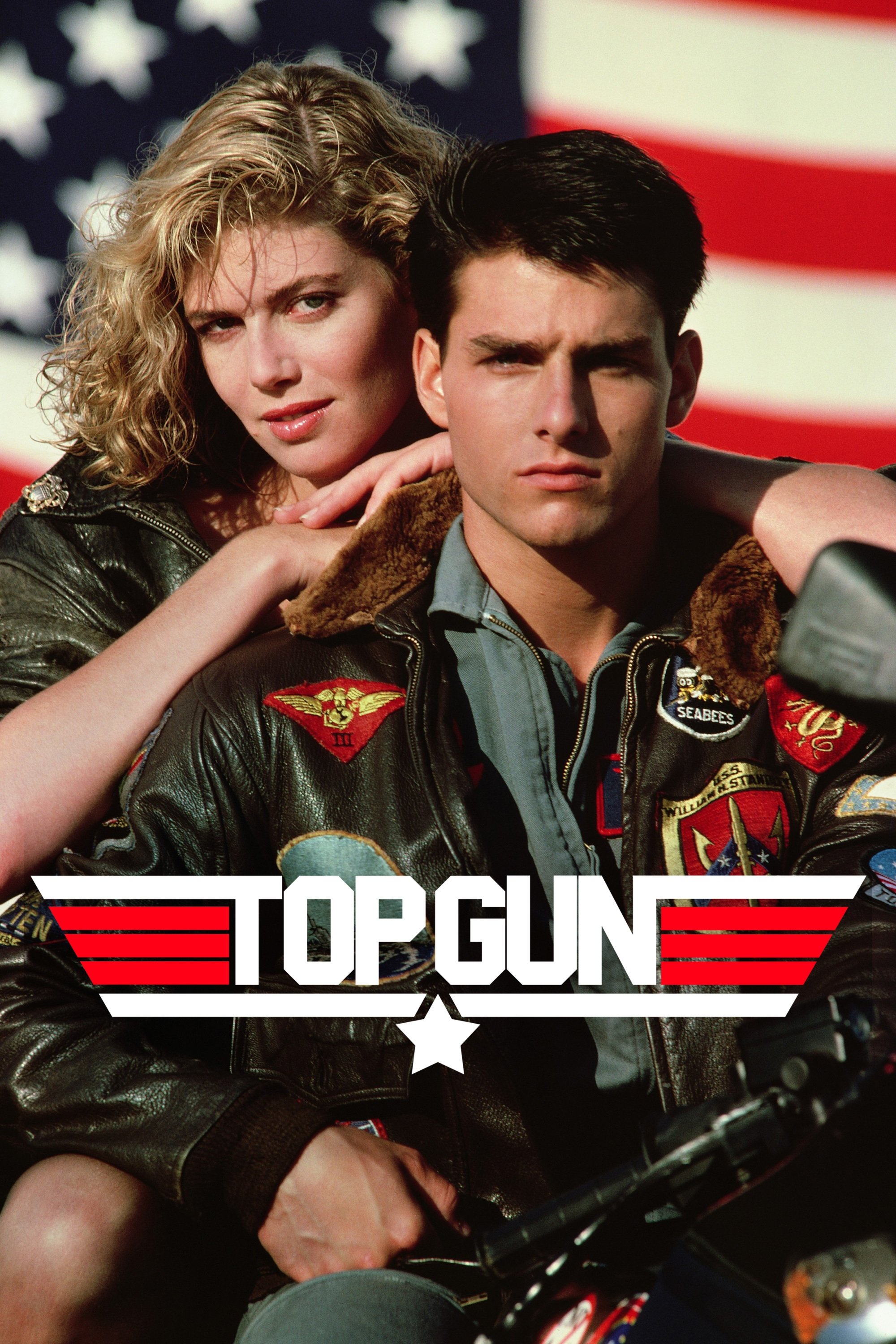
At the heart of Top Gun’s brand success was the character of Pete “Maverick” Mitchell, portrayed by a nascent superstar, Tom Cruise. Maverick wasn’t just a character; he was an aspirational brand persona. He embodied a potent mix of daring confidence, raw talent, and a touch of rebellious charm that resonated deeply with audiences, particularly young men. Cruise’s rising star power infused Maverick with an irresistible magnetism, making the character a hero figure that was both relatable in his struggles and enviable in his triumphs. The “Maverick” brand persona became synonymous with pushing boundaries, excelling under pressure, and possessing an innate cool factor. This strong central character provided a compelling focal point around which all other brand elements could orbit, giving the film an identifiable “face” and an emotional connection for viewers.
High-Octane Visuals and Auditory Signatures: Crafting Brand Identity
Top Gun’s brand identity was powerfully reinforced through its distinctive visual and auditory elements. The film’s aesthetic was groundbreaking, showcasing the raw power and intricate beauty of naval aviation with unprecedented clarity. The F-14 Tomcat fighter jets became iconic, their sleek design and thunderous roar serving as immediate brand identifiers. Similarly, the ubiquitous aviator sunglasses and flight jackets transcended mere costume to become symbols of the “Top Gun” lifestyle – cool, confident, and adventurous. These visual cues were consistently deployed, creating a strong, recognizable brand language.
Equally impactful was the film’s soundtrack. Featuring power ballads and synth-driven anthems like Berlin’s “Take My Breath Away” and Kenny Loggins’ “Danger Zone,” the music became an integral part of the Top Gun brand. The soundtrack wasn’t just background noise; it was an extension of the film’s emotional core, evoking excitement, romance, and tension. It functioned as a standalone brand entity, selling millions of copies and ensuring the film’s themes and emotions lingered long after audiences left the cinema. The interplay between visual spectacle and a compelling soundtrack created a multi-sensory brand experience that was deeply immersive and memorable.
Strategic Product Placement and Military Collaboration: Amplifying Reach and Authenticity
Top Gun was also notable for its sophisticated use of product placement and, crucially, its deep collaboration with the United States Navy. The Navy’s involvement went beyond mere consultation; it provided access to real aircraft carriers, fighter jets, and personnel, imbuing the film with an undeniable sense of authenticity and spectacle that would have been impossible to achieve otherwise. This strategic partnership allowed the film to leverage the Navy’s formidable brand equity, lending credibility and an aspirational dimension to the narrative. In return, Top Gun served as an incredibly effective recruitment tool, showcasing naval aviation in an undeniably heroic and exciting light – a win-win for both the filmmakers and the military.
Beyond the Navy, the film subtly (and sometimes not-so-subtly) integrated brands like Ray-Ban, whose aviator sunglasses became synonymous with the film’s cool aesthetic. This wasn’t just opportunistic placement; it was a deliberate strategy to embed the film within existing aspirational brands, amplifying its reach and solidifying its image as stylish and cutting-edge. These strategic alliances were critical in broadening the film’s appeal and enhancing its perceived value, turning it into more than just a movie, but a lifestyle statement.
Crafting a Cultural Icon: Marketing and Audience Engagement
The success of Top Gun extended far beyond its initial theatrical run, transforming it into a lasting cultural icon. This enduring impact was solidified by a comprehensive marketing strategy that built anticipation, fostered engagement, and leveraged multiple touchpoints to embed the film’s brand into the public consciousness.
The Power of the Trailer and Teaser Campaign: Building Brand Promise
Even before its release, Top Gun employed a masterful trailer and teaser campaign that meticulously crafted anticipation. The previews were carefully edited to highlight the film’s most compelling assets: breathtaking aerial combat sequences, the burgeoning romance, and the charismatic performances of its stars. These teasers didn’t just show clips; they communicated the film’s core brand promise – an exhilarating, emotionally resonant experience of courage, skill, and desire. The pacing, the music, and the carefully chosen snippets of dialogue worked in concert to establish the film’s high-stakes narrative and aspirational tone. This early communication was crucial in defining the Top Gun brand before a single ticket was sold, creating a clear expectation and generating significant buzz. It demonstrated how early marketing can effectively set the stage for a product’s brand identity and promise, drawing audiences in long before launch.
Soundtrack as a Standalone Brand: Expanding Reach and Resonance
As mentioned earlier, the Top Gun soundtrack was not merely a companion piece to the film; it evolved into a powerful standalone brand. Released weeks before the movie, the soundtrack provided an early entry point into the film’s world, allowing audiences to connect with its emotional themes and energetic vibe. Hits like “Danger Zone” and “Take My Breath Away” became radio mainstays, permeating pop culture independent of the movie’s theatrical release. This strategy effectively broadened the film’s marketing reach, turning music stores and radio stations into additional promotional platforms. The soundtrack acted as a “trailer for the ears,” constantly reminding potential moviegoers of the excitement awaiting them. This demonstrates a key brand principle: identifying and leveraging synergistic products or experiences that can amplify the core brand’s message and reach new audiences, creating multiple revenue streams and points of engagement.
Word-of-Mouth and Repeat Viewings: Organic Brand Amplification
Beyond traditional marketing, Top Gun excelled in generating powerful organic brand amplification through word-of-mouth and repeat viewings. The film’s sheer entertainment value, combined with its aspirational themes and memorable moments, made it highly rewatchable. Audiences not only saw the film once but often returned multiple times, bringing friends and family along. This phenomenon of repeat viewership is the holy grail for any brand, indicating deep customer satisfaction and loyalty. Each repeat viewing served as an endorsement, naturally spreading the film’s appeal and reinforcing its brand image within social circles. In an era before pervasive social media, this organic sharing was paramount, proving that a compelling brand experience is the most potent form of advertising. It built a community of fans who were not just consumers but active advocates for the Top Gun brand.
The Enduring Legacy: Top Gun’s Brand Longevity
The true measure of a successful brand isn’t just its initial impact, but its ability to sustain relevance and resonance over time. Top Gun achieved this remarkable feat, establishing a legacy that continues to influence popular culture and serve as a benchmark for aspirational entertainment brands.
Establishing a Franchise and Character Universe: Sustaining Brand Equity
Top Gun laid the groundwork for a burgeoning franchise and a defined character universe, showcasing its potent brand equity. While a sequel took decades to materialize, the cultural consciousness never forgot Maverick, Iceman, and Goose. The original film created a world rich enough, and characters compelling enough, to withstand the test of time, proving the depth of its initial brand creation. The long-awaited sequel, Top Gun: Maverick (2022), wasn’t just a follow-up; it was a testament to the original’s enduring brand power, drawing upon decades of nostalgia and reverence. The success of the sequel reaffirmed that the core brand elements – thrilling aerial combat, intense camaraderie, and the individualistic spirit of its protagonist – were timeless and capable of resonating with new generations. This ability to establish a foundation for a multi-generational franchise is a hallmark of truly powerful branding.
Influence on Pop Culture and Fashion: A True Brand Penetration
The brand penetration of Top Gun was so profound that it directly influenced aspects of everyday life, from fashion to slang. The aviator sunglasses, already iconic, experienced a massive resurgence in popularity, becoming a must-have accessory. Leather flight jackets became a fashion statement, and even the “buddy system” camaraderie depicted in the film found its way into social lexicons. This cultural adoption signifies a brand that has transcended its original medium to become an embedded part of the collective consciousness. When a brand begins to shape consumer choices and cultural expressions, it has achieved an extraordinary level of influence. This impact highlights the power of visual storytelling and character development in creating trends and establishing lasting cultural relevance.
Lessons for Modern Brand Building: Timeless Strategies
For contemporary marketers and brand strategists, Top Gun offers timeless lessons. It demonstrated the power of a clear, aspirational brand persona (Maverick), the importance of distinctive visual and auditory identifiers (F-14s, soundtrack, sunglasses), and the strategic value of collaborations (US Navy, product placement). Furthermore, it showed how to build anticipation, leverage synergistic products (the soundtrack), and foster organic advocacy through a compelling product experience. In an age dominated by digital marketing, the principles of creating an emotionally resonant brand, one that connects with core human desires like aspiration, courage, and belonging, remain as critical as ever. Top Gun’s success underscores that while channels evolve, the fundamentals of engaging storytelling and consistent brand identity are universal.
Beyond the Box Office: Top Gun’s Brand Equity
The sustained success and cultural ubiquity of Top Gun cannot be solely measured in box office receipts. Its true value lies in the immense brand equity it accumulated, an intangible asset that has continued to yield dividends for decades.
Aspirational Appeal and Target Audience: Hitting the Emotional Core
Top Gun masterfully tapped into an inherent aspirational desire within its target audience. It painted a vivid picture of excellence, adventure, and the pursuit of mastery, making the challenging world of elite naval aviation seem incredibly appealing. The film presented a world where skill, courage, and a touch of daring led to success and recognition. This aspirational messaging resonated particularly with young audiences, offering an exciting vision of adulthood and accomplishment. The brand’s consistent portrayal of these values created a strong emotional connection, moving it beyond mere entertainment to a source of inspiration. By understanding and catering to the emotional core of its audience, Top Gun built a brand that was not just consumed, but internalized and emulated.
Creating a Definitive ‘Moment’ in Cinema: Solidifying Cultural Status
Top Gun wasn’t just a movie; it became the movie of 1986, defining a particular cultural moment. It solidified a certain aesthetic, a sense of ambition, and a mood that encapsulated the mid-80s. When a brand reaches this level, it transcends its product category and becomes a cultural touchstone. Discussing 1980s cinema, pop culture, or fashion inevitably leads back to Top Gun, signifying its entrenched status. This elevation to a cultural “moment” imbues the brand with a timeless quality, ensuring its recognition and relevance across generations. It’s the ultimate validation of brand building when a product not only succeeds financially but also leaves an indelible mark on the collective memory and imagination.
Adapting to New Eras: “Maverick” and Brand Reinvention
The extraordinary success of “Top Gun: Maverick” decades later is the ultimate testament to the original film’s robust brand equity and its inherent adaptability. While honoring the core elements of the 1986 original, the sequel successfully reinvented the brand for a new generation, incorporating modern cinematic techniques and addressing contemporary themes, all while maintaining the spirit that made the first film a hit. This ability to evolve and adapt while retaining its essential brand identity is a critical lesson for long-term brand management. It demonstrates that a strong foundational brand can be refreshed and reintroduced, proving its timeless appeal and capability to connect with ever-changing audiences without losing its authentic self.
In conclusion, Top Gun’s reign as the number one movie in 1986 was far more than a transient box office triumph. It was a strategic branding victory, born from a compelling persona, distinct identity markers, shrewd partnerships, and a deep understanding of audience aspirations. Its enduring legacy, marked by cultural influence and successful reinvention, provides invaluable insights for anyone striving to build a brand that not only captures attention but also stands the test of time. Top Gun remains a powerful case study in how to craft an iconic brand that resonates, engages, and endures.
aViewFromTheCave is a participant in the Amazon Services LLC Associates Program, an affiliate advertising program designed to provide a means for sites to earn advertising fees by advertising and linking to Amazon.com. Amazon, the Amazon logo, AmazonSupply, and the AmazonSupply logo are trademarks of Amazon.com, Inc. or its affiliates. As an Amazon Associate we earn affiliate commissions from qualifying purchases.