
For generations, the name Disney has been synonymous with a particular magic—a magic meticulously crafted frame by frame, brought to life by the touch of an artist’s hand. The shimmering gowns, the expressive eyes, the fluid movements of beloved characters, all bore the unmistakable hallmark of hand-drawn animation. This artistry wasn’t merely a production method; it was the very cornerstone of the Disney brand, deeply embedded in its corporate identity, marketing, and the emotional connection it forged with audiences worldwide. The question, “what was the last hand-drawn Disney movie?” isn’t just a trivia query; it marks a significant pivot in one of the world’s most enduring brands, reflecting a strategic shift in artistic vision, production methodology, and ultimately, how Disney chose to tell its timeless stories in an evolving media landscape.
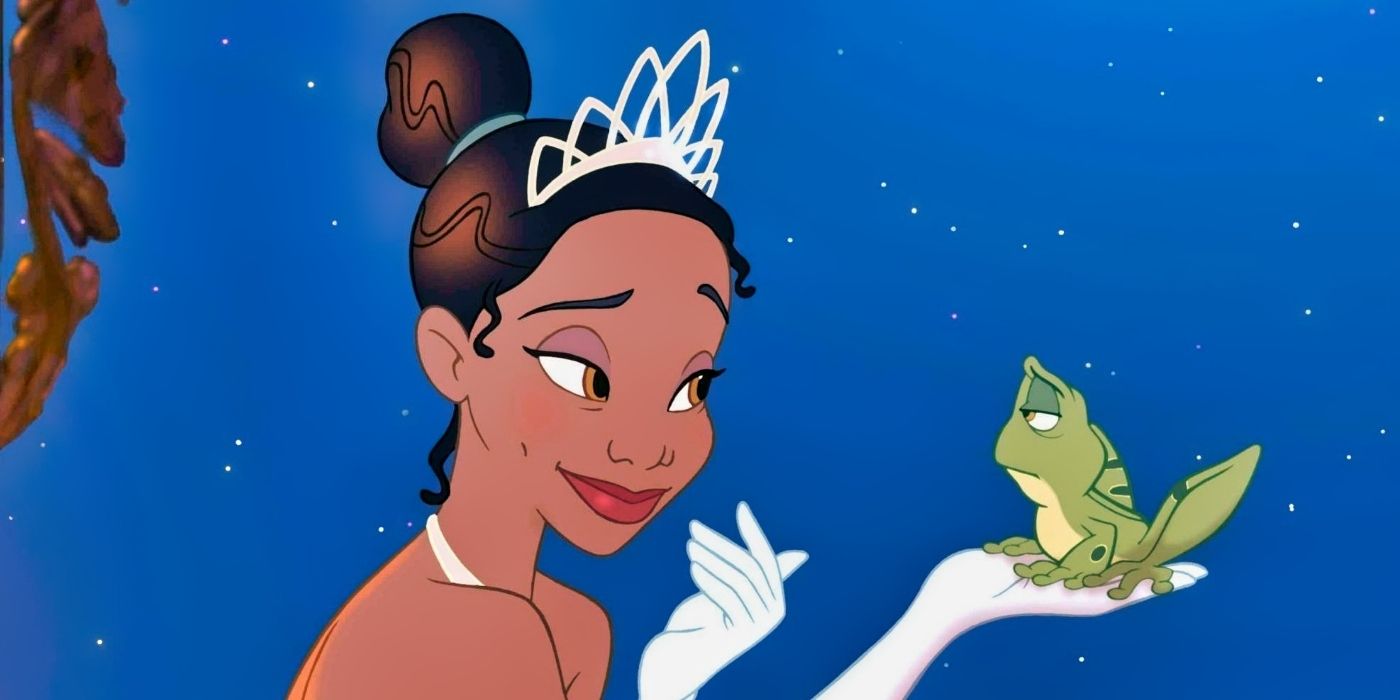
The answer, for a theatrically released feature film from Walt Disney Animation Studios, is widely considered to be The Princess and the Frog, released in 2009. This film stands as a poignant landmark, a vibrant celebration of a revered art form before the studio fully embraced the digital frontier. Its existence wasn’t a mere accident but a deliberate brand statement, a strategic return to roots that simultaneously acknowledged and perhaps bade farewell to an era. Examining this transition through a brand lens reveals how Disney navigates innovation while preserving its heritage, manages audience expectations, and continues to define its unique place in global entertainment.
The Enduring Legacy of Hand-Drawn Animation on the Disney Brand
For decades, hand-drawn animation was not just Disney’s primary medium; it was its visual language, its signature, and an indelible part of its brand identity. This artistic choice cultivated a distinct perception in the minds of consumers, associating the brand with unparalleled craftsmanship, timeless artistry, and a unique form of storytelling.
Defining Disney’s Core Identity Through Artistry
From Snow White and the Seven Dwarfs to The Lion King, the hand-drawn aesthetic was fundamental to how the Disney brand was understood. It projected an image of meticulous care, artistic dedication, and a commitment to beauty that few other studios could rival. This wasn’t merely about creating images; it was about building a world, character by character, line by line, that felt tangible and emotionally resonant. The distinctive “Disney look”—the smooth animation, the rich color palettes, the expressive character designs—was a product of this painstaking process. This consistent visual identity became a powerful brand differentiator, immediately recognizable and trusted by audiences as a promise of quality and enchanting storytelling. It formed the bedrock of Disney’s corporate identity, deeply influencing its logos, theme park aesthetics, and overall brand messaging.
Nostalgia as a Brand Asset: Connecting Generations
The multi-generational appeal of Disney is largely thanks to the power of nostalgia, intrinsically linked to its hand-drawn classics. Parents who grew up watching films like Cinderella or The Little Mermaid found immense joy in sharing these same stories, presented in the same cherished style, with their own children. This created a powerful intergenerational bond with the brand, where the hand-drawn aesthetic became a visual shorthand for cherished childhood memories, innocence, and wonder. For Disney, nostalgia isn’t just a byproduct; it’s a meticulously managed brand asset. It fosters loyalty, encourages repeat engagement, and differentiates Disney from newer entrants in the animation space. The classic, hand-drawn films became more than just movies; they became cultural touchstones, symbols of a shared past that continually reinforced the brand’s enduring relevance and emotional resonance.
The Signature Style: Craftsmanship and Emotional Resonance
The tactile nature of hand-drawn animation, the subtle imperfections that speak to human effort, paradoxically contributed to its perfection in the eyes of many. Each frame, touched by an artist, imbued the characters with a warmth and personality that felt uniquely human. This craftsmanship was a critical aspect of Disney’s brand promise—a promise of unparalleled quality and artistry. The nuanced expressions, the weight of a character’s movement, the depth conveyed through multi-plane camera techniques; these elements weren’t just technical feats but emotional conduits. They allowed the brand to tell stories with incredible emotional depth, making audiences laugh, cry, and cheer in ways that felt deeply personal. This signature style became a crucial element of Disney’s marketing, highlighting the beauty and artistry of its films as a key selling point, distinguishing its products in a competitive market.
The Dawn of a New Era: The Shift to Digital and Brand Adaptation
As technology advanced, the animation industry underwent a seismic shift towards computer-generated imagery (CGI). This presented Disney with both an existential challenge and an unprecedented opportunity, forcing a strategic brand adaptation to remain at the forefront of innovation.
Innovation vs. Tradition: Navigating Brand Perception
The transition from hand-drawn to CGI was not without its brand implications. For many loyal fans, the move to CGI, championed early on by Pixar (which Disney would later acquire), felt like a departure from Disney’s sacred tradition. There was a legitimate concern that the brand might lose its unique identity, becoming indistinguishable from other studios embracing the new technology. Disney’s challenge was to navigate this delicate balance: to demonstrate innovation and embrace the future while reassuring its audience that its core brand values—storytelling, character, and emotional depth—remained unchanged. Marketing efforts during this period often highlighted the “magic” of digital animation, framing it as an evolution rather than an abandonment, emphasizing that the spirit of Disney remained regardless of the tools employed. This period saw Disney’s brand communication focus heavily on the narrative of progress while simultaneously honoring its rich heritage.
The Business Imperative: Efficiency and Creative Freedom
While artistic merit was paramount, the strategic shift also had significant business drivers influencing brand decisions. CGI offered new avenues for creative expression, allowing for complex camera movements, intricate environmental details, and dynamic character interactions that were either impossible or prohibitively expensive with traditional hand-drawn methods. From a production standpoint, CGI promised efficiencies in certain areas, though often offset by new complexities. For the Disney brand, adopting CGI was a strategic move to maintain its competitive edge and demonstrate leadership in the animation space. It allowed the brand to expand its storytelling capabilities and appeal to a broader, more technologically sophisticated audience. The shift was less about cutting corners and more about unlocking new creative potential that could enrich the Disney brand narrative, opening doors to different types of stories and visual spectacles.
Marketing the Future: Educating and Engaging Audiences
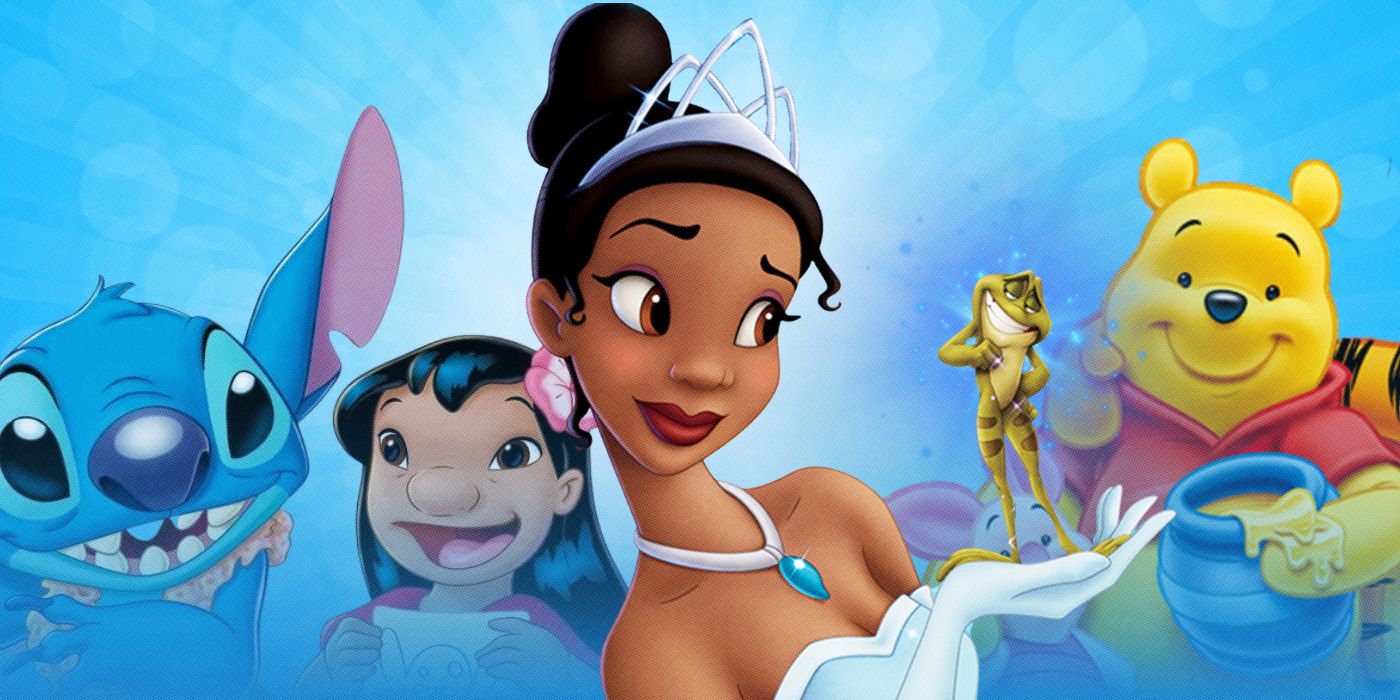
The introduction of CGI required a strategic marketing effort to educate and engage audiences about the new capabilities and enduring quality of Disney animation. Early CGI films like Dinosaur (2000) or even partially CGI features aimed to showcase the potential of the technology while gradually accustoming audiences to the new aesthetic. Disney’s marketing narratives focused on the awe-inspiring visuals, the immersive worlds, and the enhanced storytelling possibilities. They positioned CGI as a tool that amplified the Disney magic, rather than replacing it. This careful management of brand perception was crucial in ensuring that audiences embraced the new look without feeling alienated from the brand they had grown to love. It was about shifting the perception of what “Disney animation” could look like, expanding its visual identity while retaining its core emotional appeal.
“The Princess and the Frog”: A Brand’s Farewell to a Form, Not a Spirit
Against the backdrop of a burgeoning CGI landscape, Disney made a deliberate and highly symbolic return to its traditional roots with The Princess and the Frog. This decision was a powerful brand statement, a strategic act of acknowledging its heritage before moving fully into the future.
Reaffirming Core Values in a Modern Context
The Princess and the Frog was more than just another movie; it was a reaffirmation of Disney’s core brand values. By choosing hand-drawn animation for a contemporary story featuring Disney’s first African-American princess, the studio sent a clear message: the classic art form was still relevant, capable of telling diverse and modern tales. This move underscored Disney’s commitment to both its artistic legacy and its evolving narrative of inclusivity. The film’s aesthetic connected directly to the brand’s golden age, leveraging the emotional weight of that legacy to introduce new characters and themes. It was a strategic branding exercise that demonstrated versatility—showing that the Disney brand could innovate in storytelling while remaining true to its iconic visual heritage, even if for one last major theatrical hurrah in that specific style.
The Narrative of Return: A Nod to Disney’s Roots
The promotional campaigns for The Princess and the Frog heavily emphasized its hand-drawn nature, positioning it as a “return to form” or a “classic Disney musical.” This marketing narrative was a brilliant strategy to tap into deep-seated nostalgia and the longing many fans felt for the traditional animation style. It served as a powerful emotional appeal, signaling to audiences that this film offered the quintessential Disney experience many had grown up with. From a branding perspective, this was a masterful way to reconnect with a segment of the audience that perhaps felt underserved by the increasing dominance of CGI. It was an acknowledgment of their loyalty and an invitation to experience the “magic” in its most traditionally recognized form, cementing the idea that Disney remembers and values its origins.
Brand Storytelling Through a Traditional Medium in a Digital Age
Releasing a hand-drawn feature in 2009, deep into the CGI era, was a bold brand statement. It demonstrated that the power of Disney storytelling transcended the medium. The Princess and the Frog proved that compelling characters, rich narratives, and memorable songs could still captivate audiences through traditional animation, even when surrounded by increasingly sophisticated digital productions. This choice reinforced the brand’s belief in the enduring power of its narrative content over the mere technicalities of its presentation. It highlighted Disney’s confidence in its ability to deliver a top-tier cinematic experience, regardless of the animation technique, reinforcing the idea that the heart of Disney lies in its stories and characters, not solely in its visual effects.
Beyond Hand-Drawn: How Disney’s Brand Continues to Thrive
While The Princess and the Frog marked the end of an era for hand-drawn theatrical features from Walt Disney Animation Studios, it did not signify the end of Disney’s brand dominance. Instead, it was a pivotal point in a continuous journey of brand evolution.
Expanding the Creative Palette: The Power of Diverse Animation Styles
Post-Princess and the Frog, Disney fully embraced CGI, producing blockbusters like Tangled, Frozen, and Moana. This shift expanded the brand’s creative palette, allowing for a wider array of visual styles and storytelling approaches. The brand strategy here was to show versatility and adaptability. While the hand-drawn style holds a special place, embracing CGI has enabled Disney to explore new genres, create intricate worlds, and develop characters with unprecedented realism and emotional depth. This expansion hasn’t diluted the brand; it has enriched it, proving that the Disney essence can thrive across different artistic expressions. The brand message evolved to celebrate innovation as a continuous driver of magic, rather than relying solely on one specific technique.
Maintaining Brand Authenticity Across Mediums
The key to Disney’s continued success has been its ability to maintain brand authenticity despite changing animation techniques. Whether hand-drawn or CGI, Disney’s films consistently uphold core brand tenets: high-quality animation, compelling narratives, memorable characters, and themes of hope, courage, and family. The underlying storytelling principles—strong emotional arcs, relatable struggles, and triumphant resolutions—remain paramount. This consistency in storytelling and thematic content ensures that no matter how a Disney film looks, it still feels like a Disney film. This meticulous preservation of core brand values across diverse mediums is central to its enduring appeal and loyalty, demonstrating that the brand’s soul is deeper than its surface aesthetic.

The Future of Disney’s Brand: A Blend of Innovation and Heritage
Today, Disney’s brand strategy is a sophisticated blend of innovation and heritage. While feature films from Walt Disney Animation Studios are primarily CGI, the brand continues to celebrate its hand-drawn legacy through re-releases, merchandise, and even occasional short-form content. The studio’s commitment to visual excellence and compelling narrative remains unwavering. The “magic” of Disney is now defined not by a single animation technique, but by its capacity for timeless storytelling, its ability to evoke wonder, and its continuous pursuit of excellence in whatever medium it chooses. The question of the “last hand-drawn movie” serves as a powerful reminder of where the brand has been, providing context for its journey and underlining its strategic prowess in evolving while staying true to the timeless essence that makes Disney, Disney.
aViewFromTheCave is a participant in the Amazon Services LLC Associates Program, an affiliate advertising program designed to provide a means for sites to earn advertising fees by advertising and linking to Amazon.com. Amazon, the Amazon logo, AmazonSupply, and the AmazonSupply logo are trademarks of Amazon.com, Inc. or its affiliates. As an Amazon Associate we earn affiliate commissions from qualifying purchases.