
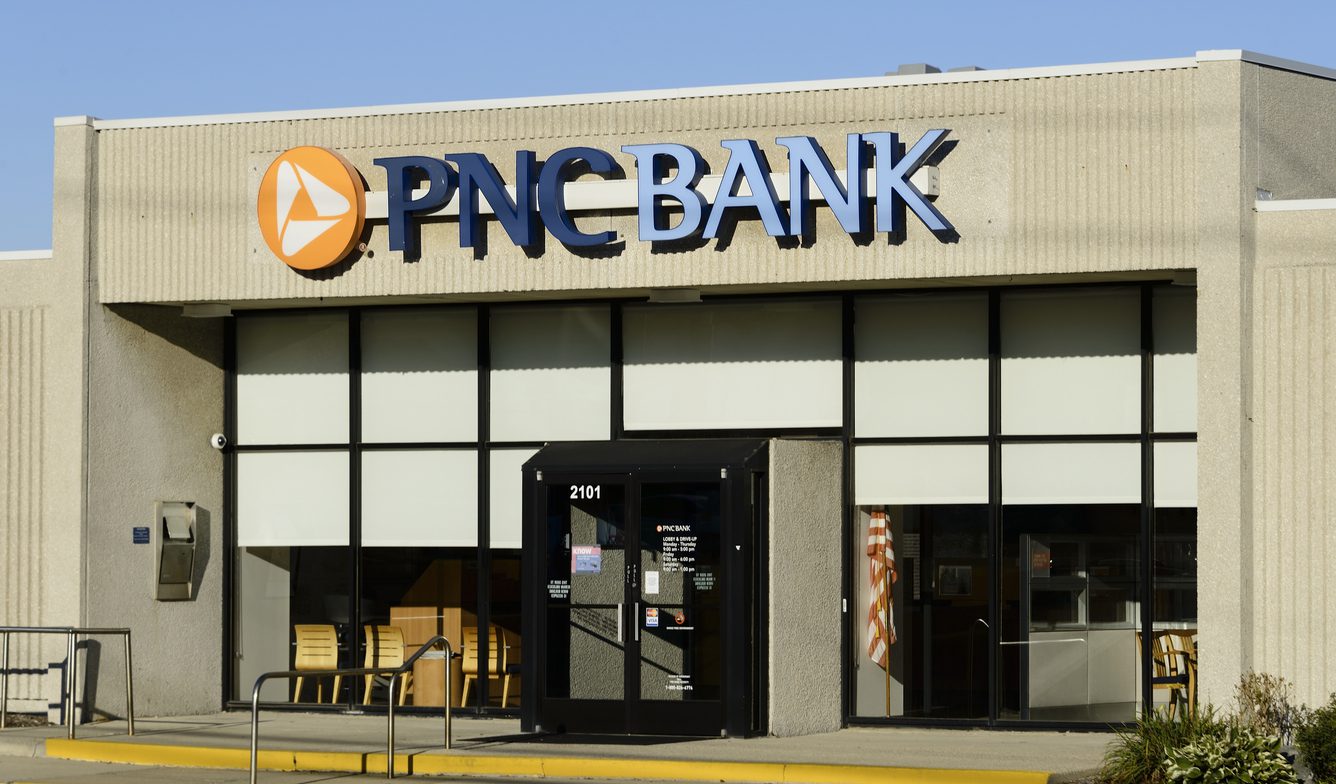
In the complex landscape of American finance, few names carry as much weight as PNC. Whether you have seen their orange-and-blue logo on a local branch or encountered their advertisements for the “Virtual Wallet,” understanding what PNC is requires looking beyond the surface of a traditional bank. PNC Financial Services Group, Inc. is a diversified financial services institution that has evolved from a regional player into one of the largest and most influential banking organizations in the United States.
For the modern consumer, investor, or business owner, PNC represents a bridge between traditional “Main Street” banking and the high-tech digital future of money management. This guide explores the depths of PNC’s operations, its suite of financial tools, and its role in the broader economy.

1. The Architecture of a Financial Giant: History and Market Position
To understand what PNC is today, one must look at its trajectory. Headquartered in Pittsburgh, Pennsylvania, PNC is the product of a 1983 merger between Pittsburgh National Corporation and Provident National Corporation. This “merger of equals” created the foundation for what would become a Top 10 bank in the United States by assets.
From Regional Roots to National Reach
PNC’s growth strategy has been defined by strategic acquisitions. Most notably, its acquisition of BBVA USA in 2021 propelled the bank into a truly national presence, expanding its footprint significantly in the Sunbelt states like Texas, Arizona, and California. Today, PNC operates in nearly every major market in the U.S., managing over $550 billion in assets.
The “Main Street Bank” Philosophy
Unlike many “Wall Street” giants that focus primarily on global capital markets, PNC positions itself as a “Main Street Bank.” This means its core business model is built around serving individuals, small businesses, and middle-market companies. By maintaining this focus, PNC has managed to foster a reputation for stability and reliability, even during periods of economic volatility.
Financial Stability and Ratings
For depositors and investors, the “what” of PNC is its creditworthiness. The bank consistently maintains high investment-grade ratings from agencies like Moody’s and S&P. This stability allows it to offer competitive rates on deposits and maintain a robust lending pipeline, making it a cornerstone of the American financial infrastructure.
2. Personal Finance Solutions: The Virtual Wallet and Beyond
For the average consumer, PNC is defined by its innovative approach to personal money management. While many banks offer standard checking and savings accounts, PNC revolutionized the space with its signature “Virtual Wallet” platform.
Virtual Wallet: A Triple-Threat Account
The Virtual Wallet is not just a bank account; it is a financial management tool designed to visualize cash flow. It splits a user’s money into three distinct “compartments”:
- Spend: This is the primary checking account for daily expenses and bills.
- Reserve: A secondary checking account intended for short-term savings or “rainy day” funds.
- Growth: A long-term savings account that typically earns a higher interest rate.
This structure encourages “pay yourself first” habits and provides a clear visual interface that helps users avoid overspending.
High-Yield Savings and Certificates of Deposit (CDs)
In a fluctuating interest rate environment, PNC remains a top choice for those looking to grow their wealth through low-risk instruments. They offer a variety of savings products, including high-yield savings accounts in select markets and a range of CD terms. These products are designed for investors who prioritize capital preservation and predictable returns over the volatility of the stock market.
Lending and Credit Products
Beyond deposits, PNC is a major player in the credit market. Their portfolio includes:
- Mortgages: From first-time homebuyer programs to jumbo loans.
- Auto Loans: Competitive financing for new and used vehicles.
- Personal Loans and Lines of Credit: Offering both secured and unsecured options for debt consolidation or major purchases.
- Credit Cards: A suite of cards offering cash back, travel rewards, or low introductory APRs, catering to different financial profiles.
3. Business and Corporate Banking: Driving Economic Growth
A significant portion of what makes PNC a powerhouse is its commitment to the business sector. From the “mom-and-pop” shop on the corner to multinational corporations, PNC provides the liquidity and advisory services necessary for economic expansion.

Small Business Solutions
PNC recognizes that small businesses are the engine of the American economy. They offer specialized business checking accounts, merchant services for processing payments, and SBA (Small Business Administration) loans. By providing these tools, PNC helps entrepreneurs manage cash flow and scale their operations.
Corporate and Institutional Banking (C&IB)
For larger entities, PNC’s Corporate & Institutional Banking arm offers sophisticated financial engineering. This includes:
- Treasury Management: Helping corporations optimize their liquidity, manage payables and receivables, and mitigate fraud.
- Capital Markets: Assisting companies with mergers and acquisitions (M&A), debt issuance, and equity offerings.
- Asset-Based Lending: Providing credit based on a company’s inventory, accounts receivable, or equipment, which is vital for capital-intensive industries.
Specialized Industry Expertise
PNC distinguishes itself by offering specialized banking teams for specific sectors, such as healthcare, real estate, and the public sector. By employing bankers who understand the unique regulatory and financial nuances of these industries, PNC provides more than just capital—it provides strategic partnership.
4. Wealth Management and Private Banking
As individuals accumulate wealth, their financial needs become more complex. PNC Private Bank is the division dedicated to high-net-worth (HNW) and ultra-high-net-worth (UHNW) individuals and families.
Comprehensive Financial Planning
Wealth management at PNC isn’t just about picking stocks. It involves a holistic approach to a client’s financial life. This includes estate planning, tax-efficient investment strategies, and philanthropic advisory. The goal is to ensure that wealth is not only grown but also preserved and passed down to future generations.
Investment Management
PNC’s investment philosophy is grounded in rigorous research and risk management. Clients have access to proprietary investment strategies, as well as third-party managers. Whether the goal is aggressive growth, income generation, or socially responsible investing (SRI), PNC tailors portfolios to meet specific risk tolerances and time horizons.
Trust and Estate Services
One of the most critical aspects of private banking is the administration of trusts. PNC acts as a corporate trustee, ensuring that a client’s wishes are carried out precisely and that beneficiaries are supported. This service provides peace of mind for families looking to navigate the complexities of inheritance and legacy.
5. Digital Innovation and the Future of Banking
In the current era, a bank is only as good as its technology. PNC has committed billions of dollars to digital transformation, ensuring that its “Main Street” values are delivered through a “Silicon Valley” experience.
Low Cash Mode: A Consumer-Centric Innovation
One of PNC’s most significant recent contributions to the banking industry is “Low Cash Mode.” This feature in the PNC mobile app gives customers more control over their accounts when their balance is low. It provides at least 24 hours of “Extra Time” to bring a balance above zero before being charged non-sufficient funds or overdraft fees. This move toward transparency and consumer protection has set a new standard for the industry.
Mobile and Online Banking Security
As digital threats evolve, PNC has invested heavily in cybersecurity. From multi-factor authentication and biometric logins to real-time fraud monitoring, the bank ensures that digital assets are as secure as physical ones. Their “Security Center” provides users with tools to freeze cards instantly and monitor their credit scores, empowering them to take charge of their digital financial footprint.
The Integration of AI and Data Analytics
PNC is increasingly using Artificial Intelligence (AI) to enhance the customer experience. This includes predictive analytics that can alert a customer if they are likely to miss a payment based on their spending patterns, or personalized investment recommendations generated by sophisticated algorithms. By leveraging data, PNC is moving from a reactive service provider to a proactive financial partner.
Conclusion: Why PNC Matters in Today’s Economy
What is PNC? It is more than a place to store money. It is a massive financial engine that facilitates the movement of capital across the United States. For the individual, it is a provider of innovative tools like the Virtual Wallet that simplify the complexities of budgeting and saving. For the business owner, it is a source of vital credit and treasury services that fuel growth. For the investor, it is a stable institution offering wealth management and secure deposit products.
As the financial world continues to shift toward digital-first interactions, PNC’s ability to balance technological prowess with a grounded, “Main Street” approach to service makes it a unique and formidable player in the global economy. Whether you are opening your first checking account or managing a multi-million dollar corporate portfolio, PNC’s multifaceted structure is designed to support the diverse financial journeys of the modern world.
aViewFromTheCave is a participant in the Amazon Services LLC Associates Program, an affiliate advertising program designed to provide a means for sites to earn advertising fees by advertising and linking to Amazon.com. Amazon, the Amazon logo, AmazonSupply, and the AmazonSupply logo are trademarks of Amazon.com, Inc. or its affiliates. As an Amazon Associate we earn affiliate commissions from qualifying purchases.