
The concept of “fast food” conjures images of golden arches, drive-thrus, and a menu synonymous with speed and convenience. Yet, to pinpoint the absolute “first” fast food requires a journey far beyond the mid-20th century American diners that popularized it. It demands a re-evaluation of what fast food truly signifies: a meal prepared and served quickly, designed for immediate consumption, and often standardized for consistent delivery. From a brand perspective, this historical inquiry is not just about identifying the earliest example of quick sustenance, but understanding the foundational brand pillars—convenience, accessibility, consistency, and value—that have driven the evolution of fast food from ancient street stalls to today’s multi-billion-dollar global franchises. The narrative of “first fast food” is, in essence, the genesis story of a service brand built on efficiency and mass appeal, long before the term “brand” itself was coined.
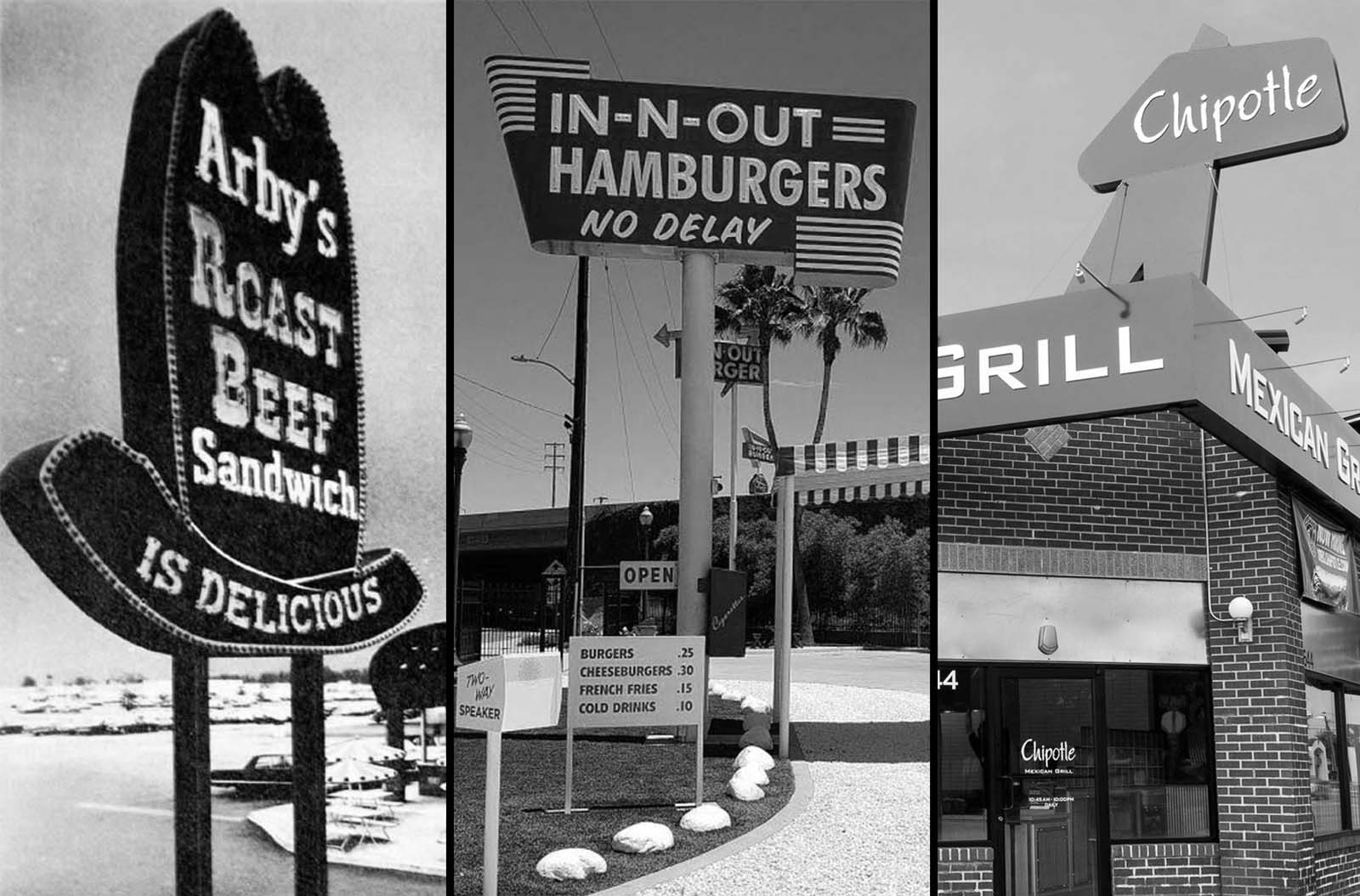
Ancient Roots: The Genesis of Grab-and-Go Culture
The human need for quick, accessible sustenance is as old as civilization itself. Before the advent of modern kitchens and dining rooms, people on the move, laborers, and those lacking cooking facilities relied on public vendors for their meals. These early iterations of “fast food” were not just about survival; they represented an early form of commercial offering that prioritized speed and ease, laying the groundwork for what would become sophisticated brand strategies in later eras.
Street Vendors in Antiquity: Rome’s Thermopolia
One of the most compelling examples of ancient fast food service comes from the Roman Empire. The thermopolium (plural: thermopolia), literally meaning “a place where hot things are sold,” was ubiquitous across Roman cities, particularly evident in archaeological sites like Pompeii and Ostia. These establishments were public eateries akin to modern-day snack bars or take-out restaurants, often identified by their distinctive L-shaped counters built into the storefront, featuring sunken jars (dolia) used to keep food hot or cold.
Archaeological evidence and historical texts reveal that thermopolia served a variety of ready-to-eat foods: bread, cheese, lentils, stews, and often wine. They catered primarily to the working class, travelers, and those living in insulae (apartment blocks) who lacked private cooking facilities. The “brand promise” of a thermopolium was clear: immediate, affordable, and warm food, without the need for personal preparation. While not branded with logos or jingles, their distinctive physical presence and consistent offering created a recognizable service identity that fulfilled a specific market need—speed and convenience—in the bustling urban centers of the Roman world. This direct-to-consumer model, focusing on rapid transaction and immediate consumption, embodies the very essence of early fast food branding: solving a common, pressing consumer problem with a readily available solution.
The Medieval Tavern: A Precursor to Convenience
As societies evolved through the Middle Ages, the concept of public dining continued to adapt. While not strictly “fast food” in the modern sense, the medieval tavern or inn served as a crucial precursor, especially for travelers. Taverns offered not just lodging but also prepared meals, often simple and hearty fare like bread, cheese, pottage (a thick soup or stew), and roasted meats.
The convenience factor was paramount for weary travelers or those without access to private kitchens. While the pace of service might not match a modern drive-thru, the tavern presented a “ready-to-eat” solution that saved customers the time and effort of cooking on the road. From a nascent brand perspective, taverns differentiated themselves by providing a consistent, albeit basic, menu and a specific social function. Their widespread presence along trade routes and within towns created a network of recognizable service points, establishing a rudimentary “brand experience” centered on hospitality and sustenance for the masses. These establishments, through their predictable offerings and location strategies, unknowingly practiced early forms of market positioning and consumer targeting.
Industrial Revolution and Urbanization: A New Demand for Speed
The dramatic shifts brought about by the Industrial Revolution in the 18th and 19th centuries further intensified the demand for quick and efficient meals. As populations migrated to urban centers for factory work, traditional home-cooked meals became less feasible for many. Workers needed inexpensive, readily available food that could be consumed quickly during short breaks, driving innovation in food service and inadvertently accelerating the development of proto-fast food brands.
The Rise of the Automat: Mechanized Meals
The early 20th century saw a fascinating innovation in fast food service: the automat. Originating in Germany and gaining significant popularity in the United States, particularly through the Horn & Hardart chain, automats were essentially self-service restaurants where customers deposited coins into slots to retrieve freshly prepared meals from glass-fronted compartments. Dishes ranged from sandwiches and salads to hot entrees and desserts.
The automat was a triumph of efficiency and a marvel of its time. It offered speed, affordability, and a novel, almost futuristic, experience. From a branding perspective, the automat was a masterclass in operational efficiency and consumer autonomy. It provided consistency—you knew what you were getting and how to get it—and an unparalleled level of convenience. The clean, modern aesthetic of automat locations, coupled with the novelty of machine-dispensed food, created a distinct and memorable brand identity. It communicated reliability and progress, appealing to a public increasingly accustomed to efficiency and standardization. The automat effectively streamlined the customer journey long before “user experience” became a buzzword, demonstrating how technological innovation could be integrated into a service brand to enhance speed and consistency.
Fish and Chips: Britain’s Original Fast Food Phenomenon
While America was embracing the automat, Britain was captivated by another fast food sensation: fish and chips. The exact origin is debated, but by the mid-19th century, separate fried fish shops and chip shops began to merge, creating the iconic “chippy.” The dish capitalized on two readily available and affordable ingredients: potatoes, a staple crop, and white fish, made accessible by steam trawling and railway networks.
Fish and chips quickly became a working-class staple, providing a hot, satisfying, and incredibly cheap meal. Served in newspaper, it was the ultimate grab-and-go food. The brand identity of the “chippy” was built on accessibility, affordability, and a delicious, comforting taste that resonated deeply with the local population. Each local chippy, while perhaps not a chain, offered a consistent product within its community, fostering loyalty and establishing itself as an integral part of the local culinary landscape. This widespread adoption and cultural integration underscore how a simple, effective food offering can develop a powerful, organic brand presence, driven by its fulfillment of immediate consumer needs and its consistent delivery of value. It was a brand defined by its product and its omnipresence.
America’s Innovation: Standardization and the Modern Fast Food Brand
The 20th century, particularly post-World War II America, witnessed the true birth of the modern fast-food industry. This era moved beyond mere quick service to embrace systematic processes, marketing, and the deliberate construction of corporate identity—the very essence of modern branding.
The White Castle Model: Branding Through Efficiency and Hygiene
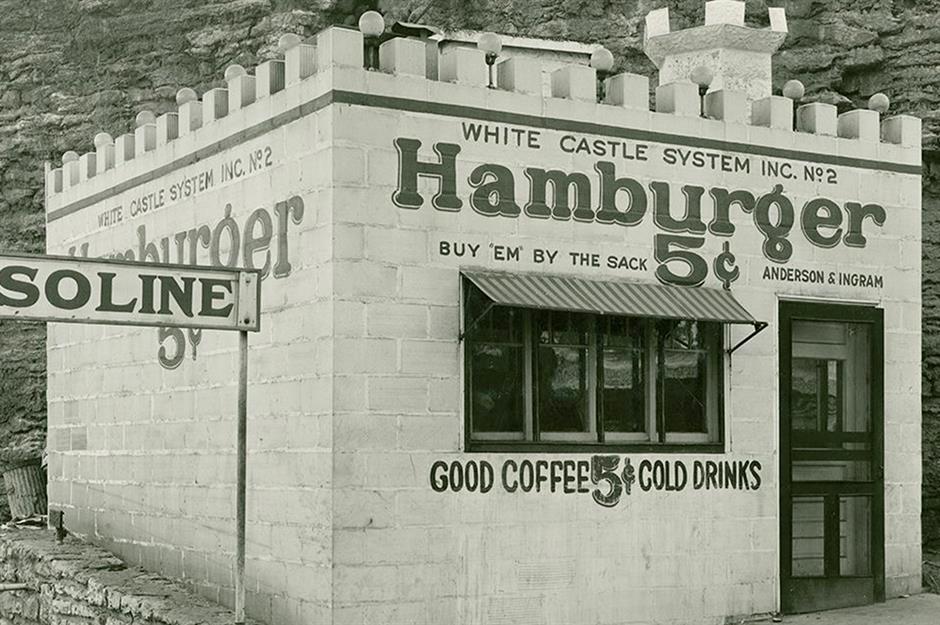
While the McDonald brothers often get credit for popularizing the modern fast-food concept, White Castle predates them, opening its first restaurant in Wichita, Kansas, in 1921. Founders Walter A. Anderson and E.J. “Billy” Ingram had a revolutionary vision: to sell small, square hamburgers (dubbed “sliders”) at a low price, ensuring rapid service and consistent quality.
White Castle’s genius lay in its approach to branding. At a time when hamburgers were associated with carnivals and questionable hygiene, White Castle deliberately cultivated an image of cleanliness and reliability. Their restaurants were designed to look like pristine white castles, symbolizing purity and strength. Kitchens were open for customers to see, emphasizing transparency and hygiene. They developed a standardized operating procedure for cooking and serving, ensuring that a White Castle burger tasted the same whether you bought it in Kansas or Missouri. This focus on consistency, hygiene, and a distinctive architectural identity was a groundbreaking brand strategy. White Castle didn’t just sell hamburgers; it sold trust and a predictable experience, directly addressing consumer anxieties and building a loyal customer base through a clear, repeatable brand promise.
The McDonald’s Blueprint: Speed, Service, and Systematization
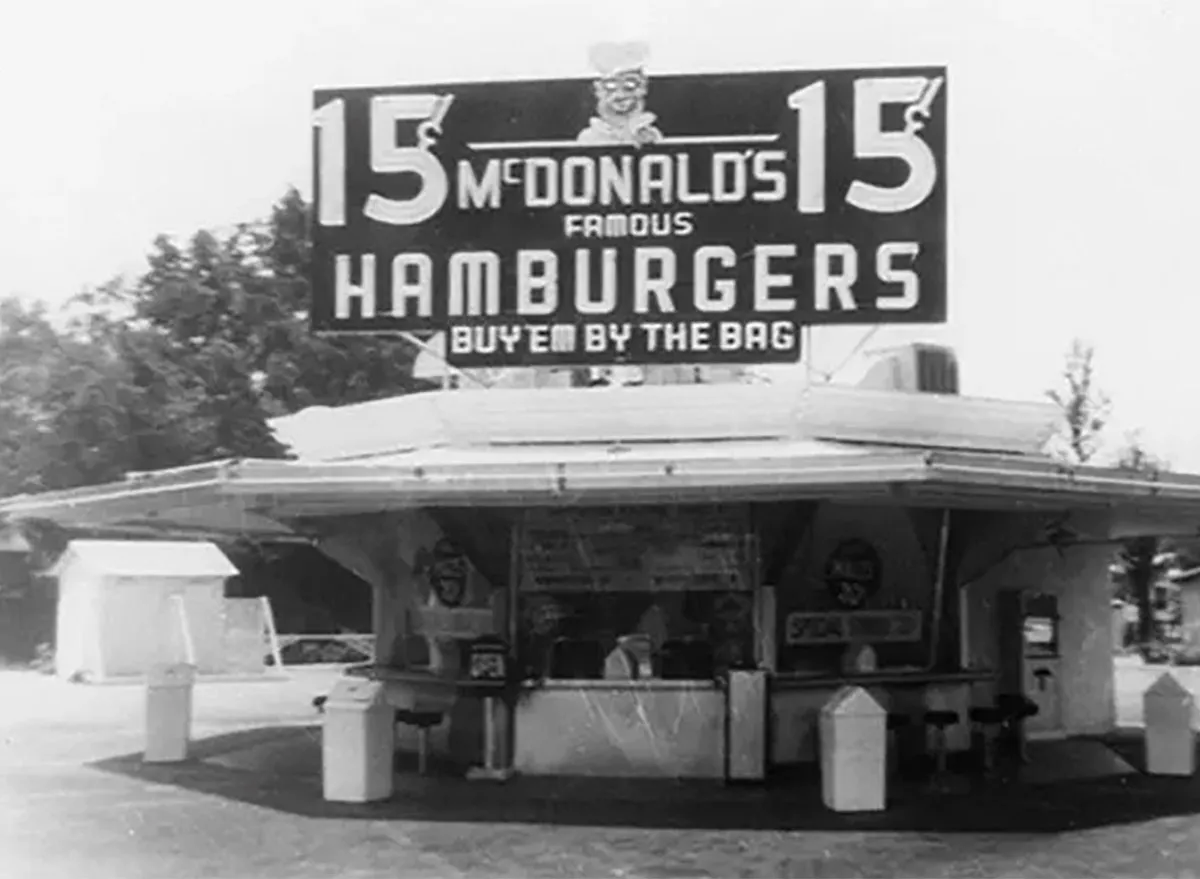
The true revolution in fast food branding arrived with McDonald’s, particularly after Ray Kroc’s involvement in the 1950s. While Richard and Maurice McDonald had already implemented their “Speedee Service System” to streamline kitchen operations, Kroc recognized the immense potential for national, even global, expansion through franchising.
McDonald’s perfected the art of systematization. Every aspect, from the exact size of the patty to the method of frying fries and the customer service script, was meticulously standardized. This obsessive focus on consistency ensured that a Big Mac tasted the same anywhere in the world, creating a powerful and predictable brand experience. The golden arches became an iconic symbol of reliability, affordability, and a specific type of family-friendly convenience. Marketing campaigns reinforced these messages, creating a powerful emotional connection with consumers. McDonald’s didn’t just sell food; it sold a complete lifestyle package—speed, family fun, and an escape from cooking. Their brand strategy elevated fast food from a mere meal to a cultural phenomenon, demonstrating how a robust corporate identity, coupled with operational excellence, could create a globally recognized and beloved brand.
The Core Brand Pillars of Fast Food: Then and Now
Across millennia, from Roman thermopolia to global chains, the success of fast food, and indeed its brand evolution, has hinged on a consistent set of core principles. These pillars form the implicit and explicit “brand promise” that defines the category.
Convenience and Accessibility: The Enduring Appeal
At its heart, fast food is about convenience. Whether it was a Roman citizen grabbing a hot meal on the way to the forum, a factory worker snatching a bite during a short break, or a modern family needing a quick dinner on the go, the ability to acquire food quickly and easily has always been the primary driver. Early fast food brands, even without formal marketing, established their appeal by being there—located in bustling city centers, along trade routes, or near workplaces. Today, this translates into drive-thrus, delivery apps, and ubiquitous locations, all reinforcing the brand message of effortless access to food.
Consistency and Predictability: Building Consumer Trust
From White Castle’s insistence on uniform burgers to McDonald’s global standardization, consistency has been a cornerstone of fast food branding. Consumers inherently trust a brand that delivers the same experience every time. This predictability minimizes risk and decision fatigue, providing comfort and reassurance. In ancient times, a thermopolium or a medieval tavern offered a predictable, if simple, menu. In modern times, this consistency is a rigorously managed part of the brand experience, ensuring that quality, taste, and service meet predefined standards across all outlets, solidifying customer loyalty.
Affordability and Value: Democratizing Dining
Fast food has historically been, and largely remains, an affordable option for many. It democratized dining, offering prepared meals that were accessible to the working class and those with limited budgets. Roman street food was cheaper than dining in an aristocratic home, and fish and chips provided a hot meal for pennies. Modern fast-food chains continue this tradition, positioning themselves as offering “value for money.” This affordability, coupled with the speed and convenience, forms a compelling value proposition that has allowed fast food brands to capture a massive market share by making dining out an everyday possibility rather than a luxury.
The Enduring Legacy and Evolving Brand Landscape
The journey of fast food, from ancient necessity to modern global enterprise, illustrates a profound evolution in how food service can become a powerful brand. The “first fast food” wasn’t a single invention but a continuous adaptation of commercial food offerings to meet the timeless human needs for speed, sustenance, and value.
Adaptability in a Changing Market
The resilience of the fast-food brand lies in its adaptability. Just as thermopolia met the needs of ancient urbanites, and automats catered to the industrial workforce, today’s fast-food brands continually evolve their menus (introducing healthier options, plant-based alternatives), technology (kiosks, apps, AI-driven personalization), and operational models to stay relevant. This continuous adaptation is crucial for maintaining brand loyalty and attracting new generations of consumers who prioritize different values, such as sustainability and ethical sourcing.
Beyond the Traditional: The Future of Branded Fast Food
The future of fast food branding is exciting and complex. It’s moving beyond purely physical locations to embrace digital experiences, ghost kitchens, and hyper-personalized offerings. The core brand pillars—convenience, consistency, and value—remain foundational, but they are being expressed through new channels and with greater emphasis on transparency, customization, and social responsibility. The “first fast food” laid the groundwork for a global phenomenon, proving that a well-defined service model, even without formal branding, can create an enduring legacy that continues to shape our culinary landscape and define how we consume food at speed. The story of fast food is ultimately a story of branding itself: understanding a need, designing a consistent solution, and creating an identity that resonates across cultures and centuries.
aViewFromTheCave is a participant in the Amazon Services LLC Associates Program, an affiliate advertising program designed to provide a means for sites to earn advertising fees by advertising and linking to Amazon.com. Amazon, the Amazon logo, AmazonSupply, and the AmazonSupply logo are trademarks of Amazon.com, Inc. or its affiliates. As an Amazon Associate we earn affiliate commissions from qualifying purchases.