
Deciding to close a bank account is a significant step in an individual’s financial journey. Whether you are moving toward a financial institution with higher interest yields, seeking lower monthly maintenance fees, or simply consolidating your assets for better oversight, the process of closing a Bank of America (BofA) account requires a strategic approach.
In the modern financial landscape, your bank account is the central hub for your economic life. It is where your income lands and from where your obligations are met. Consequently, “breaking up” with a major national bank like Bank of America is not as simple as withdrawing your cash and walking away. It requires a meticulous decommissioning of your old financial infrastructure to ensure no “zombie” transactions or unexpected fees haunt your credit or your wallet. This guide provides a professional, step-by-step roadmap to closing your account while maintaining your financial health.

Preparing Your Finances for a Clean Break
Before you initiate the formal closing process with Bank of America, you must conduct a thorough audit of your current financial state. Rushing into a closure without a transition plan can lead to missed payments, overdraft fees, and unnecessary stress.
Auditing Your Current Balances and Pending Transactions
The first step is to achieve a “static” balance. Log into your Bank of America online portal and review your transaction history from the last 90 days. You are looking for two specific things: outstanding checks that haven’t been cashed and “pending” debit transactions. If you close your account while a check is still “in the wild,” that check will bounce when the recipient tries to deposit it, potentially leading to merchant fees and a tarnished reputation. Ensure your balance remains sufficient to cover these lagging obligations until they are fully cleared.
Redirecting Automated Payments and Direct Deposits
In the era of automated personal finance, our accounts are often tethered to dozens of external services. You must systematically untangle these threads. Start with your income: notify your employer’s payroll department or update your direct deposit information via your HR portal. Be aware that this change can take one to two pay cycles to take effect.
Next, address your outflows. This includes utility bills, subscription services (Netflix, Spotify), insurance premiums, and gym memberships. If a service attempts to pull funds from a closed Bank of America account, the transaction will be declined, which could result in a lapse of coverage or a hit to your credit score if the payment was for a loan or credit card.
Selecting Your New Financial Institution
A clean break is only possible if you have a new landing spot for your capital. From a personal finance perspective, this is an excellent time to evaluate what you need from a bank. Are you looking for a High-Yield Savings Account (HYSA) to combat inflation? Or perhaps a local credit union that offers lower interest rates on auto loans? Ensure your new account is fully active and that you have received your new debit card and checkbook before you move to the final stage of closing your BofA account.
The Step-by-Step Process of Closing Your BofA Account
Bank of America provides several avenues for account closure. Choosing the right one depends on your proximity to a physical branch and your comfort level with digital or phone-based banking. Regardless of the method, the account balance must usually be zeroed out or a plan must be in place for the bank to issue a final disbursement check.
Closing via Online or Mobile Banking
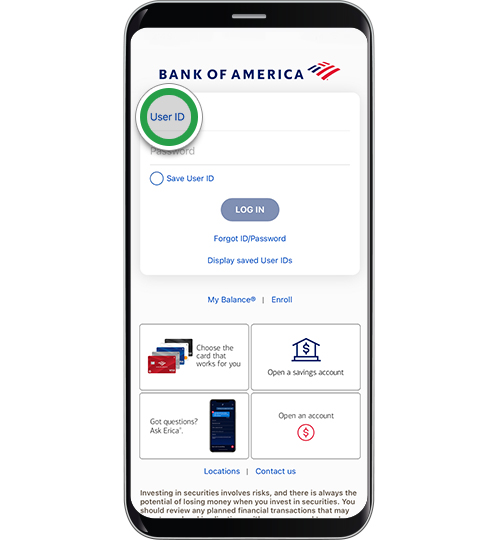
For many, the digital route is the most convenient. However, Bank of America often requires that accounts have a zero balance before they can be closed through the online chat or secure message center. You can log into the BofA mobile app or website and use the “Help & Support” feature to initiate a chat with a representative. State clearly that you wish to close your account. They will verify your identity and check for any “held” funds or pending issues. If the account is eligible for closure, they can process it digitally, and you will receive a confirmation message in your secure inbox.
The In-Person Method: Visiting a Financial Center
For those who prefer a paper trail and a face-to-face interaction, visiting a Bank of America financial center is the most definitive method. It is highly recommended to schedule an appointment online beforehand to avoid long wait times.
When you meet with a personal banker, bring a valid government-issued ID and your final account details. The benefit of this method is that the banker can cut you a cashier’s check for your remaining balance on the spot (though fees may apply). This provides immediate liquidity that you can then take to your new bank. Ensure you request a written confirmation or a receipt stating that the account has been closed at your request and has a $0.00 balance.
Closing via Phone or Written Request
If you are unable to visit a branch and prefer not to use the app, you can call Bank of America’s customer service line. Be prepared for the representative to attempt a “retention” pitch, offering to waive fees or provide new perks to keep your business. If your mind is made up, remain firm but professional.
Alternatively, you can send a notarized letter to Bank of America’s formal mailing address for account closures. This letter should include your name, account number, and instructions on where to send the remaining balance. While this is the slowest method, it provides a strong legal record of your request.
Navigating Post-Closure Requirements and Potential Pitfalls
The period immediately following the closure of a bank account is a critical window. Many consumers assume that once they receive a confirmation, the process is over. However, certain financial mechanics can cause a “closed” account to reactivate.
Understanding Final Statements and Residual Interest
If you are closing a savings account or an interest-bearing checking account, you may have “accrued but unpaid” interest. This is interest that you earned during the month but hasn’t been credited to your balance yet. When the bank processes the final closure, this residual interest may be paid out in a final statement. Ensure you keep an eye on your mail or your digital access (which usually remains active for a short period for tax purposes) to ensure you receive this final distribution.
Managing Account Fees and Minimum Balance Requirements
A common pitfall occurs when a user withdraws all their money a few days before closing the account. If your account requires a minimum daily balance to avoid a monthly maintenance fee, and your balance hits zero, the bank’s automated system might trigger a fee. If the account is then closed with a negative balance (due to the fee), it could be reported to ChexSystems—a specialized credit reporting agency for banking. This can make it difficult to open bank accounts in the future. To avoid this, ask the representative to waive the final month’s fee as part of the closure process.
Retaining Documentation for Your Records
In the world of personal finance, documentation is your greatest defense. Keep your final statement and the closure confirmation letter for at least seven years. This is important for tax reasons—especially if the account generated interest income—and for resolving any future disputes regarding “zombie” charges or credit reporting errors.
Strategic Asset Allocation After Closing
Once the Bank of America account is successfully shuttered, you find yourself in a position of total financial liquidity. This is a prime opportunity to practice strategic asset allocation, ensuring your money is working as hard as possible for you.
Moving Funds into High-Yield Savings or Investment Vehicles
If the funds you moved out of BofA were sitting in a standard savings account, they were likely earning a nominal interest rate (often as low as 0.01%). In the current economic climate, moving that capital into a High-Yield Savings Account (HYSA) or a Money Market Account (MMA) at a fintech-driven bank can significantly increase your passive income. For example, moving $10,000 from a 0.01% account to a 4.50% account results in an additional $449 in interest over a single year—a substantial gain for very little effort.
Consolidating Accounts for Better Financial Oversight
Closing an old account is often the first step toward “financial minimalism.” Managing multiple accounts across different institutions can lead to “subscription creep” and fragmented tracking of your net worth. By consolidating your funds into fewer, more efficient institutions, you can utilize tools like personal finance aggregators (e.g., Empower or Monarch Money) more effectively. This streamlined approach allows for better budgeting, more accurate tax planning, and a clearer view of your long-term financial trajectory.

Conclusion: Embracing Your Financial Evolution
Closing a Bank of America account is more than just a clerical task; it is an assertion of your financial autonomy. It signals that you are actively managing your wealth, seeking better terms, and refusing to settle for suboptimal financial products. By following a structured process—auditing your transactions, executing the closure through the proper channels, and strategically reinvesting the resulting liquidity—you turn a routine administrative chore into a catalyst for financial growth. As you move forward with your new financial institution, carry the lessons of this transition with you: stay vigilant with your statements, minimize unnecessary fees, and always ensure your capital is positioned in an environment that fosters its appreciation.
aViewFromTheCave is a participant in the Amazon Services LLC Associates Program, an affiliate advertising program designed to provide a means for sites to earn advertising fees by advertising and linking to Amazon.com. Amazon, the Amazon logo, AmazonSupply, and the AmazonSupply logo are trademarks of Amazon.com, Inc. or its affiliates. As an Amazon Associate we earn affiliate commissions from qualifying purchases.