
Closing a bank account is more than just a simple administrative task; it is a significant move in your personal financial journey. Whether you are migrating to a high-yield savings account, moving to a credit union, or consolidating your assets for better oversight, the process of closing a Bank of America (BoA) account requires a strategic approach. Doing so incorrectly can lead to overlooked fees, missed payments, and potential hits to your financial reputation. This guide provides an in-depth look at how to navigate the closure process while maintaining optimal financial health.
Preparing Your Finances Before Closing Your Account
Before you initiate the closure of your Bank of America account, you must ensure that your financial ecosystem is prepared for the transition. Abruptly closing an account without prior planning can result in “zombie” transactions—payments that attempt to clear after the account is shut down—which can lead to significant headaches.
Clearing Pending Transactions and Direct Deposits
The first step in any account closure is a thorough audit of your recent activity. Ensure that all pending transactions, including debit card purchases and checks you have written, have fully cleared. If a merchant attempts to process a payment after you have requested a closure, the bank may either deny the transaction or, in some cases, reopen the account and charge an overdraft fee.
Simultaneously, you must redirect your income. If your salary is paid via direct deposit, notify your employer’s payroll department at least two pay cycles before you plan to close the BoA account. Provide them with your new account and routing numbers to ensure your liquidity is not interrupted during the transition.
Managing Recurring Payments and Automated Transfers
In the age of subscription services, many of us have dozens of automated withdrawals linked to our bank accounts. From utility bills and insurance premiums to gym memberships and streaming services, each one must be manually updated.
Create a checklist by reviewing the last three months of bank statements. Identify every recurring ACH transfer or “Bill Pay” setup. Update these to your new financial institution before the BoA account reaches a zero balance. Neglecting even one small subscription can result in late fees or a negative mark on your internal banking history.
Evaluating the Financial Impact of Closing the Account
From a wealth management perspective, consider the timing of your closure. If your BoA account is part of a “Preferred Rewards” tier, closing it might affect the interest rates on your credit cards or the rewards structure of your BoA-linked investment accounts (via Merrill). Furthermore, consider the age of the account. While closing a checking or savings account does not directly impact your credit score (unlike closing a credit card), having a long-standing relationship with a major bank can occasionally be beneficial when applying for a mortgage or personal loan within that same ecosystem.
The Step-by-Step Process to Closing a Bank of America Account
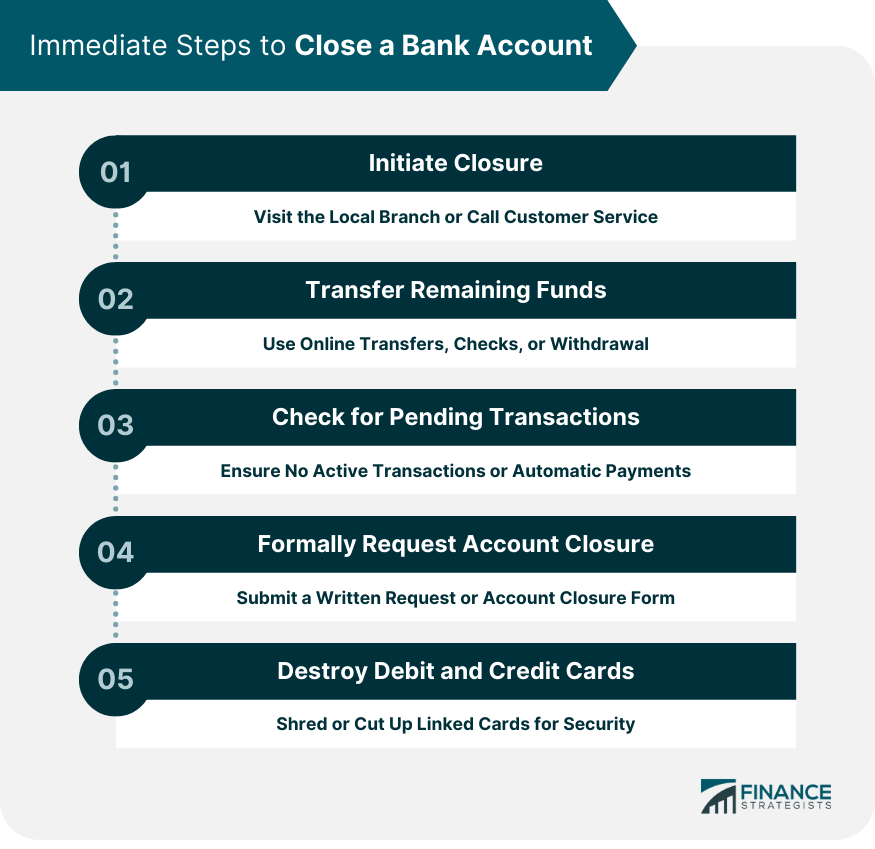
Bank of America offers several channels for closing an account. The method you choose may depend on your proximity to a physical branch and the complexity of your account structure.
Method 1: Closing Your Account Online or via the Mobile App
For many modern consumers, the convenience of digital banking is paramount. While Bank of America allows you to perform most tasks online, closing a primary checking or savings account often requires a secure message through the Online Banking portal.
Log in to your account, navigate to the “Help & Support” tab, and use the “Contact Us” or “Secure Message Center” feature. State clearly that you wish to close your account. Be aware that the bank may require you to have a $0 balance before they can finalize the request through this channel. If your account is overdrawn or has a significant balance, the digital assistant may redirect you to a phone representative.
Method 2: Visiting a Local Financial Center
For those who prefer a “paper trail” and immediate confirmation, visiting a Bank of America financial center is the most reliable method. To save time, it is highly recommended to schedule an appointment through the BoA mobile app or website.
When you meet with a personal banker, bring a valid government-issued ID and your final debit card. The banker will verify your identity, process the remaining balance, and provide you with a printed confirmation of the closure. This document is your primary defense should any disputes arise in the future regarding “unpaid fees” or “unauthorized activity” on a closed account.
Method 3: Closing via Phone or Written Request
If you have moved to a location without a nearby branch, you can close the account by calling Bank of America’s customer service line. Be prepared for a retention pitch; the representative may offer to waive fees or provide other incentives to keep your business. If your mind is made up, remain firm and request a reference number for the call.

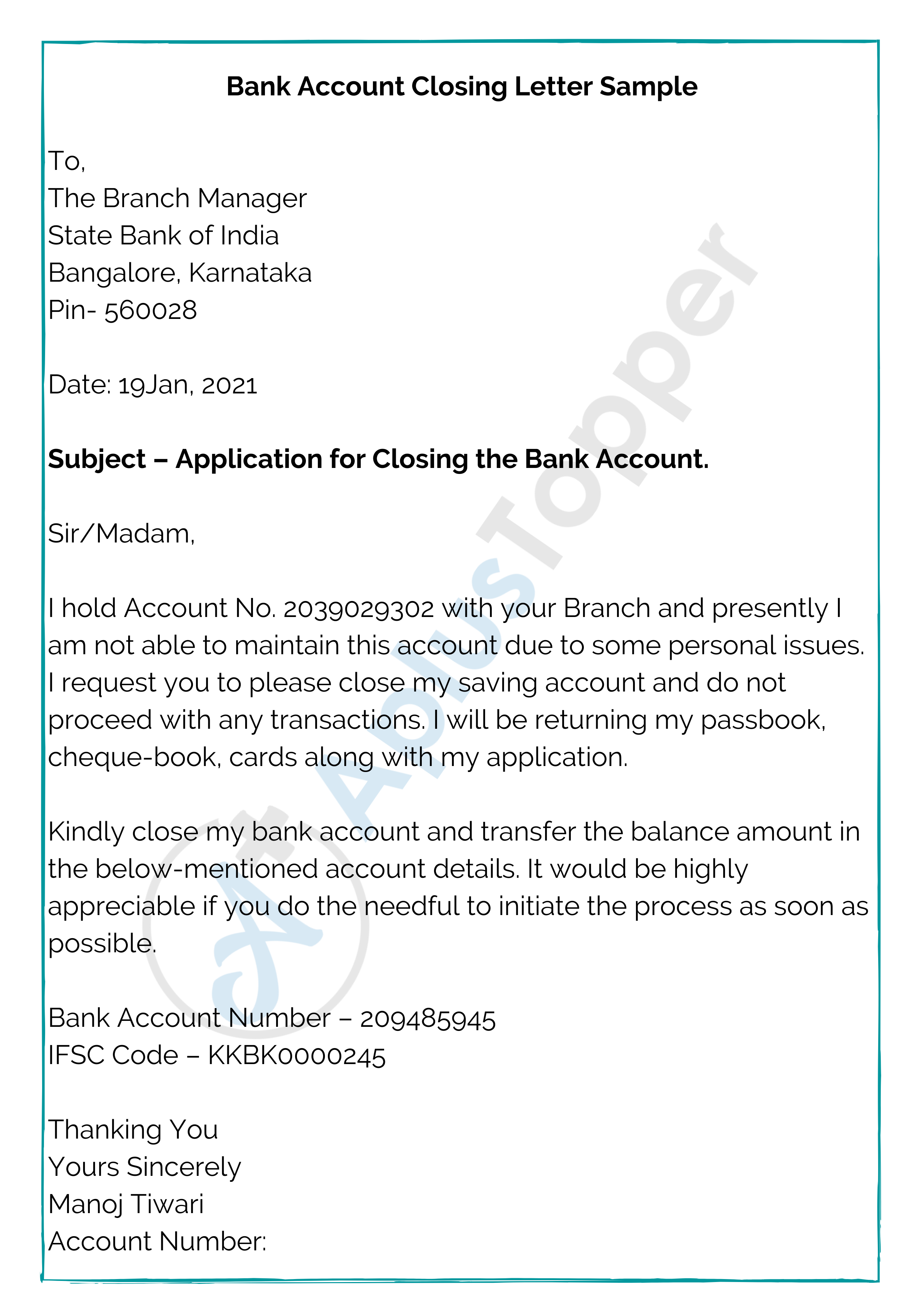
Alternatively, you can send a notarized letter to Bank of America’s corporate mailing address. This letter should include your account number, a clear request for closure, and instructions on where to send the remaining balance. This is often the slowest method but provides a formal legal record of your request.
What to Do With Your Remaining Balance
Handling the capital remaining in your account is a critical part of the closure process. You want to ensure that every cent is accounted for and moved efficiently to its next destination.
Transferring Funds to a New Institution
The most efficient way to handle your remaining balance is to transfer it to your new bank before you initiate the closure. You can do this via an ACH transfer or a wire transfer. However, be cautious not to transfer so much that you fall below the minimum balance requirement for your BoA account tier, as this could trigger a monthly maintenance fee just days before the account is closed. Leave a small “buffer” of $50 to $100 until the very last day to cover any unexpected tail-end charges.
Requesting a Cashier’s Check
If you are closing your account in person and have a significant balance, you can request a cashier’s check. This is a secure way to move large sums of money. Bank of America may charge a fee for the issuance of the check depending on your account type, so factor this into your costs. Once you have the check, deposit it immediately into your new account to ensure your money continues to work for you, rather than sitting as uninvested cash.
Understanding Potential Closing Fees and Minimum Balance Requirements
Bank of America typically does not charge a “closure fee” in the traditional sense. However, they are vigilant about maintenance fees. If your account balance drops below the required minimum while you are in the process of moving money, a fee (often between $12 and $25) may be assessed. Ensure that your final transfer accounts for these rules. If you are closing an account that was recently opened (usually within 90 days), some banks may charge an “early account closure fee,” though this is less common with major national banks like BoA compared to smaller regional institutions.
Post-Closure Financial Hygiene and Record Keeping
The process does not end the moment the banker tells you the account is closed. Protecting your financial identity and ensuring long-term record accuracy is essential.
Obtaining Final Statements for Tax Purposes
Ensure you download the last 12 to 24 months of bank statements before your online access is revoked. Once the account is closed, your digital login may no longer function. These statements are vital for tax preparation, especially if you have used the account for business expenses, mortgage payments, or charitable donations. Bank of America may charge a fee to mail you paper copies of statements once the account is inactive.
Safely Disposing of Debit Cards and Checks
Physical security is a cornerstone of personal finance. Once the account is closed, your debit cards and unused checkbooks become liabilities. Do not simply throw them in the trash. Use a cross-cut shredder to destroy debit cards, ensuring the chip and the magnetic stripe are obliterated. For checks, shred them or use a heavy permanent marker to redact the account and routing numbers before disposal. This prevents “dumpster diving” identity theft, which can lead to fraudulent attempts to reopen accounts in your name.
Monitoring Your Credit Report and Financial Security
While checking accounts do not appear on your standard credit report, they are tracked by agencies like ChexSystems. This agency monitors how consumers manage bank accounts. If an account is closed with a negative balance due to unpaid fees, it will be reported to ChexSystems, making it very difficult for you to open an account at another bank for several years. Approximately 30 days after closing your BoA account, you may want to request a free disclosure report from ChexSystems to ensure the account is listed as “Closed at Consumer Request” with a zero balance.
Choosing Your Next Financial Institution
Closing an account is often the result of a search for better financial tools. As you move away from Bank of America, it is worth analyzing why you left and what your new goals are.
Comparing High-Yield Savings Accounts vs. Traditional Banking
If you are closing a BoA savings account because of low interest rates (which often hover near 0.01%), you are likely looking toward High-Yield Savings Accounts (HYSA). Online-only banks frequently offer rates that are 10 to 50 times higher than traditional brick-and-mortar institutions. When selecting a new home for your money, prioritize FDIC insurance, the absence of monthly maintenance fees, and the quality of the digital interface.
Aligning New Bank Features with Your Financial Goals
Your choice of a new bank should align with your specific financial trajectory. Are you looking for a bank that offers robust small business tools? Are you a frequent international traveler who needs an account with no foreign transaction fees? Or perhaps you are looking for a credit union that offers lower interest rates on auto loans. By moving your capital away from a major institution like Bank of America, you gain the opportunity to “unbundle” your financial services, picking the best-in-class provider for each of your specific needs, from high-interest savings to low-fee brokerage accounts.
aViewFromTheCave is a participant in the Amazon Services LLC Associates Program, an affiliate advertising program designed to provide a means for sites to earn advertising fees by advertising and linking to Amazon.com. Amazon, the Amazon logo, AmazonSupply, and the AmazonSupply logo are trademarks of Amazon.com, Inc. or its affiliates. As an Amazon Associate we earn affiliate commissions from qualifying purchases.