
Spain, a vibrant tapestry of culture, history, and stunning landscapes, is a premier destination for tourists, a strategic hub for international businesses, and a popular choice for expatriates. Whether you’re planning a holiday, considering an investment, or looking to relocate, one of the most fundamental financial questions you’ll encounter is concerning the local currency. The answer, straightforward yet rich with implications for personal finance, investment, and business operations, is the Euro (€).
The Euro is not just a medium of exchange; it’s a cornerstone of the European Union’s economic integration, influencing everything from daily coffee purchases to major real estate transactions. Understanding its nuances, how to manage it effectively, and its broader impact on financial planning is crucial for anyone engaging with the Spanish economy. This article delves into the specifics of using the Euro in Spain, offering insights for travelers, businesses, and financial enthusiasts alike to ensure a smooth and financially savvy experience.
The Euro: Spain’s Official Currency and Its History
For over two decades, the Euro has been the bedrock of Spain’s financial system, facilitating seamless economic activity across its borders and within the broader Eurozone. Its introduction marked a pivotal moment, symbolizing unity and stability within Europe.
From Peseta to Euro: A Seamless Transition
Prior to the Euro, Spain’s national currency was the Spanish Peseta (PTA), a currency that had been in circulation for well over a century. The transition to the Euro began on January 1, 1999, when the Euro was introduced as an accounting currency, and fully materialized on January 1, 2002, when Euro banknotes and coins were physically introduced. This dual circulation period, where both Pesetas and Euros were legal tender, allowed citizens to gradually adapt to the new currency. The conversion rate was fixed at 1 Euro = 166.386 Pesetas. This transition was meticulously managed, with extensive public information campaigns ensuring that individuals and businesses understood the change, helping to foster a smooth and relatively seamless integration into the Eurozone. For businesses, this meant recalibrating pricing, accounting systems, and payment infrastructures, a monumental but ultimately successful undertaking that unlocked new economic efficiencies. For the average Spaniard, it meant getting used to new denominations and a different feel for value, a learning curve that quickly became second nature.
Understanding Euro Denominations and Security Features
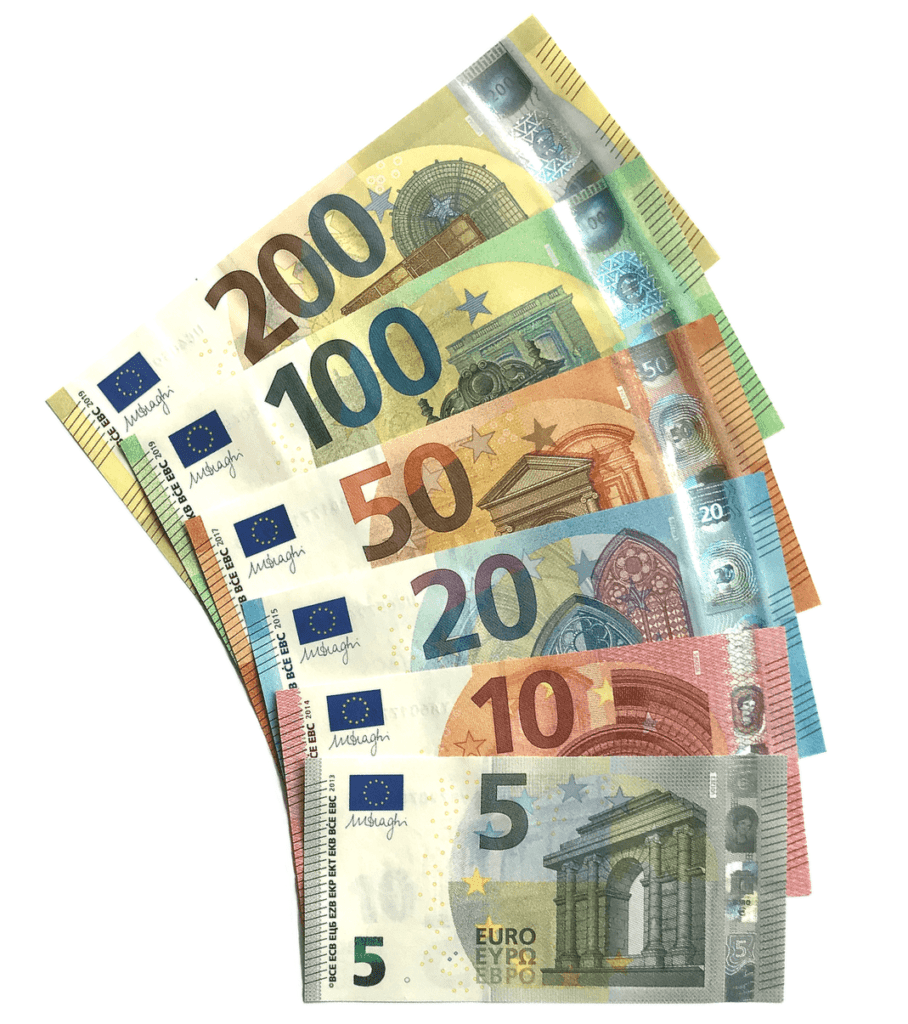
The Euro currency system is designed for both convenience and security. Euro banknotes come in seven denominations: €5, €10, €20, €50, €100, €200, and €500. Each denomination has a distinct color and depicts architectural styles from different periods of European history, but these are generic illustrations and not actual existing monuments, symbolizing the open and outward-looking spirit of the European Union. While the €200 and especially the €500 notes are legal tender, they are less commonly seen in daily transactions and some establishments may be hesitant to accept the higher denominations due to concerns about counterfeiting or lack of change. It is generally advisable to carry smaller denominations for everyday purchases.
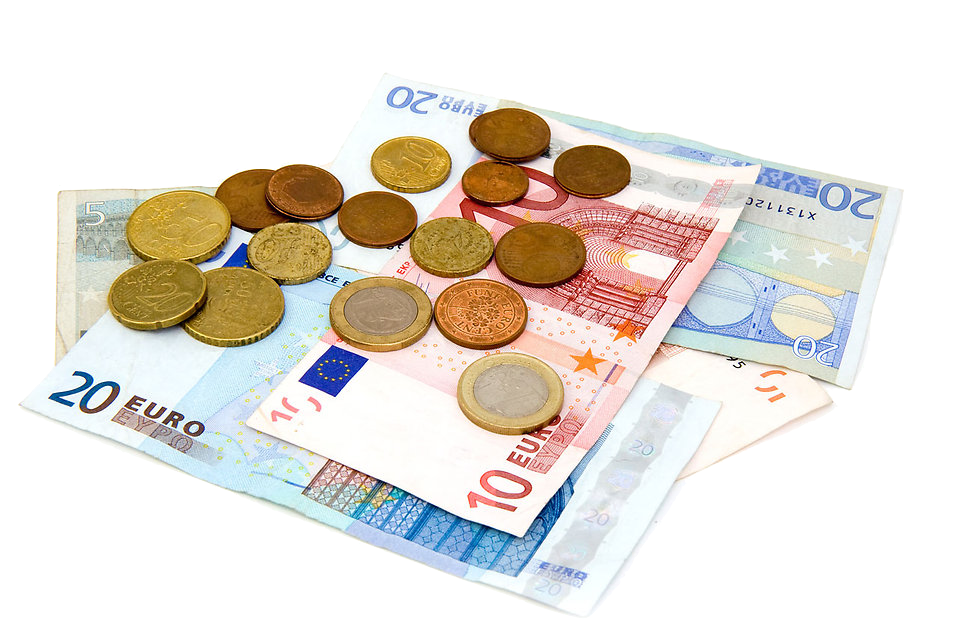
Euro coins are issued in eight denominations: 1, 2, 5, 10, 20, 50 cents, €1, and €2. All Euro coins have a common side displaying a map of Europe, and a national side unique to the issuing country. In Spain, the national side of the coins features various images, including the Santiago de Compostela Cathedral, Miguel de Cervantes, and the portrait of King Felipe VI (or King Juan Carlos I on older coins). Despite their national designs, all Euro coins are legal tender across the entire Eurozone.
To combat counterfeiting, Euro banknotes are equipped with advanced security features, including watermarks, holograms, security threads, color-changing numbers, and raised print. It’s always a good practice, especially when handling larger sums, to familiarize oneself with these features, though the risk of encountering counterfeit currency in Spain for typical tourist transactions is relatively low.
Navigating Transactions in Spain: Practical Financial Advice
Once you understand the currency, the next step is to master the practicalities of spending and managing your money in Spain. Financial tools and strategies can significantly impact the cost and convenience of your stay or business operations.
Cash vs. Card: Making the Right Choice
Spain, like many modern European economies, offers a versatile payment landscape. Credit and debit cards are widely accepted in most urban areas, major retail chains, hotels, and restaurants. Visa and Mastercard are the most universally accepted, while American Express and Diners Club may have more limited acceptance, particularly in smaller establishments. Contactless payments (tap-and-go) using cards or mobile wallets are increasingly prevalent and convenient.
However, cash remains king in certain situations. For smaller purchases (e.g., a coffee, a pastry, a small souvenir), in rural areas, at local markets, or for street vendors, cash is often preferred or even required. Tipping practices in Spain are generally more modest than in some other countries, often involving rounding up the bill or leaving a small amount of change, for which cash is ideal. It is always wise to carry a small amount of Euro cash for these instances, perhaps €50-€100, to ensure you’re never caught off guard. Relying solely on cards can be inconvenient in less urbanized settings.
ATMs and Currency Exchange: Best Practices
Accessing cash in Spain is relatively easy due to a widespread network of ATMs (cajeros automáticos). Most ATMs accept major international debit and credit cards. To avoid excessive fees, it’s advisable to use ATMs affiliated with major banks (e.g., CaixaBank, BBVA, Santander, Sabadell) as they typically offer better exchange rates and lower withdrawal fees compared to independent ATMs often found in tourist areas or convenience stores. Always be wary of Dynamic Currency Conversion (DCC), where you are offered the choice to pay in your home currency. Always choose to be charged in Euros (€), as your bank will almost always offer a more favorable exchange rate than the ATM operator or merchant. Inform your bank before traveling to prevent your card from being flagged for suspicious activity.
Regarding currency exchange offices, these are generally found in airports, train stations, and popular tourist zones. While convenient, their exchange rates are often less favorable than those offered by ATMs or through dedicated travel money cards. It is almost always more cost-effective to withdraw Euros directly from an ATM using your debit card or a specialized travel card. Avoid exchanging large sums of cash at these bureaus unless absolutely necessary.
Mobile Payments and Digital Wallets
Spain has embraced digital payment solutions, enhancing convenience for both residents and visitors. Mobile payment apps like Apple Pay, Google Pay, and Samsung Pay are widely supported wherever contactless card payments are accepted. Many Spanish banks also offer their own mobile payment solutions. These methods offer an added layer of security, as your card details are tokenized and not directly shared with the merchant. For travelers, using a digital wallet linked to a multi-currency travel card can be an extremely efficient way to manage expenses, minimizing the need to carry physical cards or cash. The ease of tapping your phone or smartwatch to pay for anything from groceries to public transport tickets makes day-to-day transactions seamless.
Budgeting and Financial Planning for Your Spanish Endeavors
Effective financial planning is essential to maximize your experience in Spain, whether for a short trip or a longer stay. Understanding typical costs and smart money management strategies can help you control your spending and avoid unwelcome surprises.
Estimating Daily Expenses: A Traveler’s Guide
The cost of living and traveling in Spain can vary significantly depending on the city or region. Major cities like Barcelona and Madrid are generally more expensive than smaller towns or rural areas. For a budget traveler, daily expenses (accommodation in a hostel, basic meals, public transport, a few attractions) might range from €40-€70. A mid-range traveler (comfortable hotel, restaurant meals, more activities) might expect to spend €80-€150 per day. Luxury travel can easily exceed €200+ per day.
- Accommodation: Hostels can be found for €20-€40 per night. Mid-range hotels typically cost €70-€150.
- Food: A ‘menu del día’ (lunch special) can be a great value at €10-€15. A full dinner at a mid-range restaurant might cost €20-€40 per person. Tapas are generally affordable, ranging from €2-€5 per plate.
- Transportation: Public transport in cities is efficient and affordable, with single tickets usually around €1.50-€2.50. High-speed trains between cities can be pricey, but bus travel is a more economical alternative.
- Activities: Many museums offer free entry on certain days or times. Entry to major attractions can range from €10-€30.
Factoring in a buffer for unexpected costs is always a wise financial move.
Managing Exchange Rates and Fees
For those converting from non-Euro currencies, managing exchange rates and minimizing fees is paramount.
- Travel Cards/Multi-Currency Accounts: These are often the most cost-effective solutions. Companies like Revolut, Wise (formerly TransferWise), or local bank-issued travel cards allow you to load funds, convert them to Euros at interbank rates, and spend without foreign transaction fees. This approach locks in exchange rates when you convert, protecting you from rate fluctuations.
- Credit Cards with No Foreign Transaction Fees: Several credit cards specifically cater to travelers by waiving foreign transaction fees. While the exchange rate will be determined by your card network (Visa/Mastercard), this can be a good option for larger purchases.
- Avoid Airport Exchange Bureaus: As mentioned, these typically offer the worst rates.
- Monitor Exchange Rates: While difficult to perfectly time, being generally aware of current exchange rates can help you decide when to convert larger sums if you’re using a multi-currency account.
Being proactive about these choices can save a significant amount of money over the course of your trip or stay.
Tax-Free Shopping for Non-EU Visitors
Non-EU visitors to Spain can claim a Value Added Tax (VAT) refund on goods purchased and taken out of the EU. This typically applies to purchases over a certain amount (currently around €90.15 per store, though this can vary slightly and is subject to change). Look for stores displaying “Tax Free” shopping signs. You’ll need to fill out a tax-free form at the point of purchase, get it validated at customs when you exit the EU (often at the airport), and then present the validated form to a refund agency to receive your refund. This can lead to substantial savings on high-value items like fashion, electronics, and luxury goods, effectively reducing the overall cost of your shopping spree.
Business and Investment Considerations in a Eurozone Economy
For businesses and investors, Spain’s membership in the Eurozone presents a unique set of opportunities and financial dynamics that are crucial for strategic planning.
The Stability of the Euro for International Business
Operating within the Eurozone significantly simplifies international trade and investment for businesses dealing with Spain. The absence of currency conversion risk for transactions within the Eurozone eliminates exchange rate volatility, making cross-border pricing, budgeting, and financial forecasting much more predictable. This stability fosters greater certainty for import/export operations, facilitates intra-European supply chains, and reduces administrative burdens associated with managing multiple currencies. For businesses outside the Eurozone looking to enter the Spanish market, the Euro provides a single, widely accepted currency, simplifying payment processing and reducing foreign exchange costs compared to dealing with a national currency susceptible to significant fluctuations against major global currencies. This predictability makes Spain an attractive location for foreign direct investment, as the financial environment is more stable and transparent.
Financial Regulations and Banking in Spain
Spain’s financial sector is well-developed and regulated by both national authorities (like the Bank of Spain) and supranational bodies (like the European Central Bank). Opening a bank account in Spain is a relatively straightforward process for residents and non-residents, though requirements may vary. Typically, you’ll need a passport, an NIE number (foreigner identification number), and proof of address. Spanish banks offer a full range of services, including current accounts, savings accounts, credit cards, loans, and investment products. The banking sector has undergone significant consolidation and modernization, offering robust digital banking services. Understanding local financial regulations, tax obligations (corporate income tax, VAT), and legal frameworks is critical for any business or individual planning long-term financial engagement in Spain. Seeking advice from a local financial advisor or accountant can be invaluable for navigating these complexities and ensuring compliance.
Investment Opportunities and Market Dynamics
As part of the Eurozone, Spain benefits from a large, integrated market and a stable monetary policy, making it an attractive destination for various types of investment. Key sectors for investment include:
- Tourism: Spain remains a global leader in tourism, with ongoing opportunities in hospitality, travel technology, and related services.
- Real Estate: The Spanish real estate market has shown resilience and offers diverse opportunities, from residential properties in popular coastal areas and cities to commercial developments.
- Renewable Energy: Spain is a pioneer in renewable energy, particularly solar and wind power, attracting significant investment in green technologies and infrastructure.
- Logistics and Infrastructure: Its strategic geographic location and modern infrastructure make Spain a hub for logistics, with ongoing investment in ports, airports, and transport networks.
- Technology and Startups: Cities like Barcelona and Madrid are emerging as vibrant tech hubs, fostering innovation and attracting venture capital.
Investors need to consider Eurozone-wide economic trends, interest rate policies set by the ECB, and specific Spanish economic indicators. While the Euro provides stability, global economic shifts and internal Eurozone policies can still influence market dynamics. Due diligence, understanding local market conditions, and considering the broader European economic landscape are crucial for making informed investment decisions.
Conclusion
Understanding the currency of Spain, the Euro, is the first step towards a financially successful journey or venture in the country. From managing daily expenses as a traveler to navigating complex investment landscapes, the Euro plays a central role. Its stability, universal acceptance within the Eurozone, and sophisticated financial infrastructure make transactions relatively seamless, but proactive financial planning remains essential.
By being informed about Euro denominations, making smart choices between cash and card, utilizing ATMs effectively, exploring tax-free shopping, and understanding the broader economic implications for business and investment, individuals and entities can optimize their financial interactions with Spain. The Euro represents not just money, but a gateway to a rich array of experiences and opportunities within this fascinating European nation, underpinned by a stable and integrated financial system. Embrace smart money management, and Spain’s economic and cultural treasures will be yours to explore with confidence and ease.
aViewFromTheCave is a participant in the Amazon Services LLC Associates Program, an affiliate advertising program designed to provide a means for sites to earn advertising fees by advertising and linking to Amazon.com. Amazon, the Amazon logo, AmazonSupply, and the AmazonSupply logo are trademarks of Amazon.com, Inc. or its affiliates. As an Amazon Associate we earn affiliate commissions from qualifying purchases.