
The modern kitchen is no longer just a space for culinary preparation; it has become a laboratory of precision engineering and digital integration. At the heart of this transformation is the slow cooker—a device often dismissed as a simple heating element, yet one that relies on complex thermodynamics and electronic calibration to function effectively. When a consumer asks, “What temperature is low on a Crock-Pot?” they are not merely asking for a numerical value; they are inquiring about the thermal thresholds, duty cycles, and sensor logic that govern the appliance’s performance.
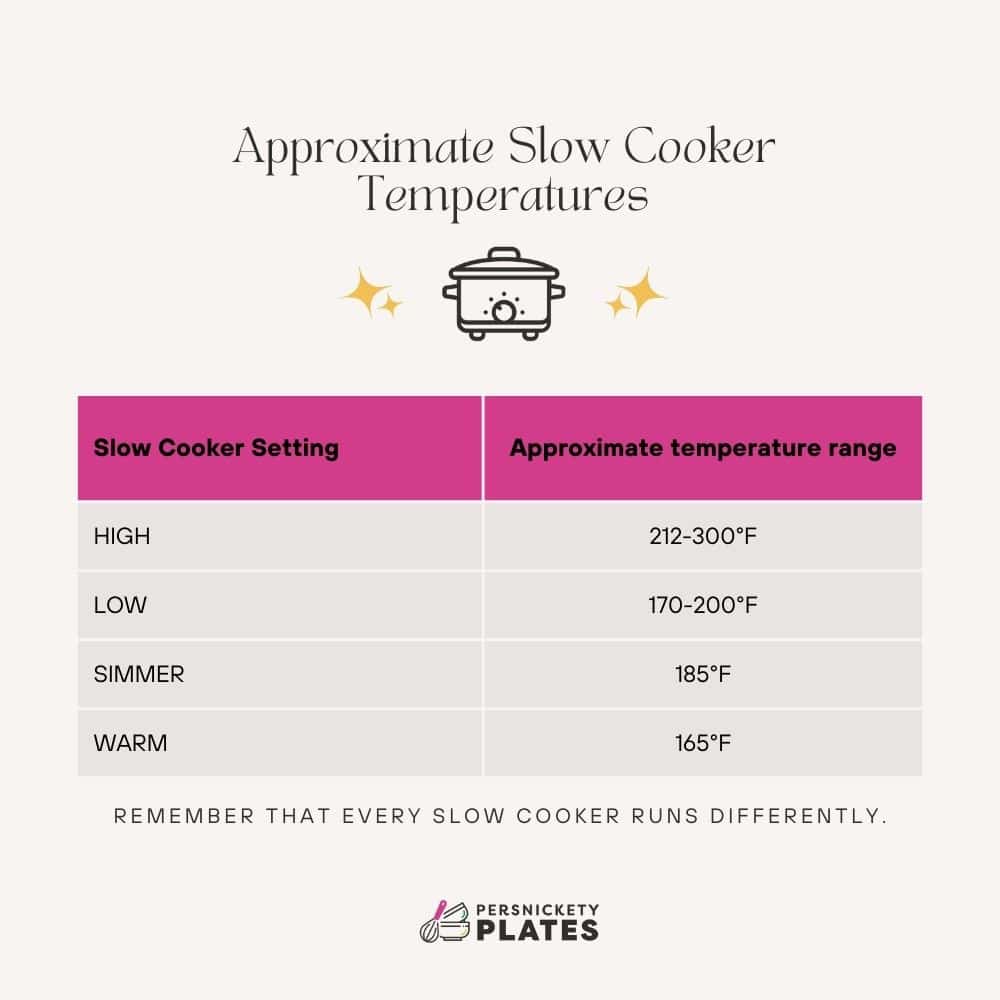
Technically speaking, the “Low” setting on most modern slow cookers aims for a stabilized temperature of approximately 190°F to 200°F (88°C to 93°C). However, the journey to that temperature and the technology used to maintain it reveal a fascinating intersection of electrical engineering and materials science.
The Science of Thermal Regulation in Slow Cooker Circuitry
To understand what defines the “Low” setting, one must first look at the internal components of the device. Unlike a stovetop, which provides direct heat, a slow cooker utilizes an indirect heating method facilitated by resistance wires wrapped around a metal housing that cradles a ceramic or porcelain vessel.
How Resistance Heating Elements Define “Low” vs. “High”
In traditional analog slow cookers, the distinction between “Low” and “High” is not necessarily a difference in the maximum temperature reached, but rather the rate at which that temperature is achieved (the “ramp-up” time). On the “Low” setting, the electrical resistance is configured to draw less wattage, heating the vessel more slowly.
From a technical standpoint, the heating element—typically made of a nichrome wire—generates infrared heat. On “Low,” the wattage consumption is generally around 75 to 150 watts, depending on the model’s volume. The engineering challenge is to ensure that the heat is distributed evenly across the surface area of the ceramic liner to prevent “hot spots” that could cause the vessel to crack or the food to scorch.
The Role of Thermostats and Thermal Fuses in Precision Cooking
Modern digital slow cookers have moved beyond simple resistive loops to include sophisticated thermal management systems. These units utilize internal thermostats—specifically, NTC (Negative Temperature Coefficient) thermistors—to monitor the temperature of the heating base.
When the device is set to “Low,” the internal control board manages the power delivery. If the thermistor detects that the temperature is rising too rapidly, the control board modulates the power. Additionally, every unit is equipped with a thermal fuse. This is a critical safety component designed to break the circuit if the device exceeds a specific safety threshold (usually around 400°F), preventing a “runaway” thermal event. This layer of hardware-level protection is what allows these machines to operate unattended for 8 to 10 hours.
Digital Evolution: From Analog Knobs to IoT Integration
The transition from mechanical switches to microprocessors has redefined the user experience of slow cooking. What was once a binary choice between “Low” and “High” has evolved into a customizable digital interface capable of complex algorithmic cooking cycles.
The Rise of Smart Sensors and PID Controllers
Higher-end slow cookers now employ PID (Proportional-Integral-Derivative) controllers. This is the same logic used in industrial automation and high-end espresso machines. Instead of simply turning the heat on or off, a PID controller calculates the “error” between the desired temperature (e.g., 195°F) and the current temperature, adjusting the power output in real-time.
This precision is particularly important for the “Low” setting. In older models, “Low” might fluctuate wildly depending on the ambient room temperature. With PID-integrated sensors, the device can compensate for a cold kitchen or a frozen roast, ensuring that the internal temperature remains within a tight 2-degree margin. This level of technical accuracy is essential for “Low” temperature cooking, where the goal is to break down collagen in meats without reaching a rolling boil.
Mobile Connectivity and Cloud-Based Cooking Management
The integration of the Internet of Things (IoT) has brought the slow cooker into the ecosystem of the smart home. Brands have begun integrating Wi-Fi modules that allow users to monitor and adjust the temperature setting via smartphone apps.

Through these apps, a user can see a real-time graph of the thermal progress. If a user realizes they will be late returning home, they can remotely trigger the “Keep Warm” setting, which drops the temperature to a food-safe 165°F (74°C). This communication happens via cloud-based servers that send packets of data to the appliance’s onboard microcontroller, demonstrating how traditional kitchen gadgets are now part of a broader digital infrastructure.
Energy Efficiency and the Physics of Low-Temperature Extraction
From a technical efficiency perspective, the “Low” setting on a slow cooker is a marvel of energy conservation. When compared to a standard electric oven, which may pull 2,000 to 4,000 watts, the slow cooker’s 100-watt draw on “Low” represents a significant reduction in power consumption for long-duration tasks.
Analyzing Power Consumption: Wattage vs. Thermal Output
The efficiency of the “Low” setting is rooted in the insulation properties of the materials used. The ceramic “crock” is a poor conductor of heat but an excellent thermal mass. Once it reaches the target temperature of 190°F, it requires very little energy to maintain that state.
Engineers measure this through “thermal steady-state” analysis. On the “Low” setting, once the vessel is saturated with heat, the heating elements only need to fire intermittently to replace the heat lost through the lid. This “pulsing” or Pulse Width Modulation (PWM) is a digital technique where the power is flickered on and off at high frequencies to maintain a constant temperature without over-consuming electricity.
The Thermodynamics of Heat Retention in Ceramic Vessels
The design of the lid is another critical piece of tech. Most lids are made of tempered glass with a silicone or metal rim designed to create a “water seal.” As the moisture inside the vessel evaporates at the “Low” temperature, it condenses on the lid and runs back down, creating a vacuum-like seal.
This seal is vital for maintaining the internal environment. From a physics perspective, this prevents evaporative cooling. If the seal is broken, the temperature inside the vessel can drop by as much as 10 to 15 degrees in seconds, forcing the heating elements to ramp back up. Engineering the perfect weight and fit for the lid is essential to ensuring the “Low” setting remains stable over an 8-hour period.
Safety Standards and Algorithmic Thermal Management
The most significant technical hurdle for any “Low” temperature cooking device is food safety. The “danger zone” for bacterial growth is between 40°F and 140°F. The engineering objective of the “Low” setting is to move food through this zone as quickly as possible, despite the lower wattage.
Modern Safety Protocols: Preventing Overheating through Software
In the early days of slow cooking, the “Low” setting was significantly cooler—often around 175°F. However, following revised food safety guidelines, manufacturers recalibrated the “Low” setting to be hotter to ensure that the contents reach 140°F within a safe timeframe (usually under 2 hours).
This is managed today through firmware. The microcontroller in a modern slow cooker has a pre-programmed “heat curve.” If the sensors detect that the temperature isn’t rising at a specific rate during the first hour on “Low,” the device may trigger an error code or automatically boost power temporarily to ensure safety. This algorithmic oversight is a hidden layer of protection that characterizes modern kitchen tech.

Future Trends: AI-Driven Recipe Optimization and Induction Heating
Looking forward, the technology behind the “Low” setting is set to evolve even further. We are seeing the introduction of induction heating in slow cookers. Unlike traditional resistive heating, induction uses electromagnetic fields to heat the vessel itself. This allows for near-instantaneous adjustments and even more precise “Low” temperature control.
Furthermore, Artificial Intelligence (AI) is beginning to play a role. Future devices may use weight sensors and moisture sensors to determine the exact volume of food inside the crock. The AI would then calculate the optimal “Low” temperature trajectory to maximize flavor extraction while minimizing energy use.
In conclusion, “Low” on a slow cooker is far more than a simple notch on a dial. It is a specific thermal target—roughly 190°F to 200°F—achieved through a sophisticated blend of resistance heating, digital sensor logic, and careful material selection. As we move deeper into the era of the smart home, the humble slow cooker continues to stand as a testament to the power of precision engineering in everyday life.
aViewFromTheCave is a participant in the Amazon Services LLC Associates Program, an affiliate advertising program designed to provide a means for sites to earn advertising fees by advertising and linking to Amazon.com. Amazon, the Amazon logo, AmazonSupply, and the AmazonSupply logo are trademarks of Amazon.com, Inc. or its affiliates. As an Amazon Associate we earn affiliate commissions from qualifying purchases.