
Snoring, often dismissed as a mere nocturnal annoyance, is far more prevalent and impactful than many realize. It’s a rhythmic, sometimes jarring, sound produced when airflow is obstructed during sleep, causing tissues in the throat to vibrate. While a partner’s grumbling might be the immediate consequence, snoring can signal underlying health issues, disrupt sleep quality for both the snorer and their bedmate, and significantly impact daily life. In an era increasingly defined by data and digital solutions, understanding the true prevalence of snoring has become crucial, not just for public health, but for the burgeoning industry of sleep technology aiming to address this widespread issue.
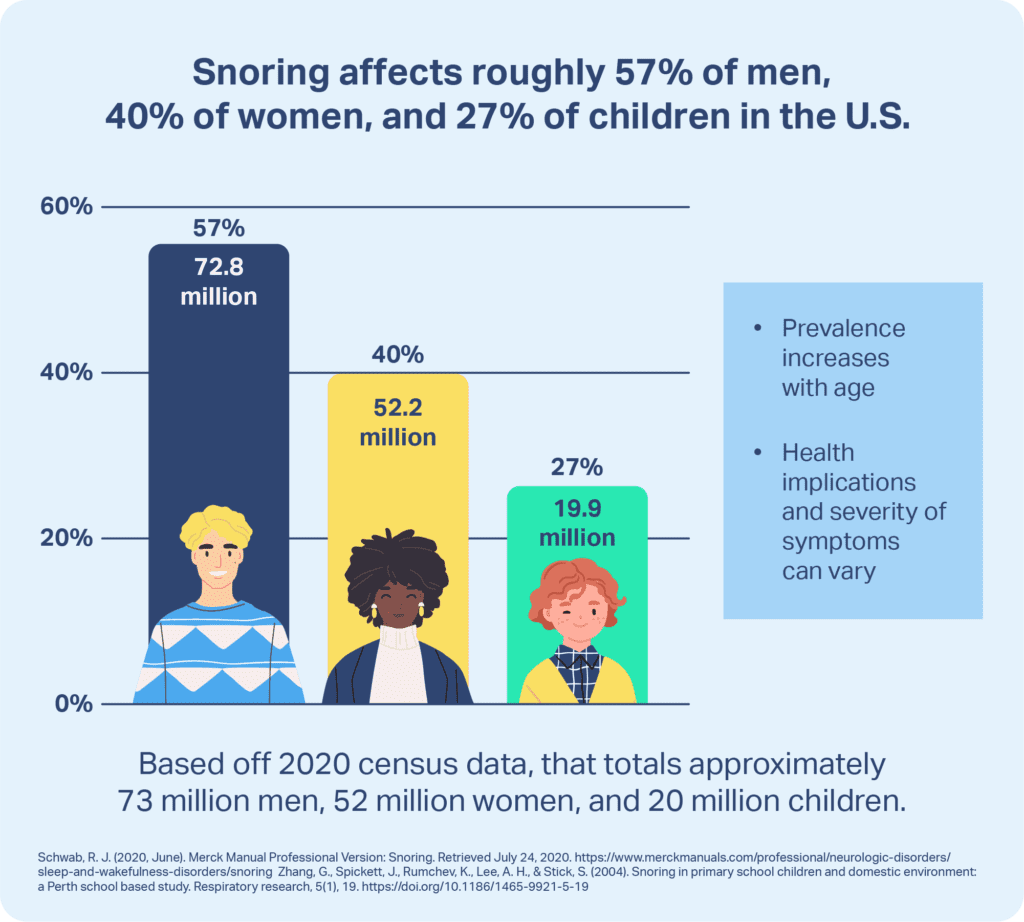
This article will delve into the striking statistics behind snoring, exploring its demographic reach and the serious implications it carries. More importantly, we will uncover how technology, from wearable devices and AI-powered apps to advanced therapeutic gadgets, is transforming our ability to detect, monitor, and ultimately mitigate the effects of this pervasive sleep phenomenon.
The Ubiquitous Rumble: Understanding Snoring Prevalence and Its Broader Impact
The question “what percentage of people snore” opens the door to a complex epidemiological landscape that affects millions globally. Far from being an isolated occurrence, snoring is a common experience that varies significantly across demographics and often worsens with age.
The Startling Statistics: Pinpointing the Numbers
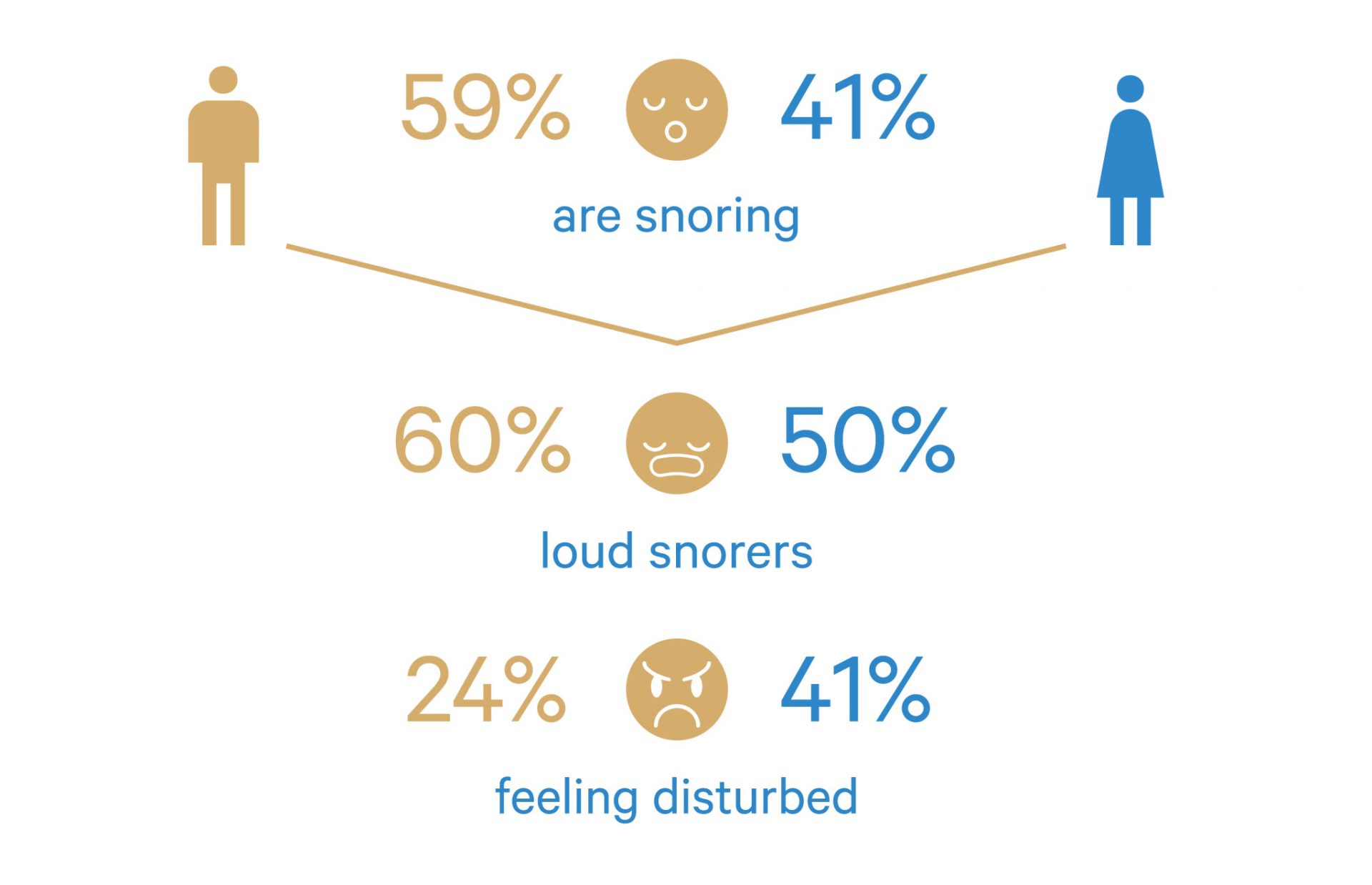
Estimates suggest that snoring affects a substantial portion of the adult population. Roughly 45% of adults snore occasionally, while approximately 25% are habitual snorers. These figures are not static; they fluctuate based on age, gender, lifestyle, and other physiological factors. Men, for instance, tend to snore more frequently than women, with studies indicating that around 40-50% of adult men are regular snorers compared to 20-30% of adult women. However, after menopause, the prevalence of snoring in women tends to increase, narrowing this gender gap. Children can also snore, with estimates suggesting 10-12% of children snore regularly, often linked to enlarged tonsils or adenoids.
These percentages highlight not just a common nuisance, but a widespread health concern that demands attention. The sheer volume of individuals affected underscores the need for effective detection and management strategies, increasingly powered by technological innovations.
Beyond the Noise: Health Implications
While snoring can sometimes be harmless, it frequently serves as a red flag for more serious underlying conditions, most notably Obstructive Sleep Apnea (OSA). OSA is a condition where breathing repeatedly stops and starts during sleep due to a complete or partial collapse of the airway. Left undiagnosed and untreated, OSA significantly increases the risk of high blood pressure, heart attack, stroke, diabetes, and even sudden death. Even without full-blown OSA, habitual snoring can lead to fragmented sleep, daytime fatigue, reduced concentration, and impaired cognitive function. It’s a critical area where early detection, facilitated by modern tech, can make a profound difference.
The Societal Burden: Strain on Relationships and Productivity
The impact of snoring extends beyond individual health. It’s a leading cause of sleep deprivation for bed partners, often leading to strained relationships, resentment, and even separate sleeping arrangements. The cumulative effect of disturbed sleep on both parties can result in decreased productivity, increased irritability, and a general reduction in quality of life. Understanding the prevalence of snoring helps quantify the scale of this societal burden, creating a clear mandate for accessible, user-friendly solutions that technology is uniquely positioned to provide.
The Dawn of Digital Sleep Monitoring: Tracking the Rumbles
In response to the widespread nature and significant impact of snoring, technology has stepped in to offer unprecedented ways to track, analyze, and understand this nocturnal phenomenon. Gone are the days when snoring was solely identified by a disgruntled bed partner; now, a suite of digital tools provides objective, actionable data.
Wearable Technology and Sleep Tracking
The ubiquitous rise of wearable technology has fundamentally changed how we monitor our health, and sleep is no exception. Smartwatches, fitness trackers, and even specialized sleep rings are equipped with advanced sensors (accelerometers, heart rate monitors, pulse oximeters) that can detect sleep stages, restless movements, and crucially, respiratory patterns indicative of snoring. Many devices integrate sophisticated algorithms that can identify periods of sleep disruption caused by snoring and even approximate the duration and intensity of these events. This passive, continuous monitoring provides individuals with valuable insights into their sleep patterns without requiring specialized equipment or clinical visits.
Dedicated Snore-Tracking Apps
Beyond multi-functional wearables, a host of dedicated mobile applications have emerged, designed specifically to detect and record snoring. These apps utilize a smartphone’s microphone to listen for snoring sounds throughout the night. Advanced versions don’t just record; they employ sophisticated sound analysis to differentiate snoring from other ambient noises, measure its intensity (often in decibels), and track its frequency. Many apps provide detailed graphs, trend analysis over time, and even audio clips of the loudest snores, offering users tangible evidence of their nocturnal activities. Features often include smart alarms that wake you during a light sleep stage, integration with other health platforms, and even positional therapy reminders.
AI and Machine Learning in Sleep Diagnostics
The true power behind modern sleep monitoring lies in Artificial Intelligence (AI) and Machine Learning (ML). These technologies are transforming raw data from wearables and apps into meaningful, clinically relevant insights. AI algorithms can analyze vast datasets of sleep patterns, heart rate variability, oxygen saturation, and audio recordings to identify subtle indicators of sleep disorders like OSA. They can learn to differentiate between benign snoring and more concerning respiratory events with remarkable accuracy, sometimes even surpassing human interpretation in consistency. This predictive capability allows for early detection, alerting users or healthcare providers to potential issues before they escalate, thereby streamlining the diagnostic pathway and facilitating timely intervention. AI is not just tracking; it’s interpreting and predicting, bringing sophisticated diagnostic capabilities closer to the consumer.
Innovative Tech Interventions: Beyond Traditional Solutions
While understanding the “what percentage of people snore” provides the scope of the problem, the real game-changer lies in technological solutions designed to alleviate or eliminate snoring. Innovation is pushing beyond conventional wisdom, offering smart, user-friendly devices that address various aspects of snoring.
Smart Devices for Snore Mitigation
A new generation of smart devices is emerging, focusing on direct intervention to reduce snoring. Smart pillows, for instance, are equipped with sensors that detect snoring and gently adjust their position or vibrate subtly to encourage the snorer to change sleeping positions without fully waking them. Similarly, positional therapy devices worn on the back or chest can deliver gentle vibrations or pressure cues to prevent back sleeping, a common trigger for snoring. There are also smart mouthpieces that use sensors to monitor jaw movement and deliver subtle electrical impulses to stimulate throat muscles, helping keep the airway open. These non-invasive, responsive devices offer a proactive approach to managing snoring, often leveraging real-time data to optimize their effectiveness.
Advanced CPAP and Oral Appliance Technologies
For those whose snoring is linked to more severe conditions like Obstructive Sleep Apnea, Continuous Positive Airway Pressure (CPAP) machines remain the gold standard. However, CPAP technology has evolved significantly. Modern CPAP devices are smaller, quieter, and more comfortable, often featuring automatic pressure adjustments, humidifiers, and heated tubing for enhanced user experience. Crucially, many now include wireless connectivity, allowing patients and their doctors to remotely monitor usage, compliance, and efficacy. This data-driven approach facilitates personalized therapy adjustments and improves long-term adherence. Similarly, custom-fitted oral appliances that reposition the jaw or tongue have become more sophisticated, often designed with 3D scanning and printing technologies for a perfect, comfortable fit, enhancing their effectiveness in keeping the airway open.
Telemedicine and Remote Sleep Studies
The COVID-19 pandemic accelerated the adoption of telemedicine, and sleep medicine has greatly benefited. Technology now allows for remote sleep studies (Home Sleep Apnea Tests – HSATs), where patients use portable monitoring devices in the comfort of their own homes. These devices collect data on breathing patterns, heart rate, oxygen levels, and snoring, which can then be transmitted wirelessly to a sleep specialist for interpretation. This eliminates the need for overnight stays in a sleep lab, making diagnosis more accessible, affordable, and less disruptive. Post-diagnosis, telemedicine platforms facilitate virtual consultations, prescription renewals, and ongoing management, ensuring continuous care and support.
The Future of Sleep Health: Predictive Analytics and Personalized Care
The trajectory of sleep technology points towards an increasingly personalized and preventive approach. The vast amounts of data being collected, coupled with advanced AI, are paving the way for a future where sleep health is deeply integrated into overall wellness.
AI-Driven Personalized Sleep Plans
Imagine a sleep coach tailored precisely to your unique biological rhythms and lifestyle. AI is making this a reality. By analyzing an individual’s long-term sleep data (including snoring patterns, sleep stages, activity levels, and even dietary inputs), AI algorithms can generate highly personalized recommendations. These might include optimal bedtime routines, dietary adjustments, exercise timings, or specific techniques to reduce snoring. This moves beyond generic advice to provide dynamic, adaptive plans that evolve with the individual’s needs, offering a truly custom approach to improving sleep quality.
Integrated Health Platforms
The future of sleep tech envisions seamless integration with broader health platforms. Sleep data, including snoring metrics, won’t exist in isolation but will become part of a holistic digital health record. This means that your sleep patterns could be correlated with blood pressure readings, glucose levels, mental health indicators, and even genetic predispositions. Such integrated platforms would allow healthcare providers to gain a comprehensive understanding of a patient’s health, identify interconnected issues, and develop more effective, preventative care strategies. For example, persistent snoring and fragmented sleep could trigger an automatic alert to a doctor, prompting an earlier intervention for potential cardiovascular risks.
Emerging Technologies: From Neurotech to Biofeedback
Beyond current innovations, exciting emerging technologies promise even more advanced solutions. Neurotechnology, for instance, is exploring ways to modulate brain activity during sleep to enhance deep sleep phases or reduce sleep-disrupting events. Devices utilizing biofeedback could train individuals to modify physiological responses (like muscle tension or breathing patterns) that contribute to snoring. Research into smart textiles embedded with micro-sensors could lead to clothing or bedding that unobtrusively monitors sleep and provides therapeutic interventions. These futuristic concepts underscore the rapid pace of innovation in the sleep tech space, driven by the persistent challenge of sleep disorders like snoring.
Navigating the Tech Landscape for Better Sleep
While technology offers incredible promise, leveraging it effectively requires thoughtful consideration. For the millions affected by snoring, choosing the right tools and understanding their limitations is key to achieving better sleep.
Choosing the Right Gadgets
With an explosion of sleep tech products on the market, selecting the most appropriate gadget can be overwhelming. It’s crucial to prioritize devices that offer clinically validated data, user-friendliness, and features relevant to your specific concerns. For general sleep tracking and basic snore detection, a reputable wearable might suffice. For more detailed snore analysis or intervention, a dedicated app or a smart anti-snoring device might be more appropriate. Always read reviews, understand the underlying technology, and consider whether the device integrates well with your existing digital ecosystem. The goal is to find tools that empower you with actionable insights, not just more data.
Data Privacy and Security Concerns
As sleep technology becomes more sophisticated and collects increasingly intimate physiological data, concerns around privacy and data security become paramount. Users must be diligent in understanding how their sleep data is collected, stored, and utilized by app developers and device manufacturers. Opt for products from reputable companies with transparent privacy policies. Be aware of how your data might be shared with third parties, and consider the implications of connecting your sleep data to broader health platforms. Protecting this personal information is crucial to maintaining trust and control over your digital health footprint.

The Human Element: When Technology Meets Professional Care
Crucially, while technology offers powerful tools for monitoring and managing snoring, it should not replace professional medical advice. Wearable devices and apps are excellent for awareness, tracking trends, and providing preliminary insights, but they are not diagnostic tools in themselves. If you suspect your snoring is indicative of a more serious condition like sleep apnea, or if your snoring is significantly impacting your quality of life, consult a healthcare professional. Sleep specialists can provide an accurate diagnosis, recommend appropriate treatment plans (which may include technological solutions), and ensure comprehensive care. Technology is an invaluable partner in sleep health, empowering individuals and aiding clinicians, but the guidance of a medical expert remains indispensable.
In conclusion, the question “what percentage of people snore” reveals a widespread challenge that demands innovative solutions. The tech industry has risen to meet this demand, offering an ever-evolving suite of tools that track, analyze, and intervene. From smart wearables to AI-driven diagnostics and advanced therapeutic devices, technology is not just helping us understand snoring better; it’s actively helping us achieve quieter, healthier nights for millions worldwide.
aViewFromTheCave is a participant in the Amazon Services LLC Associates Program, an affiliate advertising program designed to provide a means for sites to earn advertising fees by advertising and linking to Amazon.com. Amazon, the Amazon logo, AmazonSupply, and the AmazonSupply logo are trademarks of Amazon.com, Inc. or its affiliates. As an Amazon Associate we earn affiliate commissions from qualifying purchases.