
In the competitive landscape of modern commerce, “loyalty” is the holy grail of brand strategy. Every year, corporations spend billions of dollars attempting to decode why a consumer will wait in line for hours for a specific smartphone or choose one detergent over another for thirty years. Traditionally, marketers viewed loyalty through the lens of satisfaction and repeat purchases. However, advances in neuroscience have revealed that brand loyalty is not merely a cognitive habit or a rational choice; it is a complex biological process rooted deep within the human brain.
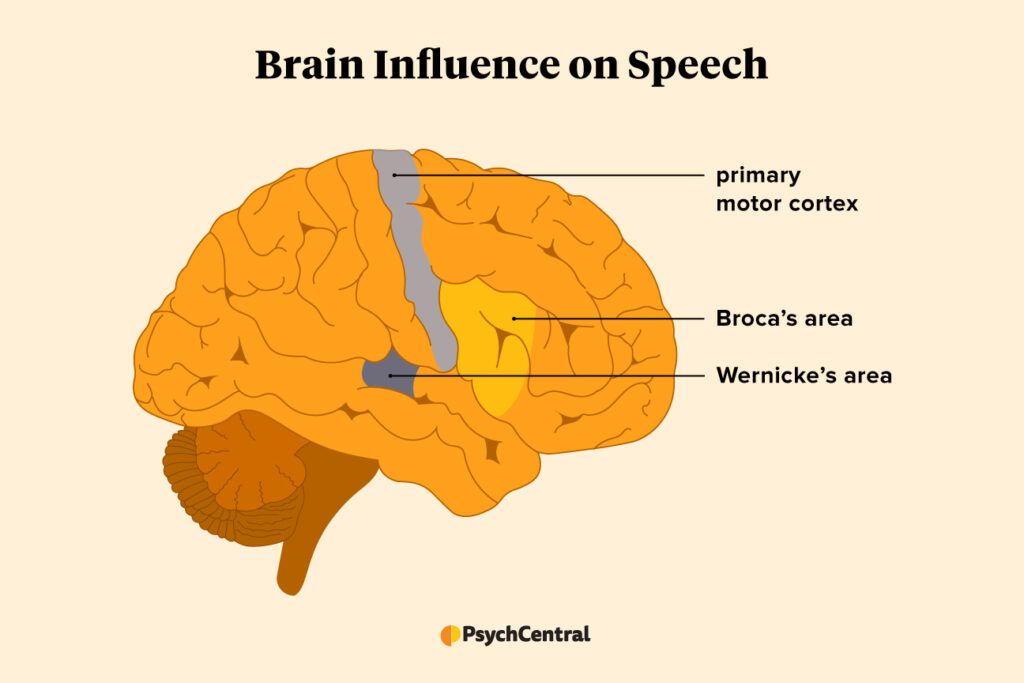
To understand brand loyalty is to understand the neural pathways that govern trust, reward, and identity. By examining the specific regions of the brain that light up when a consumer interacts with their favorite brand, marketers and brand strategists can move beyond guesswork and into the realm of biological resonance.
The Anatomy of a Brand Connection: Where Loyalty Resides
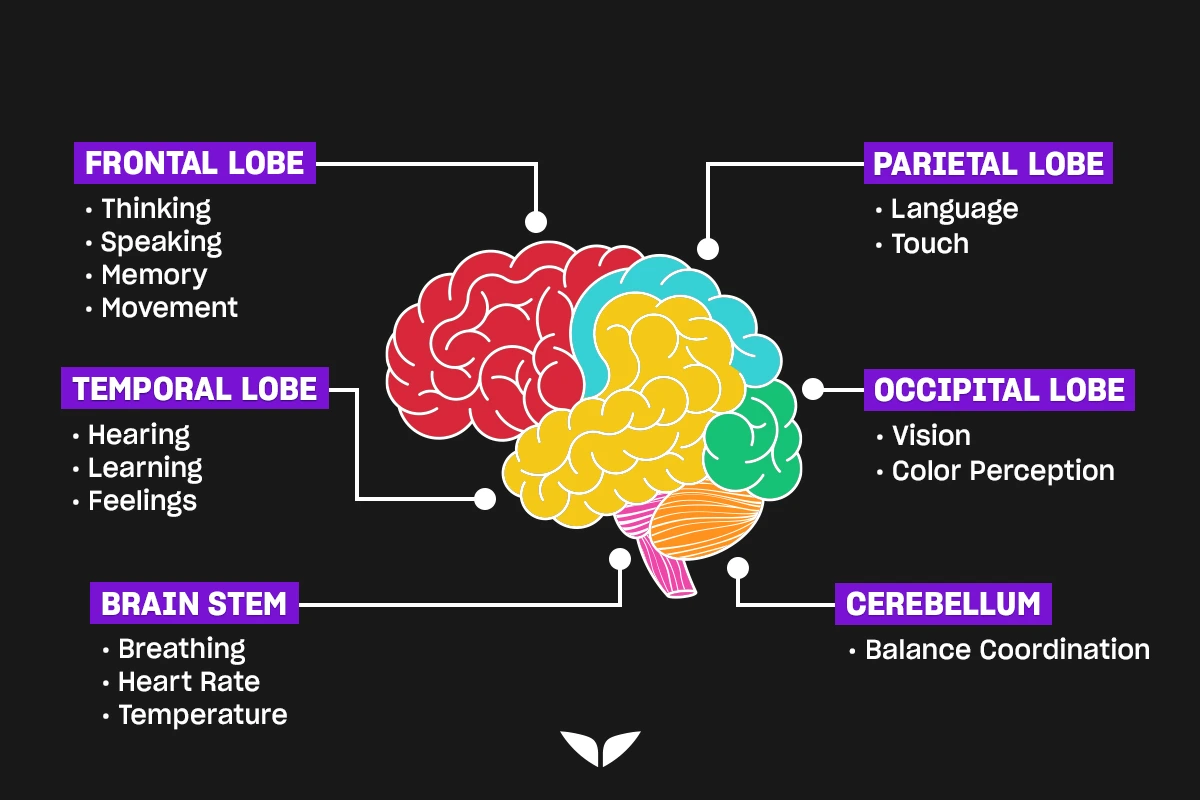
When we talk about loyalty, we are talking about a sophisticated interplay between several key brain regions. While no single “loyalty button” exists, neuroimaging studies (fMRI) have identified a network of areas that consistently activate when individuals engage with brands they are devoted to.
The Ventromedial Prefrontal Cortex (vmPFC) and Value Processing
The Ventromedial Prefrontal Cortex (vmPFC) is perhaps the most critical player in the neuroscience of brand strategy. This region is responsible for processing risk, fear, and—most importantly—subjective value. When a consumer evaluates a brand, the vmPFC aggregates information about the product’s quality, its price, and the emotional prestige associated with it.
A famous study involving the “Pepsi Challenge” revealed that when participants knew they were drinking Coca-Cola, their vmPFC showed significantly higher activity compared to when they drank it blindly. This suggests that the brand identity itself adds a layer of neural value that outweighs the physical sensation of taste. For brand strategists, the vmPFC is where “brand equity” is physically stored.
The Striatum: Rewards and Habit Formation
The striatum, particularly the nucleus accumbens, is the brain’s reward center. It is heavily involved in the release of dopamine, the neurotransmitter associated with pleasure and anticipation. When a brand consistently delivers a positive experience, the striatum encodes this as a “reward.”
Over time, this turns a conscious choice into a subconscious habit. This transition from the prefrontal cortex (rational thought) to the striatum (habitual behavior) is the moment a customer moves from being “satisfied” to being “loyal.” At this stage, the brain no longer needs to weigh the pros and cons of a purchase; it simply seeks the dopamine hit associated with the brand.
The Amygdala: The Emotional Anchor
Loyalty is rarely a purely logical endeavor. The amygdala, the brain’s emotional processing center, plays a vital role in attaching feelings to brand logos and identities. Brands that evoke strong emotions—whether it’s the nostalgia of a Disney film or the rugged sense of adventure associated with Patagonia—are processed through the amygdala. This emotional tagging makes the brand more memorable and harder to replace with a generic, “rational” alternative.
Beyond the Product: How Branding Triggers the Reward System
Successful brand strategy focuses on more than just the utility of a product; it focuses on the neurochemical response the brand elicits. To build deep-seated loyalty, a brand must effectively hijack the brain’s natural reward and social bonding systems.
Dopamine and the Anticipation of Experience
The common misconception is that dopamine is released when we receive a reward. In reality, neuroscience shows that dopamine is released during the anticipation of a reward. This is why the “unboxing” experience has become such a massive trend in brand marketing.
The sleek packaging of an Apple product or the notification sound of a Starbucks app triggers a dopamine spike before the consumer even touches the product. By mastering the cues that signal a reward is coming, brands can create a neurological “craving” that ensures the consumer returns time and time again.
Oxytocin and the Trust Bond
Oxytocin is often called the “love hormone” or “bonding molecule.” It is released during social bonding, such as between a parent and child or among close friends. Interestingly, brands that foster a sense of community—like Harley-Davidson or CrossFit—can actually trigger oxytocin release in their followers.
When a brand moves from being a faceless corporation to a “partner” or a member of an “in-group,” it fosters a level of trust that is neurologically similar to a human relationship. This is the pinnacle of brand strategy: transitioning from a transactional relationship to a social one. Once oxytocin is involved, the consumer’s brain is primed to overlook minor mistakes or price increases because they feel a “familial” bond with the brand.
Strategies for Building Neurological Loyalty
Knowing where loyalty lives is only half the battle. The real challenge for brand strategists is applying these neurological insights to create lasting corporate identities. To engage the brain’s loyalty centers, brands must utilize specific psychological triggers.
Narrative Branding: Engaging the Mirror Neuron System
Human beings are biologically wired for storytelling. When we hear a compelling narrative, our “mirror neurons” fire, making us feel as though we are part of the story. Brands that focus on a “Why” (their purpose) rather than just the “What” (their product) engage the brain’s narrative processing centers.
A brand like Nike doesn’t just sell shoes; it sells the story of the underdog overcoming adversity. This narrative allows the consumer to project themselves into the brand’s identity, making the brand a tool for their own self-expression. This self-congruence—the match between a consumer’s self-image and a brand’s image—is a powerful driver of vmPFC activation.
Sensory Branding: Creating Multi-Sensory Neural Pathways
The brain is more likely to form a lasting memory if multiple senses are engaged simultaneously. This is why sensory branding is a cornerstone of sophisticated marketing. The “new car smell,” the specific chime of a Netflix intro, or the tactile feel of a luxury handbag are not accidental.
These sensory inputs bypass the rational brain and head straight for the limbic system. By creating a multi-sensory brand identity, companies can create a more robust “neural footprint.” If a consumer can identify your brand by sound or touch alone, you have successfully occupied multiple territories in their brain, making your brand much harder to forget or replace.
Consistency and the Predictive Brain
The human brain is a prediction machine. It is constantly trying to minimize uncertainty to conserve energy. Brand loyalty is, in many ways, a shortcut the brain uses to avoid the “work” of making a decision.
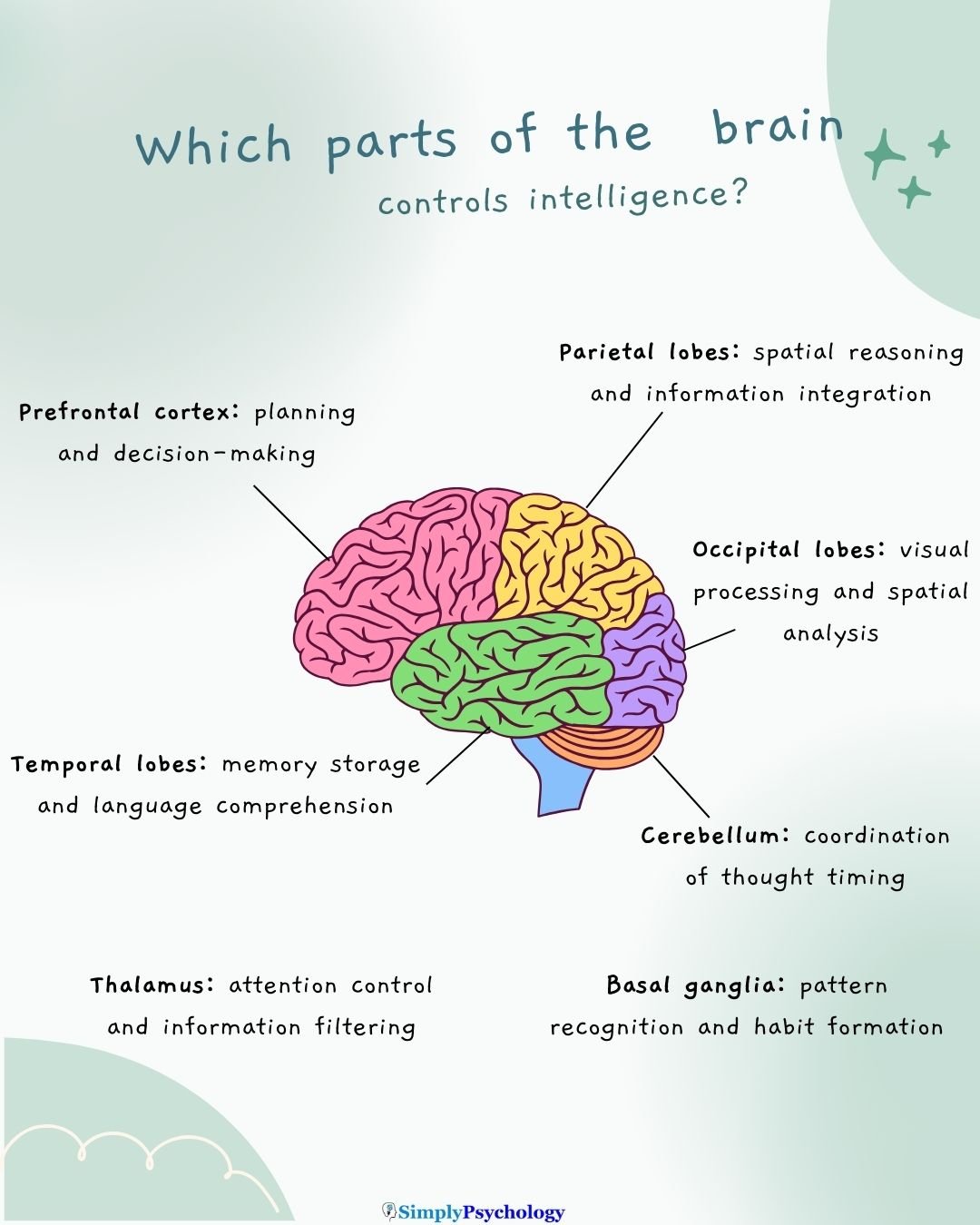
Consistency is the key to maintaining this shortcut. If a brand’s quality, messaging, or visual identity fluctuates, it creates “prediction errors” in the consumer’s brain. These errors trigger the anterior cingulate cortex, which signals conflict and prompts the brain to switch back to “rational/evaluative” mode. To maintain loyalty, a brand must be a reliable constant in the consumer’s environment, allowing the brain to stay in its comfortable, low-energy “habit” mode.
The Ethics of Neuromarketing and Brand Strategy
As our understanding of the “loyalty centers” of the brain grows, so does the responsibility of the brand strategist. The ability to influence the striatum and the amygdala carries significant ethical weight.
Transparency in Consumer Influence
The goal of leveraging neuroscience should not be to “trick” the brain into a purchase, but to remove the friction between a consumer and a product they genuinely value. Ethical brand strategy focuses on transparency. When consumers feel manipulated, the “insular cortex”—the part of the brain associated with disgust and social pain—activates. Once a brand triggers the insula, the damage to loyalty is often permanent.
Sustainable Loyalty vs. Manipulation
Short-term manipulation (like “dark patterns” in digital design) may trigger a one-time dopamine hit, but it does not build long-term loyalty. True brand devotion is built on a foundation of mutual value. Brands that use neuroscience to better understand their customers’ needs, reduce their cognitive load, and provide genuine emotional resonance are the ones that will thrive.
In the future of brand strategy, the winners will not be those who find the “buy button” in the brain, but those who understand that the brain is seeking connection, consistency, and a sense of belonging.
Conclusion: The Future of the Brand-Brain Connection
Brand loyalty is far more than a marketing metric; it is a neurological state of being. By understanding the roles of the vmPFC, the striatum, and the amygdala, we can see that loyalty is a blend of value assessment, habit, and emotion.
For the modern brand strategist, the mission is clear: move beyond the surface-level features of the product and tap into the deep-seated neural pathways that govern human behavior. By fostering trust through oxytocin, rewarding the brain through dopamine-rich anticipation, and providing a consistent narrative that the prefrontal cortex can adopt as its own, brands can move from being simple commodities to becoming essential parts of the consumer’s identity. In the end, the most powerful brands don’t just sit on a shelf; they live in the very architecture of the human brain.
aViewFromTheCave is a participant in the Amazon Services LLC Associates Program, an affiliate advertising program designed to provide a means for sites to earn advertising fees by advertising and linking to Amazon.com. Amazon, the Amazon logo, AmazonSupply, and the AmazonSupply logo are trademarks of Amazon.com, Inc. or its affiliates. As an Amazon Associate we earn affiliate commissions from qualifying purchases.