
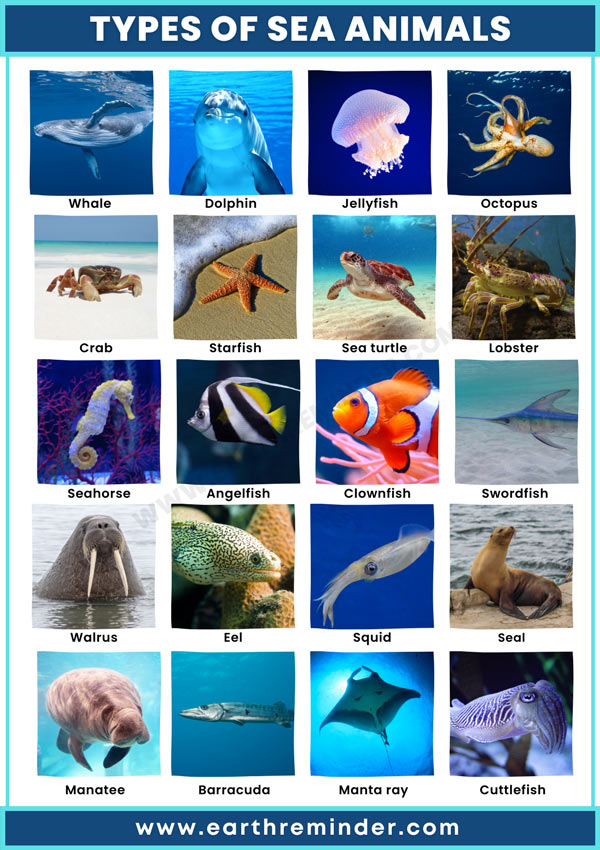
The ocean remains the final frontier of exploration on Earth. While we have mapped the surface of Mars with staggering precision, nearly 80% of our own oceans remain unmapped, unobserved, and unexplored. However, we are currently entering a golden age of marine discovery driven not by wooden ships and compasses, but by artificial intelligence, autonomous robotics, and high-throughput genomic sequencing. To answer the question of “what organisms live in the ocean,” modern science no longer relies solely on physical specimens caught in nets. Instead, a sophisticated technological stack is being deployed to identify, track, and simulate the billions of organisms that inhabit the blue depths.
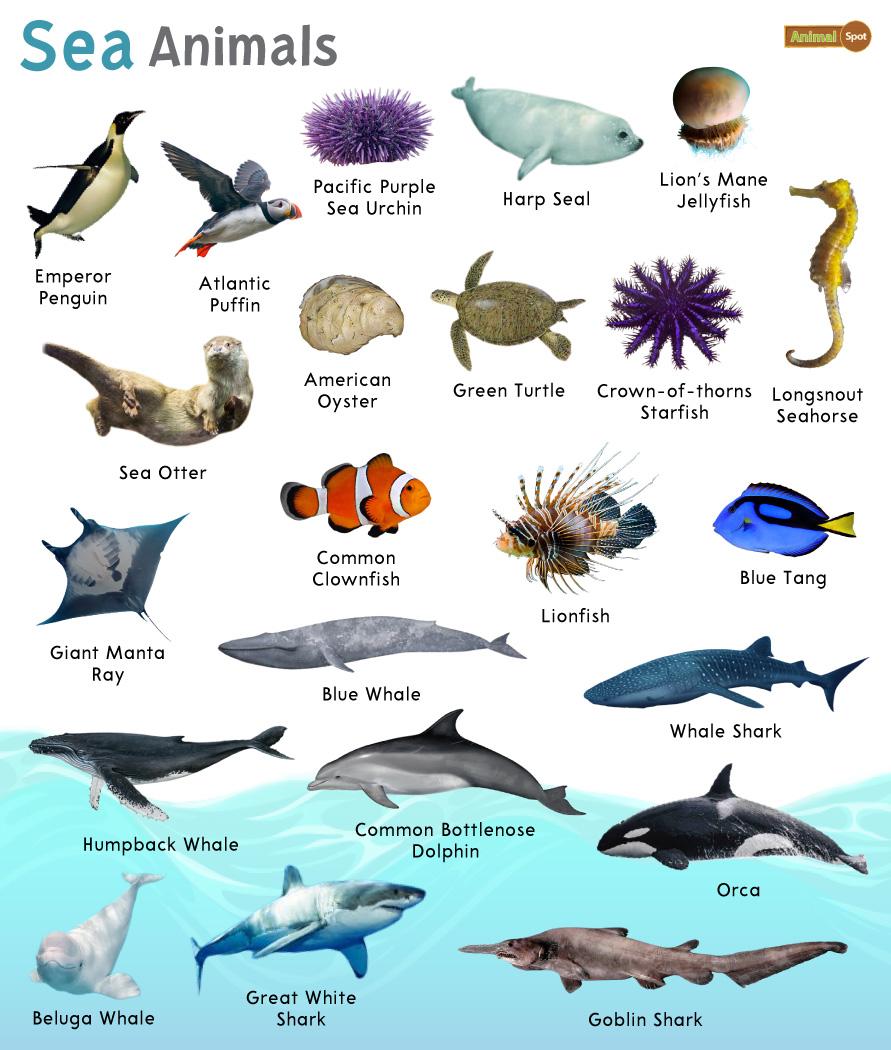
This digital revolution is transforming marine biology into a data-driven discipline. From the microscopic phytoplankton that produce half of the world’s oxygen to the giant squid lurking in the midnight zone, the “organisms” of the ocean are now being cataloged through a lens of high-tech innovation.
Autonomous Exploration: Robotics and the Mapping of Marine Life
The sheer pressure and cold of the deep ocean make it a hostile environment for human explorers. To understand the organisms living thousands of meters below the surface, we have turned to advanced robotics. These machines serve as our remote eyes and hands, capable of enduring conditions that would crush a conventional submarine.
AUVs and ROVs: The Eyes Beneath the Waves
Autonomous Underwater Vehicles (AUVs) and Remotely Operated Vehicles (ROVs) are the workhorses of deep-sea technology. ROVs, tethered to a surface ship, allow pilots to maneuver high-definition cameras and robotic arms with surgical precision. These tools have been instrumental in discovering new species of deep-sea corals and extremophiles living near hydrothermal vents.
AUVs, on the other hand, operate independently of a tether. Equipped with sophisticated sonar and chemical sensors, these “underwater drones” can map vast swaths of the seafloor and identify the biological signatures of various organisms. Modern AUVs are now being outfitted with acoustic sensors that can “hear” the clicks of whales and the snaps of crustaceans, providing a non-invasive way to monitor marine life over months of continuous operation.
Bio-Inspired Design: Soft Robotics in Marine Observation
One of the most significant challenges in studying delicate organisms like jellyfish or octopuses is that traditional robotic grippers often damage them. Enter the field of soft robotics. By utilizing flexible, compliant materials inspired by the organisms themselves, tech innovators have developed “folding” samplers and gentle suction devices. These robots mimic the movement of marine life, allowing researchers to interact with and study fragile species in their natural habitat without causing harm. This bio-mimicry is a prime example of how technology is evolving to meet the specific ecological needs of the ocean’s residents.
The Data Ecosystem: AI and Machine Learning in Marine Biology
Identifying what organisms live in the ocean is a massive “big data” problem. A single expedition can produce thousands of hours of 4K video footage and millions of still images. For a human to review this would take years. This is where Artificial Intelligence (AI) and Machine Learning (ML) have become indispensable.
Computer Vision: Identifying Species at Scale
Computer vision algorithms are now being trained to recognize thousands of different marine species automatically. By feeding “labeled” data—images of fish, mammals, and invertebrates—into deep learning models, researchers have created software that can scan video feeds in real-time.
Programs like Ocean Vision AI are democratizing this process, allowing researchers globally to upload footage and receive an automated census of the organisms present. This technology doesn’t just identify the animal; it can estimate its size, health, and behavior, providing a level of detail that was previously impossible. This shift from manual observation to automated detection is exponentially increasing the pace of marine discovery.
Predictive Modeling: Simulating Migratory Patterns
Beyond simple identification, AI is being used to predict where organisms will go. By correlating satellite data—such as sea surface temperature, chlorophyll levels, and current speeds—with known animal movements, machine learning models can predict the migratory paths of sharks, tuna, and whales. These “digital migration maps” are vital for tech-driven conservation efforts, allowing shipping lanes to be adjusted in real-time to avoid whale strikes or identifying “blue corridors” that require international protection.
Environmental DNA (eDNA) and the Digitalization of Biodiversity
Perhaps the most revolutionary technology in the quest to catalog ocean life is Environmental DNA, or eDNA. This technology allows scientists to identify which organisms have been in a specific area simply by analyzing a sample of seawater.
Genomic Sequencing: The Cloud-Based Library of Life
Every organism in the ocean leaves behind biological “breadcrumbs”—skin cells, scales, or waste—that contain its genetic code. High-throughput sequencing technology can now take a liter of seawater and decode every fragment of DNA within it. This data is then compared against massive cloud-based genomic libraries to identify the species present.
This tech-centric approach means we can detect the presence of an elusive deep-sea shark or an invasive species of algae without ever actually seeing the organism. It has turned the ocean into a literal “liquid library,” where every drop of water contains a digital record of the biodiversity surrounding it.
IoT and Sensor Networks: Real-Time Ecosystem Monitoring
The integration of the Internet of Things (IoT) into the marine environment is creating a “Smart Ocean.” A network of buoys, gliders, and even “tagged” animals acts as a distributed sensor network. These devices collect data on salinity, pH, and temperature, while simultaneously recording biological acoustic data.
Through satellite uplinks, this data is transmitted to data centers on land. This real-time connectivity allows scientists to monitor the health of coral reefs or the movement of fish stocks as it happens. We are no longer looking at static snapshots of the ocean; we are watching a live-streamed, data-rich simulation of the marine ecosystem.
The Future of Ocean Tech: Sustainability and Digital Twins
As we look toward the future, the goal is not just to observe what organisms live in the ocean, but to create a comprehensive digital framework that helps us manage and protect them. The convergence of cloud computing, blockchain, and 3D modeling is leading us toward a more sustainable relationship with the sea.
Digital Twins of the Ocean (DTO): Creating Virtual Marine Worlds
A “Digital Twin” is a virtual representation of a physical object or system. Tech giants and international scientific bodies are currently working on a Digital Twin of the Ocean (DTO). By integrating all the data collected from AUVs, satellites, eDNA, and AI, we can create a high-fidelity virtual model of the global ocean.
Policymakers and scientists can use this digital twin to run “what-if” scenarios. For example, they can simulate how a 2-degree rise in water temperature would affect the distribution of plankton or the survival rates of deep-sea fisheries. This level of predictive power is the pinnacle of marine technology, turning raw data into actionable intelligence.
Blockchain in Conservation: Verifying Marine Data Integrity
To ensure that the data we collect about marine organisms is trustworthy and immutable, blockchain technology is being explored. In the context of sustainable fishing, blockchain can track a fish from the moment it is caught (verified by onboard AI cameras) to the point it reaches the consumer.
Furthermore, blockchain-based platforms are being used to manage “Blue Carbon” credits. By using satellite tech and sensors to verify the amount of carbon sequestered by seagrasses and mangroves, companies can invest in the protection of these organisms with full transparency. This creates a financial ecosystem where technology ensures that the organisms of the ocean are valued not just as resources, but as vital components of our planet’s life-support system.
The question of “what organisms live in the ocean” is no longer just a biological inquiry; it is a technological challenge. Through the lens of robotics, AI, and genomics, we are finally beginning to see the ocean for what it is: a complex, vibrant, and incredibly data-rich environment. As these technologies continue to evolve, our understanding of the deep will shift from mystery to clarity, allowing us to coexist with the trillions of organisms that call the ocean home.
aViewFromTheCave is a participant in the Amazon Services LLC Associates Program, an affiliate advertising program designed to provide a means for sites to earn advertising fees by advertising and linking to Amazon.com. Amazon, the Amazon logo, AmazonSupply, and the AmazonSupply logo are trademarks of Amazon.com, Inc. or its affiliates. As an Amazon Associate we earn affiliate commissions from qualifying purchases.