
In the landscape of personal and business finance, few assets are as versatile—or as frequently misunderstood—as American Express Membership Rewards points. For the savvy cardholder, these points represent a form of “private currency” that can be leveraged to offset significant business expenses or fund luxury travel that would otherwise cost thousands of dollars. However, unlike a dollar bill, the value of an Amex point is not fixed. Depending on how you choose to redeem them, a single point can be worth as little as 0.5 cents or as much as 4.0 cents.
Understanding the true valuation of these points is critical for anyone looking to optimize their financial ecosystem. Whether you are a small business owner racking up points on shipping and advertising or a high-net-worth individual using a Centurion or Platinum card for personal expenses, the math behind your redemptions dictates your “return on spend.”
Understanding the Baseline Value of American Express Membership Rewards
Before diving into high-level strategies, it is essential to establish a baseline. In the financial world, “par value” for a reward point is generally considered to be 1.0 cent per point (CPP). If you are getting less than 1.0 CPP, you are likely losing value; if you are getting more, you are successfully beating the market.
The Standard Redemption Rates
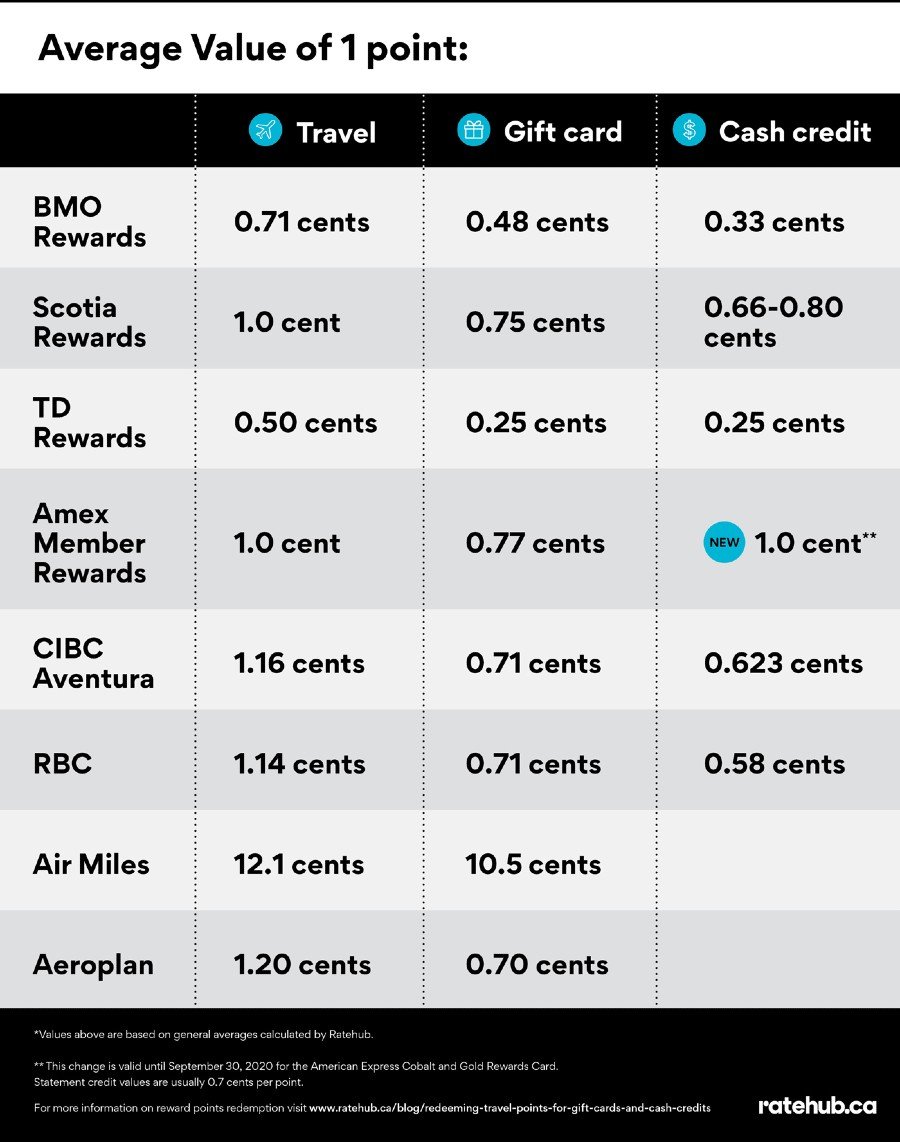
When you log into your American Express account, the most immediate redemption options often yield the lowest value. For example, using points for “Cover Your Charges” (statement credits) typically nets a value of 0.6 cents per point. This means 10,000 points—which might have required $10,000 in spending—only yields $60 in value. From a wealth-management perspective, this is a poor return on investment.
Gift Cards and the “Pay with Points” Feature
Amex offers a variety of gift cards ranging from retail to dining. Generally, these provide a value of 0.7 to 1.0 cent per point. While 1.0 CPP is acceptable, it lacks the upside potential found in other methods. Similarly, the “Pay with Points” feature at checkout with retailers like Amazon or Best Buy often anchors the value at 0.7 cents. Financially speaking, using your points at Amazon is almost always a mistake, as you are essentially devaluing your earned rewards by 30% compared to the baseline.
The Amex Travel Portal Floor
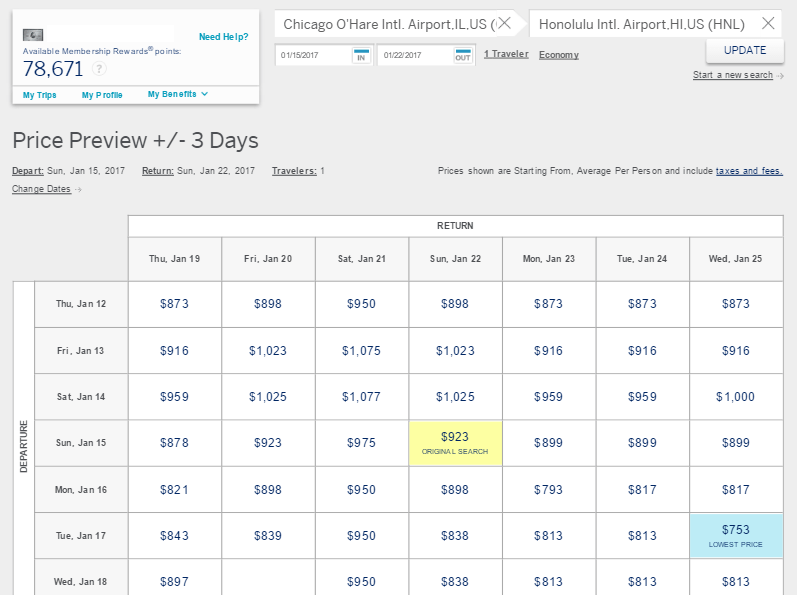
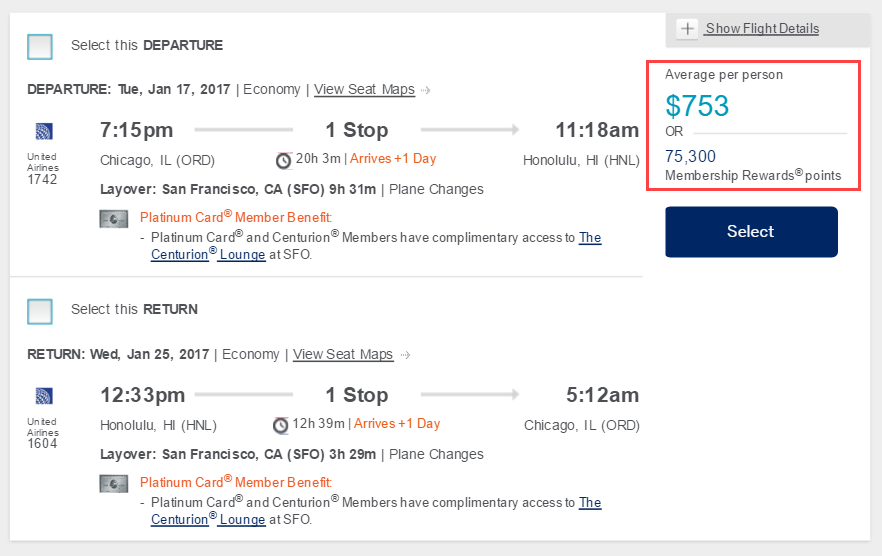
One of the most reliable ways to ensure a 1.0 CPP valuation is by booking flights directly through the American Express Travel portal. This provides a fixed exchange rate where 10,000 points equal $100 toward airfare. For many casual users, this is the “safe” way to redeem, ensuring that the points are at least as valuable as the cash spent to earn them.
Maximizing Value Through Strategic Transfer Partners
The real magic of the Membership Rewards program—and the reason financial experts prize it so highly—lies in the ability to transfer points to external loyalty programs. This is where the value of a point can jump from 1.0 cent to 2.0, 3.0, or even 5.0 cents.
The Power of Airline Alliances
American Express maintains partnerships with over 15 airline programs, including Delta SkyMiles, British Airways Executive Club, and Emirates Skywards. The secret to high-value redemptions is “arbitrage.” By transferring points to a partner like Virgin Atlantic to book a Delta One suite, or to Air Canada’s Aeroplan for a Lufthansa First Class seat, you can redeem points for tickets that would otherwise cost $5,000 to $10,000.
For example, if a Business Class ticket to Europe costs $4,000 or 80,000 transferred points, your value per point is 5.0 cents. This represents a 500% increase in value over the standard statement credit.
High-Value Hotel Redemptions
While airline transfers usually offer the best ROI, hotel partners like Hilton Honors, Marriott Bonvoy, and Choice Privileges can occasionally offer significant value. Amex often runs “transfer bonuses,” where you might receive 30% to 50% more points when moving them to a specific partner. During these windows, transferring points to book a high-end resort during peak season can yield a value well above the 1.0 CPP baseline, especially when factoring in the savings on resort fees and taxes.
Calculating the Cent-Per-Point (CPP) Ratio
To manage your rewards like a financial portfolio, you must master the CPP formula:
(Cash Price of the Item – Taxes/Fees Paid) / Number of Points Used = Value per Point.
If the result is greater than 0.02 (2 cents), you are making an excellent financial decision. If it is below 0.01, you should consider paying with cash and saving your points for a more lucrative opportunity.
Advanced Strategies for Business Owners and High Earners
For those using American Express for business expenses, the points are not just a “bonus”—they are a tax-efficient way to reduce the cost of business travel or incentivize employees.
Leveraging Business Platinum Benefits
The Business Platinum Card® from American Express offers a unique 35% points back bonus when you use “Pay with Points” for a first or business-class flight (or any flight on your selected qualifying airline) through Amex Travel. This effectively raises the floor of your points to approximately 1.54 cents each. For a business owner, this provides a guaranteed, high-value exit strategy for points without having to hunt for award space on partner airlines.
The “Points as an Asset” Perspective
In a high-inflation environment, points can be a hedge. While airlines do occasionally devalue their charts, Membership Rewards are “flexible.” Because they aren’t tied to a single airline, you can move them to whichever partner currently offers the best exchange rate. This liquidity makes them more valuable than “locked” points, such as those earned on a specific airline’s co-branded credit card.
Optimizing the Point Accrual Ecosystem
To maximize the value of the points you eventually spend, you must optimize how you earn them. Using the “Amex Trifecta”—usually a combination of the Platinum, Gold, and Blue Business Plus cards—allows you to earn 4x or 5x points on specific categories like groceries, dining, and airfare. If you earn 4 points per dollar and redeem them at 2 cents per point, you are effectively receiving an 8% “rebate” on every dollar spent. This is a powerful financial lever for any household or business budget.
Factors That Dilute Your Points’ Purchasing Power
Just as there are ways to boost point value, there are common traps that can erode your “reward net worth.” In the world of finance, avoiding losses is just as important as chasing gains.
Why Amazon and Retail Redemptions Often Fail
Retailers partner with American Express to offer “seamless” checkout experiences with points. However, convenience comes at a price. When you use points at a checkout counter or on a retail website, the merchant and Amex have already negotiated a rate that favors their margins, not your wallet. Almost without exception, these redemptions value your points at 0.7 cents or less. Financially, you would be better off charging the purchase to your card to earn more points, and then using those points for a high-value travel transfer later.
Avoiding the Pitfalls of Point Devaluation
Points do not earn interest; in fact, they are subject to “inflation” as airlines and hotels increase the number of points required for a stay or flight. Therefore, it is rarely wise to hoard millions of points for decades. The goal should be “earn and burn.” Keep a healthy balance for opportunities, but recognize that a point today is likely worth more than a point five years from now.
The Trap of Transferring Without a Plan
One of the most common mistakes is transferring points to an airline partner before confirming that the “award seat” is actually available. Once you transfer Membership Rewards to an airline program, they cannot be moved back to Amex. If the flight you wanted disappears, your points are now trapped in a less flexible currency, potentially losing significant value if you are forced to use them for a sub-optimal booking.
Final Verdict: The Strategic Value of Your Points
So, how much are American Express points worth?
Mathematically, the answer is a spectrum:
- The “Floor”: 0.6 cents (Statement credits – avoid this).
- The “Average”: 1.0 cent (Standard travel bookings – the safe zone).
- The “Target”: 1.5 to 2.2 cents (Strategic transfers to partners – the professional goal).
- The “Ceiling”: 4.0+ cents (Luxury international first-class suites – the peak of value).
For the average professional, aiming for a valuation of 2.0 cents per point is the sweet spot. This doubles the value of the rewards compared to the baseline and ensures that your credit card strategy is contributing significantly to your overall financial health. By treating your Amex points with the same analytical rigor as a stock portfolio or a business line item, you transform a simple loyalty program into a sophisticated financial tool. Keep your points liquid, understand the transfer math, and never settle for a redemption that values your hard-earned spend at less than a penny per point.
aViewFromTheCave is a participant in the Amazon Services LLC Associates Program, an affiliate advertising program designed to provide a means for sites to earn advertising fees by advertising and linking to Amazon.com. Amazon, the Amazon logo, AmazonSupply, and the AmazonSupply logo are trademarks of Amazon.com, Inc. or its affiliates. As an Amazon Associate we earn affiliate commissions from qualifying purchases.