
The proliferation of cinematic universes and extended narrative franchises has fundamentally reshaped how audiences engage with entertainment. In this landscape, The Walking Dead stands as a paramount example of a media brand that has masterfully expanded its core offering into a sprawling, interconnected universe. Understanding the optimal viewing order for its numerous spin-offs isn’t merely about chronological sequence; it’s about appreciating a sophisticated brand strategy designed to maximize narrative impact, deepen audience engagement, and build enduring brand loyalty.
From its humble beginnings as a graphic novel series and subsequent single television show, The Walking Dead has evolved into a formidable entertainment brand. Its spin-offs are not simply ancillary content; they are strategic extensions, each designed to serve specific roles within the larger brand architecture. By delving into the recommended viewing order, we gain insight into how a major brand manages its narrative assets, expands its reach, and sustains a passionate global audience across multiple platforms and storylines. This article will explore the strategic considerations behind the viewing order, framing it as a critical component of the The Walking Dead brand’s success.

The Walking Dead: A Masterclass in Brand Universe Expansion
The journey of The Walking Dead from a standalone series to a multi-show phenomenon offers a compelling case study in brand universe expansion. The initial success of The Walking Dead as AMC’s flagship drama laid the groundwork for a calculated strategy to extend its brand equity beyond a single narrative arc. This wasn’t merely about cashing in on popularity but a deliberate effort to transform a popular show into a resilient, multi-faceted entertainment brand capable of sustaining long-term interest and diverse storytelling.
From Core Product to Franchise Ecosystem
The original The Walking Dead series served as the foundational “product” in this burgeoning brand portfolio. Its established tone, character archetypes, and apocalyptic setting became the core brand identity. As viewership soared, the strategic decision to introduce spin-offs marked a critical pivot: from a single hit show to a deliberate franchise ecosystem. This expansion was akin to a successful consumer brand launching complementary product lines or entering new market segments. Each new series, Fear the Walking Dead, The World Beyond, Tales of the Walking Dead, Dead City, Daryl Dixon, and The Ones Who Live, represents a distinct brand extension, meticulously crafted to either broaden the narrative scope, delve deeper into existing lore, or explore new thematic territory, all while remaining tethered to the overarching Walking Dead brand.
This strategic diversification allows the brand to cater to different audience appetites. Some viewers seek the foundational narrative, others crave origin stories, while some are keen on exploring the global implications of the apocalypse or focusing on the journeys of beloved characters. By segmenting its content offerings, the brand enhances its appeal, ensuring that there is always a fresh point of entry or a new dimension for existing fans to explore. This multi-pronged approach reinforces the brand’s omnipresence in the post-apocalyptic genre, securing its position as the definitive narrative authority within its niche.
Building Brand Equity Through Narrative Continuity
A core tenet of effective brand strategy is the consistent reinforcement of brand values and messaging. For The Walking Dead universe, this translates into meticulous narrative continuity. Each spin-off is not an isolated story but a deliberate thread woven into the larger tapestry of the brand’s mythology. This interconnectedness is vital for building and sustaining brand equity. When viewers understand how different series relate, character motivations become clearer, plot developments resonate more deeply, and the sheer scale of the apocalyptic world becomes more palpable.
For instance, the introduction of the Civic Republic Military (CRM) in The Walking Dead and its subsequent expansion in The World Beyond created a powerful, overarching antagonist for the entire brand. This strategic narrative thread demonstrates how spin-offs are utilized to enrich the core brand’s mythology, providing answers to long-standing mysteries (like Rick Grimes’ disappearance) and setting up future conflicts. This consistent layering of narrative elements across different shows ensures that the brand’s promise—an immersive, evolving story of survival and humanity—is continuously delivered. By linking characters and events across series, the brand reinforces its integrity, promising a coherent and rewarding experience for viewers who commit to exploring its full breadth. This commitment to continuity transforms disparate shows into a unified brand experience, encouraging deep fan investment and safeguarding against narrative fragmentation that could dilute brand impact.
Strategic Sequencing: Optimizing the Audience Journey and Brand Engagement
In a complex brand ecosystem like The Walking Dead universe, the “order to watch” transcends a mere suggestion; it becomes a critical component of the overall brand strategy, meticulously designed to optimize the audience’s journey and deepen their engagement. Just as a well-designed customer journey guides consumers through a product portfolio, a thoughtfully structured viewing order ensures maximum comprehension, emotional resonance, and sustained interest in the brand’s expansive narrative.
The Imperative of Chronological Cohesion for Brand Clarity
For any brand built on storytelling, clarity is paramount. The The Walking Dead universe, spanning years both in real-time and in-universe, necessitates an understanding of its chronological progression to maintain narrative coherence. Without a grasp of the timeline, viewers risk encountering characters or events without the necessary context, which can lead to confusion and diminish the impact of key plot points. From a brand perspective, narrative dissonance can erode viewer trust and lead to disengagement. Therefore, guiding the audience through the events in a logical sequence is a strategic move to preserve brand clarity and ensure the intended emotional and thematic impact of each story arc.
For example, understanding that Fear the Walking Dead often explores the initial chaotic days of the apocalypse provides crucial foundational context that enriches the viewing of the original series, which begins much later. Similarly, the spin-offs centered around specific characters like Daryl Dixon or Rick and Michonne gain immense depth when viewed after their foundational journeys in the original series have been established. This chronological cohesion isn’t just a fan service; it’s a strategic imperative to ensure that the brand’s complex narrative architecture is accessible and rewarding, preventing potential fatigue or frustration that could lead to viewer churn. By offering a guided path, the brand maintains its narrative authority and ensures that its story is consumed as intended, fostering a more profound and lasting connection with its audience.
Deepening Brand Immersion Through Character-Centric Spinoffs
A key element of The Walking Dead‘s brand strategy is its ability to foster deep emotional connections with its characters. These characters are, in essence, secondary brand assets, each carrying their own loyal following. The introduction of character-centric spin-offs is a masterful move to leverage this existing brand equity, offering dedicated explorations that deepen immersion and sustain long-term engagement. Rather than simply continuing the main storyline, these spin-offs provide focused brand experiences that cater to specific fan interests.
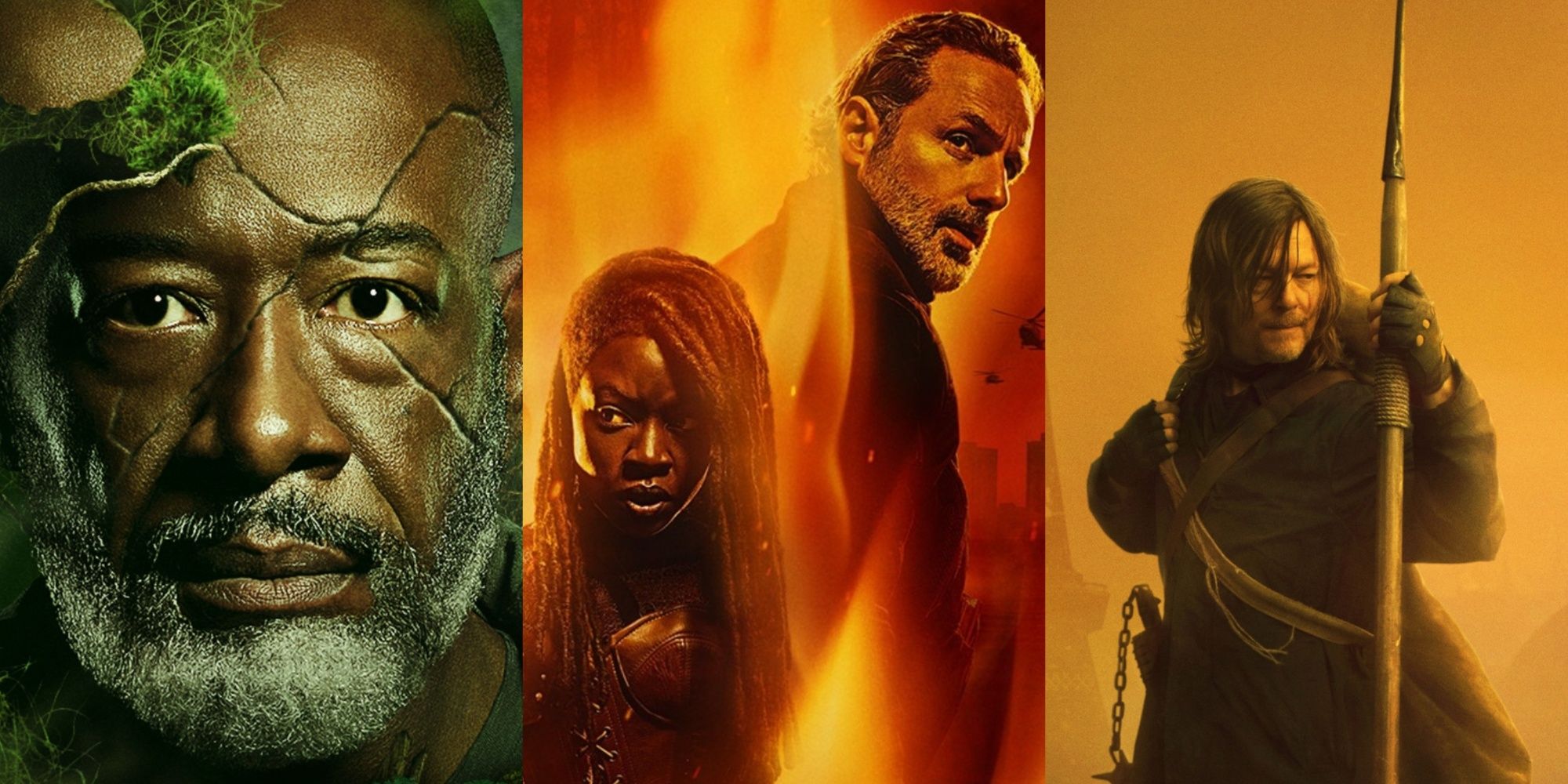
Consider The Ones Who Live, focusing on Rick and Michonne, or Dead City following Maggie and Negan, or Daryl Dixon exploring his journey in France. These are not merely continuations but specialized brand deep-dives. By isolating these beloved characters and placing them in new, challenging contexts, the brand rejuvenates interest, explores new facets of their personalities, and answers long-standing audience questions. This strategic choice allows the brand to revitalize existing character arcs, offering fans the satisfying closure or continuation they desire, which in turn reinforces their loyalty to the overarching Walking Dead brand. These spin-offs become essential touchpoints in the audience’s brand journey, offering nuanced perspectives that enrich the overall universe without diluting the core narrative. They demonstrate a sophisticated understanding of audience psychology: by giving fans more of what they love, in focused and compelling ways, the brand strengthens its emotional bond and ensures its enduring relevance.
Navigating the Extended Brand Portfolio: A Guide for the Engaged Viewer
The sheer volume of content within The Walking Dead universe can be overwhelming for both new viewers and long-standing fans. This challenge presents a strategic opportunity for the brand: to provide a clear, recommended viewing path that not only organizes its complex portfolio but also serves as a crucial tool for audience retention and loyalty. By guiding the viewer, the brand actively manages its image and ensures that the extended experience remains coherent and enjoyable, transforming potential confusion into an engaging journey.
Recommended Viewing Paths: A Brand Strategy for Fan Retention
For a brand like The Walking Dead, managing the customer (viewer) journey through its vast content library is paramount. A well-articulated viewing order acts as a strategic roadmap, designed to prevent churn due to overwhelming choice and to facilitate a richer understanding of the brand’s narrative arc. While individual preferences may vary, a recommended path typically prioritizes foundational understanding before branching out into specialized narratives.
A logical and brand-centric viewing order often starts with the core product, then introduces expansions, and finally, integrates focused character narratives:
- The Walking Dead (Original Series – Seasons 1-8): This is the foundational brand narrative. It establishes the world, key characters, and the central themes of survival, morality, and community. It’s crucial for building the initial brand affinity.
- Fear the Walking Dead (Seasons 1-3): This spin-off serves as an early brand diversification, offering a parallel perspective on the initial outbreak. It broadens the universe’s scope without directly intersecting with the original’s primary timeline, enriching the overall brand context.
- The Walking Dead (Original Series – Season 9-11): Return to the main brand narrative to see its conclusion, especially important for understanding the fates of characters whose stories are continued in later spin-offs. This sequential viewing ensures character development and plot resolutions are fully absorbed.
- The World Beyond (Seasons 1-2): This limited series strategically expands the brand’s lore by introducing the Civic Republic Military (CRM) and offering a glimpse into a more organized, large-scale post-apocalyptic society. It’s essential for understanding the broader political landscape of the TWD brand.
- Tales of the Walking Dead (Season 1): As an anthology series, this functions as a series of standalone brand explorations. It offers thematic deep dives and character vignettes, allowing the brand to experiment with different storytelling formats and expand its narrative range without disrupting the main timeline.
- Dead City (Season 1): This spin-off represents a focused brand extension, capitalizing on the popularity of Maggie and Negan. It provides a character-driven continuation that explores their evolving relationship against a new backdrop, demonstrating the brand’s ability to sustain engaging individual narratives.
- Daryl Dixon (Season 1): This series pushes the brand into new geographic and cultural territory (France). It’s a bold brand expansion that showcases the universe’s potential beyond North America, injecting fresh perspectives while leveraging a beloved core character.
- The Ones Who Live (Season 1): The culmination of a long-running narrative thread, this series is a critical brand event, designed to bring closure to Rick and Michonne’s story. It reconnects core brand pillars and addresses significant gaps, reinforcing the brand’s commitment to its most iconic characters.
This sequence is not merely chronological; it’s a strategic progression that builds narrative understanding, enhances character investment, and slowly unveils the full scope of the The Walking Dead brand.
Cultivating Brand Advocacy: The Power of a Unified Viewing Experience
A unified viewing experience, facilitated by a clear viewing order, is instrumental in transforming casual viewers into dedicated brand advocates. When audiences can seamlessly navigate the complex web of interconnected stories, they develop a deeper appreciation for the brand’s intricate world-building and narrative craftsmanship. This heightened engagement fosters a sense of ownership and community among fans, who then become powerful proponents of the brand.
Brand advocacy, in this context, manifests as fans actively recommending the viewing order to newcomers, discussing theories online, and eagerly anticipating new releases. By providing a structured path, the brand empowers its audience to fully grasp its vast narrative, leading to richer discussions and stronger emotional ties. This cultivated loyalty is invaluable, as it generates organic word-of-mouth marketing and creates a stable, engaged fanbase that is essential for the long-term viability of any sprawling media brand. The recommended viewing order, therefore, is not just a guide; it’s a strategic investment in cultivating a passionate community that actively contributes to the brand’s enduring success.
Future-Proofing the Brand: Innovation and Evolution in the TWD Universe
The strategic rollout and ordering of The Walking Dead spin-offs are not just about managing existing content; they are critical elements in future-proofing the brand, ensuring its longevity, and sustaining its cultural relevance. In a rapidly evolving entertainment landscape, continuous innovation and strategic evolution are paramount for any brand to maintain its competitive edge and secure its legacy.
Brand Architecture and New Narrative Pillars
Each new spin-off within The Walking Dead universe serves a dual purpose: to expand the existing brand architecture and to establish new narrative pillars that can support future growth. This is a deliberate strategy to ensure that the brand doesn’t become stagnant or overly reliant on a single storyline. By introducing new characters, settings, and conflicts, the brand effectively broadens its appeal and creates fresh avenues for storytelling.
For instance, The World Beyond laid crucial groundwork for the CRM storyline, which became central to The Ones Who Live. This demonstrates how a spin-off can establish a new “pillar” of the brand’s mythology, creating a significant antagonist or societal structure that can be explored in subsequent series. Similarly, Daryl Dixon in France opens up the possibility of a truly global Walking Dead universe, expanding the brand’s geographic reach and introducing entirely new cultural dynamics to the apocalypse. This continuous development of new narrative pillars ensures that the brand always has fertile ground for future stories, allowing it to adapt to changing audience tastes and explore diverse aspects of its core premise without diluting its established identity. It’s a strategic investment in the brand’s future narrative potential, ensuring a rich pipeline of content.

Leveraging Spin-offs for Brand Revitalization and Legacy Building
Spin-offs are powerful tools for brand revitalization, especially for a long-running franchise. They offer opportunities to refresh the brand’s image, attract new audiences who might be intimidated by the original series’ length, and inject new energy into established narratives. By focusing on beloved characters in new contexts (e.g., Rick and Michonne’s reunion), or exploring different corners of the world (e.g., Daryl in France), the brand can generate renewed excitement and discussion. This strategic revitalization helps to keep the brand relevant and prevents fatigue that can set in with extended single-series runs.
Furthermore, the collective body of work—the original series and all its spin-offs—contributes significantly to the brand’s legacy building. Each narrative extension, when viewed in its proper context, adds depth and nuance to the overall mythology, solidifying The Walking Dead‘s place as a definitive cultural touchstone in post-apocalyptic storytelling. The intricate web of interconnected stories, meticulously presented through a recommended viewing order, demonstrates a commitment to comprehensive world-building and narrative excellence. This commitment ensures that the brand’s impact extends beyond individual seasons or series, creating an enduring legacy that will continue to resonate with audiences for years to come. By strategically managing its spin-offs, The Walking Dead brand effectively future-proofs itself, ensuring its continued evolution and lasting imprint on popular culture.
aViewFromTheCave is a participant in the Amazon Services LLC Associates Program, an affiliate advertising program designed to provide a means for sites to earn advertising fees by advertising and linking to Amazon.com. Amazon, the Amazon logo, AmazonSupply, and the AmazonSupply logo are trademarks of Amazon.com, Inc. or its affiliates. As an Amazon Associate we earn affiliate commissions from qualifying purchases.