
When we think about “what movies came out in 2005,” our minds naturally drift to specific titles, memorable characters, and cinematic experiences. Perhaps Star Wars: Episode III – Revenge of the Sith, Batman Begins, Harry Potter and the Goblet of Fire, or The Chronicles of Narnia: The Lion, the Witch and the Wardrobe come to mind. These films, and many others, define the cultural landscape of that year for countless viewers. However, to truly understand the significance of these releases, especially from a financial perspective, one must look beyond the screen and delve into the intricate economic machinery that drives Hollywood and the global film industry.
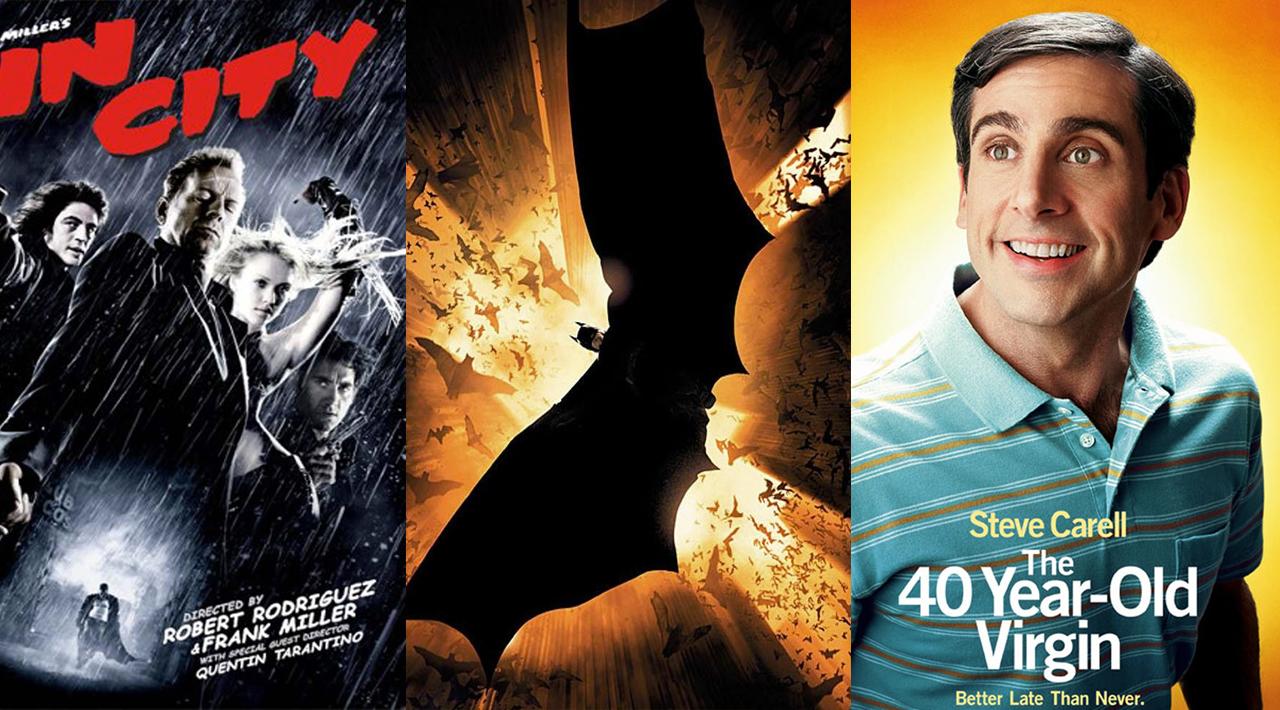
2005 was not just a year for groundbreaking storytelling; it was a year of immense financial stakes, strategic investments, evolving revenue models, and significant market shifts. The film industry, a colossal economic engine, was navigating a complex environment characterized by established studio systems, the burgeoning influence of digital technologies, and an ever-increasing demand for diverse entertainment. For investors, business strategists, and anyone keen on the intersection of art and commerce, understanding the financial dynamics of film in 2005 offers a compelling case study in risk management, market capitalization, and the relentless pursuit of profit within a highly competitive creative sector. This article will dissect the monetary pulse of the film industry in 2005, exploring how movies were financed, marketed, and monetized, painting a vivid picture of the business of blockbusters and the economics of entertainment.
The Box Office Battleground of 2005: A Financial Overview
The domestic and international box office in 2005 represented the primary, and most visible, metric of a film’s immediate financial success. This was the arena where massive investments either paid off spectacularly or resulted in significant losses. Studios poured hundreds of millions into production and marketing, betting on audience appeal, star power, and franchise potential. The global box office for 2005 was substantial, reflecting a robust consumer appetite for theatrical experiences, yet it was also a year that highlighted the increasingly stratified nature of film profitability.
Blockbusters vs. Independents: Investment Strategies
The year 2005 clearly illustrated the two-tiered investment strategy prevalent in the film industry: the high-risk, high-reward blockbuster model versus the more contained, often critically acclaimed independent productions. Major studios like Warner Bros., 20th Century Fox, Universal Pictures, and Sony Pictures Entertainment focused their colossal budgets on tentpole releases designed to dominate opening weekends and achieve billion-dollar global hauls. These films, often sequels, prequels, or adaptations of popular books and comics, represented massive capital outlays – sometimes exceeding $150 million in production costs alone, with marketing budgets frequently matching or even surpassing these figures. The financial rationale was clear: a massive hit could offset multiple smaller failures and fund future projects.
Conversely, independent films, such as Capote, Crash, and Good Night, and Good Luck, operated on significantly smaller budgets, relying on critical acclaim, festival buzz, and targeted distribution strategies to find their audience. While their immediate box office returns were modest compared to blockbusters, their lower production costs meant a different risk profile and a greater potential for high percentage returns on investment, especially if they resonated with critics and garnered awards attention, which could translate into extended runs and robust ancillary sales. The investment strategies for these two categories were fundamentally different: one aimed for market domination, the other for niche penetration and critical recognition that could yield long-term value.
Global Market Expansion and Revenue Projections
By 2005, the international box office had become an indispensable component of a film’s financial success, often surpassing domestic revenues for major blockbusters. Hollywood studios were increasingly designing films with global appeal in mind, recognizing the immense revenue potential in rapidly growing markets in Asia, Europe, and Latin America. Strategic release schedules, tailored marketing campaigns, and international co-production deals became critical tools for maximizing global reach and revenue.
Projecting revenue for a film involved a complex interplay of factors: pre-sales to international distributors, box office tracking, and ancillary market forecasts. The financial health of a studio increasingly depended on its ability to effectively tap into these diverse global income streams. A film like Harry Potter and the Goblet of Fire, for instance, was a guaranteed international phenomenon, generating hundreds of millions of dollars before even reaching North American screens, significantly de-risking the massive initial investment. This global perspective fundamentally altered financial planning, making international market intelligence and distribution networks as vital as domestic marketing prowess.
Beyond Ticket Sales: Diversifying Film Industry Revenue Streams
While the box office offered immediate gratification or disappointment, the true long-term profitability of a film in 2005 was significantly influenced by a myriad of ancillary revenue streams. These additional income sources were crucial for recouping costs, generating profit, and often sustaining studios through periods of box office volatility. The savvy financial planning around a film extended far beyond its theatrical run, encompassing a strategic approach to its entire lifecycle.
DVD Dominance and Ancillary Markets
In 2005, the DVD market was still a titan, representing a colossal secondary revenue stream for studios. DVD sales and rentals provided a lucrative post-theatrical window, allowing films to generate significant income for months and even years after their theatrical release. Collectors, families, and casual viewers flocked to purchase their favorite films, often accompanied by special features that added perceived value. The profit margins on DVD sales were generally much higher than theatrical ticket sales, making this sector a critical financial lifeline.
Beyond home video, other ancillary markets included television licensing (both broadcast and cable), airline rights, and pay-per-view options. Studios meticulously managed these windows, staggering releases across different platforms to maximize exposure and revenue without cannibalizing sales. The structured rollout from theatrical to home video to television was a well-oiled machine, carefully designed to extract maximum financial value from every cinematic production. These diverse income streams were vital for ensuring a film’s overall profitability, especially for titles that performed moderately at the box office but found a dedicated audience in the home entertainment market.
Merchandising, Licensing, and Brand Synergy
For major franchise films, merchandising and licensing agreements represented another colossal revenue stream, often generating profits that rivaled or even exceeded box office numbers. Films like Star Wars: Episode III and Harry Potter and the Goblet of Fire were not just movies; they were platforms for entire ecosystems of licensed products. Toys, video games, clothing, collectibles, and theme park attractions, all bearing the film’s branding, contributed significantly to the studios’ bottom lines.
The strategic integration of film properties into consumer products created a powerful brand synergy. It extended the film’s reach beyond the theater, maintaining audience engagement and fostering long-term loyalty. Financial teams meticulously negotiated these licensing deals, often years in advance, to ensure maximum profitability and brand integrity. This approach transformed movies from standalone entertainment products into expansive brands, capable of generating recurring revenue streams across multiple consumer touchpoints. For investors, the ability of a film to spawn a successful merchandising empire was a key indicator of its long-term financial viability and potential.

Financing Film Production: Investment Models and Risk Assessment
The creation of a movie is an inherently risky financial endeavor. From script development to post-production, vast sums of capital are required, often with no guarantee of audience acceptance or profitability. In 2005, the financial models for funding film production were sophisticated, involving a blend of traditional studio backing, independent financing, and increasingly, international partnerships and government incentives designed to mitigate some of this inherent risk.
Studio Funding vs. Independent Backing
Major studios primarily financed their projects through internal capital, leveraging their extensive assets, past successes, and access to significant lines of credit. This allowed them to fund big-budget blockbusters, manage a diverse slate of films, and absorb the occasional flop. The studio model was characterized by vertical integration, controlling production, distribution, and sometimes even exhibition, which provided greater control over revenue streams and financial risk. Investors in these studios were betting on the overall portfolio effect, rather than the success of a single film.
Independent films, on the other hand, often relied on a more fragmented and diverse funding model. This included private equity investors, hedge funds, wealthy individuals, and pre-sales of distribution rights to foreign markets. The financial structure for independent films was often more complex, involving multiple layers of financing and greater scrutiny of individual film projects by investors. While offering potentially higher percentage returns for successful films due to lower overheads, independent filmmaking also carried higher individual film risk, as there was no large studio apparatus to absorb losses. The rise of companies specializing in independent film financing highlighted a growing market for alternative investment in the film sector.
The Role of Tax Incentives and International Co-productions
Recognizing the economic benefits of film production (job creation, tourism, infrastructure development), many governments globally offered substantial tax incentives and rebates to attract filmmakers. In 2005, these incentives played an increasingly critical role in the financial structuring of films. Producers would strategically choose filming locations based not only on creative considerations but also on the availability of generous tax breaks, which could significantly reduce overall production costs and improve a project’s financial viability.
International co-productions also became a common financial strategy, particularly for larger independent films or those with global themes. By partnering with production companies in other countries, filmmakers could access foreign financing, benefit from local tax incentives, and tap into new markets more easily. This shared financial burden and shared risk approach helped to spread the investment required for ambitious projects, making them more palatable to multiple investors and reducing the financial exposure of any single entity. These financial arrangements were complex, requiring intricate legal and financial planning to navigate international regulations and ensure equitable distribution of profits.
The Emerging Digital Frontier: Early Glimpses of Future Financial Shifts
While 2005 might seem like an era dominated by physical media, it was also a pivotal year for the nascent digital transformation of the film industry. The financial implications of emerging digital technologies, though not fully realized, were already beginning to cast a long shadow over traditional business models, signaling future shifts in how films would be distributed, consumed, and monetized.
Digital Distribution’s Nascent Impact on Profit Margins
In 2005, the concept of widespread digital film distribution was still in its infancy, but the groundwork was being laid. Services like Apple’s iTunes Store were beginning to offer movie downloads, albeit on a limited scale. While physical media (DVDs) still reigned supreme, industry analysts and financial strategists were keenly observing these early digital experiments. The promise of digital distribution included lower manufacturing and shipping costs compared to DVDs, potentially leading to higher profit margins for studios and distributors. However, it also presented new challenges regarding digital rights management, pricing strategies, and the potential for market fragmentation.
For investors, understanding the future trajectory of digital distribution was crucial. The shift from physical to digital carried significant financial implications for retailers, manufacturers of optical discs, and even studio distribution arms. While the immediate financial impact was minimal, 2005 served as a precursor to the streaming revolution that would fundamentally alter the financial landscape of entertainment just a few years later, highlighting the need for foresight in financial planning.

Piracy’s Persistent Threat to Industry Revenue
Alongside the promise of digital convenience came the pervasive and financially damaging threat of digital piracy. In 2005, illegal file-sharing platforms and physical bootlegging posed a significant challenge to the film industry’s revenue streams. Every pirated copy represented a lost sale or rental, directly impacting box office numbers, DVD sales, and licensing revenues. Studios and industry bodies like the MPAA (Motion Picture Association of America) invested substantial resources in anti-piracy measures, including legal actions, technological safeguards, and public awareness campaigns.
From a financial perspective, piracy was a constant drain on potential profits, forcing studios to allocate funds to protection rather than production. It complicated revenue projections and added an unpredictable element to financial forecasting. While the industry grappled with how to effectively combat piracy, it also implicitly accelerated the exploration of legitimate digital distribution models, as studios sought to offer convenient and legal alternatives to illicit downloads. The financial battle against piracy was, and continues to be, a complex interplay of technology, law, and evolving consumer behavior, significantly influencing investment decisions and revenue strategies in the film industry.
Conclusion
The question “what movies came out in 2005” opens a gateway not just to cinematic nostalgia, but to a sophisticated world of finance, investment, and strategic business operations. That year, the film industry stood at a fascinating juncture: still heavily reliant on traditional revenue models like the theatrical box office and dominant DVD sales, yet already sensing the seismic shifts heralded by digital technology.
From the multi-million dollar gambles on blockbusters and the nuanced funding of independent cinema, to the intricate web of global distribution, ancillary markets, and anti-piracy efforts, 2005 offered a microcosm of the financial complexities inherent in the entertainment business. Investors and financial analysts of the time were tasked with navigating the high risks of creative endeavors, balancing substantial capital outlays with the promise of lucrative returns across a diverse portfolio of films and associated products. The year’s financial narrative showcased an industry adept at monetization through established channels, while simultaneously bracing for a future that would irrevocably alter its economic landscape, underscoring that behind every dazzling film released, lies a meticulously calculated financial strategy.
aViewFromTheCave is a participant in the Amazon Services LLC Associates Program, an affiliate advertising program designed to provide a means for sites to earn advertising fees by advertising and linking to Amazon.com. Amazon, the Amazon logo, AmazonSupply, and the AmazonSupply logo are trademarks of Amazon.com, Inc. or its affiliates. As an Amazon Associate we earn affiliate commissions from qualifying purchases.