
The question “what movie did Superman die in?” often arises from a place of curiosity, seeking a specific cinematic event. However, for those engaged in the intricate world of brand strategy, this seemingly simple query unveils a far more complex and fascinating narrative: how an iconic global brand navigates profound narrative shifts, manages fan expectations, and strategically leverages “death” and “resurrection” as powerful tools for reinvention and sustained relevance. Superman, arguably one of the most recognizable brands in entertainment history, offers a compelling case study in how pivotal story moments are not just plot devices, but critical junctures in brand evolution.
This article delves into the specific cinematic event where the Man of Steel met his temporary demise, but more importantly, it dissects the profound implications of such a narrative choice for the Superman brand, its parent companies (DC Comics and Warner Bros.), and the broader landscape of corporate identity and fan engagement. We will explore the strategic reasoning behind such a bold move, the challenges of managing an emotionally invested audience, and the enduring lessons in brand resilience that emerge from the hero’s journey through death and rebirth.
The Moment That Shook the Brand: The Death of Superman in “Batman v Superman: Dawn of Justice”
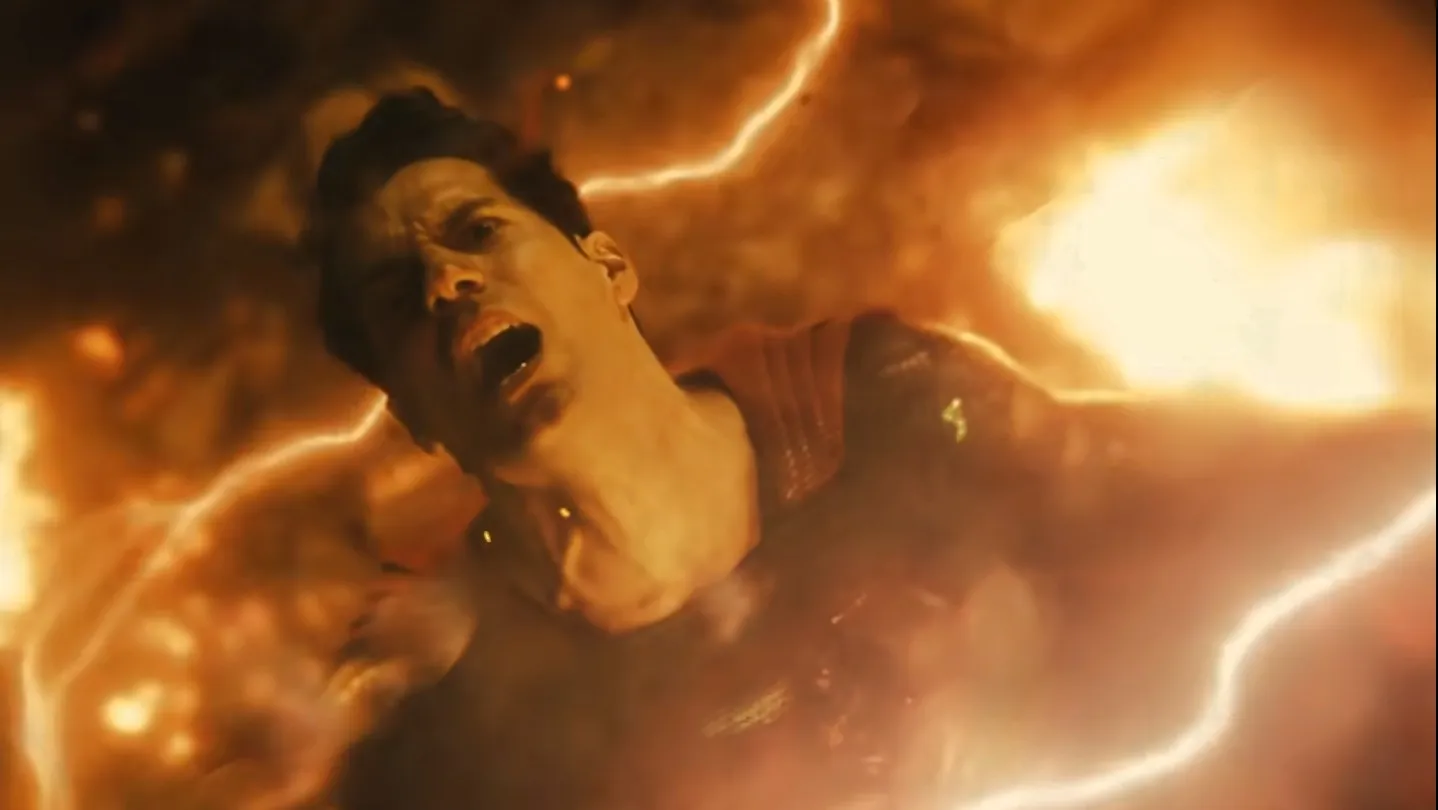
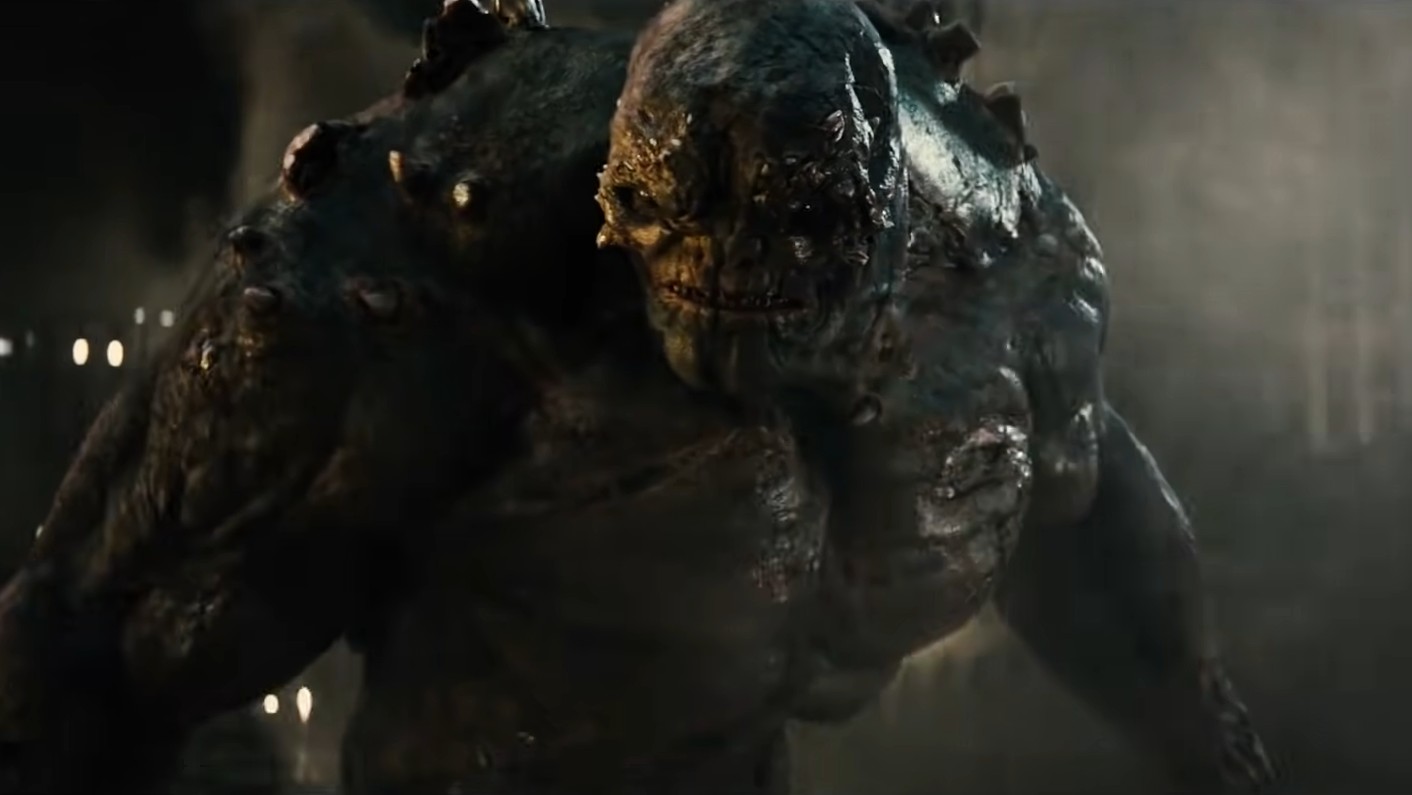
The immediate answer to the titular question is “Batman v Superman: Dawn of Justice,” released in 2016. In a climactic battle against Doomsday, Superman makes the ultimate sacrifice, plunging a Kryptonite spear into the monstrous creation and succumbing to its lethal blow himself. This moment, echoing a legendary comic book storyline from the early 1990s, sent shockwaves through the cinematic universe and among its global fanbase. But beyond the spectacle, this event marked a significant strategic decision for a brand that, for decades, had largely epitomized invincibility and unwavering heroism.
Reintroducing the Narrative Landmark: Context Within the DCEU
For the fledgling DC Extended Universe (DCEU), the death of Superman was not merely an ending but a dramatic catalyst. It served to underscore the gravitas of the threats faced by this new cinematic pantheon of heroes and to set a somber tone that differentiated it from competitors. In “Batman v Superman,” director Zack Snyder aimed to ground these larger-than-life characters in a more realistic, albeit still fantastical, world where consequences were dire and sacrifices were real. The death of Superman was intended to be the ultimate consequence, a moment designed to galvanize the nascent Justice League and impress upon audiences the profound challenges awaiting these heroes. It was a narrative gamble, designed to make a significant statement about the brand’s new direction: darker, more serious, and willing to take risks.
The Strategic Rationale Behind a Brand’s “Demise”: Shock, Stakes, and Future Building
Why would a brand deliberately “kill off” its most iconic character, the very embodiment of its foundational values? The strategic rationale behind this decision was multifaceted. Firstly, it generated immense shock value and media attention. In a crowded entertainment market, creating a genuinely surprising moment is invaluable for cutting through noise. The “Death of Superman” was a guaranteed talking point, drawing eyes and ears to the DCEU.
Secondly, it raised the narrative stakes exponentially. If even Superman could die, no character was truly safe, injecting a sense of genuine peril into future storylines. This elevated emotional investment for the audience, pushing them to question what might come next. From a brand perspective, this created a narrative tension that could sustain interest over multiple installments.
Finally, and perhaps most crucially, it was a deliberate setup for future brand building. Superman’s death paved the way for the formation of the Justice League, as Batman and Wonder Woman sought to honor his sacrifice by uniting other metahumans. It provided a powerful, emotional anchor for the team’s formation, establishing Superman’s legacy as the moral compass even in absence. This narrative architecture allowed the brand to temporarily shift focus, develop ensemble characters, and ultimately, engineer a grand return that would be even more impactful. It was a calculated move to inject new life and urgency into an established brand by temporarily removing its central figure.
Branding Through Crisis: Navigating Fan Expectation and Legacy
The decision to kill Superman, even temporarily, was not without significant brand risks. An iconic character like Superman carries decades of legacy, fan expectation, and deeply ingrained brand associations. Any deviation from his core identity, particularly one as drastic as death, invokes powerful emotional responses that brand strategists must carefully navigate.
The Double-Edged Sword of Fan Engagement: Praise, Protest, and Projection
Fan engagement, while critical for brand vitality, can be a double-edged sword. When the news broke, and later when the movie premiered, the reaction was polarized. For some, it was a bold, daring move that revitalized the character and injected much-needed gravitas into the superhero genre. These fans appreciated the willingness to take risks and explore darker themes, seeing it as a maturation of the brand.
However, a significant portion of the fanbase reacted with dismay, confusion, and even anger. Superman, for many, is a symbol of hope, optimism, and an unwavering moral compass. His death, particularly the somber and often bleak tone surrounding it, felt like a betrayal of the brand’s core values. This segment of the audience perceived the narrative choice as a cynical attempt at shock rather than a meaningful progression. Managing these divergent fan reactions, addressing critiques while staying true to the intended brand vision, is a monumental task. It highlights how deeply audiences identify with and project their values onto established brands, making any radical shift a potential crisis in brand perception.
Maintaining Brand Authenticity Amidst Narrative Twists: The Core Identity Question
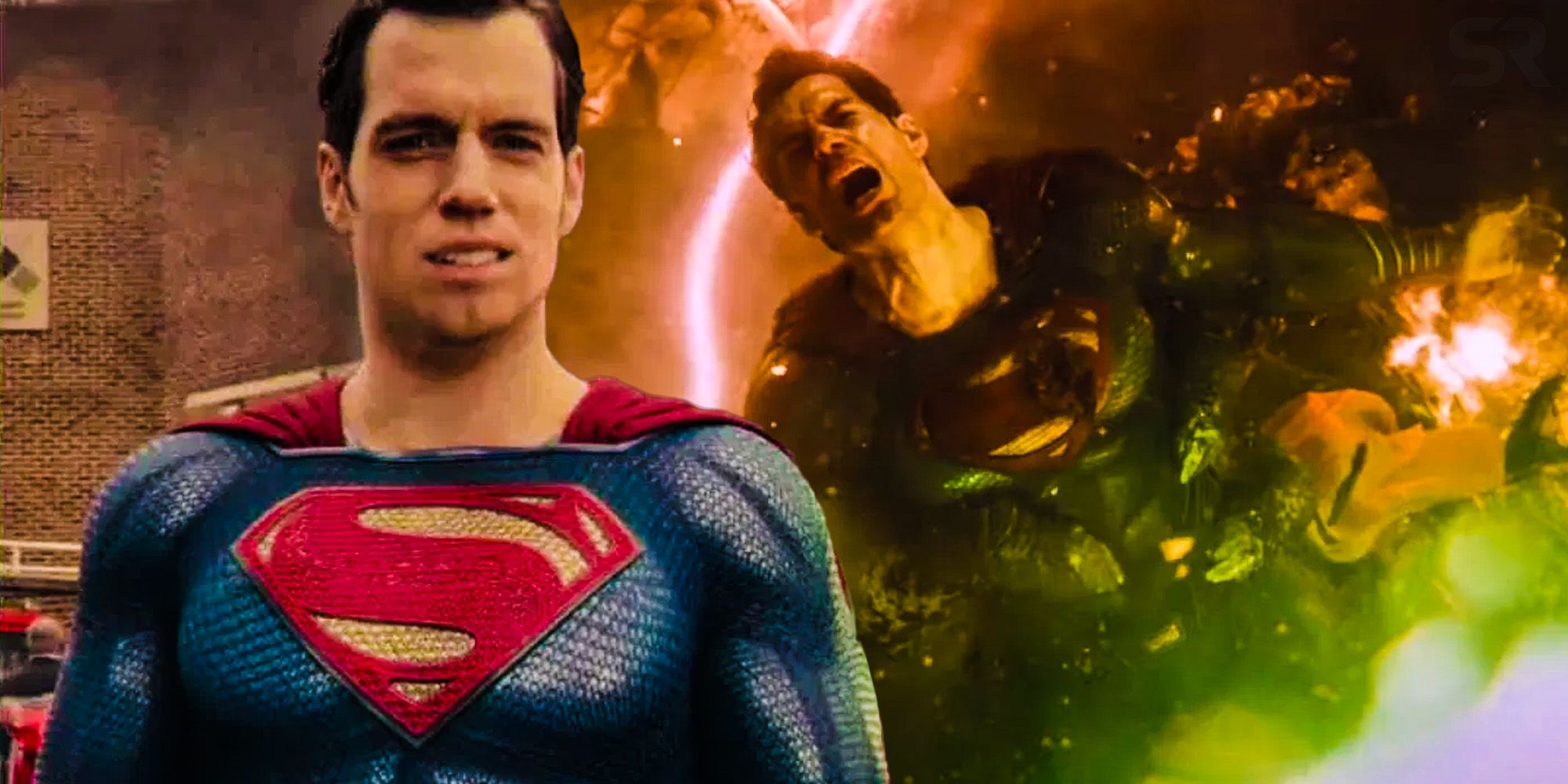
One of the greatest challenges in such a narrative twist is how to maintain brand authenticity. How does a character historically defined by invincibility and hope reconcile with a story arc that includes vulnerability and death? For the Superman brand, the question became: how do you kill the ultimate symbol of life and hope without irrevocably damaging the brand’s core identity?
The answer lies in understanding that even in death, the idea of Superman persists. His sacrifice in “Batman v Superman” was presented not as a failure, but as the ultimate heroic act. He died protecting humanity, thus reinforcing his brand as a selfless protector. The narrative sought to transform his invincibility into selflessness, making his ultimate sacrifice the defining characteristic. This allowed the brand to introduce a darker narrative without completely abandoning the essential qualities that make Superman resonate with audiences globally. It was a delicate balance between evolving the brand for a modern audience and preserving the timeless archetype.
The Resurrection Arc: A Masterclass in Brand Revival
The temporary nature of Superman’s death was widely anticipated, a common trope in comic book narratives. His eventual return in “Justice League” (2017) was not a surprise, but rather an integral part of the overarching brand strategy. The resurrection arc provided an opportunity for the brand to not only course-correct but to strategically re-engage its audience with a renewed sense of purpose and heroism.
“Justice League” and the Inevitability of Return: Reaffirming Brand Value
Superman’s return in “Justice League” was positioned as a necessary event, both narratively and strategically. His absence created a void that no other hero could truly fill, emphasizing his unique and indispensable value to the brand collective. The world, and the burgeoning Justice League, needed Superman not just for his strength, but for what he represented: hope, inspiration, and unwavering moral clarity. His return was framed as the catalyst needed to unite the heroes against a greater threat, but also to bring back the light and optimism that many felt was missing from the DCEU brand.
From a brand perspective, the resurrection was a powerful reaffirmation of Superman’s central role. It demonstrated that while other characters might emerge, none could truly replace the original. This reinforces the core brand equity, proving that some foundational elements are irreplaceable. It also allowed for a soft reset, offering the opportunity to reintroduce a more traditional, hopeful version of the character, responding to prior fan critiques about the character’s darker portrayal.
Strategic Implications of Narrative Cycles: Renewing Interest and Setting New Phases
The “death and rebirth” cycle is a potent narrative tool, often mirrored in brand strategy. For the Superman brand, it allowed for several strategic benefits:
- Audience Re-engagement: The anticipation of his return, followed by the emotional payoff, re-energized the fanbase.
- Brand Renewal: It provided an opportunity to shed perceived weaknesses of previous iterations and introduce a refreshed perspective on the character.
- Foundation for New Phases: His return paved the way for new story arcs, new character dynamics within the Justice League, and future solo endeavors. It reset the playing field and opened up new possibilities for content creation and brand expansion.
This cyclical approach demonstrates how brands can leverage dramatic narrative events to periodically renew interest, adapt to changing audience tastes, and strategically prepare for their next phase of growth and evolution. It’s a testament to the power of storytelling as a core component of long-term brand management.
Superman’s Enduring Brand Legacy: Beyond Death and Rebirth
Despite the narrative twists and turns, Superman remains one of the world’s most enduring and valuable brands. His journey through death and rebirth in the DCEU provides valuable insights into what makes a brand truly timeless and resilient.
The Archetype’s Power: Universal Values and Relatability
Superman’s enduring brand power lies in his status as an archetype. He represents universal values: truth, justice, hope, self-sacrifice, and the unwavering pursuit of good. These are principles that transcend cultures, generations, and even specific narrative interpretations. While cinematic portrayals may vary in tone, the core brand identity of Superman as the ultimate protector and symbol of hope remains largely intact. This intrinsic connection to fundamental human aspirations makes the brand deeply relatable and eternally relevant, even in an increasingly complex world. Brands that tap into such archetypal power often achieve a level of longevity that purely trend-driven brands cannot.
Diversification and Future-Proofing the Brand: Multi-Platform Presence
The strength of the Superman brand is also evident in its extensive diversification. Beyond the cinematic universe, Superman thrives across multiple platforms: comic books, animated series, video games, merchandise, and television shows (e.g., “Superman & Lois”). Each iteration offers a slightly different take, catering to diverse audience segments while reinforcing the core brand identity. This multi-platform strategy future-proofs the brand, ensuring its presence and relevance even if one specific medium or narrative direction falters. It allows for experimentation and adaptation without jeopardizing the entire brand ecosystem.
The “death of Superman” was not the end but a dramatic chapter in an ongoing saga of brand management. It demonstrated the strategic use of narrative to create impact, manage audience expectations, and ultimately, reinforce the enduring power of an iconic brand. It underscored that even the most established brands must evolve, take risks, and navigate complex emotional landscapes to remain vital, relevant, and resonant for generations to come. The Man of Steel’s journey through cinematic death and rebirth serves as a powerful testament to the intricate dance between storytelling, audience engagement, and strategic brand resilience.
aViewFromTheCave is a participant in the Amazon Services LLC Associates Program, an affiliate advertising program designed to provide a means for sites to earn advertising fees by advertising and linking to Amazon.com. Amazon, the Amazon logo, AmazonSupply, and the AmazonSupply logo are trademarks of Amazon.com, Inc. or its affiliates. As an Amazon Associate we earn affiliate commissions from qualifying purchases.