
In the culinary world, achieving the perfect doneness for salmon is a delicate balance between safety and gastronomic delight. While taste and texture are paramount, the underlying foundation for any successful salmon dish – whether prepared in a Michelin-star restaurant or a home kitchen – is food safety. This critical benchmark is defined by the salmon’s minimum internal temperature, a precise metric that technology has not only helped us understand but also master. Far from a mere culinary detail, this temperature is a scientific imperative, and its accurate attainment relies heavily on an array of cutting-edge gadgets, software, and integrated systems that have revolutionized how we cook.
This article delves into the technological landscape that enables chefs and home cooks alike to consistently hit that perfect, safe temperature, ensuring every bite of salmon is not only delicious but also free from harmful pathogens. From the ubiquitous digital thermometer to advanced smart kitchen ecosystems and AI-driven culinary assistants, we explore how technology empowers us to navigate the complexities of food safety while elevating the art of cooking salmon.
The Indispensable Role of Precision Technology in Achieving Perfect Salmon
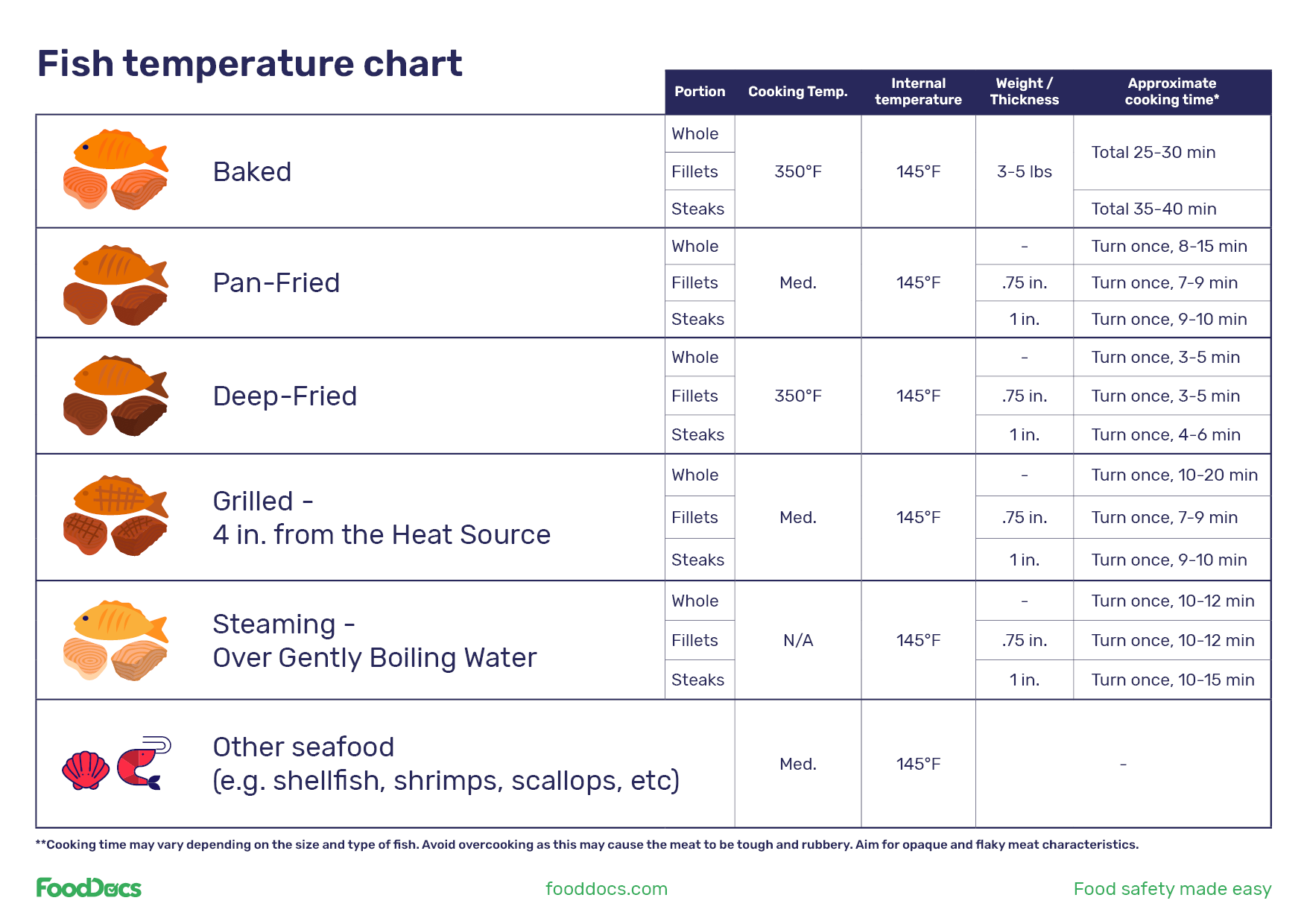
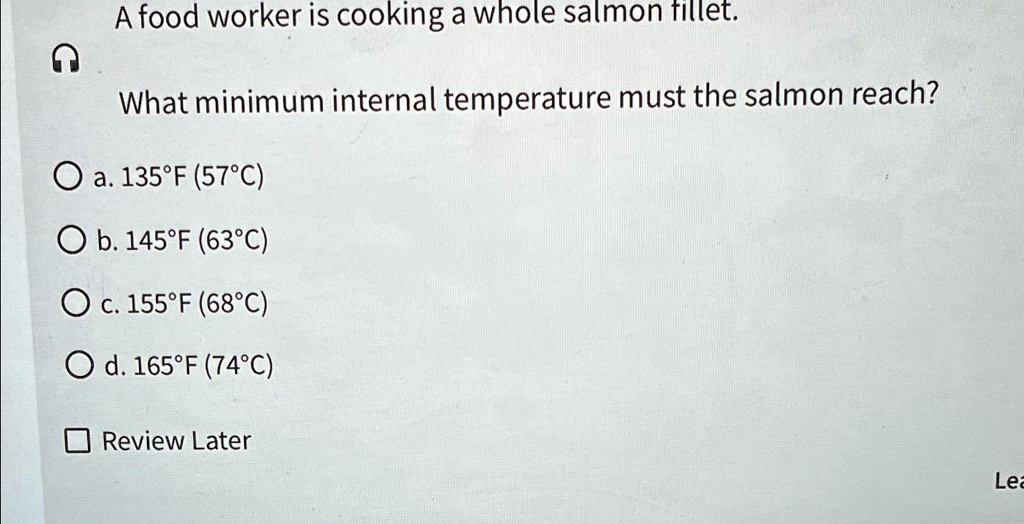
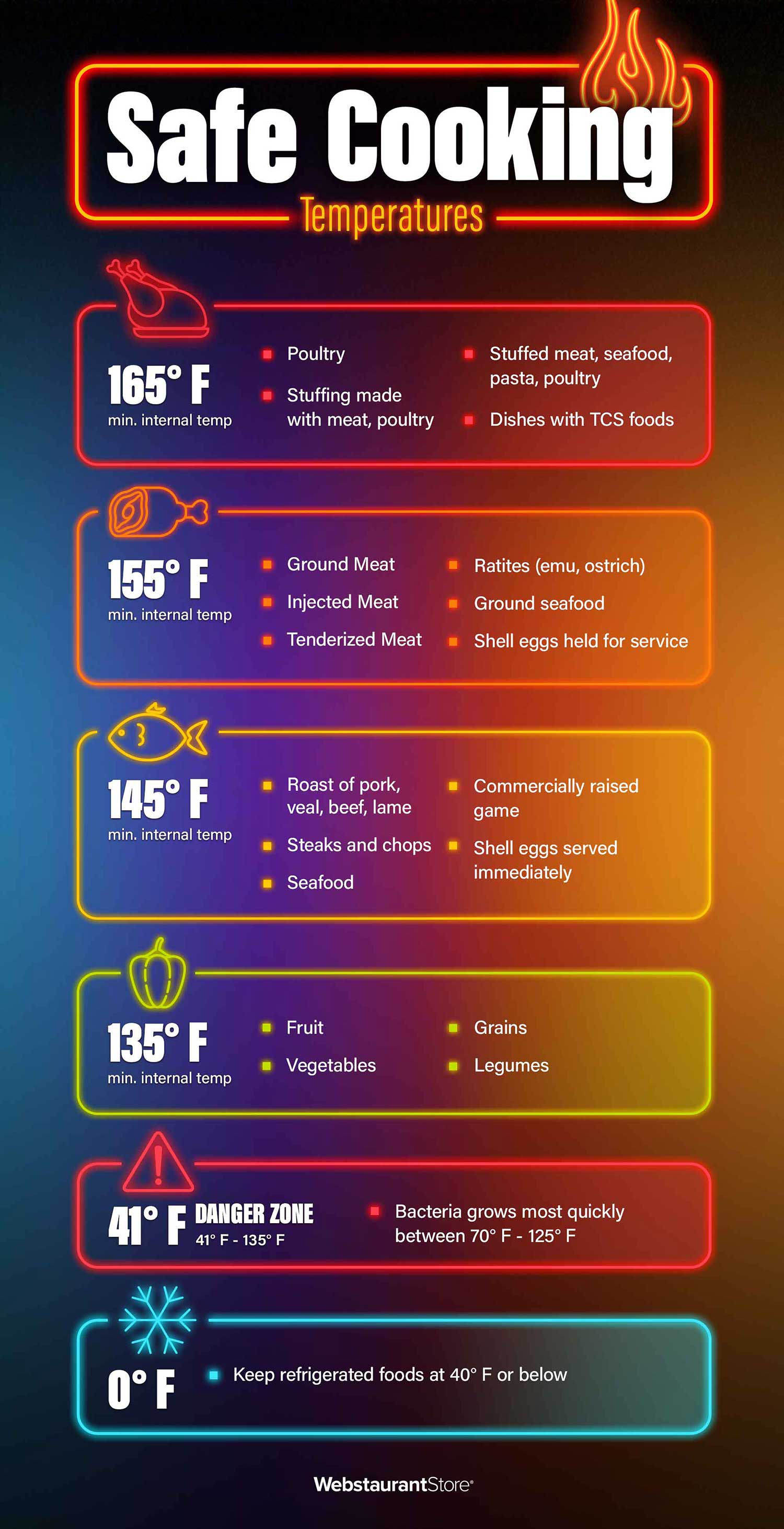
The seemingly simple question of “what minimum internal temperature must the salmon reach” unlocks a complex interplay of microbiology, culinary science, and human safety. The standard answer, universally endorsed by food safety organizations like the USDA, is 145°F (63°C). This temperature, when held for a minimum of 15 seconds, is sufficient to eliminate common foodborne pathogens such as Listeria monocytogenes, Vibrio parahaemolyticus, and Salmonella, which can be present in raw fish. However, simply knowing the number is only half the battle; reliably achieving and verifying it, without overcooking the delicate flesh, is where modern technology becomes indispensable.
Decoding the Danger Zone: The “Why” Behind Temperature Targets
Understanding the “danger zone” for food — temperatures between 40°F (4°C) and 140°F (60°C) where bacteria multiply rapidly — is fundamental to food safety. Salmon, like any protein, can harbor bacteria on its surface or internally. Cooking it to 145°F ensures that the core of the fish reaches a temperature at which these pathogens are destroyed, rendering it safe for consumption. This isn’t just about avoiding illness; it’s about consumer confidence and, in commercial settings, compliance with stringent health regulations. Traditional cooking methods often relied on visual cues or guesswork, which are notoriously unreliable when it comes to internal temperatures. This is precisely where modern measurement technology provides an unassailable advantage, offering objective, quantifiable data to ensure safety.
The Regulatory Blueprint: USDA and FDA Guidelines for Fish Safety
Regulatory bodies like the U.S. Department of Agriculture (USDA) and the Food and Drug Administration (FDA) provide the scientific backbone for these temperature recommendations. Their guidelines are not arbitrary; they are the result of extensive microbiological research, hazard analysis, and risk assessment (HACCP principles). For fish, the 145°F target is a critical control point (CCP) in the food preparation process. For commercial kitchens, adherence to these guidelines is often monitored through digital logging systems, smart probe thermometers integrated into kitchen management software, and even IoT-enabled ovens that record temperature progressions. These technological tools ensure not only compliance but also provide an auditable trail, which is crucial in preventing outbreaks and protecting public health.
Beyond Safety: Temperature’s Impact on Flavor, Texture, and Nutritional Integrity
While safety is the primary driver for temperature guidelines, achieving precisely 145°F has profound implications for the sensory experience of eating salmon. Overcooking salmon, even by a few degrees or for a minute too long, can transform its tender, flaky flesh into a dry, chalky consistency. Under-cooking, on the other hand, leaves it unpleasantly raw in the center (unless intentionally prepared as sushi-grade, which requires specific sourcing and handling protocols far beyond standard cooking temperatures). Precision cooking technology allows chefs to hit the sweet spot: fully cooked and safe, yet still moist, flavorful, and with that desirable delicate texture. Furthermore, extreme heat or prolonged cooking can degrade some heat-sensitive nutrients in fish, such as omega-3 fatty acids and certain vitamins. By cooking to the minimum necessary temperature, technology helps preserve the nutritional value that makes salmon such a healthy choice.
Essential Gadgets for the Modern Salmon Chef: Tools of Precision
The evolution of kitchen tools from basic thermometers to smart, connected devices has fundamentally changed our approach to cooking, especially when precision is key, as it is with salmon. These gadgets are no longer just conveniences; they are indispensable allies in the quest for safe and perfectly cooked fish.
The Digital Thermometer Revolution: Instant-Read vs. Leave-In Probes
At the forefront of precision cooking technology is the digital thermometer. Gone are the days of mercury-filled glass thermometers that were slow, imprecise, and easily broken. Modern digital thermometers offer rapid, accurate temperature readings, often within seconds.
- Instant-Read Thermometers: These handheld devices are perfect for quick checks. A chef can insert the probe into the thickest part of the salmon fillet, and within 2-5 seconds, get a precise reading. Brands like ThermoWorks, CDN, and OXO offer highly reliable instant-read thermometers that are staples in both professional and home kitchens. Their speed minimizes heat loss from the oven or grill and allows for multiple checks without significantly affecting cooking time.
- Leave-In Probe Thermometers: For larger fillets or whole sides of salmon, or when using an oven or smoker, leave-in probe thermometers are invaluable. These consist of a heat-resistant probe that remains inserted in the food throughout the cooking process, connected by a wire to a base unit that displays the temperature. Many models feature alarms that sound when the target temperature is reached, allowing for hands-off cooking. Modern versions are often wireless, connecting via Bluetooth or Wi-Fi to a smartphone app, enabling remote monitoring and temperature graphing, providing insight into the cooking progression.
Smart Ovens and Sous Vide: Automating Temperature Control for Flawless Results
Beyond simple measurement, some technologies actively control the cooking environment to achieve specific internal temperatures with minimal user intervention.
- Smart Ovens: Equipped with internal temperature probes and sophisticated algorithms, smart ovens can take much of the guesswork out of cooking salmon. Users can often select “salmon” as a cooking mode, input their desired doneness, and the oven will cook the fish until the internal probe registers the target temperature, then automatically switch to a “keep warm” setting or shut off. Some models integrate with voice assistants or smart home ecosystems, allowing for remote monitoring and adjustments.
- Sous Vide Machines: This method, involving cooking food in a precisely temperature-controlled water bath, is perhaps the ultimate in precision cooking for salmon. A sous vide circulator heats water to the exact desired final internal temperature (e.g., 145°F for salmon) and holds it there. The salmon, sealed in a vacuum bag, cooks gently and evenly to that precise temperature without any risk of overcooking, as the water temperature never exceeds the target. This results in incredibly moist, flaky salmon every single time, requiring only a quick sear afterward for crisp skin and enhanced flavor. Brands like Anova and Joule have popularized sous vide for home cooks with user-friendly, app-controlled devices.
Induction and Infrared: Advanced Heating for Even Cooking
While not directly measuring internal temperature, advanced heating technologies contribute to achieving it more reliably and evenly.
- Induction Cooktops: These use electromagnetic fields to directly heat ferromagnetic cookware. This results in incredibly precise and rapid temperature changes, allowing chefs to quickly adjust heat levels for searing salmon without burning it, creating a crisp exterior while the interior cooks evenly.
- Infrared Grills/Broilers: By emitting intense, focused infrared heat, these devices can create a beautiful crust on salmon very quickly, caramelizing the exterior while minimizing the overall cooking time, helping to preserve moisture within the fish.
Software and AI: Elevating Salmon Preparation from Art to Science
The integration of software and artificial intelligence has moved precision cooking beyond just hardware, offering intelligent guidance, data logging, and predictive capabilities that empower cooks to achieve optimal salmon doneness consistently.
Recipe Apps and Integrated Temperature Guides: Your Digital Sous Chef
Modern recipe apps have transcended simple ingredient lists and instructions. Many now incorporate detailed temperature guidelines specific to various proteins, including salmon. Advanced versions can integrate directly with smart thermometers or ovens, acting as a “digital sous chef.”
- Guided Cooking: Apps from brands like Yummly, HelloFresh, or even those accompanying smart appliances (e.g., June Oven app) can guide users through the entire cooking process, suggesting optimal temperatures and times, and even triggering notifications when the salmon reaches its target internal temperature. This significantly reduces the learning curve for novice cooks and ensures consistency for experienced ones.
- Personalized Profiles: Some apps allow users to save their preferred doneness levels for salmon, tailoring future recommendations to their specific tastes while ensuring the minimum safety temperature is always met.
AI-Powered Cooking Assistants: Predictive Insights for Optimal Doneness
The advent of AI is bringing a new level of sophistication to the kitchen. While still nascent in direct consumer applications for salmon, AI is being developed to predict cooking times and outcomes more accurately.
- Predictive Algorithms: AI-driven systems, particularly in commercial kitchens, can analyze factors like the thickness of the salmon fillet, its starting temperature, the cooking method, and oven temperature fluctuations to predict precisely when the salmon will reach 145°F. This minimizes guesswork and opens possibilities for just-in-time preparation in busy environments.
- Sensor Integration and Machine Learning: Future kitchen setups might incorporate multiple sensors (thermal cameras, humidity sensors, smart probes) that feed data into an AI model. This AI could learn from previous cooking sessions, continually refining its recommendations and even adjusting oven settings in real-time to ensure perfect, safe salmon without human intervention. This would move beyond reactive measurement to proactive, intelligent cooking.
From Home to Commercial: Data Logging and HACCP Compliance Software
For commercial kitchens, restaurants, and food service operations, meticulous record-keeping of temperatures is not just good practice; it’s a regulatory requirement, particularly under HACCP (Hazard Analysis and Critical Control Points) systems.
- Automated Data Logging: Digital thermometers and smart ovens equipped with Wi-Fi or Bluetooth can automatically log temperature readings at regular intervals. This data is then uploaded to cloud-based software platforms. These platforms provide a digital record of temperature compliance, eliminating manual logs which are prone to error and time-consuming.
- HACCP Compliance Software: Specialized software solutions help businesses manage their food safety programs. They integrate data from various kitchen devices (refrigerators, freezers, cooking equipment, probe thermometers), generate reports, alert staff to deviations from safe temperature ranges, and provide comprehensive audit trails. This ensures that every piece of salmon served meets safety standards, protecting both consumers and the business’s reputation.
Troubleshooting and Best Practices: Maximizing Your Tech for Salmon Success
Even with the best technology, understanding how to use it effectively and maintain it is crucial for consistent success in achieving that perfect 145°F salmon.
Calibration and Maintenance: Ensuring Your Devices are Accurate
A thermometer is only as good as its accuracy. Regular calibration is essential to ensure your digital tools are providing reliable readings.
- Ice Bath Test: The most common method for checking accuracy is the ice bath test. A properly calibrated thermometer should read 32°F (0°C) when immersed in a mixture of crushed ice and water. If it’s off by more than a degree or two, consult your device’s manual for calibration instructions or consider replacement.
- Cleaning and Care: Keep probes clean to prevent cross-contamination and ensure longevity. Store devices properly to avoid damage to sensitive components.
Placement and Technique: Using Thermometers Effectively
The location where you insert the thermometer probe directly impacts the accuracy of the reading.
- Thickest Part: Always insert the probe into the thickest part of the salmon fillet, avoiding bones. This is because the thickest part will cook the slowest, so if it reaches 145°F, the rest of the fish will be safe as well.
- Avoid Cookware: Ensure the probe tip is not touching the bottom of the pan or the grill grates, as this will give an artificially high reading.
- Resting Period: Remember that salmon, like other proteins, will continue to cook slightly (carryover cooking) after being removed from the heat. Account for this by pulling the salmon off the heat when it’s a few degrees below 145°F, allowing it to reach the target temperature during its resting period. A smart leave-in probe can monitor this rise.
Smart Kitchen Integration: A Holistic Approach to Culinary Safety and Excellence
The future of precision cooking lies in integrated smart kitchen ecosystems. Imagine a scenario where your smart refrigerator knows the salmon has been thawed, your recipe app adjusts cooking times based on its thickness (measured by an AI vision system), your smart oven preheats to the perfect temperature, and a leave-in probe communicates with the oven and your app to precisely hit 145°F, notifying you and potentially even switching the oven to ‘keep warm’ when done. This holistic, interconnected approach minimizes human error, optimizes energy use, and consistently delivers safe, delicious results.
The Future of Fish: Emerging Technologies in Salmon Preparation
The journey of technology in the kitchen is far from over. New innovations promise even greater precision, automation, and insight into cooking salmon.
IoT Sensors and Connected Kitchens: Real-time Monitoring and Remote Control
The Internet of Things (IoT) is already transforming kitchens. Imagine miniature, wireless, disposable temperature sensors embedded directly into premium salmon fillets, communicating wirelessly with your oven or smartphone. This could provide real-time, granular temperature maps of the fish, ensuring every part reaches the target temperature. Connected kitchen hubs will centralize control, allowing remote monitoring and adjustment of cooking parameters from anywhere.
Robotics and Automation: Precision Cooking at Scale
In commercial settings, robotics and automation are beginning to emerge. Robotic arms could precisely cut and portion salmon fillets, while automated cooking stations could employ vision systems and AI to monitor doneness and consistently cook large batches to the perfect 145°F, minimizing waste and ensuring uniform quality and safety across hundreds or thousands of servings.
Advanced Imaging and Hyperspectral Analysis: Non-Invasive Doneness Assessment
Looking further ahead, non-invasive methods for assessing doneness are on the horizon. Technologies like hyperspectral imaging, which analyzes light reflected off food, could potentially “see” into the salmon and determine its internal temperature and doneness without needing to insert a probe. This would offer unprecedented precision and prevent any loss of juices associated with piercing the flesh, further enhancing the quality of the cooked fish.
In conclusion, the simple question of “what minimum internal temperature must the salmon reach” opens a portal to a fascinating world of technological innovation. From the foundational digital thermometer to advanced AI and IoT ecosystems, technology is not just answering this question; it’s empowering us to achieve, verify, and even anticipate the perfect, safe doneness for salmon, transforming culinary practices and ensuring exquisite, safe dining experiences for all.
aViewFromTheCave is a participant in the Amazon Services LLC Associates Program, an affiliate advertising program designed to provide a means for sites to earn advertising fees by advertising and linking to Amazon.com. Amazon, the Amazon logo, AmazonSupply, and the AmazonSupply logo are trademarks of Amazon.com, Inc. or its affiliates. As an Amazon Associate we earn affiliate commissions from qualifying purchases.