
The humble sentence, a cornerstone of human communication, seems deceptively simple. Yet, beneath its everyday facade lies a complex structure that enables the nuanced exchange of ideas, emotions, and information. For centuries, understanding “what makes up a sentence” was primarily the domain of grammarians, linguists, and educators. Today, however, with the exponential rise of Artificial Intelligence (AI) and Natural Language Processing (NLP), this question has taken on a profoundly new dimension. It’s no longer just about human comprehension; it’s about how machines interpret, generate, and learn from human language.
In the realm of technology, parsing a sentence is not merely an academic exercise; it’s a fundamental requirement for countless applications, from search engines and chatbots to advanced writing assistants and machine translation tools. For an algorithm to truly engage with text, it must dissect sentences into their constituent parts, understand their relationships, and infer meaning, much like a human does. This article delves into the technological perspective of what constitutes a sentence, exploring how algorithms break down, analyze, and leverage these fundamental units of language to power the intelligent systems we increasingly rely upon.
The Foundational Anatomy of a Sentence for Machines
Before an AI can “understand” a sentence, it must first systematically break it down into manageable, analyzable components. This process mirrors the linguistic analysis humans perform, but with a highly structured, computational approach. The journey from a string of characters to a meaningful interpretation involves several crucial steps.
Lexical Analysis: Breaking Down Words
The first step for any NLP system encountering a sentence is lexical analysis, also known as tokenization. This involves segmenting the continuous stream of characters into individual words, punctuation marks, and other meaningful units called “tokens.” For example, the sentence “The quick brown fox jumps over the lazy dog.” would be tokenized into: [“The”, “quick”, “brown”, “fox”, “jumps”, “over”, “the”, “lazy”, “dog”, “.”].
This seemingly straightforward task can present challenges. Hyphenated words, contractions (e.g., “don’t”), numerical expressions, and specialized symbols all require careful handling to ensure accurate tokenization. Modern tokenizers often leverage rules, dictionaries, and statistical models to correctly identify token boundaries, forming the bedrock upon which all subsequent analyses are built. Following tokenization, a process called lemmatization or stemming might occur, reducing words to their base or root form (e.g., “jumps” to “jump”, “running” to “run”) to normalize variations and reduce vocabulary size for further processing.
Syntactic Parsing: Understanding Structure
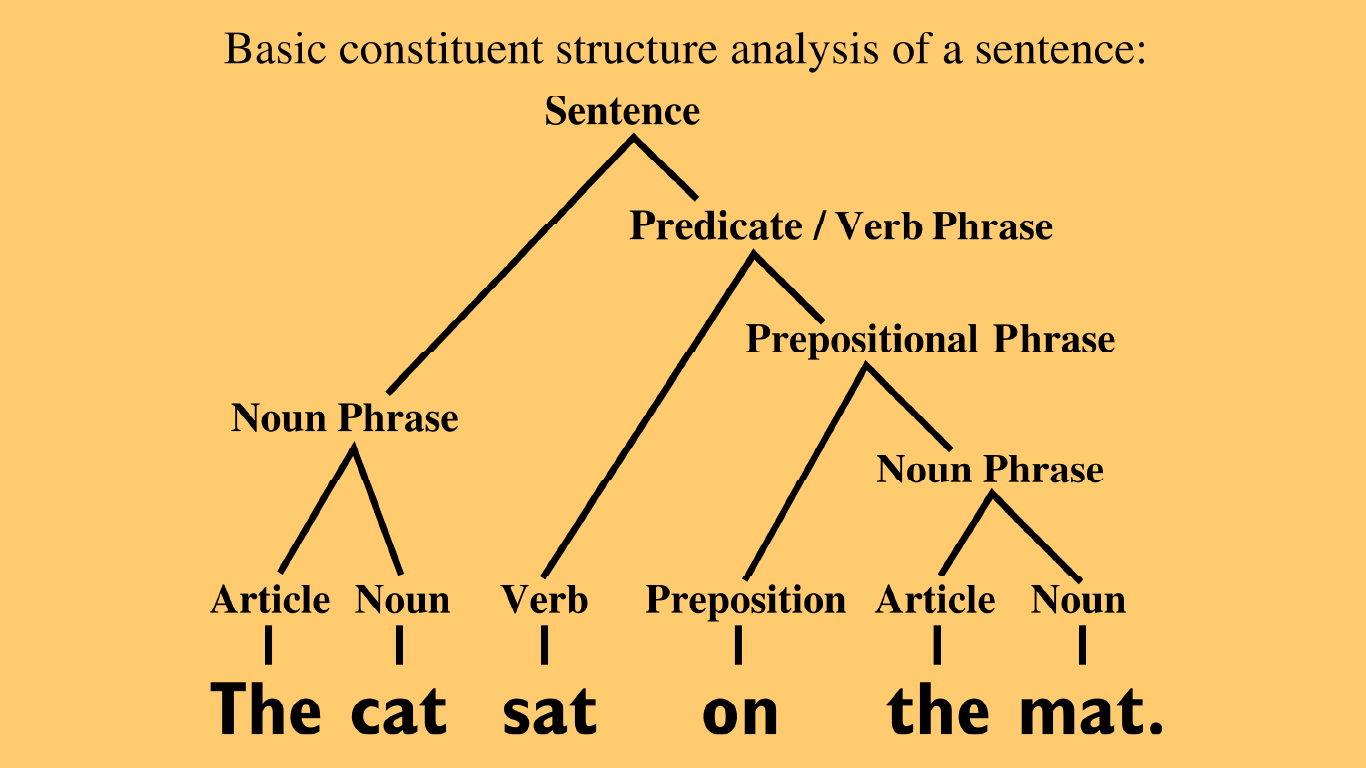
Once words are identified, the next critical step is syntactic parsing, which aims to uncover the grammatical structure of the sentence. This involves determining the relationships between words and phrases, identifying subjects, verbs, objects, and modifiers. For an AI, this is akin to building a grammatical tree that illustrates how words are grouped and dependent on one another.
Common parsing techniques include:
- Constituency Parsing: This method breaks down a sentence into its constituent phrases (e.g., Noun Phrase, Verb Phrase) and organizes them into a hierarchical tree structure. It shows the constituents of the sentence and how they are nested.
- Dependency Parsing: This approach identifies direct grammatical relationships between words, showing which word modifies or is dependent on another. For example, in “The quick brown fox,” “quick” depends on “fox,” and “brown” also depends on “fox.” This method often yields a more concise and intuitive representation of grammatical relations.
Syntactic parsing is vital because it reveals the backbone of a sentence’s meaning. Without understanding which word is the subject performing an action and which is the object receiving it, a machine cannot accurately interpret the intent or content of the text.
Semantic Interpretation: Extracting Meaning
While syntactic parsing gives us the structure, semantic interpretation dives into the actual meaning of the words and how they combine to form the overall message of the sentence. This is arguably the most complex aspect of “what makes up a sentence” for an AI, as meaning is often context-dependent, ambiguous, and culturally nuanced.
Semantic analysis involves:
- Word Sense Disambiguation (WSD): Determining the correct meaning of a word when it has multiple definitions (e.g., “bank” as a financial institution vs. a river bank) based on its context within the sentence.
- Named Entity Recognition (NER): Identifying and classifying proper nouns into predefined categories like person, organization, location, dates, etc. (e.g., “Apple” as a company vs. a fruit).
- Relationship Extraction: Identifying semantic relationships between entities in a sentence (e.g., “Steve Jobs founded Apple” implies a “founder_of” relationship).
The goal of semantic interpretation is to move beyond the superficial structure to grasp the core concepts, events, and relationships conveyed by the sentence, making it intelligible to an AI for decision-making or information retrieval.
The Role of Sentence Components in Natural Language Processing (NLP)
The detailed breakdown of a sentence by an algorithm is not just for theoretical understanding; it’s the operational fuel for a vast array of NLP tasks and applications that enrich our digital lives. Each identified component plays a critical role in enhancing the intelligence and utility of AI systems.
Parts of Speech (POS) Tagging and Grammatical Dependencies
Part-of-Speech (POS) tagging is a foundational NLP task that assigns a grammatical category (e.g., noun, verb, adjective, adverb) to each word in a sentence. While seemingly basic, POS tags are incredibly powerful. They help resolve ambiguity, improve the accuracy of syntactic parsers, and serve as features for more complex models. For instance, knowing if “book” is a noun (a thing to read) or a verb (to reserve) changes how a sentence is understood.
Building on POS tagging, grammatical dependency parsing maps out the head-dependent relationships between words. This detailed understanding allows AI to:
- Identify subject-verb agreement issues in grammar checkers.
- Determine the agent and patient of an action for information extraction.
- Construct more grammatically correct responses in conversational AI.
Named Entity Recognition (NER) and Information Extraction
As briefly mentioned in semantic interpretation, Named Entity Recognition (NER) is crucial for extracting structured information from unstructured text. By accurately identifying names of people, organizations, locations, dates, and other specific entities within sentences, AI systems can:
- Populate databases with key information from documents.
- Summarize articles by highlighting central figures and places.
- Improve search relevance by understanding entity mentions.
For example, from “Dr. Smith met with representatives from Google in London on Tuesday,” an NER system can identify “Dr. Smith” (PERSON), “Google” (ORGANIZATION), “London” (LOCATION), and “Tuesday” (DATE), converting raw text into actionable data points.
Coreference Resolution and Contextual Understanding
A sentence rarely stands alone in isolation; its meaning is often tied to preceding or succeeding sentences. Coreference resolution is the NLP task of finding all expressions that refer to the same entity in a text. This includes pronouns (e.g., “he,” “she,” “it,” “they”), definite noun phrases (e.g., “the president,” “the company”), and other referring expressions.
For example, in “Sarah went to the store. She bought apples.”, an AI needs to understand that “She” refers to “Sarah.” This ability is critical for:
- Building coherent chatbots that maintain context.
- Accurate document summarization that ties disparate sentences together.
- Understanding complex narratives and relationships across multiple sentences.
Without robust coreference resolution, AI systems would struggle to maintain conversational flow or accurately track entities throughout a longer piece of text, losing the crucial contextual understanding that humans effortlessly employ.
How AI Tools Leverage Sentence Structure
The profound analytical capabilities discussed above are not merely theoretical constructs; they are the engines behind many of the AI-powered tools we use daily. By understanding “what makes up a sentence,” these tools provide tangible benefits across various domains.
Grammar Checkers and Writing Assistants
Perhaps the most direct application of algorithmic sentence understanding is found in grammar checkers and AI writing assistants. Tools like Grammarly, ProWritingAid, and the built-in checkers in word processors leverage sophisticated NLP models to:
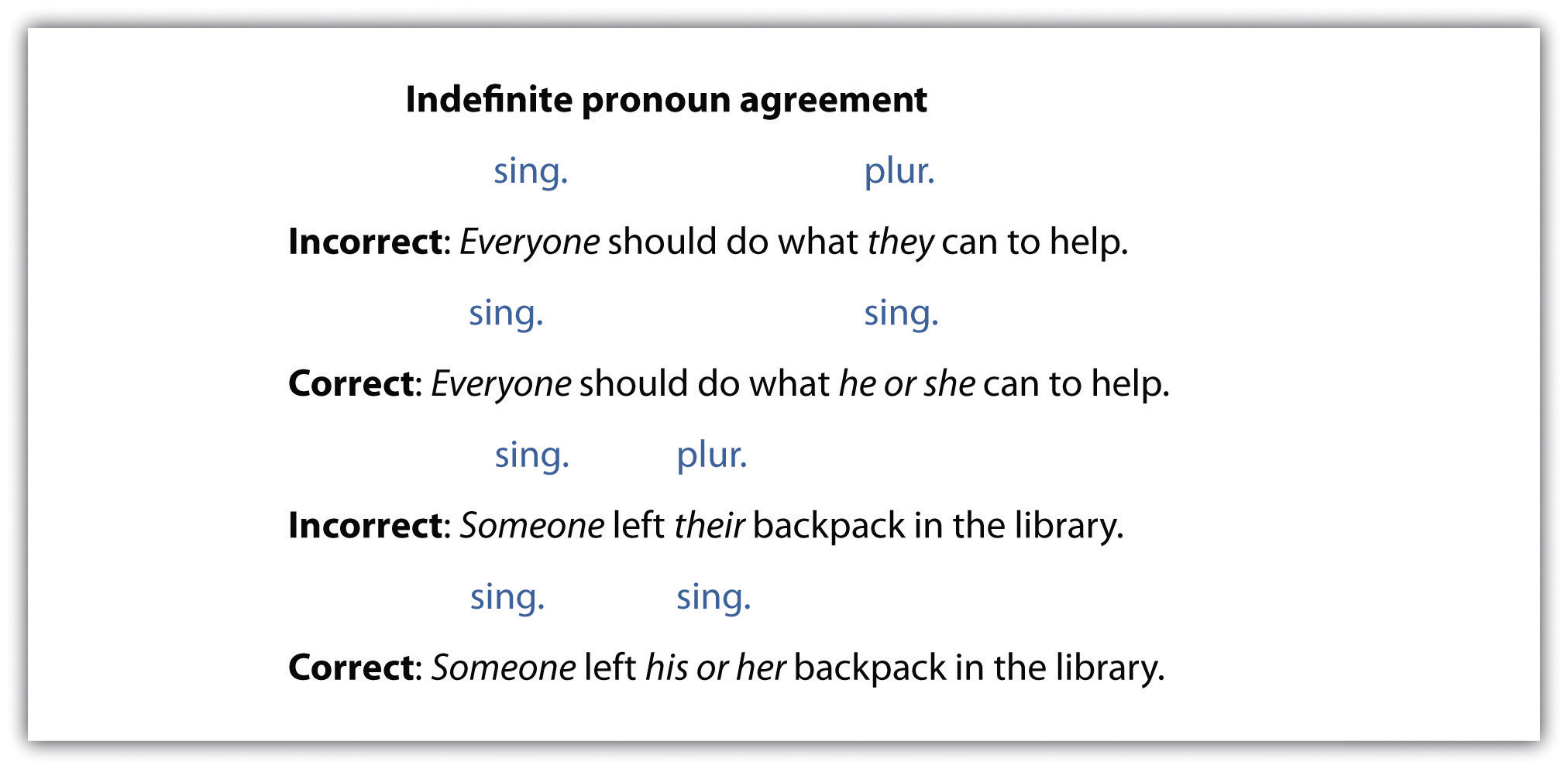
- Identify grammatical errors (subject-verb agreement, tense inconsistencies, pronoun usage).
- Flag stylistic issues (run-on sentences, passive voice, wordiness).
- Suggest improvements for clarity, conciseness, and impact.
- Even assess the tone and sentiment of a sentence to help authors align with their intended message.

These tools dissect sentences, analyze their syntax, and evaluate semantic coherence to provide real-time feedback, making us better writers and communicators.
Machine Translation and Cross-Lingual Interpretation
High-quality machine translation (e.g., Google Translate, DeepL) relies heavily on understanding sentence structure in both the source and target languages. Early translation systems struggled because they often translated word-for-word, ignoring the fundamental differences in syntax and idiom between languages.
Modern neural machine translation models, particularly those based on transformer architectures, can:
- Encode the meaning and structure of an entire source sentence into a complex numerical representation.
- Decode this representation into a grammatically correct and semantically equivalent sentence in the target language.
This holistic approach, which implicitly understands the components and relationships within sentences, allows for more fluid, accurate, and contextually appropriate translations, bridging linguistic barriers more effectively than ever before.
Sentiment Analysis and Conversational AI
Sentiment analysis, which determines the emotional tone (positive, negative, neutral) of text, fundamentally relies on analyzing the words and phrases within sentences. AI systems parse sentences to identify sentiment-bearing words, modifiers, and negations (e.g., “not good” vs. “good”) to accurately gauge overall sentiment. This is critical for:
- Brand monitoring and customer feedback analysis.
- Market research and understanding public opinion.
In conversational AI (chatbots, virtual assistants), understanding what makes up a sentence is paramount. When a user inputs a query, the AI must:
- Parse the sentence to identify the user’s intent (e.g., “order pizza,” “check weather”).
- Extract relevant entities (e.g., “pepperoni,” “New York”).
- Formulate a grammatically correct and contextually appropriate response.
Advanced conversational agents utilize sophisticated language models that have learned the intricacies of sentence structure and meaning from vast datasets, enabling them to engage in increasingly natural and intelligent dialogue.
The Evolving Challenge: Ambiguity, Nuance, and Context
Despite monumental progress, the task of fully understanding “what makes up a sentence” for an AI is far from complete. Human language is inherently ambiguous, nuanced, and deeply reliant on context, presenting persistent challenges for algorithmic interpretation.
Tackling Syntactic Ambiguity
Syntactic ambiguity occurs when a sentence can be parsed in more than one way, leading to different meanings. For instance, “I saw the man with the telescope.” Does “with the telescope” describe the man or the act of seeing? Humans resolve this easily using common sense or context, but for an AI, it’s a structural puzzle.
NLP models employ statistical methods, machine learning classifiers, and deep learning architectures to evaluate possible parse trees and choose the most probable one based on patterns learned from vast text corpora. However, subtle ambiguities can still lead to misinterpretations.
Disambiguating Word Sense and Idioms
Beyond structural ambiguity, individual words often carry multiple meanings (polysemy), and phrases can have non-literal interpretations (idioms). “He kicked the bucket” does not mean a literal bucket was kicked. “The project is on ice” means it’s postponed, not literally frozen.
Word Sense Disambiguation (WSD) techniques use contextual clues, statistical models, and knowledge graphs to select the most appropriate meaning of a word. Idiom detection often involves recognizing fixed multi-word expressions and treating them as single semantic units rather than composing meaning from individual words. These are complex tasks where human intuition often outperforms current AI.
The Power of Contextual Embeddings (e.g., Transformers)
A significant leap forward in addressing ambiguity and nuance came with the advent of contextual embeddings and transformer architectures (e.g., BERT, GPT). Unlike previous methods that assigned a single, fixed numerical representation (embedding) to each word, contextual embeddings generate a word’s representation based on its specific context within a sentence.
This means the embedding for “bank” in “river bank” will be different from “bank” in “financial bank.” These models process entire sentences (or even paragraphs) simultaneously, capturing long-range dependencies and subtle contextual clues that are vital for accurate semantic interpretation. Transformers have dramatically improved performance across nearly all NLP tasks by providing a more sophisticated and dynamic understanding of how words interact within a sentence to convey meaning.
The Future of Sentence Understanding in AI
The journey of teaching machines “what makes up a sentence” is an ongoing evolution, with each breakthrough bringing AI closer to human-like linguistic competence. The future holds even more profound advancements and challenges.
Advancements in Large Language Models (LLMs)
The emergence of Large Language Models (LLMs) like GPT-3, GPT-4, and their open-source counterparts represents a paradigm shift. These models, trained on unfathomably vast amounts of text data, have developed an unprecedented ability to generate coherent, contextually relevant, and grammatically impeccable sentences. They demonstrate an implicit, deep understanding of sentence structure, style, and semantic relationships, not through explicit programming, but through statistical patterns learned from billions of examples.
Future LLMs will continue to refine this understanding, becoming even more adept at discerning subtle nuances, handling complex reasoning within sentences, and generating text that is indistinguishable from human output.
Towards More Human-Like Comprehension
The ultimate goal for AI is not just to parse sentences correctly but to truly comprehend them in a way that mirrors human understanding, including common sense, world knowledge, and emotional intelligence. This involves moving beyond simply recognizing grammatical structures to inferring intent, recognizing sarcasm, understanding humor, and making logical leaps that are intuitive to humans.
Research in areas like multimodal AI (combining text with images, audio, and video) and cognitive computing aims to endow AI with a richer, more holistic understanding of the world, which will inevitably deepen its ability to interpret and generate sentences in a more human-like manner.
Ethical Implications and Bias in Algorithmic Sentence Processing
As AI systems become more sophisticated in their understanding of sentences, the ethical implications also grow. The data used to train these models reflects human language, which can unfortunately contain biases related to race, gender, culture, and socioeconomic status. If an AI learns “what makes up a sentence” from biased data, its interpretations and generations of sentences can perpetuate and amplify those biases.
Addressing this requires careful curation of training data, development of bias detection and mitigation techniques, and a commitment to building fair and transparent NLP systems. The power to understand and manipulate sentences comes with a responsibility to ensure these capabilities are used ethically and equitably.
In conclusion, “what makes up a sentence” is a question that continues to drive innovation in the tech world. From basic lexical units to complex semantic relationships, every component of a sentence is meticulously analyzed by algorithms to unlock meaning and enable intelligent interaction. As AI continues its rapid ascent, our understanding of how machines perceive and process language will only deepen, paving the way for even more sophisticated and integrated human-computer collaboration in the digital age.
aViewFromTheCave is a participant in the Amazon Services LLC Associates Program, an affiliate advertising program designed to provide a means for sites to earn advertising fees by advertising and linking to Amazon.com. Amazon, the Amazon logo, AmazonSupply, and the AmazonSupply logo are trademarks of Amazon.com, Inc. or its affiliates. As an Amazon Associate we earn affiliate commissions from qualifying purchases.