
In an increasingly interconnected yet fragmented world, the question “What is your identity?” transcends mere personal introspection; it becomes a fundamental strategic imperative for brands, both corporate and individual. Identity, in the realm of branding, is the irreducible essence of who you are, what you stand for, what you promise, and how you are perceived. It is the core DNA that dictates every communication, interaction, and experience associated with your name, product, service, or personal presence. Without a clear, well-defined identity, a brand risks being lost in the noise, unable to differentiate itself, forge meaningful connections, or build lasting value. This article delves into the profound significance of identity as the bedrock of successful branding, exploring its definition, articulation, evolution, and strategic impact in today’s dynamic marketplace.

The Cornerstone of Brand Strategy: Defining Your Core Identity
Before a single marketing campaign is launched, a logo designed, or a product brought to market, the most critical foundational work lies in meticulously defining identity. This isn’t just an exercise in self-description; it’s a strategic process that informs every subsequent decision, guiding a brand’s trajectory and ensuring coherence across all touchpoints. A robust identity acts as an internal compass, ensuring that all efforts align with the brand’s true nature and purpose.
Unearthing Your Brand’s DNA: Values, Mission, and Vision
The very first layer of identity lies in its fundamental building blocks: core values, mission, and vision. Core values are the non-negotiable principles that guide every action and decision, serving as the ethical and operational bedrock. They dictate how a brand behaves and interacts with its customers, employees, and the broader community. For instance, a brand built on “innovation” will constantly seek new solutions, while one rooted in “integrity” will prioritize transparency and honesty.
The mission statement, on the other hand, articulates the brand’s fundamental purpose – why it exists right now. It defines the current business, its primary objectives, and the needs it seeks to fulfill for its target audience. It’s concise, actionable, and customer-centric. Complementing this is the vision statement, which paints a picture of the desired future – where the brand aspires to be in the long term. It’s inspirational, aspirational, and sets a clear direction for growth and impact. Together, these three elements form the immutable DNA of a brand, providing clarity and direction that transcends transient market trends or product cycles. They are the internal truth that must be discovered and articulated before any external projection can be authentic.
Persona and Purpose: Who Are You Speaking To, and Why?
Beyond internal definitions, identity is deeply intertwined with understanding external relationships. A critical component of defining who you are as a brand involves understanding who you are for. This means meticulously developing a clear picture of your target audience—their demographics, psychographics, needs, aspirations, and pain points. Crafting detailed customer personas helps to humanize this audience, allowing the brand to tailor its identity and messaging to resonate deeply.
Furthermore, a brand’s identity is inextricably linked to its “purpose” – the bigger why behind its existence that extends beyond profit. This purpose provides meaning and resonance, attracting customers who share similar values and inspiring employees. For instance, Patagonia’s identity is deeply tied to its environmental activism and commitment to sustainability; this purpose is not just marketing, but a core part of who they are and how they operate. Defining this purpose helps a brand articulate its unique contribution to the world, making its identity more compelling and enduring than merely offering a product or service. When a brand’s identity is rooted in a clear purpose, it fosters deeper connections and builds a loyal community around shared beliefs and goals.
From Introspection to External Expression: Projecting Your Identity
Once a brand’s core identity—its values, mission, vision, purpose, and target audience—has been clearly defined, the next crucial step is to translate this internal essence into external, perceptible expressions. This is where the intangible becomes tangible, where the foundational beliefs are woven into every aspect of public-facing communication and design. The goal is to create a consistent, coherent, and compelling projection that accurately reflects the brand’s true nature and resonates with its intended audience.
Crafting Your Brand Narrative: Storytelling as Identity
At the heart of external identity projection lies the power of storytelling. A brand’s narrative is not just a collection of facts about its history or products; it’s the overarching story that communicates its identity, values, and purpose in an engaging and memorable way. This narrative explains who the brand is, where it comes from, what it believes in, and why it matters. It humanizes the brand, making it relatable and fostering an emotional connection with the audience.
Effective brand storytelling involves identifying key themes, heroes (often the founders or customers), challenges overcome, and the ultimate vision the brand is working towards. For instance, a startup’s narrative might focus on innovation and disrupting the status quo, while an established luxury brand might emphasize heritage, craftsmanship, and exclusivity. Every piece of content—from website copy and social media posts to advertisements and public relations—should contribute to and reinforce this singular, cohesive narrative. By consistently telling its story, a brand breathes life into its identity, allowing its essence to be understood and remembered long after a specific product or service is consumed.
Visual and Verbal Identity: The Tangible Manifestations
The most immediate and impactful expressions of a brand’s identity are its visual and verbal elements. These are the sensory cues that communicate who the brand is at a glance or through a phrase.
Visual Identity: This encompasses the logo, color palette, typography, imagery, and overall design aesthetic. A well-designed logo, for example, is more than just an image; it’s a symbolic representation of the brand’s identity, often conveying its values, industry, or approach. The choice of colors evokes specific emotions and associations (e.g., blue for trustworthiness, green for nature). Typography selection communicates personality, whether it’s modern and sleek, classic and elegant, or bold and assertive. Consistent application of these visual elements across all platforms—from packaging to websites, uniforms to advertising—is paramount for instant recognition and reinforcing the brand’s identity.
Verbal Identity: This refers to the brand’s tone of voice, messaging style, and the language it uses. Is the brand authoritative, friendly, witty, empathetic, or formal? Its verbal identity dictates how it communicates with its audience, shaping perceptions of its personality. This extends to taglines, slogans, product descriptions, customer service scripts, and even internal communications. A consistent verbal identity ensures that regardless of who is speaking on behalf of the brand, the underlying personality and values shine through, reinforcing the cohesive identity that has been meticulously defined.
The Personal Brand Imperative: You Are Your Own Enterprise
The principles of corporate identity are increasingly vital for individuals, giving rise to the concept of “personal branding.” In today’s professional landscape, every individual, especially those in leadership roles, entrepreneurs, and freelancers, essentially operates as their own brand. “What is your identity?” becomes a crucial question for career progression, networking, and influence.
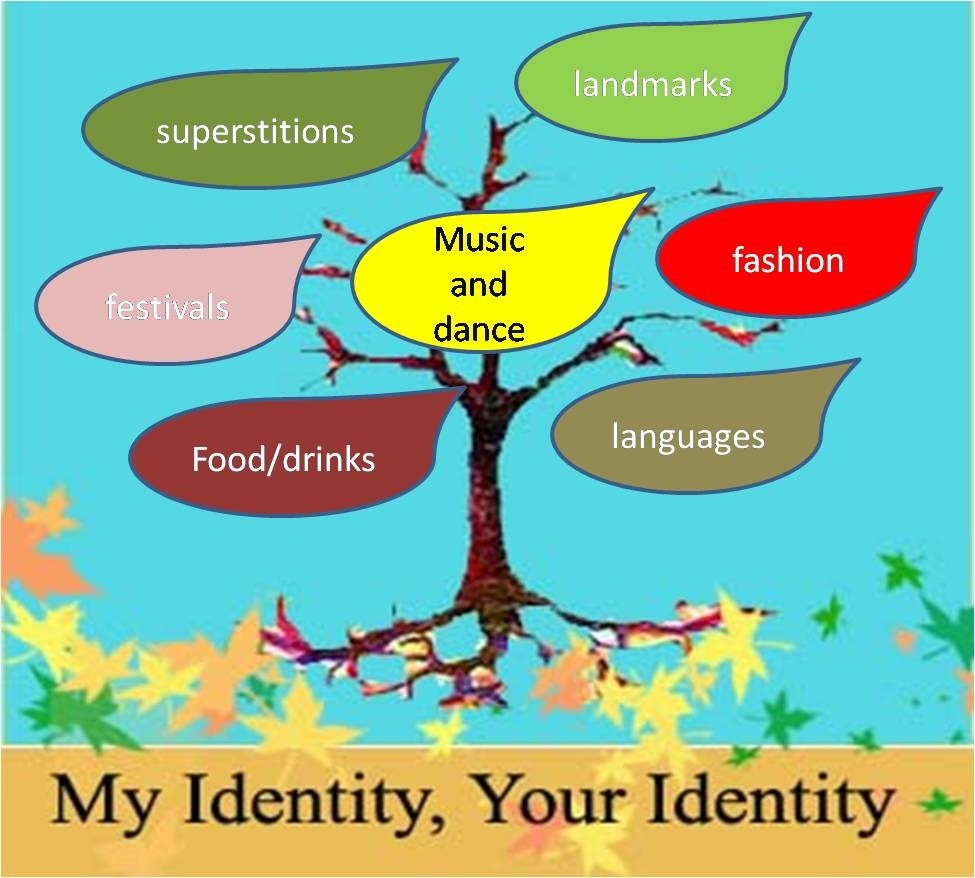
Personal branding involves consciously defining and consistently projecting one’s unique professional identity—including skills, expertise, values, passions, and personality—to a target audience. It’s about showcasing what makes you distinct and valuable, much like a corporate brand seeks to differentiate its offerings. Authenticity is key here; a personal brand must genuinely reflect who you are and what you stand for, rather than being an artificial construct. From your LinkedIn profile and professional headshot to your online content, speaking engagements, and networking interactions, every touchpoint contributes to your personal brand identity. A strong personal brand builds credibility, opens doors to opportunities, and establishes an individual as a thought leader or expert in their field, making them a magnetic force in their industry.
The Dynamic Nature of Identity: Evolution and Adaptation
While a brand’s core identity—its fundamental values and purpose—should remain steadfast, its external expression and strategic positioning are not static. The market landscape is constantly shifting, consumer preferences evolve, technological advancements emerge, and societal values progress. For a brand’s identity to remain relevant, resonant, and effective, it must be capable of thoughtful evolution and adaptation without compromising its core truth.
Navigating Brand Evolution: Rebranding vs. Refinement
The decision to evolve a brand’s identity requires careful consideration. Often, a “refinement” is sufficient. This involves subtle updates to visual elements, a slight shift in tone of voice, or a modernizing of messaging to better connect with a contemporary audience, all while retaining the fundamental essence. For example, a tech company might update its logo to a sleeker design to reflect its move towards more minimalist products, but its core identity as an innovator remains.
However, there are times when a more significant change, a “rebrand,” is necessary. This typically occurs when a brand has undergone a major strategic pivot (e.g., entering a new market, changing its core offering), faced a significant reputational crisis, or simply grown so far beyond its original identity that it no longer accurately represents who it is. A rebrand involves a comprehensive overhaul of visual and verbal identity, often accompanied by a revised mission and vision. The challenge lies in ensuring that even during a dramatic rebrand, a thread of continuity connects the new identity to the old, demonstrating thoughtful progression rather than arbitrary abandonment, thus preventing alienation of existing loyal customers.
Authenticity and Consistency: The Pillars of Trust
Throughout any process of evolution or adaptation, two principles remain paramount for maintaining a strong and credible identity: authenticity and consistency. Authenticity means that the brand’s projected identity genuinely reflects its internal truth—its values, purpose, and capabilities. Consumers are increasingly discerning and can quickly detect incongruence between what a brand says it is and what it actually does or stands for. An inauthentic identity erodes trust and damages reputation, a far greater cost than any market trend.
Consistency, on the other hand, refers to the unified and unwavering application of the brand’s identity across all touchpoints, platforms, and communications over time. Every interaction a customer has with the brand, from its website to its customer service, its social media to its physical products, must reinforce the same core identity. Inconsistency creates confusion, weakens brand recall, and signals a lack of clarity or conviction. By upholding authenticity and consistency, even as it adapts, a brand builds deep trust with its audience, transforming fleeting interest into enduring loyalty.
Identity as a Strategic Asset: Driving Value and Impact
A meticulously defined, consistently projected, and authentically evolving identity is far more than just a philosophical exercise or a design project; it is a powerful strategic asset. A strong brand identity translates directly into tangible business benefits, serving as a catalyst for growth, differentiation, and sustained success in a competitive landscape.
Market Differentiation and Competitive Advantage
In a crowded marketplace where products and services can often be easily replicated, a distinct identity is the ultimate differentiator. It allows a brand to stand out not just for what it offers, but for who it is and why it matters. A unique identity creates a psychological and emotional barrier to entry for competitors because it fosters a unique bond with customers that goes beyond price or features. For example, Apple’s identity as a purveyor of innovative, elegant, and user-friendly technology allows it to command premium pricing and cultivate fierce loyalty, even when competitors offer similar functionalities. This differentiation provides a significant competitive advantage, making the brand harder to imitate and more resilient to market pressures. It carves out a unique space in the consumer’s mind, creating a distinct position that competitors struggle to usurp.
Fostering Loyalty and Community
People don’t just buy products; they buy into identities. When a brand’s identity aligns with a customer’s personal values, aspirations, or self-image, it creates a powerful sense of connection and belonging. A clear identity acts as a magnet, attracting a “tribe” of like-minded individuals who feel a shared affinity with the brand. This resonance moves beyond transactional relationships to foster deep emotional loyalty. Customers become advocates, actively promoting the brand and defending it. This loyalty translates into repeat business, increased customer lifetime value, and organic word-of-mouth marketing, which is invaluable. Brands like Harley-Davidson or Nike have cultivated not just customer bases but passionate communities united by their shared identification with the brand’s core identity—a sense of freedom and rebellion for Harley, or athletic empowerment for Nike.
Attracting Talent and Inspiring Culture
A strong and clear identity extends its influence beyond customers to significantly impact internal stakeholders, particularly employees and prospective talent. For corporate entities, identity plays a crucial role in “employer branding.” Just as consumers are drawn to brands that align with their values, top talent is increasingly selective, seeking employers whose identity resonates with their professional aspirations and personal beliefs. A well-articulated corporate identity, reflecting strong values and a compelling purpose, acts as a powerful magnet for attracting the best and brightest individuals.
Furthermore, this identity provides a blueprint for the internal culture. When employees understand and believe in the brand’s core identity, it fosters a sense of purpose, camaraderie, and shared direction. It guides decision-making, inspires innovation, and builds a cohesive, motivated workforce. A strong identity creates an environment where employees are not just performing tasks but are contributing to something larger than themselves, transforming their work into a meaningful endeavor and reinforcing the brand’s promise from the inside out.

Conclusion
The question “What is your identity?” is not a rhetorical one in the world of branding; it is the genesis of all successful strategies. Identity is the invisible force that shapes perception, drives connection, and ultimately determines value. It is the unwavering truth of a brand, articulated through its values, purpose, narrative, and aesthetic. From the introspection required to define its core DNA to the meticulous effort of translating that essence into consistent external expressions, and the strategic foresight to allow for thoughtful evolution, identity is a continuous journey.
By understanding, embracing, and consistently projecting a clear, authentic identity, brands—be they global corporations or individual professionals—do more than just sell products or services. They forge meaningful relationships, cultivate loyal communities, differentiate themselves in crowded markets, and ultimately build enduring legacies. In a world saturated with choices, a compelling identity is not just a competitive advantage; it is the very soul of distinction and the ultimate driver of lasting impact.
aViewFromTheCave is a participant in the Amazon Services LLC Associates Program, an affiliate advertising program designed to provide a means for sites to earn advertising fees by advertising and linking to Amazon.com. Amazon, the Amazon logo, AmazonSupply, and the AmazonSupply logo are trademarks of Amazon.com, Inc. or its affiliates. As an Amazon Associate we earn affiliate commissions from qualifying purchases.