
In an increasingly globalized world, the ability to work legally in a foreign country or even as a non-citizen within your own nation is a pivotal factor for financial stability, economic growth, and business compliance. At the heart of this ability lie work authorization documents. Far from being mere bureaucratic formalities, these documents represent a gateway to earning income, accessing financial services, and participating fully in an economy, while also serving as a critical pillar of risk management and compliance for businesses. Understanding what work authorization documents are, their purpose, and their implications is not just a legal necessity but a fundamental aspect of personal and corporate financial planning.
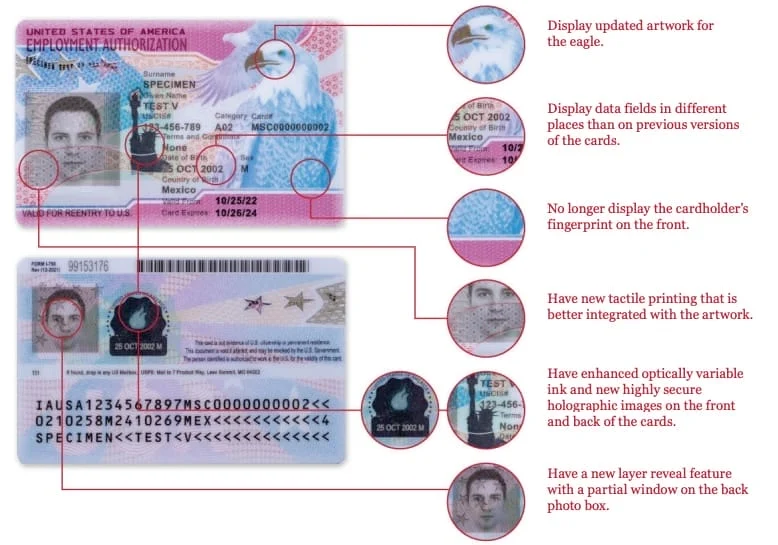
At its core, a work authorization document is an official permit issued by a governmental authority that grants an individual the legal right to work within a specific jurisdiction. These documents vary widely depending on the country, the individual’s immigration status, and the type of work they intend to perform. For individuals, possession of these documents means access to legitimate employment, fair wages, and the full range of financial benefits associated with legal work. For businesses, verifying and managing these documents is a non-negotiable legal obligation, directly impacting their financial health through potential penalties, reputational risk, and workforce stability. This article delves into the financial imperative behind work authorization, exploring its significance for both individuals and businesses operating in today’s complex economic landscape.
The Financial Imperative: Why Work Authorization Matters for Individuals
For an individual, obtaining and maintaining valid work authorization is the bedrock of their financial well-being and economic participation. Without it, the doors to legitimate employment and financial growth remain largely shut.
Unlocking Legal Income and Earning Potential
The most direct financial impact of work authorization is its role in enabling legal income generation. In virtually every developed economy, an individual cannot lawfully be employed without proper documentation. This means that work authorization is not just a piece of paper; it’s the key to:
- Stable and Predictable Income: Legal employment typically offers regular paychecks, allowing individuals to budget, save, and invest. This stability is foundational for personal finance.
- Fair Wages and Employee Protections: Legal workers are protected by labor laws concerning minimum wage, overtime, workplace safety, and non-discrimination. This ensures they receive fair compensation for their labor, safeguarding their earnings from exploitation.
- Access to Benefits: Full-time legal employment often comes with a suite of employer-sponsored benefits that have significant financial value, such as health insurance, retirement plans (like 401(k)s or pensions), paid time off, and life insurance. These benefits are critical components of a comprehensive financial security plan, reducing out-of-pocket expenses for healthcare and building long-term wealth.
- Career Advancement: Legal status allows individuals to build a legitimate career path, gain experience, and pursue promotions, leading to increased earning potential over time.
Conversely, working without authorization carries severe financial risks. Individuals may be vulnerable to exploitation, wage theft, unsafe working conditions, and may face deportation without recourse. They often operate in the shadow economy, unable to fully leverage their skills or build a stable financial future.
Accessing Financial Services and Building Credit
Beyond direct income, work authorization is crucial for integrating into the formal financial system, which is essential for long-term financial health.
- Bank Accounts: Legal employment and the associated documentation (like a Social Security Number or Taxpayer Identification Number) are typically required to open bank accounts, which are fundamental for managing money, receiving direct deposits, and making secure transactions. Without a bank account, individuals often rely on costly check-cashing services or informal methods, hindering their ability to save and accrue interest.
- Credit Building: A valid work authorization, leading to stable income and a tax ID, is a prerequisite for building a credit history. Credit is vital for securing loans (mortgages, car loans, personal loans), renting apartments, and even some job applications. A strong credit score translates into lower interest rates, saving individuals significant amounts of money over their lifetime.
- Investment Opportunities: With legal income and financial accounts, individuals can access investment vehicles such as stocks, bonds, mutual funds, and real estate, allowing them to grow their wealth and plan for retirement.
Without these foundational financial tools, individuals are severely limited in their ability to manage their money effectively, build assets, or achieve significant financial milestones.
Planning for Long-Term Financial Security
Work authorization documents are not just about immediate income; they are about long-term financial resilience.
- Social Security and Retirement: In many countries, legal employment leads to contributions to social security or national insurance schemes. These contributions, built up over years, entitle individuals to retirement benefits, disability benefits, and survivor benefits, forming a vital safety net in later life or in times of crisis.
- Tax Compliance and Benefits: Legally working individuals pay taxes, which contribute to public services but also grant them legal standing. They can file tax returns, potentially qualify for tax credits, and establish a clear financial record with the government, avoiding future legal or financial complications.
- Path to Permanent Residency/Citizenship: For many immigrants, maintaining continuous legal employment and tax compliance, enabled by work authorization, is a critical step towards obtaining permanent residency or citizenship, further solidifying their financial and legal standing in their adopted country.
Navigating the Business Finance Landscape: Employer Obligations and Risks
For businesses, the management of work authorization documents transcends simple human resources tasks; it’s a critical component of risk management, legal compliance, and strategic financial planning. Failure to properly verify and document an employee’s authorization to work can lead to severe financial penalties and operational disruptions.
Ensuring Compliance and Mitigating Legal & Financial Penalties
Governments worldwide impose strict regulations on employers regarding work authorization verification. In the U.S., for instance, employers must complete Form I-9 for every new hire to verify their identity and employment authorization. Non-compliance is not merely a technicality; it carries substantial financial repercussions.
- Hefty Fines: Companies found to be employing unauthorized workers face significant civil fines, which can range from thousands to tens of thousands of dollars per violation, depending on the severity and recurrence. These fines directly impact a company’s bottom line and can severely deplete financial reserves.
- Criminal Charges: In egregious cases, particularly those involving patterns of knowing violations, employers or their leadership can face criminal charges, including imprisonment, further escalating financial and personal costs.
- Reputational Damage: Beyond direct financial penalties, non-compliance can lead to severe reputational damage. This can deter customers, investors, and potential talent, affecting sales, stock value, and future growth prospects. The cost of rebuilding a tarnished reputation can be immense and may never fully recover.
- Loss of Business Licenses/Contracts: Depending on the industry and jurisdiction, sustained non-compliance can lead to the suspension or revocation of business licenses or eligibility for government contracts, effectively shutting down revenue streams and jeopardizing the entire enterprise.
Investing in robust compliance systems and training for HR and management is therefore a necessary financial expenditure to safeguard against potentially catastrophic financial and legal liabilities.
Strategic Workforce Planning and Talent Acquisition
Work authorization considerations are integral to a business’s strategic workforce planning and talent acquisition strategies, especially for companies seeking a diverse and global talent pool.

- Access to Global Talent: For highly specialized roles or industries with domestic talent shortages, understanding and navigating the work authorization process (e.g., visa sponsorship) is essential to attracting and retaining international talent. This investment in sponsorship fees and legal counsel can be financially beneficial by securing top-tier skills that drive innovation and competitive advantage.
- Predictable Workforce Stability: A workforce whose authorization is properly managed is a stable workforce. Businesses can avoid unexpected employee departures due to expired or invalid documents, which would otherwise incur significant costs related to recruitment, training, and lost productivity.
- Financial Investment in Immigration Processes: Sponsoring foreign workers involves direct financial costs such as application fees, legal fees for immigration attorneys, and potentially premium processing fees. These are strategic investments that must be carefully budgeted and weighed against the return on investment from securing critical talent.
Operational Efficiency and Financial Stability
The diligent management of work authorization directly contributes to a company’s operational efficiency and overall financial stability.
- Reduced Turnover Costs: By ensuring employees have valid work authorization, businesses minimize involuntary turnover resulting from compliance issues. High turnover is expensive, encompassing recruitment costs, onboarding, and lost productivity during transition periods.
- Streamlined Audits: Companies with well-organized and compliant work authorization records are better prepared for government audits, reducing the time, stress, and potential legal fees associated with responding to inquiries or investigations.
- Consistent Productivity: A workforce free from the specter of immigration issues can maintain consistent productivity levels, contributing to steady revenue generation and business growth. Any disruption due to authorization problems can lead to project delays, missed deadlines, and lost client opportunities.
Types of Work Authorization Documents and Their Financial Implications
The landscape of work authorization documents is diverse, each with its own set of eligibility criteria, validity periods, and, crucially, financial implications. Understanding these nuances is paramount for both individuals and businesses.
Common Document Categories (Examples: Green Cards, EADs, Visas)
The specific documents vary by country, but common categories include:
- Permanent Resident Cards (e.g., U.S. Green Card): These grant indefinite work authorization and residency. While initially costly to obtain through application and legal fees, they offer long-term financial security and freedom without the need for frequent renewals.
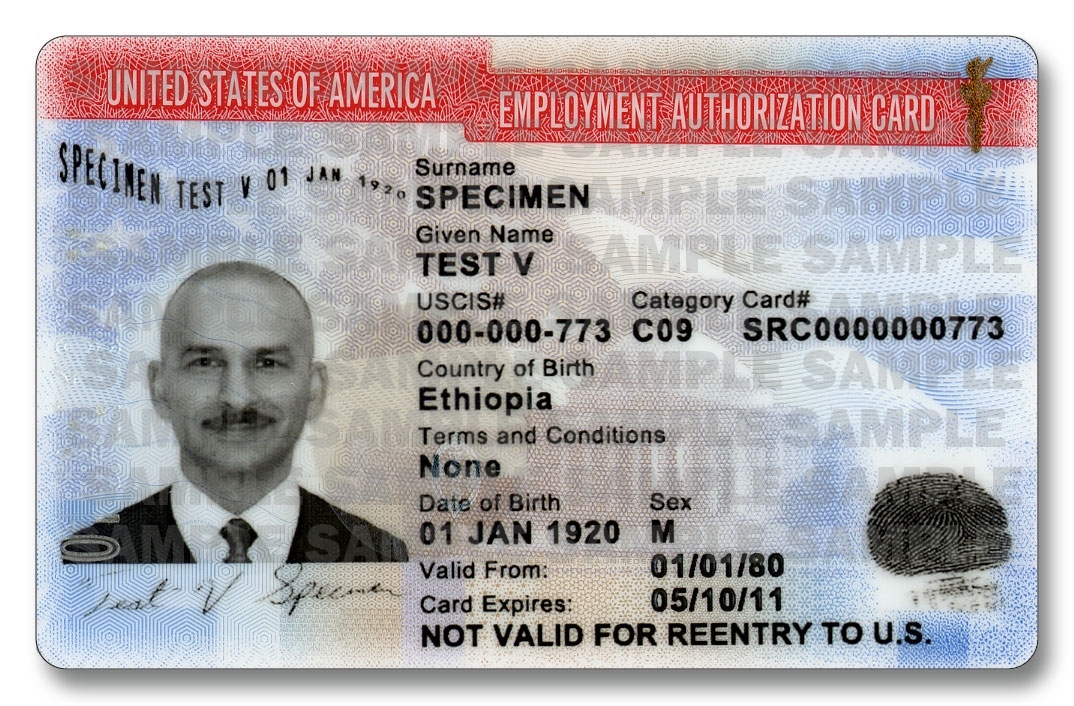
- Employment Authorization Documents (EADs): Often granted to certain non-immigrants (e.g., asylum seekers, students with specific employment eligibility, dependents of certain visa holders), EADs provide temporary work authorization. The financial implication here is the recurring renewal fees and the uncertainty associated with temporary status.
- Work Visas (e.g., H-1B in the U.S., Skilled Worker Visa in the UK): These are issued for specific purposes and durations, often tied to a sponsoring employer. They come with significant application fees, legal fees (often borne by the employer), and strict conditions. The financial investment is high, but they provide access to high-skill employment and often a pathway to permanent residency.
- Temporary Work Permits: These are for short-term, specific tasks (e.g., seasonal agricultural work) and have limited financial scope.
Each document type involves different levels of financial investment, both in terms of direct fees and the indirect costs of time and effort required for the application process.
The Application Process: Costs and Timelines
The process of obtaining or renewing work authorization is rarely free and often complex.
- Direct Financial Costs: These include government filing fees, biometric fees, and potentially fees for legal counsel. These costs can range from hundreds to thousands of dollars per application, a significant financial outlay for individuals or small businesses.
- Indirect Costs:
- Lost Income: Waiting periods for authorization can be lengthy. During this time, individuals might be unable to work, leading to lost income and financial strain.
- Travel and Documentation: Costs associated with obtaining required supporting documents (birth certificates, educational transcripts), translations, and travel for interviews can add up.
- Opportunity Cost: The time spent on applications is time not spent on income-generating activities or business development.
- Stress and Uncertainty: While not directly financial, the psychological toll of uncertainty can impact productivity and decision-making.
Understanding these costs and planning for them is a crucial part of financial management for anyone involved in work authorization processes.
Best Practices for Managing Work Authorization from a Financial Perspective
Effective management of work authorization is a strategic financial imperative for both individuals and businesses. Proactive measures can prevent costly errors, ensure compliance, and secure financial well-being.
For Individuals: Proactive Planning and Savings
Individuals should adopt a proactive approach to their work authorization status:
- Understand Your Status and Deadlines: Know the expiry date of your current authorization and understand the requirements and timelines for renewal or applying for a new status. Mark deadlines on calendars and set reminders.
- Save for Application Fees and Legal Costs: Anticipate the financial costs associated with renewals or new applications. Create a dedicated savings fund to cover government fees, attorney fees, and any associated travel or documentation costs.
- Maintain Accurate Records: Keep meticulous records of all immigration documents, application receipts, communication with authorities, and employment history. These are crucial for future applications and as proof of legal presence and work history.
- Seek Reputable Advice: If the process is complex, invest in legal consultation from a qualified immigration attorney. The cost of good advice upfront can prevent far more expensive mistakes or delays down the line.
For Businesses: Robust Compliance Systems and HR Investment
For businesses, integrating work authorization compliance into financial and operational strategy is key:
- Implement Clear Policies and Procedures: Establish comprehensive, written policies for verifying work authorization for all new hires and regularly auditing existing employee documentation.
- Invest in HR Training: Ensure HR personnel responsible for I-9 or equivalent verification are thoroughly trained and up-to-date on current regulations. This is a critical investment to avoid human error.
- Utilize Compliance Software/Services: For larger businesses, investing in specialized software or third-party services can automate compliance checks, track renewal dates, and maintain secure digital records, significantly reducing the risk of errors and fines.
- Conduct Regular Internal Audits: Periodically audit employment authorization documents to identify and rectify any discrepancies before they become a problem during a government inspection. This proactive measure is a cost-effective way to mitigate risk.
- Budget for Immigration Costs: Companies that sponsor foreign workers should explicitly budget for visa application fees, legal fees, and potential premium processing costs as part of their talent acquisition and operational expenses.
Conclusion
Work authorization documents are foundational to economic participation and financial security, serving as more than just identification; they are permits to engage with the economic machinery of a nation. For individuals, these documents are the non-negotiable gateway to legal income, financial services, and long-term wealth building, ensuring protection and stability. For businesses, they represent a critical area of legal and financial compliance, where diligence prevents substantial penalties, preserves reputation, and enables strategic workforce management.
In essence, work authorization documents are deeply intertwined with the “Money” category. They dictate who can earn, how securely they can earn, what financial services they can access, and how businesses manage their financial risks and opportunities related to human capital. Understanding, respecting, and diligently managing these documents is not merely a legal obligation but a profound financial imperative for individuals seeking prosperity and businesses striving for sustainable growth and operational integrity.
aViewFromTheCave is a participant in the Amazon Services LLC Associates Program, an affiliate advertising program designed to provide a means for sites to earn advertising fees by advertising and linking to Amazon.com. Amazon, the Amazon logo, AmazonSupply, and the AmazonSupply logo are trademarks of Amazon.com, Inc. or its affiliates. As an Amazon Associate we earn affiliate commissions from qualifying purchases.