
In the intricate tapestry of human interaction, words hold an undeniable power. They can build bridges, ignite inspiration, foster trust, and forge lasting connections. While often discussed in the context of personal relationships, the concept of “words of affirmation” extends far beyond, emerging as a surprisingly potent force within the realms of branding, corporate identity, and strategic communication. Far from a mere nicety, words of affirmation, when applied judiciously and authentically, serve as a foundational element for cultivating robust personal brands, nurturing loyal customer bases, and fostering vibrant organizational cultures.
At its core, a word of affirmation is any verbal or written expression that communicates appreciation, recognition, encouragement, or positive regard. It’s about validating worth, acknowledging effort, and expressing genuine esteem. In the professional sphere, this translates into a powerful tool for shaping perceptions, influencing behavior, and ultimately, defining how an individual, a product, or an entire organization is seen, understood, and valued by its various stakeholders. This article delves into the strategic application of words of affirmation, exploring how this fundamental human need for positive recognition can be harnessed to build powerful brands and enduring professional relationships.
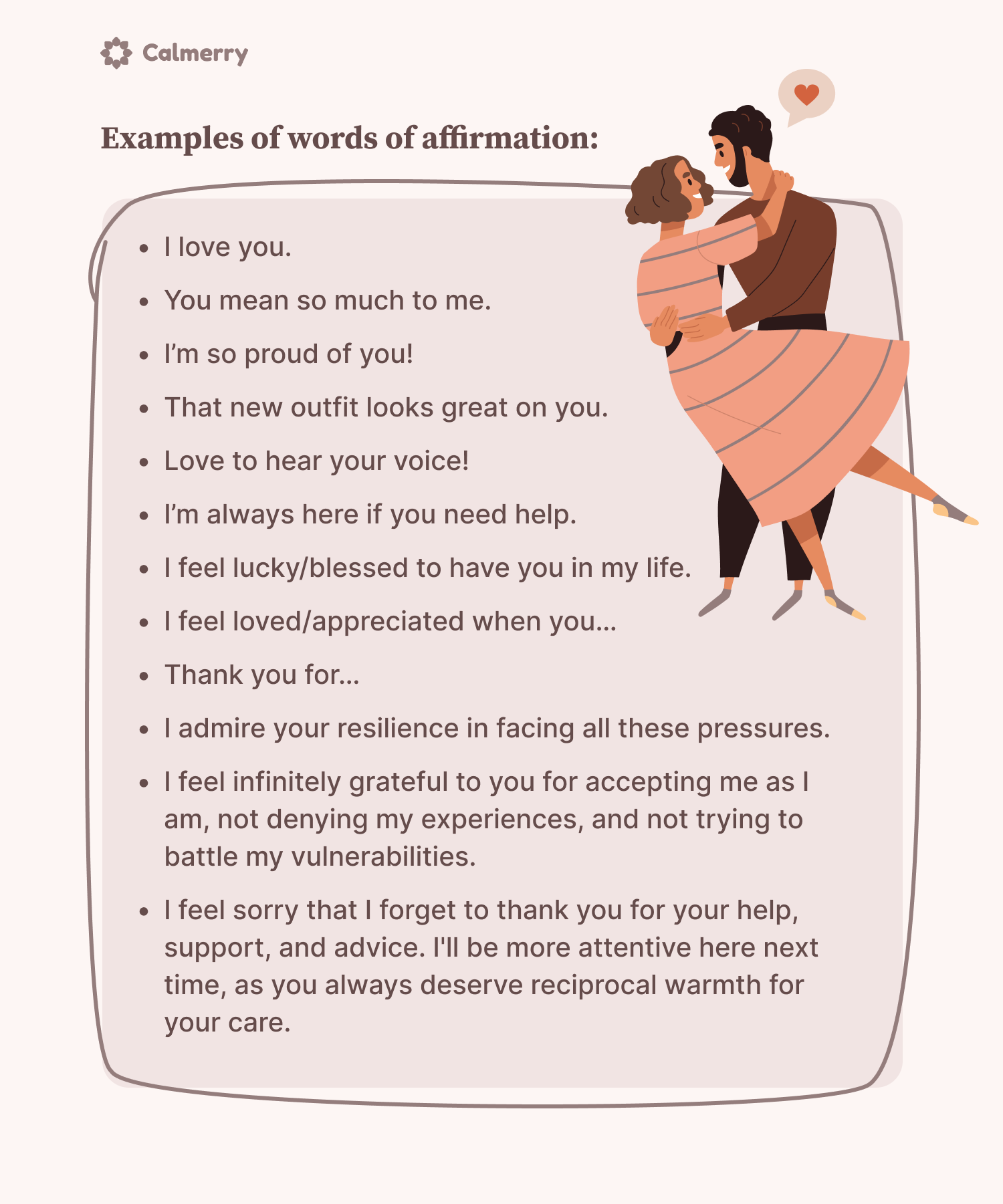
The Core Concept: Verbal Validation in a Professional Context
The human psyche is inherently wired for recognition and validation. We thrive on feeling seen, heard, and appreciated. When this fundamental need is met through words, it creates a positive emotional response that can significantly impact motivation, loyalty, and engagement. While originally popularized as one of the “love languages” in personal relationships, its principles are profoundly relevant and applicable within the professional landscape.
Beyond Personal Love Languages: Affirmation in Business
Translating the concept of words of affirmation into a business context means understanding its role in professional interactions rather than romantic ones. It’s about leveraging language to build respect, acknowledge contributions, and reinforce positive behaviors. In a professional setting, words of affirmation manifest as:
- Recognition of Achievements: Publicly or privately acknowledging an individual’s or team’s success, hard work, or contribution to a project.
- Expressions of Appreciation: Saying “thank you” not just for a completed task, but for the effort, thoughtfulness, or extra mile someone went.
- Constructive Encouragement: Offering verbal support and belief in someone’s capabilities, particularly when they face challenges or are developing new skills.
- Positive Feedback: Providing specific, genuine praise that highlights strengths and effective strategies, fostering a growth mindset.
- Validation of Ideas: Acknowledging the merit of someone’s suggestion, even if it’s not ultimately pursued, showing respect for their input.
The impact of these affirmations extends to every facet of a brand’s ecosystem: from internal team dynamics and leadership effectiveness to customer loyalty and public perception. It’s about creating an environment where individuals feel valued, understood, and motivated, which in turn reflects positively on the brand they represent or engage with.
The Psychology of Verbal Affirmation in Branding
The psychological impact of verbal affirmation is profound. From a brand perspective, it touches upon several critical aspects:
- Boosting Morale and Motivation: For employees and team members, consistent words of affirmation reduce burnout, increase job satisfaction, and inspire greater commitment. A recognized employee is a motivated employee, leading to higher productivity and better service delivery – both direct benefits to a brand’s reputation.
- Enhancing Trust and Credibility: When a brand, or an individual representing a brand, consistently uses affirmative language – whether thanking customers, praising colleagues, or acknowledging partners – it fosters an environment of trust. This builds credibility and positions the entity as reliable, appreciative, and ethical.
- Shaping External Perception: How a brand communicates internally often leaks externally. A company known for its appreciative culture is more likely to be perceived positively by the public. Similarly, a personal brand built on uplifting others gains a reputation for generosity and support, enhancing its perceived value.
- Reinforcing Brand Values: Affirmative language can be strategically used to reinforce core brand values. If a company values innovation, affirming employees who take calculated risks or propose novel ideas reinforces that value. If customer satisfaction is paramount, words of appreciation to loyal customers solidify this commitment.
By understanding these psychological underpinnings, brands can intentionally weave words of affirmation into their communication strategies, transforming them from simple courtesies into powerful instruments of brand building and sustained success.
Words of Affirmation in Personal Branding
In today’s interconnected professional world, personal branding is no longer optional; it’s a necessity. It’s about consciously shaping how others perceive your skills, expertise, character, and values. Words of affirmation play a dual, indispensable role here: both in how you receive them and how you strategically deploy them.
Crafting Your Authentic Narrative
Your personal brand is a narrative, and words of affirmation are key contributors to its plot and character development.
- Receiving Affirmations: Testimonials, endorsements, recommendations, and positive feedback from colleagues, clients, and mentors are powerful external affirmations. They validate your expertise, professionalism, and impact, providing social proof that is invaluable for your personal brand. Collecting and strategically showcasing these affirmations (on LinkedIn, personal websites, or portfolios) can significantly bolster your credibility and attract new opportunities. They are objective statements from others that affirm your capabilities, making your brand story more compelling and trustworthy.
- Giving Affirmations: The act of giving genuine affirmations is equally powerful. When you thoughtfully endorse a colleague’s skills, provide a heartfelt recommendation for a former team member, or publicly praise a vendor’s excellent service, you’re not just helping them; you’re also strengthening your own brand. It positions you as a generous, supportive, and discerning professional. This cultivates a positive reputation, expands your network, and enhances your perceived leadership qualities. It demonstrates that you are secure enough in your own abilities to uplift others, a highly attractive trait.
- Self-Affirmation for Confidence: While often external, words of affirmation can also be internal. Practicing self-affirmation – consciously acknowledging your strengths, achievements, and positive attributes – builds confidence, resilience, and a strong sense of self-worth. This internal conviction translates into outward poise and authenticity, which are magnetic qualities for any personal brand.
Leveraging Testimonials and Endorsements
These are perhaps the most direct and impactful forms of external affirmation for a personal brand. They serve as third-party validation that can significantly influence potential clients, employers, or collaborators.
- Strategic Collection: Don’t wait for them to come to you. Actively request testimonials from satisfied clients or project collaborators immediately after a successful engagement. Be specific about what kind of feedback would be most helpful (e.g., “Could you highlight how I contributed to achieving X outcome?”).
- Prominent Display: Once collected, ensure these affirmations are easy to find. Feature them on your personal website, LinkedIn profile, professional portfolios, and even in proposals or presentations. Video testimonials can be particularly impactful.
- Building Credibility: A collection of strong, specific affirmations from diverse sources acts as irrefutable proof of your value proposition. It goes beyond simply stating your skills; it demonstrates your impact through the words of others, lending immense credibility to your personal brand narrative.
Networking and Relationship Building through Affirmation
Professional networking thrives on genuine connection, and words of affirmation are the cornerstone of such connections.
- Authentic Appreciation: Instead of generic “nice to meet you” messages, tailor your follow-ups with specific appreciation. “I really enjoyed our conversation about [specific topic] and appreciated your insights on [particular point].”
- Offering Support: Be quick to offer verbal support or encouragement when a contact shares a professional challenge or goal. “I believe in your ability to tackle this,” or “That’s a tough situation, but I know you’ll find a solution.”
- Acknowledging Achievements: Publicly (or privately) congratulate contacts on their successes, promotions, or milestones. A simple “Congratulations on your new role, well deserved!” can significantly strengthen a professional bond and build goodwill.
By consistently applying these principles, individuals can strategically use words of affirmation to craft a compelling personal brand that resonates with authenticity, competence, and a genuine spirit of collaboration.

Cultivating a Culture of Affirmation in Corporate Identity
Beyond individual branding, words of affirmation are pivotal in shaping a strong, positive corporate identity. This applies both internally, within the organization’s walls, and externally, in its interactions with customers and the wider public. A corporate identity infused with affirmation speaks volumes about its values, its respect for people, and its commitment to excellence.
Internal Branding: Boosting Employee Engagement and Retention
An organization’s brand is only as strong as its people. When employees feel undervalued or unappreciated, it erodes morale, productivity, and ultimately, the company’s reputation. Words of affirmation are a powerful antidote.
- Formal Recognition Programs: Implementing structured programs like “Employee of the Month,” annual awards, or peer-to-peer recognition platforms are excellent ways to formalize affirmations. The key is that these programs should be accompanied by specific, public praise highlighting why the individual or team is being recognized.
- Informal, Daily Praise: Equally, if not more important, is the consistent, informal use of appreciative language in daily interactions. Managers saying “Great job on that report, Sarah, your analysis was really insightful,” or team leaders acknowledging “I appreciate everyone staying late to get this done,” creates a positive work environment.
- Impact on Culture and Productivity: A culture steeped in affirmation leads to higher employee satisfaction, reduced turnover, and increased productivity. When employees feel their efforts are noticed and valued, they are more engaged, more loyal, and more likely to go above and beyond. This internal strength directly translates into a stronger external brand image.
External Branding: Customer Loyalty and Advocacy
How a brand communicates with its customers is a direct reflection of its values and can significantly impact loyalty and advocacy. Words of affirmation play a critical role here.
- Personalized Appreciation: Simple gestures like personalized thank-you notes for purchases, custom birthday greetings, or acknowledging long-term customer relationships can make customers feel seen and valued.
- Responsive and Empathetic Service: In customer service interactions, using affirmative language to validate a customer’s feelings or acknowledge their frustration (“I understand how frustrating that must be”) before offering solutions builds trust and rapport, even in challenging situations.
- Turning Customers into Advocates: When customers feel genuinely appreciated, they become advocates. They are more likely to recommend the brand to others, leave positive reviews, and defend the brand against criticism. This organic advocacy is invaluable for brand growth and reputation.
Leadership and Management through Affirmative Communication
Effective leadership is intrinsically linked to effective communication, and affirmative language is a cornerstone of this.
- Empowering Teams: Leaders who regularly affirm their team members’ capabilities, contributions, and potential create an empowering environment. “I trust your judgment on this,” or “You have the skills to excel here” are powerful affirmations that build confidence and encourage initiative.
- Inspiring Loyalty: When leaders consistently express appreciation and recognize the efforts of their teams, it fosters a deep sense of loyalty. Employees are more likely to commit to a leader and an organization that genuinely values them.
- Fostering a Growth Mindset: Affirming effort and learning, not just outcomes, encourages a growth mindset within the organization. “I appreciate you taking on that challenge and what you learned from it, even if the outcome wasn’t perfect,” affirms resilience and continuous improvement, critical for innovation.
By embedding words of affirmation into its internal and external communications, a company can cultivate a robust and resonant corporate identity that attracts top talent, retains loyal customers, and stands out as a responsible and caring entity.
Strategic Application: Marketing and Communication with Affirmation
In the competitive landscape of modern marketing and communication, standing out requires more than just compelling products or services; it requires connecting with audiences on a deeper, emotional level. Words of affirmation are a powerful, often overlooked, tool for achieving this connection.
Messaging that Affirms Your Audience
Effective marketing is about understanding your audience and speaking to their needs, aspirations, and even their insecurities. Affirmative language can make your audience feel understood, valued, and empowered.
- Validating Needs and Choices: Marketing copy can affirm a potential customer’s choice to seek a solution. “You’re not alone in facing this challenge,” or “Smart thinkers like you are always looking for better ways…” Such phrases validate their situation and position your product/service as the intelligent solution.
- Highlighting Positive Outcomes: Instead of just listing features, focus on how your product or service will affirm the customer’s desired future self. “Imagine feeling confident and in control,” or “You deserve a solution that works as hard as you do.” This affirms their aspirations and emotional needs.
- Building Connection and Trust: Language that expresses genuine appreciation for a customer’s time, attention, or loyalty helps build a stronger bond. A simple “Thank you for being a part of our community” can go a long way.
Content Marketing and Thought Leadership
Content marketing aims to provide value and establish a brand as an authority. Words of affirmation can enhance this by affirming the audience’s intelligence and desire for knowledge.
- Respecting the Audience’s Intellect: Thought leadership content should be designed to empower and inform, not condescend. Using language that acknowledges the audience’s existing understanding (“As you already know…”) or praises their critical thinking (“You’re likely asking yourself…”) affirms their capacity for complex thought.
- Providing Value that Affirms: Content that genuinely solves problems, offers fresh perspectives, or simplifies complex topics affirms the audience’s quest for improvement and knowledge. It tells them, “We respect your time and intellect, and we’re here to help you grow.”
- Fostering Engagement: When comments or feedback are received, a brand can affirm its audience by genuinely engaging with their contributions, asking follow-up questions, and expressing appreciation for their input.
Crisis Communication and Reputation Management
In times of crisis, a brand’s reputation is on the line. Words of affirmation, particularly empathy and validation, are crucial for navigating these challenging periods and rebuilding trust.
- Acknowledging Concerns: The first step in effective crisis communication is to affirm the feelings and concerns of those affected. “We understand your frustration and sincerely apologize for the inconvenience this has caused.” This validates their experience before offering solutions.
- Reassuring Stakeholders: Affirmative language can reassure customers, employees, and investors that the brand is taking the situation seriously and is committed to resolving it. “We are dedicated to making this right,” or “Your trust is our top priority.”
- Transparency and Empathy: Consistently using transparent and empathetic language throughout a crisis helps rebuild trust. It shows that the brand is not just concerned with its bottom line, but genuinely cares about its stakeholders.

Conclusion
The seemingly simple concept of “words of affirmation” is, in fact, a sophisticated and powerful tool in the arsenal of modern branding. From personal reputation building to fostering vibrant corporate cultures and crafting compelling marketing narratives, the strategic deployment of appreciative, recognizing, and encouraging language holds immense potential.
It is a reminder that at the heart of every brand interaction, whether with an employee, a client, or a potential customer, lies a human being with an innate need to feel valued. By intentionally weaving words of affirmation into every facet of communication – from daily interactions to large-scale marketing campaigns – brands can cultivate deeper trust, inspire greater loyalty, and ultimately, build an enduring identity that resonates with authenticity and positive impact. In a world saturated with information, the brand that consistently affirms its stakeholders will be the one that truly stands out and thrives.
aViewFromTheCave is a participant in the Amazon Services LLC Associates Program, an affiliate advertising program designed to provide a means for sites to earn advertising fees by advertising and linking to Amazon.com. Amazon, the Amazon logo, AmazonSupply, and the AmazonSupply logo are trademarks of Amazon.com, Inc. or its affiliates. As an Amazon Associate we earn affiliate commissions from qualifying purchases.