
In the intricate world of footwear, where style often takes center stage, an often-overlooked yet critically important element quietly underpins a brand’s commitment to its customers: fit. Beyond aesthetics, the comfort and functionality of a shoe hinge significantly on its dimensions, particularly its width. Among the various alphanumeric codes designating shoe width, “D” holds a special, often misunderstood, place. For footwear brands, understanding and strategically addressing “width D” isn’t merely a matter of technical specification; it’s a profound statement on market segmentation, design philosophy, customer experience, and ultimately, brand integrity.
This article delves into the strategic significance of shoe width D, exploring how brands approach this critical measurement not just as a sizing standard, but as a cornerstone of their identity, a differentiator in a crowded market, and a testament to their dedication to wearer comfort and satisfaction.
The Strategic Importance of Width D: Beyond a Simple Measurement
For many consumers, “width D” might just be another letter on a sizing chart. However, for a footwear brand, the decision to offer, design for, and market this specific width carries substantial strategic weight. It’s an acknowledgment of physiological diversity and a commitment to inclusivity that resonates deeply with target audiences.
Market Segmentation and Customer Loyalty
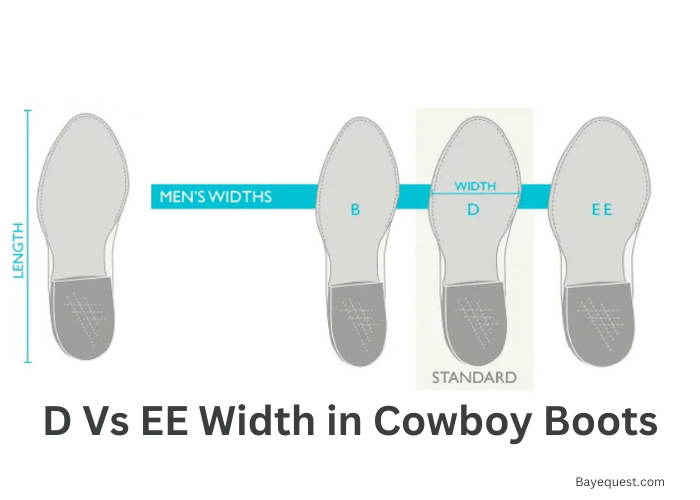
The human foot is remarkably diverse, varying not just in length but significantly in width and volume. While many brands default to a “medium” or “standard” width, the very concept of a single standard is a simplification that overlooks a substantial portion of the population. Width D, particularly for men, is often considered the “medium” or “standard” width. However, what constitutes “medium” can vary subtly between brands and regions.
By offering a well-defined Width D, and clearly communicating its parameters, brands address a primary segment of the market. More importantly, by consistently delivering a reliable D width, they build a reputation for predictable fit. This consistency is paramount for fostering customer loyalty. When a customer finds a brand whose D width consistently fits them well, they are far more likely to return, trusting that future purchases will meet their comfort expectations. This reduces purchasing friction and reinforces brand preference, creating a loyal customer base that values the brand’s meticulous approach to fit.
Brand Reputation and Trust
In an era where online shopping dominates, the inability to try on shoes before purchase amplifies the importance of accurate sizing information. Brands that excel in providing clear, consistent sizing—including widths like D—cultivate a strong reputation for reliability and trustworthiness. A shoe that fits well, right out of the box, translates directly into a positive customer experience, which is a powerful driver of brand advocacy.
Conversely, a brand notorious for inconsistent sizing or a “one-size-fits-all” approach to width often faces higher return rates and negative reviews. These issues erode consumer trust and damage brand equity. A brand’s commitment to offering and clearly defining widths, such as D, signals attention to detail, quality craftsmanship, and genuine care for the wearer’s comfort – attributes that elevate its standing in the market. It positions the brand as an authority on fit, differentiating it from competitors who may treat sizing as an afterthought.
Product Design Philosophy and Aesthetic Integrity
Integrating different widths, including Width D, into product design is a complex undertaking that speaks volumes about a brand’s design philosophy. It’s not simply a matter of scaling up or down an existing last (the foot-shaped mold around which a shoe is constructed). Each width variation requires careful consideration to maintain the shoe’s intended aesthetic, structural integrity, and performance characteristics.
For a brand, this means investing in specialized lasts, adjusting pattern pieces, and potentially redesigning elements to ensure that a shoe in Width D looks and feels as good as its counterparts in other widths. This dedication ensures that a brand’s design language and aesthetic identity are preserved across its sizing spectrum. A brand that successfully masters this balance demonstrates a sophisticated design approach, where form and function are seamlessly integrated, rather than compromising one for the other. This commitment can become a unique selling proposition, attracting designers and consumers who appreciate this level of detail.
Navigating the Nuances of Shoe Width Sizing for Brand Integrity
The landscape of shoe sizing, particularly width, is far from universally standardized. For brands, navigating these nuances while maintaining integrity and clarity in their offerings is a significant challenge and opportunity.
Understanding the Brannock Device and Industry Standards
The Brannock Device, a ubiquitous tool in shoe stores, measures not only foot length but also arch length and width. For men, a “D” width on the Brannock device typically corresponds to what is considered a “medium” or “regular” width. However, even with this standard, variations exist. Different regions and cultures may have different interpretations or average foot dimensions, which brands must consider if they operate globally.
Brands committed to precision often calibrate their lasts against these standards, ensuring their “Width D” aligns with common expectations. This adherence to industry benchmarks, even if loosely defined, provides a foundational level of trust and predictability for consumers. It allows brands to communicate their sizing effectively, reducing guesswork and improving the likelihood of a successful purchase. Transparency about how a brand’s sizing relates to common standards can become a valuable aspect of its marketing communication.
Regional and Gender Variations in Width D
While D is often the standard for men, for women, a “B” width is typically considered “medium.” This highlights the significant gender-based physiological differences that brands must account for. A “D” width in a women’s shoe would be considered wide. These distinctions are critical for brands designing collections for both genders. A brand known for its men’s D-width fit must clearly articulate its women’s sizing strategy to avoid confusion and maintain its reputation for accurate fit across all demographics.
Furthermore, regional averages for foot width can vary. A brand with an international presence might find that its “standard D” width is too narrow in some markets and too wide in others. A truly global brand strategy for fit might involve offering slightly adjusted “standard” widths or more comprehensive width options in specific regions to cater to local averages. This adaptability demonstrates a sophisticated understanding of their global customer base and reinforces their commitment to a superior fit experience for everyone.
The ‘Average’ vs. The ‘Ideal’ Fit: Marketing the Right Message
Most shoe brands market their “D” width as “average” or “regular.” However, what constitutes “average” is a statistical concept, not necessarily an individual’s “ideal” fit. A brand’s marketing strategy around Width D must delicately balance these two concepts. While it needs to confidently present D as its core offering, it also needs to acknowledge and guide customers whose feet may fall outside this average.
This involves educating consumers about how to measure their own feet, providing detailed sizing charts, and perhaps even offering diagnostic tools. Brands that empower consumers to understand their own foot dimensions and how they relate to the brand’s specific sizing can create a deeper level of engagement and trust. It shifts the focus from simply selling a product to providing a solution, enhancing the brand’s image as a knowledgeable and customer-centric entity.
Communicating Fit: Marketing Width Options to the Consumer
A brand’s commitment to providing accurate widths, including D, is only effective if it’s clearly communicated to the consumer. Marketing and communication strategies play a crucial role in translating technical specifications into tangible benefits for the customer.
In-Store and Online Retail Strategies
In brick-and-mortar stores, knowledgeable sales associates armed with Brannock Devices are invaluable assets. They can guide customers through the fitting process, explain width options like D, and help them understand how different widths impact comfort. For brands, investing in staff training on fitting protocols and product knowledge is a direct investment in customer satisfaction and brand reputation.
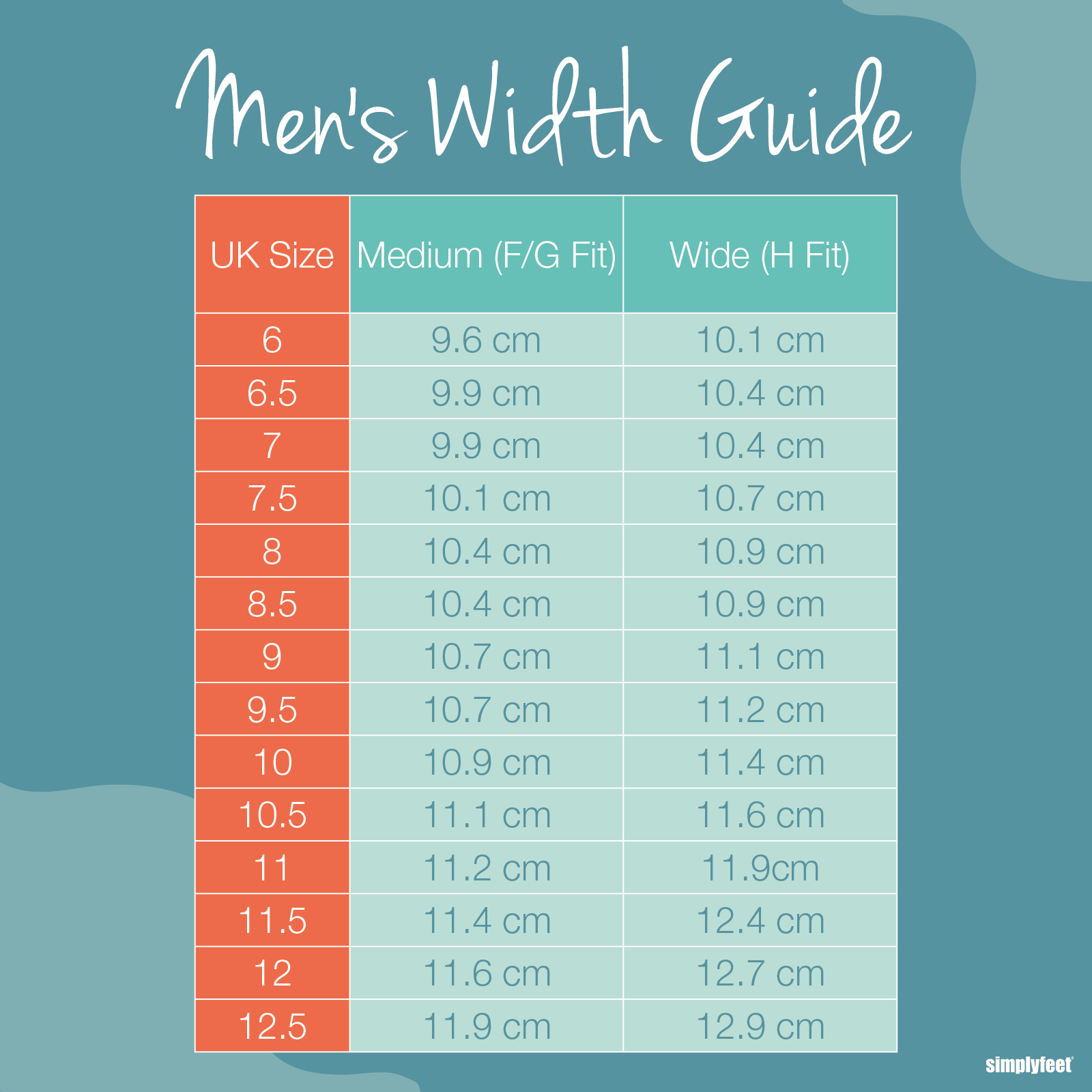
For online retail, where the human touch is absent, brands must leverage digital tools. High-quality sizing charts that include width measurements, virtual try-on features (if available), customer reviews specifically mentioning fit, and detailed product descriptions are essential. Some brands even offer printable foot measuring guides. The goal is to replicate the in-store fitting experience as much as possible, providing confidence to online shoppers that they are selecting the correct width. This digital transparency reinforces the brand’s reliability and reduces return rates, which has a direct positive impact on operational efficiency and profitability.
Digital Tools and AI for Fit Recommendation
The advent of AI and advanced digital tools offers exciting new avenues for brands to enhance their fit communication. Technologies like 3D foot scanning apps, AI-powered recommendation engines that analyze purchase history and stated preferences, and virtual reality try-on experiences are transforming how consumers find their ideal fit.
For brands, adopting these technologies for width recommendations can be a game-changer. An AI tool, for instance, could analyze a customer’s historical purchase data (including returns due to width issues) and suggest an appropriate width D or an alternative. This not only improves the customer experience but also provides valuable data back to the brand, allowing them to refine their sizing offerings and marketing messages even further. This integration of technology into the brand experience elevates its perceived innovation and customer focus.
Brand Storytelling Through Fit
Beyond technical specifications, brands can weave the story of their commitment to fit, including Width D, into their broader brand narrative. This could involve highlighting the meticulous craftsmanship behind their lasts, the expertise of their design team in adapting styles for different widths, or testimonials from customers who have finally found their perfect fit with the brand.
Storytelling humanizes the brand, moving beyond functional benefits to emotional connections. A brand that tells a compelling story about its dedication to ensuring every foot finds its comfortable home creates a deeper bond with consumers. This narrative can differentiate the brand in a crowded market, positioning it not just as a shoe seller, but as a curator of comfort and well-being, enhancing its emotional appeal and memorability.
The Business Impact of a Comprehensive Width Program
The strategic investment in offering and communicating precise width options like D is not just about customer goodwill; it translates into tangible business advantages, impacting everything from inventory to market share.
Inventory Management and Supply Chain Considerations
Offering multiple widths, including D, adds complexity to inventory management and supply chain logistics. Brands must accurately forecast demand for each width and size combination to avoid overstocking less popular options and understocking high-demand ones. This requires sophisticated data analytics and robust supply chain planning.
However, the benefits often outweigh the challenges. By precisely meeting market demand for specific widths, brands can optimize their inventory turnover and reduce the risk of unsold stock. A well-managed multi-width program demonstrates operational excellence and contributes to a healthier bottom line, reflecting a brand’s strategic capability to manage complexity for market advantage.
Reducing Returns and Enhancing Customer Satisfaction
One of the most significant direct business impacts of a comprehensive width program is the reduction in product returns due to poor fit. Returns are costly, involving shipping, restocking, and potential markdown losses. When customers are confident in a brand’s sizing and can easily find their correct width, the likelihood of returns decreases dramatically.
This not only saves the brand money but also significantly enhances customer satisfaction. A positive post-purchase experience reinforces brand loyalty and encourages repeat business. Satisfied customers are also more likely to recommend the brand to others, acting as organic marketers who amplify the brand’s reach and reputation through positive word-of-mouth.
Competitive Advantage and Niche Dominance
In a highly competitive footwear market, offering superior fit through a range of widths can be a powerful competitive differentiator. While many brands focus solely on style or price, those that prioritize a comprehensive fit strategy carve out a valuable niche. They become the go-to brands for consumers who struggle to find comfortable shoes elsewhere.
By consistently delivering on the promise of an excellent fit, including an accurate Width D, a brand can dominate specific segments of the market. This leadership in fit can command premium pricing, as customers are often willing to pay more for comfort and quality that meets their specific needs. It establishes the brand as an expert and a leader, creating a barrier to entry for competitors who do not invest in similar depth of sizing.
Future of Shoe Widths: Innovation and Evolving Brand Promises
The landscape of footwear sizing, and particularly width, is continually evolving. Brands that stay ahead of these trends, embracing innovation while maintaining their core commitment to fit, will define the future of the industry.
Personalization and Customization Trends
The future increasingly points towards hyper-personalization. Brands are exploring on-demand manufacturing and 3D printing to create shoes tailored precisely to an individual’s foot scan, going beyond standard widths like D to offer truly bespoke fit. While still niche, this trend signifies a move towards ultimate customization, where every shoe is an “ideal” fit.
For established brands, this means exploring how to integrate elements of customization within their existing framework, perhaps by offering modular components or advanced adjustment systems. The brand promise shifts from “we have your size” to “we can create your perfect fit,” deepening the relationship with the customer and establishing a new benchmark for brand experience.
Sustainability and Ethical Sourcing in Sizing
As consumer awareness around sustainability grows, brands will also need to consider the environmental impact of their sizing programs. Offering a vast array of sizes and widths can lead to increased inventory and potential waste if not managed carefully. The challenge for brands will be to balance comprehensive fit options with sustainable production and inventory practices.
This could involve more localized production, demand-driven manufacturing, or utilizing sustainable materials that allow for greater flexibility in fit. Brands that can align their commitment to superior fit with strong sustainability practices will appeal to an increasingly eco-conscious consumer base, strengthening their brand image as responsible and forward-thinking.
The Role of Data in Refining Fit Offerings
The continuous collection and analysis of data—from customer foot scans and purchase histories to return reasons and online reviews—will be crucial for brands to refine their width offerings. Data insights can reveal unmet needs, identify emerging trends in foot shapes, and optimize product development cycles.
Brands that leverage big data to inform their sizing strategies will be able to offer more precise, relevant, and profitable width options. This data-driven approach allows brands to adapt proactively, ensuring that their Width D, and all other widths, remain perfectly calibrated to the evolving needs of their global customer base, cementing their status as leaders in fit and customer satisfaction.
In conclusion, “what is width D in shoes?” is far more than a technical query. It’s a gateway into a brand’s strategic decision-making, its commitment to customer satisfaction, its design ethos, and its marketing acumen. For brands, embracing the nuances of width D isn’t just about selling more shoes; it’s about building lasting relationships, fostering trust, and crafting a reputation for excellence that resonates deep within the market.
aViewFromTheCave is a participant in the Amazon Services LLC Associates Program, an affiliate advertising program designed to provide a means for sites to earn advertising fees by advertising and linking to Amazon.com. Amazon, the Amazon logo, AmazonSupply, and the AmazonSupply logo are trademarks of Amazon.com, Inc. or its affiliates. As an Amazon Associate we earn affiliate commissions from qualifying purchases.