
In the modern era, the question “what is waterfowl hunting” can no longer be answered simply by referencing decoys and shotguns. While the core essence remains the pursuit of migratory birds like ducks and geese, the practice has undergone a profound digital transformation. Today, waterfowl hunting is an intersection of tradition and high-level technology, utilizing advanced software, geospatial data, and cutting-edge hardware to achieve success in the field. For the modern practitioner, the sport is as much about data management and technological proficiency as it is about outdoor skill.

The shift from analog methods to a tech-centric approach has redefined the efficiency, safety, and conservation efforts within the industry. By integrating satellite intelligence, real-time atmospheric analytics, and sophisticated ballistic hardware, waterfowl hunting has evolved into a precision discipline that mirrors the advancements seen in professional logistics and environmental science.
The Digital Arsenal: Software and Apps Redefining the Scout
The foundation of modern waterfowl hunting is built upon digital scouting. Gone are the days of relying solely on physical observation and hand-drawn maps. Today, the “hunt” begins on a high-resolution screen long before the first light of dawn.
GPS Mapping and Geospatial Intelligence
The primary tool for any contemporary waterfowl hunter is a robust geospatial mapping application. Platforms such as OnX Hunt, Gaia GPS, and Basemap have revolutionized how hunters navigate complex terrains. These apps utilize LiDAR (Light Detection and Ranging) and high-resolution satellite imagery to provide a detailed view of topography, water levels, and vegetation patterns.
For a waterfowl hunter, this tech allows for the identification of “potholes,” hidden sloughs, and optimal flight paths that are invisible from the ground. Furthermore, these platforms integrate property boundary data, ensuring that digital security and legal compliance are maintained by identifying public versus private land in real-time. The ability to cache offline maps ensures that even in remote areas with zero cellular connectivity, the hunter remains digitally tethered to their location and objective.
Real-Time Weather Analytics and Migration Tracking
Success in waterfowl hunting is heavily dictated by atmospheric conditions. Modern software now provides hyper-localized weather data that goes far beyond a standard forecast. Apps now offer “migration alerts” based on barometric pressure drops, wind velocity at various altitudes, and temperature gradients.
By utilizing Doppler radar and crowd-sourced data from platforms like eBird or the U.S. Fish and Wildlife Service, hunters can track the “push” of bird populations southward. This data-driven approach allows for a “just-in-time” logistics model, where hunters can predict bird movement with a high degree of accuracy, optimizing their time and resources based on algorithmic trends rather than mere intuition.
Hardware Innovation: The Gadgets Powering Efficiency
If software is the brain of modern waterfowl hunting, the hardware is its muscle. The equipment used in the field today is a testament to engineering excellence, incorporating materials and electronics that were once the exclusive domain of military or aerospace applications.
Smart Decoy Systems and Kinetic Technology
The decoy is the most iconic tool in the hunter’s kit, but the modern version is a far cry from its wooden predecessors. Today, “smart decoys” utilize brushless motors and remote-controlled kinetic systems to mimic the natural movement of birds.
Innovation in this sector includes Bluetooth-integrated “spinners” that can be programmed via a smartphone app to alternate speeds, durations, and intermittent pauses to avoid pattern recognition by the birds. Some high-end systems even use synchronized movements, where a fleet of decoys communicates via a local wireless network to create a cohesive, lifelike “spread.” This application of robotics in the field is a prime example of how gadgets are used to overcome the increasingly wary nature of migratory waterfowl.
Advanced Optics and Thermal Imaging for Conservation
The integration of advanced optics has significantly enhanced the precision of the sport. Modern rangefinders now include “Angle Range Compensation” (ARC) and ballistic software that calculates the hold-over for shots in real-time.

Furthermore, thermal imaging and night-vision gadgets are increasingly used for pre-hunt scouting and post-hunt recovery. While many jurisdictions prohibit the use of thermal optics for the act of hunting itself, they have become invaluable tools for digital “reconnaissance.” These devices allow hunters to monitor roosting patterns without disturbing the birds, providing a non-invasive way to gather data on population density and health, which directly feeds into broader conservation tech efforts.
Digital Security and Ethical Tech in the Field
As waterfowl hunting becomes more digitized, the importance of digital security and the ethical use of technology has moved to the forefront. The intersection of “The Internet of Things” (IoT) and the outdoors brings unique challenges regarding privacy and data integrity.
Encrypted Communication for Remote Teams
Waterfowl hunting is often a team-oriented activity requiring precise coordination in environments where standard cellular signals fail. To solve this, many teams now use off-grid communication gadgets like Garmin inReach or goTenna. These devices create a private, encrypted mesh network that allows for text-based communication and location sharing via satellite.
From a tech perspective, this is a critical safety feature. These devices allow for “SOS” functionality and real-time tracking that can be monitored by family members or emergency services. The use of end-to-end encryption ensures that a team’s “honey hole”—their hard-earned scouting data and specific GPS coordinates—remains secure from digital “cyber-scouting” by competitors.
Data Privacy in Crowdsourced Scouting Platforms
The rise of social hunting apps has created a massive repository of geospatial data. However, this has led to concerns regarding “data scraping” and the loss of privacy. Tech-savvy hunters are now more cautious about the metadata attached to their digital photos (EXIF data).
Professional hunters and industry influencers often use software to “scrub” GPS coordinates from their images before posting them online to prevent “e-scouting” from others. This burgeoning field of digital privacy within the outdoor industry highlights a sophisticated understanding of how location data can be exploited, leading to the development of better privacy controls within outdoor-focused social platforms.
The Future of Waterfowl Tech: AI and Autonomous Systems
Looking forward, the answer to “what is waterfowl hunting” will likely involve artificial intelligence and autonomous systems. The industry is currently on the cusp of an AI revolution that promises to further bridge the gap between human observation and environmental data.
Machine Learning in Population Management
AI is already being used by conservation organizations to analyze millions of images from trail cameras and satellite feeds. Machine learning algorithms can now identify bird species, estimate age, and track migration health with more accuracy than human biologists. For the hunter, this translates to more precise “limit” regulations and season dates that are dynamically adjusted based on real-time population health data. In the future, we may see personal AI assistants that analyze a hunter’s historical success rates against weather patterns to suggest the optimal hunting location for any given day.
Drone Integration and Aerial Reconnaissance
While the use of drones for actual hunting is strictly regulated and often illegal, their role in habitat management and digital mapping is expanding. Autonomous drones equipped with multispectral cameras are used to map invasive plant species in wetlands and to monitor water quality.
These drones can produce 3D maps of a hunting lease, allowing a manager to see exactly how water flows across the land and where to plant supplemental forage. This level of aerial tech provides a “macro” view of the ecosystem, allowing hunters to act as stewards of the land, using tech to ensure that the wetlands remain a viable habitat for generations to come.
Conclusion: The Tech-Driven Steward
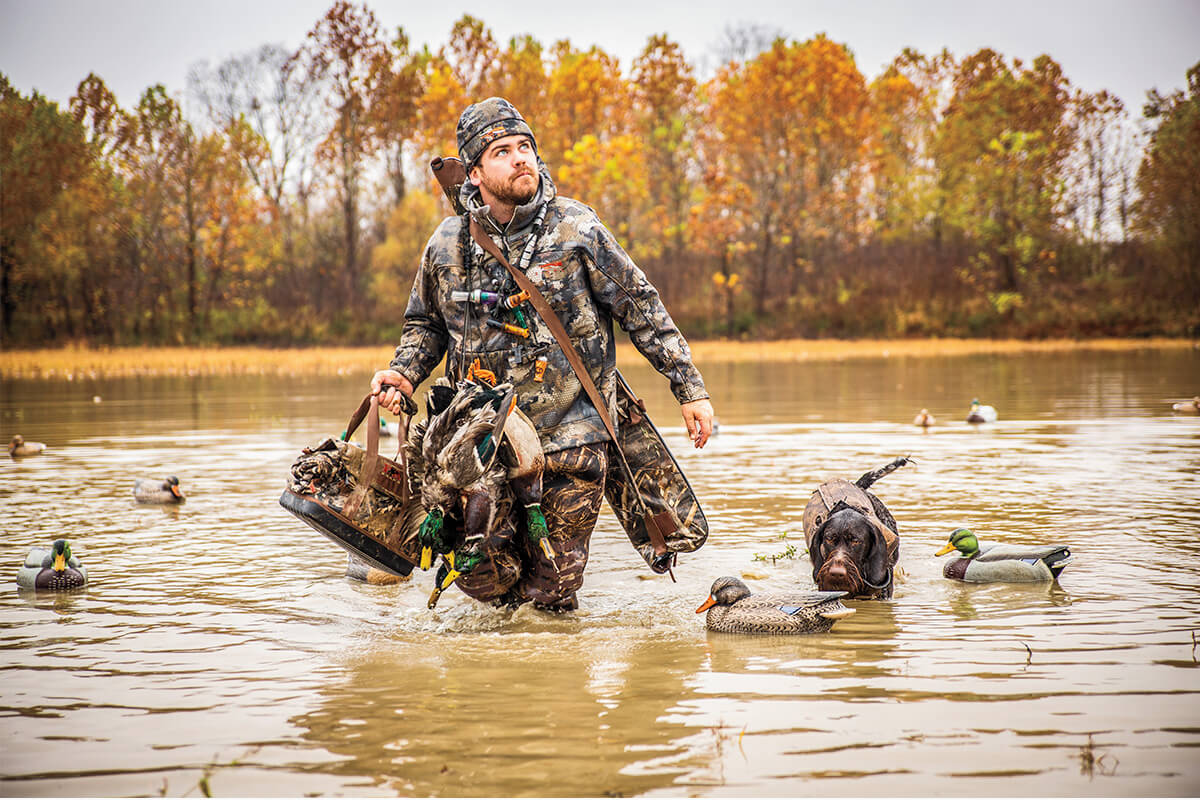
In conclusion, “what is waterfowl hunting” is a question that now spans the breadth of the technology sector. It is a discipline that leverages the power of GPS software, the precision of advanced hardware, the security of encrypted communications, and the potential of artificial intelligence.
Far from being a simple primitive pursuit, modern waterfowl hunting is a high-tech endeavor that requires a deep understanding of digital tools. This technological integration does not detract from the tradition; rather, it enhances the hunter’s ability to be an efficient, safe, and ethically minded participant in the natural world. As we continue to innovate, the line between the digital landscape and the marshland will continue to blur, making the modern waterfowl hunter one of the most tech-literate users in the outdoor space.
aViewFromTheCave is a participant in the Amazon Services LLC Associates Program, an affiliate advertising program designed to provide a means for sites to earn advertising fees by advertising and linking to Amazon.com. Amazon, the Amazon logo, AmazonSupply, and the AmazonSupply logo are trademarks of Amazon.com, Inc. or its affiliates. As an Amazon Associate we earn affiliate commissions from qualifying purchases.