
When “Video Games” by Lana Del Rey debuted in 2011, it was more than just a viral hit; it was a masterclass in brand positioning. While the lyrics tell a story of domestic surrender and unrequited devotion, the “product” launched—the persona of Lana Del Rey—transformed the landscape of modern music marketing. To understand what “Video Games” is about from a brand strategy perspective is to understand the meticulous construction of an aesthetic identity that shifted the cultural zeitgeist.
In the world of corporate and personal branding, the success of “Video Games” serves as a definitive case study on how to leverage nostalgia, differentiation, and visual storytelling to create a sustainable market presence.

The Debut as a Brand Manifesto
In marketing, a brand manifesto outlines the “why” behind a product. For Lana Del Rey, “Video Games” was the sonic and visual manifestation of her brand’s core values: melancholy, vintage Americana, and tragic cinematic romance.
Redefining the Indie-Pop Identity
Before 2011, the pop music market was dominated by high-energy, EDM-influenced tracks from artists like Katy Perry and Lady Gaga. There was a market gap for “sadness.” Lana Del Rey filled this vacuum by positioning herself as the antithesis of the high-octane pop star. “Video Games” introduced a “down-tempo” brand identity. By utilizing orchestral swells and a deep, contralto vocal delivery, the brand established a unique selling proposition (USP) that prioritized mood over danceability.
The Visual Language of Lo-Fi Aesthetics
The music video for “Video Games,” famously edited by the artist herself, became the visual cornerstone of the brand. By splicing together grainy home movies, paparazzi footage of Paz de la Huerta, and shots of herself singing into a webcam, she created a “lo-fi” aesthetic. This visual language signaled “authenticity” to an audience that was beginning to grow weary of over-produced, high-budget corporate visuals. In branding, this is known as “strategic grit”—the intentional use of imperfection to build a deeper, more relatable connection with the consumer.
Building the “Lana Del Rey” Archetype
A successful brand often relies on a recognizable archetype. Lana Del Rey’s “Video Games” introduced the world to the “Tragic Starlet,” a persona that blended the glamour of 1950s Hollywood with the gritty reality of modern-day Brooklyn.
The Convergence of Old Hollywood and Modern Melancholy
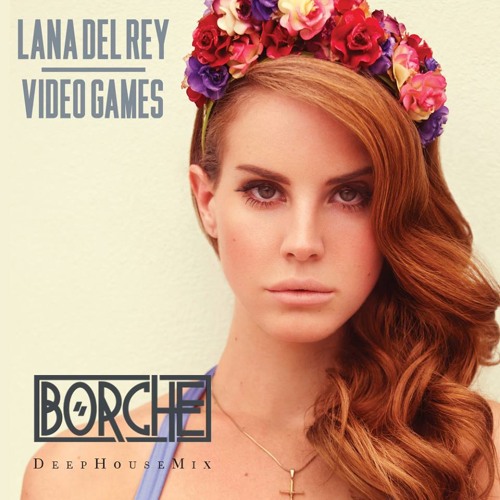
The song’s title, “Video Games,” juxtaposes a very modern, mundane activity with a lush, classic musical arrangement. This juxtaposition is a brilliant branding technique. It allows the brand to feel “timeless” rather than “dated.” By referencing the iconography of the American Dream—old cars, poolside lounging, and flowing dresses—the Lana Del Rey brand tapped into “nostalgia marketing.” This strategy targets the consumer’s longing for a past they may not have even lived through, creating an emotional resonance that is difficult to replicate.
Strategic Vulnerability as a Marketable Asset
In the lyrics of “Video Games,” the narrator describes putting on perfume and getting dressed up just to watch her partner play a game. While critics initially debated the feminist implications of the song, from a brand perspective, this was an exercise in “strategic vulnerability.” By leaning into themes of submission and longing, the brand carved out a niche for “emotional honesty.” This vulnerability became a key brand pillar, allowing her to build a fiercely loyal community (brand advocates) who felt a personal, emotional stake in her narrative.
Digital Distribution and Viral Market Positioning
The rollout of “Video Games” was a precursor to the modern “digital-first” marketing era. It demonstrated how a well-crafted brand could bypass traditional gatekeepers through savvy digital positioning.
Leveraging Early Social Media and YouTube
“Video Games” didn’t start on the radio; it started on YouTube and Tumblr. The brand recognized that its target demographic—the “aesthetic-conscious” youth—spent their time on visual-heavy social platforms. By tailoring the content to be “rebloggable” and “shareable,” the song achieved viral growth organically. This is an early example of “content-led growth,” where the quality and specific aesthetic of the content drive the marketing, rather than a massive ad spend.
The “Authenticity” Debate as a PR Engine
Shortly after the success of “Video Games,” rumors about the artist’s previous identity (Lizzy Grant) and her wealthy upbringing began to circulate. In brand management, a crisis of authenticity can be fatal. However, for the Lana Del Rey brand, this controversy acted as a PR engine. The mystery surrounding her “true” identity fueled online discourse, keeping the brand in the headlines. By refusing to over-explain or “defend” the brand, she maintained an air of mystique—an essential component of a luxury or “prestige” brand identity.
Legacy and the Sustainability of the Brand
A decade later, “Video Games” remains the blueprint for the “Sad Girl” aesthetic that has influenced artists from Billie Eilish to Olivia Rodrigo. Its longevity is a testament to the strength of its initial brand architecture.
Creating a Timeless Aesthetic Ecosystem
The brand established with “Video Games” was so strong that it allowed for evolution without losing its core identity. Whether she was exploring jazz-pop, folk, or trap-infused beats in later albums, the “Lana Del Rey” brand remained consistent because the foundational pillars—nostalgia, cinematic storytelling, and Americana—were so clearly defined in her debut. This is the hallmark of a “Legacy Brand”: the ability to innovate while remaining true to the original brand promise.

Lessons for Modern Personal Branding
For entrepreneurs and creators, “Video Games” offers three critical lessons in personal branding:
- Differentiation is Key: Don’t compete in a crowded market; create a new category (the “Sad Girl” niche).
- Visual Consistency Matters: Use a consistent color palette and filmic style to make your brand instantly recognizable.
- Build an Emotional Narrative: People don’t just buy products (or songs); they buy into stories and the way those stories make them feel.
In conclusion, “Video Games” is not just a song about a girl watching her boyfriend play games. It is the foundational document of a multi-million dollar brand that redefined the music industry’s approach to image-making. By masterfully blending the old and the new, the vulnerable and the glamorous, Lana Del Rey created a brand that is as much a visual and emotional experience as it is a musical one. Through the lens of brand strategy, “Video Games” remains one of the most successful product launches of the 21st century.
aViewFromTheCave is a participant in the Amazon Services LLC Associates Program, an affiliate advertising program designed to provide a means for sites to earn advertising fees by advertising and linking to Amazon.com. Amazon, the Amazon logo, AmazonSupply, and the AmazonSupply logo are trademarks of Amazon.com, Inc. or its affiliates. As an Amazon Associate we earn affiliate commissions from qualifying purchases.