
In an age of instant gratification and pervasive consumerism, the ability to manage financial impulses has become a cornerstone of lasting wealth and personal financial well-being. From the fleeting desire to splurge on an unnecessary gadget to the pervasive fear of missing out (FOMO) in volatile investment markets, our financial lives are constantly assailed by urges that can derail even the most carefully constructed budgets and long-term plans. Enter “urge surfing,” a powerful psychological technique that, while rooted in therapeutic contexts, offers an incredibly effective framework for navigating these financial impulses.

Urge surfing is, at its heart, a mindfulness-based strategy that teaches individuals to acknowledge, observe, and ultimately ride out intense urges without succumbing to them. It’s about recognizing an urge as a temporary internal experience—like a wave—that will peak and eventually subside, rather than an imperative that demands immediate action. Applied to personal finance, this technique empowers individuals to regain control over their spending, investing, and overall financial decision-making, transforming reactive financial habits into proactive, intentional choices.
Understanding the Mechanics of Urge Surfing
To effectively employ urge surfing in your financial life, it’s essential to grasp its core psychological underpinnings and how it operates within the landscape of our desires. It’s not about suppression or fighting an urge; it’s about strategic observation and disengagement.
The Psychology Behind Financial Impulses
Our brains are hardwired for reward. When we perceive an opportunity for pleasure or gratification—be it a shiny new product, a seemingly “hot” stock tip, or the immediate satisfaction of a purchase—our limbic system can override rational thought processes. This primal drive is often fueled by external triggers (ads, social media, peer pressure) and internal states (stress, boredom, excitement). Financial impulses, therefore, are not merely desires but complex neurological and emotional responses. They often arise quickly, intensely, and feel incredibly compelling, creating a sense of urgency that demands action.
The Core Principle: Observe, Don’t React
The fundamental shift in urge surfing is moving from an automatic reaction to a mindful observation. When a financial urge arises, instead of immediately reaching for your wallet or clicking “buy now,” you pause. This pause creates a crucial space between stimulus and response. During this space, you actively acknowledge the urge, label it (e.g., “This is an urge to impulse buy,” “This is investment FOMO”), and observe its physical and emotional manifestations without judgment. You become a detached observer of your own internal experience, rather than a slave to it. This detachment is key to breaking the automatic cycle of impulse-action.
The “Wave” Metaphor: Riding Out the Urge
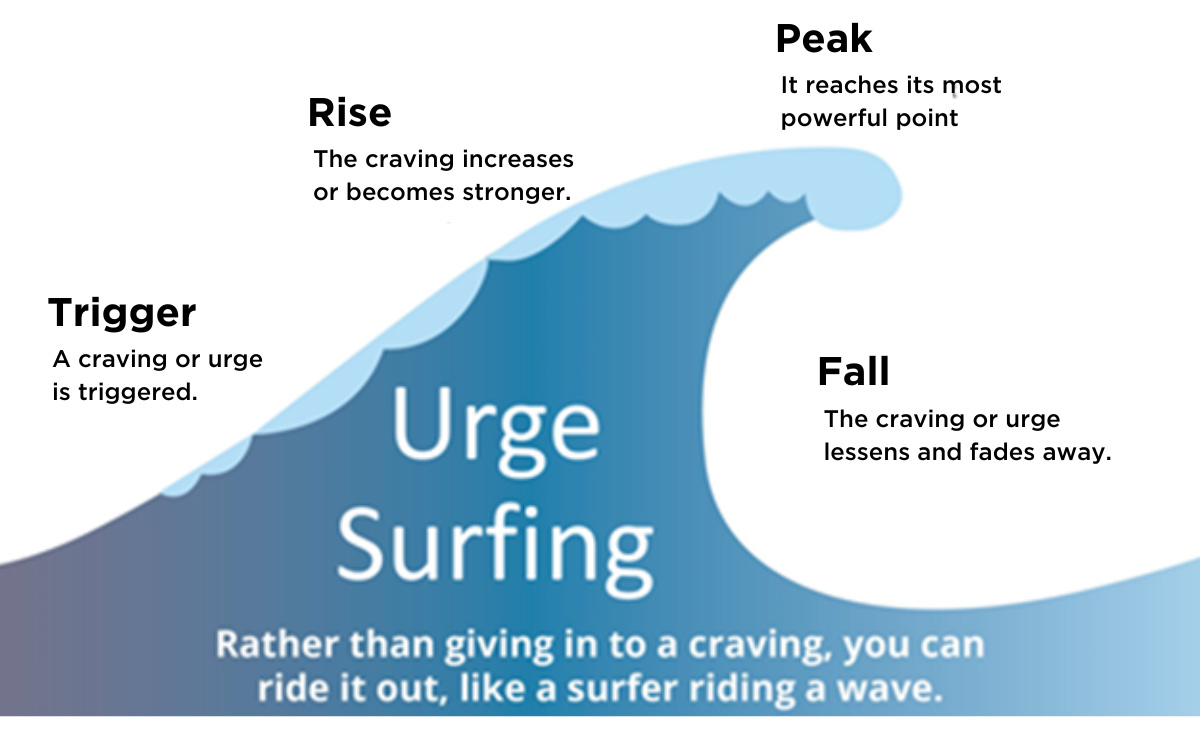
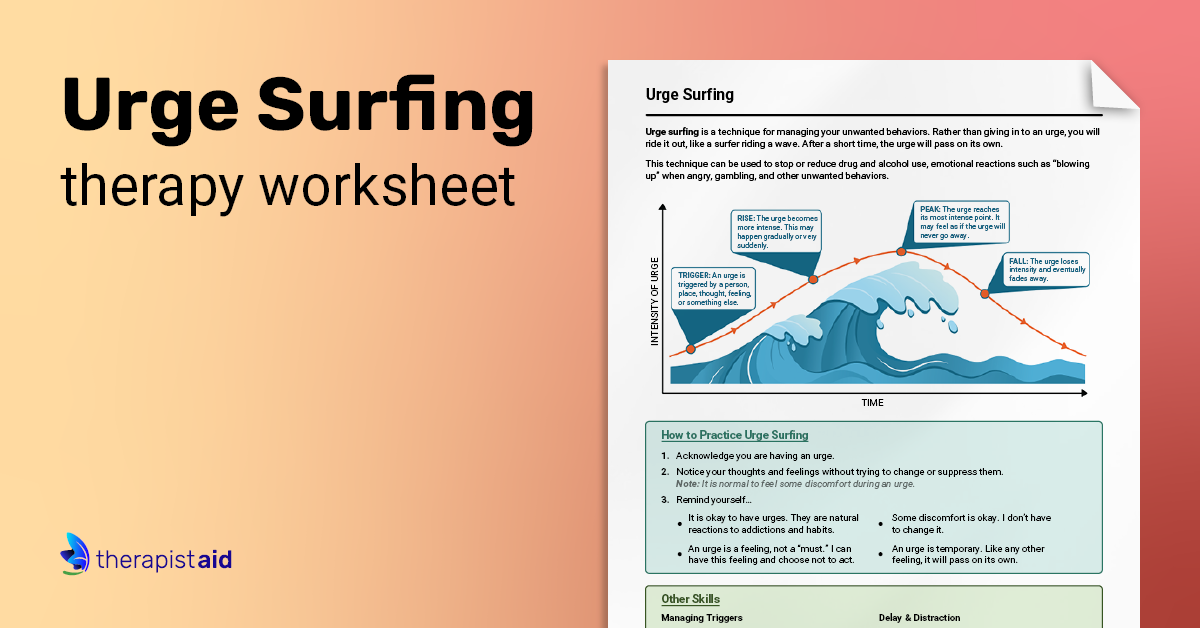
The “surfing” in urge surfing is a deliberate metaphor. Imagine an ocean wave: it builds, crests, and then dissipates. Urges behave similarly. They are not constant; they are temporary phenomena. When a financial urge strikes, it often feels overwhelming, as if it will last forever or intensify indefinitely. However, by observing it, you learn that the intensity of an urge typically increases, reaches a peak, and then naturally begins to subside, just like a wave receding from the shore. Your goal is to “ride” this wave by staying present with the discomfort or desire, recognizing its transient nature, and allowing it to pass without giving in. This practice reinforces that you can endure the urge without acting on it, building resilience and self-control.
Why Urge Surfing is Crucial for Financial Well-being
The application of urge surfing to personal finance directly addresses many of the common pitfalls that undermine financial stability and growth. It’s a proactive defense against decisions driven by emotion rather than logic.
Combating Impulse Spending and Buyer’s Remorse
Impulse spending is a primary culprit for derailed budgets and accumulated debt. The immediate gratification of a purchase often gives way to buyer’s remorse, financial stress, and regret. Urge surfing provides a concrete strategy to interrupt this cycle. By creating that crucial pause, you allow the initial emotional high of the urge to fade, giving rational thought a chance to re-engage. This helps you question whether the purchase aligns with your financial goals, needs, or values, preventing unnecessary expenditures and preserving your hard-earned money.
Navigating Investment FOMO and Market Volatility
The investment world is rife with urges: the urge to buy into a “hot” stock everyone is talking about, the urge to panic sell during a market downturn, or the urge to constantly check your portfolio. These urges are often fueled by FOMO, anxiety, or greed. Urge surfing trains you to observe these emotional responses without letting them dictate your investment decisions. It encourages sticking to a well-researched investment strategy, rather than reacting to short-term market fluctuations or speculative trends, thereby protecting your capital and fostering long-term growth.
Building Long-Term Financial Discipline
Consistency and discipline are hallmarks of successful financial management. Urge surfing, through repeated practice, strengthens your capacity for self-control and intentional decision-making. Each time you successfully ride out a financial urge, you reinforce a new neural pathway, making it easier to resist future impulses. This gradual strengthening of your financial “muscle” contributes significantly to overall financial discipline, enabling you to stick to savings goals, debt repayment plans, and investment strategies with greater ease and commitment.
Practical Steps to Implement Urge Surfing in Your Financial Life
Implementing urge surfing is a skill that improves with practice. Here’s a step-by-step guide to integrate this powerful technique into your daily financial habits.
Step 1: Identify the Trigger
Become aware of what situations, emotions, or external cues typically spark your financial urges. Is it seeing an advertisement? Scrolling social media? Feeling stressed or bored? Being with certain friends? Pinpointing your triggers is the first step towards pre-emptive awareness. Keep a mental or physical note of these patterns.
Step 2: Acknowledge and Label the Urge
When an urge strikes, consciously acknowledge it. Say to yourself, “I am experiencing an urge to [buy this item/check my stocks/etc.].” Don’t judge it or try to suppress it. Simply label it for what it is—an internal sensation, a thought, a feeling. This act of labeling creates a distance between you and the urge.
Step 3: Observe with Detachment
Tune into your body and mind. What does the urge feel like? Is there a tightness in your chest, a flutter in your stomach, a racing thought? Observe these sensations and thoughts as if you were an impartial scientist. Notice their intensity, where they are located, and how they evolve over a few minutes. Remind yourself, “This is just an urge; it will pass.” Breathe deeply and steadily, focusing on your breath as an anchor.
Step 4: Delay and Distract
Give yourself a mandatory waiting period. For impulse purchases, this might be 10 minutes, an hour, or even 24-48 hours. During this delay, engage in a distracting activity that is not related to the urge. Go for a walk, call a friend, read a book, do a chore, or practice a short meditation. The goal is to shift your focus and allow the initial intensity of the urge to naturally diminish. Often, by the time the waiting period is over, the urge has significantly weakened or disappeared entirely.
Step 5: Reflect and Re-evaluate
Once the urge has subsided, take a moment to reflect. How do you feel now compared to when the urge was strongest? What did you learn about your triggers or your ability to resist? Then, calmly re-evaluate the original financial decision. Does it still seem necessary or appealing? Does it align with your financial goals? This step reinforces your power over the urge and solidifies your commitment to intentional financial choices.
Common Financial Urges and How to Surf Them
Let’s apply urge surfing to some prevalent financial challenges that many individuals face.
The Allure of Instant Gratification (Impulse Purchases)
This is perhaps the most common financial urge. You see something you “must have” right now.
- Surfing Strategy: Immediately put the item (or close the tab) and implement a 24-hour rule. During this time, acknowledge the intense desire, but consciously shift your focus. Reflect on whether the purchase aligns with your budget and long-term goals. Often, the desire will have passed by the next day, saving you money and regret.
The Fear of Missing Out (FOMO in Investments)
Hearing about a friend’s stock gains or a booming market sector can create an intense urge to jump in without proper research.
- Surfing Strategy: Recognize that this feeling is FOMO, not a rational investment signal. Take deep breaths. Remind yourself of your existing, well-considered investment strategy. Avoid checking investment news or your portfolio for a set period. Focus on your long-term plan, knowing that reacting to hype often leads to poor returns.
The Urge to Avoid Difficult Financial Decisions
Procrastinating on budgeting, debt consolidation, or reviewing financial statements can stem from an urge to avoid discomfort or perceived difficulty.
- Surfing Strategy: Acknowledge the feeling of dread or overwhelm. Instead of avoiding the task entirely, break it down into tiny, manageable steps. “Today, I will just open my bank statement.” “Today, I will spend 15 minutes reviewing my budget.” Surf the urge to procrastinate by taking one small, intentional action.
The Pull of “Retail Therapy”
Using spending as a coping mechanism for stress, sadness, or boredom.
- Surfing Strategy: When you feel the urge to shop to alleviate negative emotions, pause. Identify the underlying emotion. Label it: “This is an urge to spend because I’m feeling stressed.” Instead of shopping, find a healthy alternative coping mechanism: exercise, meditation, talking to a friend, or engaging in a hobby. Observe how the urge to shop eventually subsides as you address the root emotion more constructively.
Integrating Urge Surfing into a Broader Financial Strategy
Urge surfing is most effective when integrated into a holistic approach to personal finance, complementing other sound financial practices.
Complementary Financial Habits
Urge surfing works best alongside practical financial tools and habits. This includes maintaining a detailed budget, setting clear financial goals, automating savings, establishing emergency funds, and having a well-defined investment plan. These structures provide a framework that reduces the frequency and intensity of financial urges by creating a sense of control and purpose. A robust budget, for example, gives you a logical reason to say “no” to an impulse buy.
The Role of Self-Awareness and Mindfulness in Money Management
At its core, urge surfing cultivates greater self-awareness and mindfulness. These qualities are invaluable in all aspects of money management. Being mindful about your spending means understanding where your money truly goes and why. Self-awareness helps you identify your financial values, understand your emotional relationship with money, and make decisions that are genuinely aligned with your well-being, rather than simply reacting to external pressures or internal impulses. Regular mindfulness practices, even beyond financial decisions, can enhance your overall ability to observe urges without acting on them.
Long-Term Benefits: Peace of Mind and Financial Freedom
The consistent practice of urge surfing yields profound long-term benefits. Beyond saving money and building wealth, it fosters a deep sense of peace of mind. You gain confidence in your ability to manage your finances intentionally, reducing financial stress and anxiety. This newfound control empowers you to make choices that truly serve your goals, ultimately paving the way for greater financial freedom—the ability to live a life aligned with your values without being constrained by past impulses or future financial worries. Urge surfing is not just a technique; it’s a transformative skill that underpins a life of deliberate, empowered financial living.
aViewFromTheCave is a participant in the Amazon Services LLC Associates Program, an affiliate advertising program designed to provide a means for sites to earn advertising fees by advertising and linking to Amazon.com. Amazon, the Amazon logo, AmazonSupply, and the AmazonSupply logo are trademarks of Amazon.com, Inc. or its affiliates. As an Amazon Associate we earn affiliate commissions from qualifying purchases.