
Urban renewal is a multifaceted process of redeveloping land in areas of moderate to high-density urban land use. Far from being a mere cosmetic facelift for cities, it is an intricate economic and social phenomenon driven by significant financial investment, strategic planning, and often contentious public policy. At its core, urban renewal is a deliberate effort to revitalize blighted or underutilized urban areas, aiming to stimulate economic growth, improve living conditions, and enhance the overall financial health and vibrancy of a city. This process inherently involves massive capital outlays, complex financing structures, and a keen understanding of real estate economics, public finance, and investment returns.
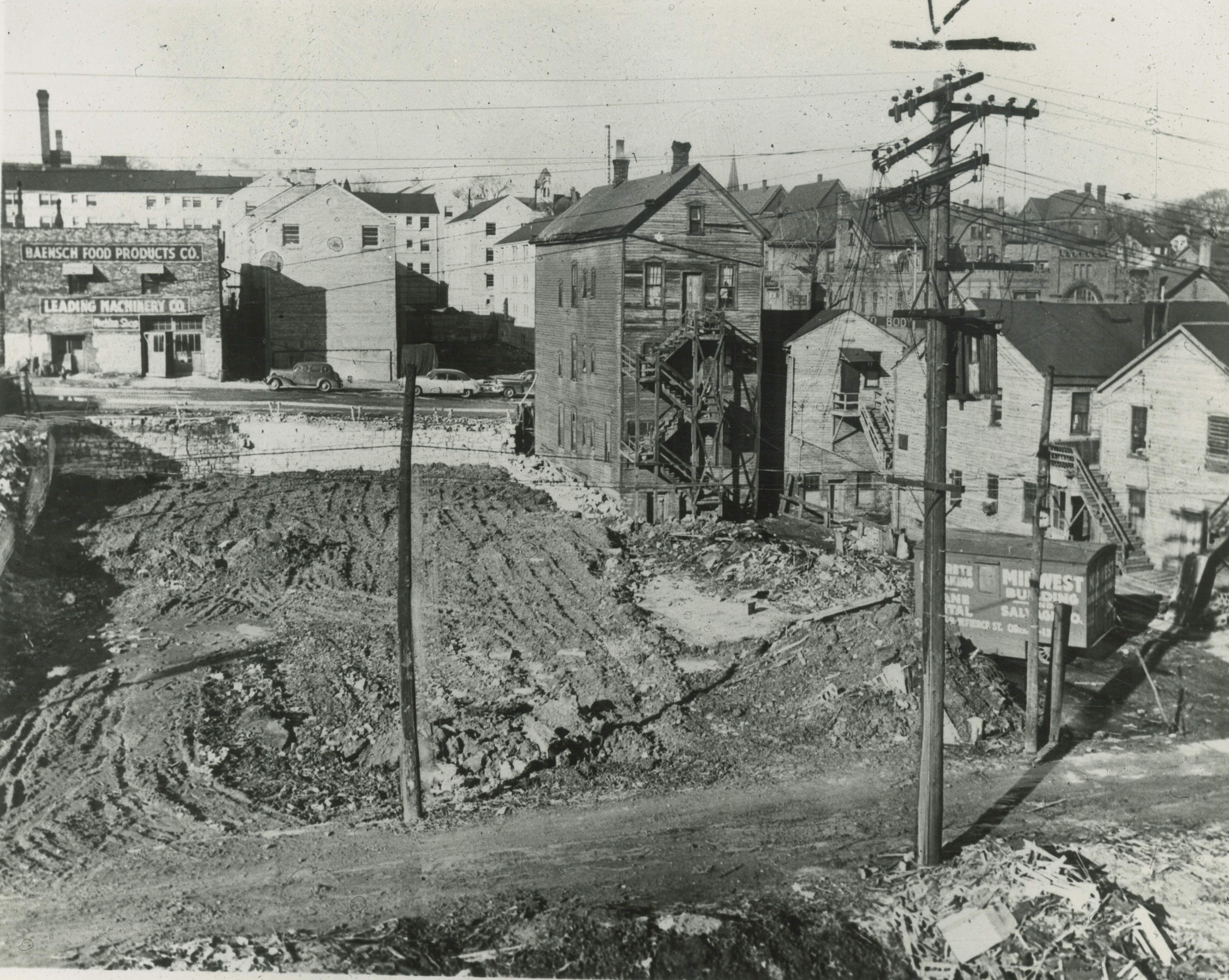
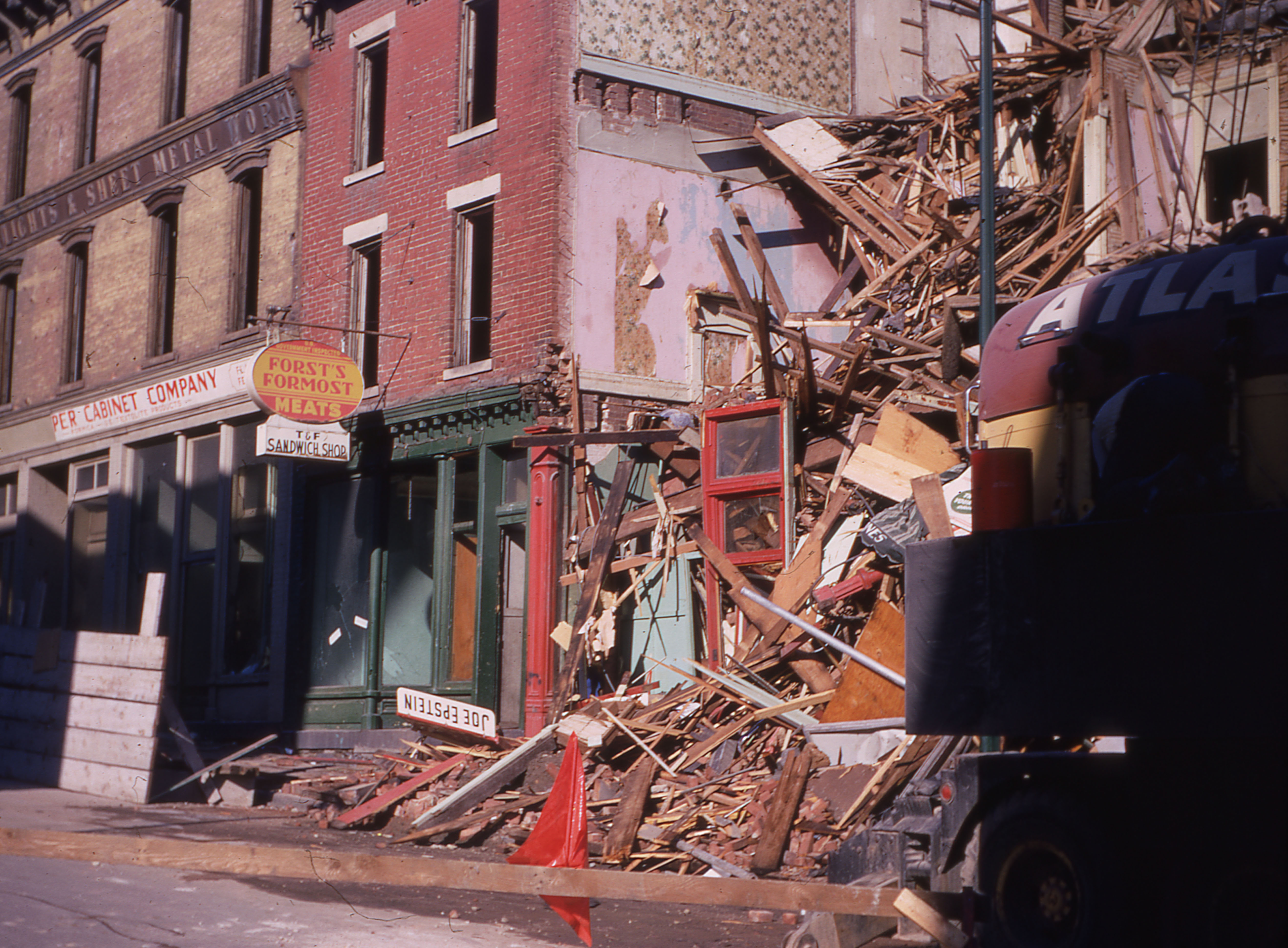
Historically, urban renewal initiatives gained prominence in the mid-20th century, particularly in post-war industrial nations grappling with urban decay, inadequate housing, and declining economic bases. Initially, these projects were often criticized for their heavy-handed approach, leading to widespread demolition, displacement of communities, and a sterile, top-down planning aesthetic. However, the concept has evolved significantly. Modern urban renewal is generally characterized by a more nuanced, community-oriented, and financially sustainable approach, integrating diverse stakeholders and focusing on long-term economic resilience rather than short-term fixes. From a financial perspective, understanding urban renewal means dissecting its investment mechanisms, the economic benefits it promises, the financial risks it entails, and its profound impact on municipal budgets, property values, and the financial well-being of residents and businesses alike.
The Financial Engine of Urban Renewal: Funding and Investment
The sheer scale of urban renewal projects necessitates substantial financial commitment, drawing from a complex mix of public and private sources. The success, or failure, of these initiatives often hinges on the shrewd assembly and management of these financial resources.
Public Funding Mechanisms: Bonds, Grants, and Taxes
Government entities are typically the initial drivers and significant financiers of urban renewal. Their involvement is crucial, especially in de-risking projects that might otherwise be unattractive to private investors due to high upfront costs or long payback periods.
- Municipal Bonds: A cornerstone of urban renewal financing, municipal bonds allow cities to borrow capital from investors to fund large-scale projects. These are often tax-exempt, making them attractive to investors, and are repaid through future tax revenues generated by the revitalized area or from the city’s general fund. Revenue bonds, for instance, are serviced by the income generated directly from the project itself (e.g., tolls, user fees), while general obligation bonds rely on the full faith and credit of the municipality.
- Federal and State Grants: Governments at higher levels often provide grants specifically for urban development, infrastructure improvements, or affordable housing initiatives. These non-repayable funds can significantly reduce the financial burden on local municipalities and incentivize projects aligned with broader national or regional development goals. Programs like the Community Development Block Grant (CDBG) in the United States are prime examples.
- Tax Increment Financing (TIF): TIF districts are a powerful and popular tool. Here, a specific geographic area is designated for renewal. Property taxes within this area are “frozen” at a base level. As the area is redeveloped and property values rise, the additional tax revenue (the “increment”) generated above the base level is used to repay bonds or finance further improvements within the TIF district. This mechanism essentially uses future growth to pay for current development, minimizing the immediate burden on existing taxpayers.
- Special Assessment Districts: Similar to TIFs, these districts levy additional taxes or fees on properties within a defined area that directly benefit from a specific improvement (e.g., new park, streetscape upgrade). These assessments fund the specific project that enhances property values in that zone.
Private Investment and Public-Private Partnerships
While public funds often kickstart and underpin urban renewal, the vast majority of capital frequently comes from the private sector. Developers, real estate investment firms, corporations, and even individual investors are crucial players.
- Real Estate Development Funds: Private equity funds dedicated to real estate investment pour billions into urban redevelopment projects, seeking returns through property appreciation, rental income, and eventual sales. They invest in everything from mixed-use developments to residential complexes and commercial spaces.
- Corporate Investment: Companies may invest in renewal areas to relocate headquarters, establish new retail outlets, or build manufacturing facilities, driven by incentives offered by the city (e.g., tax abatements, relaxed zoning) and the promise of a revitalized economic environment.
- Public-Private Partnerships (PPPs): These collaborations are increasingly common, combining the financial resources, expertise, and risk-sharing capabilities of both sectors. A municipality might contribute land or infrastructure improvements, while a private developer brings capital and project management expertise. PPPs can unlock projects that neither sector could accomplish alone, sharing both the financial benefits and risks.
- Opportunity Zones: In some jurisdictions, specific programs like “Opportunity Zones” in the U.S. incentivize long-term private investment in designated low-income urban and rural communities. Investors can defer or even eliminate capital gains taxes by investing in qualified opportunity funds, channeling private capital into areas most in need of economic revitalization.
Economic Benefits and Financial Challenges
Urban renewal’s primary justification often rests on its potential to deliver significant economic benefits, enhancing a city’s financial standing and quality of life. However, these benefits are not without financial challenges and often unintended consequences.
Job Creation and Business Growth
One of the most immediate and tangible economic benefits of urban renewal is the creation of jobs. Construction projects themselves generate demand for labor, from skilled trades to project management. Once completed, revitalized areas attract new businesses—retailers, restaurants, offices, tech firms—which in turn create permanent employment opportunities across various sectors. This influx of economic activity increases local spending, stimulating a positive feedback loop of growth and prosperity. Moreover, by enhancing a city’s appeal, urban renewal can attract highly skilled talent, further boosting the local economy and fostering innovation.
Increased Tax Revenue and City Budgets
Successful urban renewal directly translates into increased tax revenues for municipalities. As property values rise in redeveloped areas, so do property tax collections. New businesses contribute through business taxes, sales taxes, and potentially income taxes from their employees. This augmented revenue stream provides cities with greater financial flexibility to fund essential public services—schools, public safety, infrastructure maintenance, and social programs—without solely relying on existing taxpayers or needing to raise tax rates across the board. It strengthens the city’s financial resilience and capacity for future investments.
Gentrification and Displacement: The Cost of Renewal
While financially beneficial for the city and new investors, urban renewal can have significant financial drawbacks for existing residents and businesses, particularly those with lower incomes.
- Rising Property Values and Rents: As an area revitalizes, property values often soar. This is great for property owners who bought in early but can lead to drastically increased property taxes for long-time residents, often forcing them to sell their homes. For renters, rising property values translate directly into higher rents, making the area unaffordable and leading to displacement. This process, known as gentrification, effectively pushes out original communities.
- Business Displacement: Small, independent businesses that served the original community often struggle to afford increased rents or property taxes. They may be replaced by larger chain stores or upscale establishments catering to a new, wealthier demographic, leading to a loss of local character and economic diversity.
- Financial Strain on Displaced Communities: Displacement imposes significant financial burdens on those forced to move, including moving costs, difficulty finding affordable housing in new areas, and potential loss of established social and economic networks. This can exacerbate existing inequalities and create new pockets of poverty. Cities must consider financial mechanisms like affordable housing mandates, rent control, and relocation assistance to mitigate these negative impacts.
Funding Gaps and Project Risks
Urban renewal projects are inherently risky from a financial perspective.
- Unforeseen Costs: Construction delays, environmental remediation, unexpected infrastructure needs, and changes in market conditions can all lead to significant cost overruns.
- Market Fluctuations: Economic downturns can depress demand for new real estate, delay sales or rentals, and undermine the financial projections on which the project was based.
- Public Opposition: Strong community opposition can stall projects, leading to legal challenges, increased costs, and reputational damage.
- Debt Servicing: If a project fails to generate anticipated revenues, the municipality or developers can struggle to service the debt incurred through bonds or loans, potentially impacting the city’s credit rating or leading to financial distress for private investors.
Urban Renewal in the 21st Century: Sustainable and Inclusive Growth
Modern urban renewal is increasingly focused on creating sustainable, resilient, and inclusive economic growth, moving beyond simply maximizing property values to considering broader societal returns on investment.
Smart City Integration and Green Financing
Contemporary urban renewal efforts often integrate “smart city” technologies, utilizing data and connectivity to optimize urban services, improve efficiency, and create new economic opportunities. Financially, this means investing in digital infrastructure, IoT devices, and data analytics platforms, often through specialized bonds or venture capital. Alongside this, there’s a growing emphasis on green financing. This involves funding projects with environmental benefits, such as energy-efficient buildings, renewable energy sources, sustainable transportation infrastructure, and green spaces. Green bonds and impact investing are becoming crucial financial instruments in this context, attracting environmentally conscious investors seeking both financial returns and positive environmental impact. These investments can also lead to long-term operational cost savings and increased property values due to environmental certifications.
Community-Centric Financial Models
To combat the negative financial consequences of gentrification, many modern urban renewal strategies adopt community-centric financial models. This involves:
- Inclusionary Zoning: Requiring developers to set aside a certain percentage of units in new developments for affordable housing, often in exchange for density bonuses or other financial incentives.
- Community Land Trusts (CLTs): Non-profit organizations acquire and hold land in trust, selling or leasing homes built on that land at affordable prices. The land itself remains owned by the CLT, ensuring permanent affordability for subsequent homeowners.
- Equitable Development Funds: Investment funds specifically designed to support local businesses, provide financial literacy and business development support to existing residents, and ensure that economic opportunities generated by renewal benefit the broader community.
- Tenant Protections and Relocation Assistance: Financial and legal support for residents and businesses displaced by redevelopment, helping them find new affordable locations and transition smoothly, minimizing personal financial disruption.
Measuring Return on Investment (ROI) Beyond Financials
While traditional urban renewal heavily focused on direct financial ROI (e.g., increased property taxes, private developer profits), modern approaches also consider broader social and environmental returns. This includes quantifying the financial benefits of improved public health outcomes, reduced crime rates, enhanced educational attainment, and increased social cohesion. While harder to measure in purely monetary terms, these factors contribute to a city’s long-term economic competitiveness and overall financial stability, making a compelling case for public investment in projects that might not yield immediate, high-tangible financial returns but provide significant societal dividends.

Conclusion
Urban renewal is far more than an architectural endeavor; it is a profound economic and financial strategy for cities seeking to adapt, grow, and thrive. From the complex interplay of public bonds and private equity to the generation of tax revenues and the critical challenges of gentrification, every aspect of urban renewal is deeply intertwined with financial considerations. As cities continue to evolve, the ability to strategically plan, finance, and manage urban renewal projects will remain paramount to their economic vitality. The shift towards more sustainable, inclusive, and technologically integrated approaches reflects a growing understanding that true urban renewal requires a sophisticated financial ecosystem that balances economic development with social equity, ensuring that the benefits of revitalization are broadly shared and contribute to a resilient and prosperous future for all urban inhabitants.
aViewFromTheCave is a participant in the Amazon Services LLC Associates Program, an affiliate advertising program designed to provide a means for sites to earn advertising fees by advertising and linking to Amazon.com. Amazon, the Amazon logo, AmazonSupply, and the AmazonSupply logo are trademarks of Amazon.com, Inc. or its affiliates. As an Amazon Associate we earn affiliate commissions from qualifying purchases.