
In an increasingly interconnected world, where tech companies operate with distributed teams and serve global user bases, understanding time zones is more than just a geographical curiosity—it’s a fundamental aspect of operational efficiency and strategic planning. For professionals navigating the vast expanse of the North American tech landscape, the difference between Eastern Time (ET) and Pacific Time (PT) is a daily consideration. This isn’t just about knowing when to schedule a meeting; it’s about synchronizing development cycles, optimizing customer support, coordinating server maintenance, and fostering seamless collaboration across thousands of miles.

This article delves into the precise time difference between ET and PT, but more importantly, it explores why this distinction is critical in the tech industry. From the challenges of remote work to the opportunities presented by advanced scheduling software and AI, we’ll examine how tech professionals can master time zone management to enhance productivity, reduce friction, and drive innovation.
Understanding the Core Time Zone Difference
At its heart, the time difference between Eastern Time (ET) and Pacific Time (PT) is a fixed and predictable offset that dictates the rhythm of daily operations across a significant portion of North America. Grasping this fundamental difference is the first step toward effective time zone management in any tech endeavor.
Defining ET (Eastern Time)
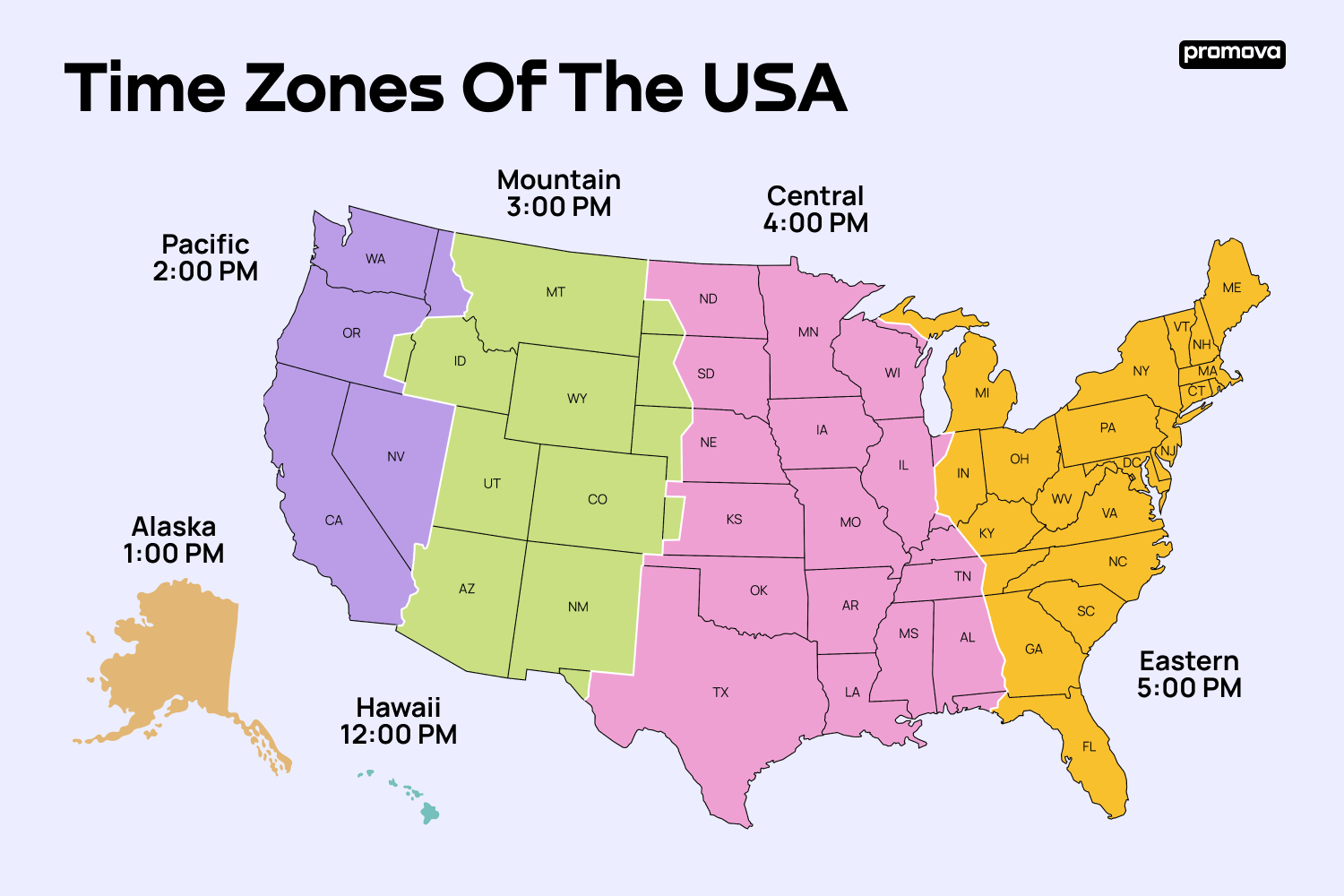
Eastern Time (ET) is observed in the easternmost parts of Canada, the United States, Mexico, and Central and South America. Within the U.S., it covers states along the Atlantic coast, extending westward into parts of the Midwest.
- Standard Offset: During Standard Time (EST), it is UTC-5 (Coordinated Universal Time minus 5 hours).
- Daylight Saving Time: During Daylight Saving Time (EDT), it shifts to UTC-4. This change typically occurs on the second Sunday in March, when clocks “spring forward” an hour, and ends on the first Sunday in November, when clocks “fall back.”
Major tech hubs and business centers observing ET include New York City, Boston, Miami, Atlanta, and Toronto. These cities often serve as critical nerve centers for finance, media, and tech startups, setting an early pace for the business day.
Defining PT (Pacific Time)
Pacific Time (PT) encompasses the westernmost states of the contiguous United States, parts of western Canada, and Baja California in Mexico. This region is synonymous with the global tech industry, hosting Silicon Valley and other innovation hubs.
- Standard Offset: During Standard Time (PST), it is UTC-8.
- Daylight Saving Time: During Daylight Saving Time (PDT), it shifts to UTC-7. Similar to ET, the shift occurs concurrently with Eastern Time, maintaining the relative difference between the two zones.
Key tech epicenters like San Francisco, Los Angeles, Seattle, and Vancouver operate on PT, making it a critical time zone for software development, venture capital, and cutting-edge research.
The Standard Offset: A Simple Calculation
The immutable fact is that Pacific Time is always three hours behind Eastern Time.
- When it’s 9:00 AM ET, it’s 6:00 AM PT.
- When it’s 3:00 PM ET, it’s 12:00 PM PT.
This consistent three-hour gap is maintained regardless of whether Daylight Saving Time is in effect, as both zones adjust simultaneously. This predictability is a blessing, as it simplifies calculations, but the practical implications, especially for real-time collaboration, are profound.
Why Time Zone Differences Matter in the Tech World
For tech companies, the ET vs. PT dynamic is not merely an abstract concept; it directly impacts productivity, communication, and overall operational efficiency. In an industry built on speed and collaboration, mishandling time zone differences can lead to missed deadlines, communication breakdowns, and frustrated teams.
Synchronizing Distributed Teams and Remote Work
The rise of remote work and globally distributed teams has made time zone management an essential skill. Many tech companies have engineering teams on the West Coast, product managers on the East Coast, and perhaps marketing or sales teams spread across both.
- Meeting Scheduling: Finding optimal meeting times becomes a constant puzzle. An “early morning” meeting for ET team members might mean a very early start for PT colleagues, or vice-versa for an “end-of-day” meeting.
- Real-time Collaboration: Ideation sessions, code reviews, and critical troubleshooting often require real-time interaction. The three-hour gap can significantly shrink the window for live collaboration, necessitating careful planning and mutual compromise.
- Team Cohesion: Consistent difficulty in finding overlap for informal chats or team-building activities can impact team morale and a sense of shared purpose.
Managing Software Development Cycles and Releases
Software development operates on tight schedules and often involves continuous integration and deployment. Time zones play a critical role in these processes:
- Sprint Planning & Stand-ups: Daily stand-up meetings need to accommodate all team members, often requiring some to join very early or late.
- Code Freezes & Release Windows: Major software releases often have specific “windows” when code freezes, testing intensifies, and deployment occurs. These windows must be communicated and executed with precise time zone awareness to avoid errors or delays.
- Bug Fixing & Hotfixes: When critical bugs emerge, the ability to quickly assemble a cross-functional team across time zones can be the difference between a minor disruption and a major outage.
Impact on Customer Support and Service Delivery
Tech companies provide services around the clock, and customer support teams are often distributed to cover extended hours.
- Follow-the-Sun Support: Companies with a global presence might employ a “follow-the-sun” model, where support shifts between time zones. Even within North America, ET and PT shifts are common, requiring seamless handoffs and consistent access to information.
- SLA Compliance: Service Level Agreements (SLAs) often stipulate response and resolution times. Without meticulous time zone accounting, companies risk breaching SLAs, leading to customer dissatisfaction and potential financial penalties.
- On-Call Rotations: For critical services, on-call engineers must be available 24/7. Managing rotations across ET and PT ensures continuous coverage without over-burdening any individual or team.
Server Operations, Data Management, and Logging
Behind every app and website are servers and databases, and their operations are heavily time-sensitive.
- Maintenance Windows: Scheduled maintenance, patches, and upgrades often occur during off-peak hours to minimize user impact. These “off-peak” times vary significantly between ET and PT, requiring precise coordination to ensure all systems are updated without conflict.
- Log Analysis: When debugging issues, analyzing server logs, or investigating security incidents, timestamps are paramount. Understanding whether a log entry is in UTC, ET, or PT is crucial for correlating events accurately and diagnosing problems.
- Data Synchronization: For geographically distributed databases, ensuring data consistency and replication across different data centers requires careful time synchronization to prevent data corruption or discrepancies.
Leveraging Technology for Seamless Time Zone Management
The tech industry, ironically, is also best equipped to solve its own time zone challenges. A plethora of tools and software applications have emerged to bridge the geographical gaps and streamline collaboration across different hours.
Calendar and Scheduling Software
Modern calendar applications are indispensable for time zone management. Tools like Google Calendar, Outlook Calendar, and Apple Calendar offer built-in features that allow users to view multiple time zones simultaneously, making scheduling across ET and PT much simpler.
- Automatic Conversion: These platforms automatically convert event times to the viewer’s local time, reducing confusion.
- “Find a Time” Features: Many calendars offer sophisticated features to suggest optimal meeting times based on attendees’ availability and time zones, highlighting overlap windows.
- Shared Calendars: Teams can share calendars, allowing members to see each other’s schedules in their local time, facilitating asynchronous and synchronous planning.
Project Management Platforms with Time Zone Features
Project management tools like Jira, Asana, Trello, and Monday.com have increasingly integrated time zone awareness into their functionalities, recognizing the distributed nature of modern teams.
- Task Deadlines: Deadlines can be set with specific time zones, ensuring clarity regardless of where a team member is located.
- Activity Logs: Timestamps on comments, task updates, and progress reports are usually displayed in the user’s local time or explicitly state the original time zone, aiding accurate tracking.
- Workload Management: Managers can better allocate tasks and manage workloads by understanding the active working hours of team members in different time zones.
Dedicated Time Zone Converter Apps and Tools
Beyond general-purpose software, a variety of specialized apps and online tools exist solely for time zone conversion.
- World Clocks: Apps like World Time Buddy, Every Time Zone, or dedicated smartphone world clock widgets allow users to quickly visualize times across multiple locations.
- Meeting Planners: These tools go beyond simple conversion, helping identify the best common time slots for groups across many different time zones, often suggesting times that minimize inconvenience for the majority.
- Command Line Tools: For developers, simple command-line utilities or integrated development environment (IDE) plugins can provide quick time zone conversions without leaving their workflow.
AI-Powered Scheduling Assistants
The advent of AI has taken time zone management to the next level. AI-powered scheduling assistants, like those integrated into virtual assistant services or dedicated scheduling platforms, can autonomously manage complex scheduling scenarios.
- Natural Language Processing: Users can make requests in natural language (“Schedule a call with Sarah and John for next week at a time that works for everyone across ET and PT”).
- Preference Learning: These assistants can learn individual preferences (e.g., “John prefers not to meet before 9 AM PT”) and factor them into scheduling decisions.
- Conflict Resolution: AI can identify conflicts, propose alternatives, and even send automated reminders and follow-ups, reducing the manual overhead associated with cross-time zone coordination.
Best Practices for Tech Professionals Navigating ET/PT Differences
While technology provides powerful tools, human practices and cultural norms are equally vital in successfully managing time zone disparities. Tech professionals must adopt thoughtful strategies to maximize efficiency and maintain team harmony.
Establish Clear Communication Protocols
Ambiguity around meeting times, deadlines, and availability is a primary source of frustration.
- Always Specify Time Zones: When scheduling, always include the time zone (e.g., “10:00 AM ET / 7:00 AM PT”). Better yet, use UTC and specify the local time equivalent for key attendees.
- Centralized Source of Truth: Use a single, authoritative calendar or project management platform for all official scheduling.
- “Office Hours” for Collaboration: Define specific overlap periods when all team members are generally expected to be online and available for synchronous collaboration.
Adopt Asynchronous Workflows Where Possible
Not every interaction needs to be real-time. Leveraging asynchronous communication can significantly reduce the pressure of time zone differences.
- Detailed Documentation: Document decisions, project updates, and progress thoroughly in shared knowledge bases, project management tools, or wikis.
- Video Messages & Voice Notes: Instead of immediate calls, consider sending pre-recorded video updates or voice notes that team members can consume at their convenience.
- Batching Communication: Encourage team members to batch non-urgent questions or updates into single communications rather than multiple scattered messages.
Educate Your Team and Stakeholders
Many people, even in tech, might not fully grasp the implications of time zone differences.
- Onboarding: Incorporate time zone best practices into the onboarding process for new hires.
- Time Zone Map: Display a simple time zone map or digital world clock prominently in shared digital spaces.
- Empathy Training: Foster a culture of empathy where team members understand the impact of scheduling decisions on colleagues in different time zones.
Utilize “Overlap” Windows Effectively
The three-hour overlap between ET and PT still provides a substantial window for real-time interaction.
- Strategic Meetings: Reserve the overlap hours (e.g., 9 AM ET / 6 AM PT to 5 PM ET / 2 PM PT) for crucial meetings, collaborative brainstorming, and quick problem-solving.
- Flexibility: Encourage team members to be flexible within reason, especially for critical events. A PT team member might start an hour earlier occasionally, or an ET member might stay an hour later.
- Focused Work: Encourage deep work and individual tasks outside of the core overlap hours, allowing team members to leverage their quieter “off-peak” times.
The Future of Time Zone Management in Tech
As technology continues to evolve and remote work becomes more ingrained, the strategies and tools for managing time zones will also advance, promising even greater efficiency and flexibility.
Automation and Predictive Scheduling
The future will likely see more sophisticated automation in scheduling. Systems will not only find available slots but will also learn individual and team preferences, predict potential conflicts, and even suggest optimal meeting agendas based on attendee locations and roles. This moves beyond simple availability to intelligent recommendation.
Enhanced AI Integration
AI will play an even more prominent role, moving beyond basic scheduling to deeply integrated collaboration tools. Imagine AI that can summarize asynchronous discussions, highlight key decisions made across time zones, and even suggest “best next actions” that consider the active working hours of all involved parties. AI might also help proactively identify and mitigate “time zone fatigue” in distributed teams.

The Rise of “Time Zone Agnostic” Workflows
Ultimately, the goal is to create “time zone agnostic” workflows that minimize the need for constant, real-time synchronization. This involves robust asynchronous communication frameworks, advanced documentation practices, and tools that facilitate seamless information flow regardless of when a team member is online. The focus will shift from managing the time difference to transcending it, allowing tech teams to truly operate as a cohesive unit, wherever and whenever they are.
By understanding the fundamental time difference between ET and PT and strategically employing both technological tools and sound best practices, tech professionals can transform a potential logistical hurdle into a cornerstone of effective, innovative, and inclusive global collaboration.
aViewFromTheCave is a participant in the Amazon Services LLC Associates Program, an affiliate advertising program designed to provide a means for sites to earn advertising fees by advertising and linking to Amazon.com. Amazon, the Amazon logo, AmazonSupply, and the AmazonSupply logo are trademarks of Amazon.com, Inc. or its affiliates. As an Amazon Associate we earn affiliate commissions from qualifying purchases.