
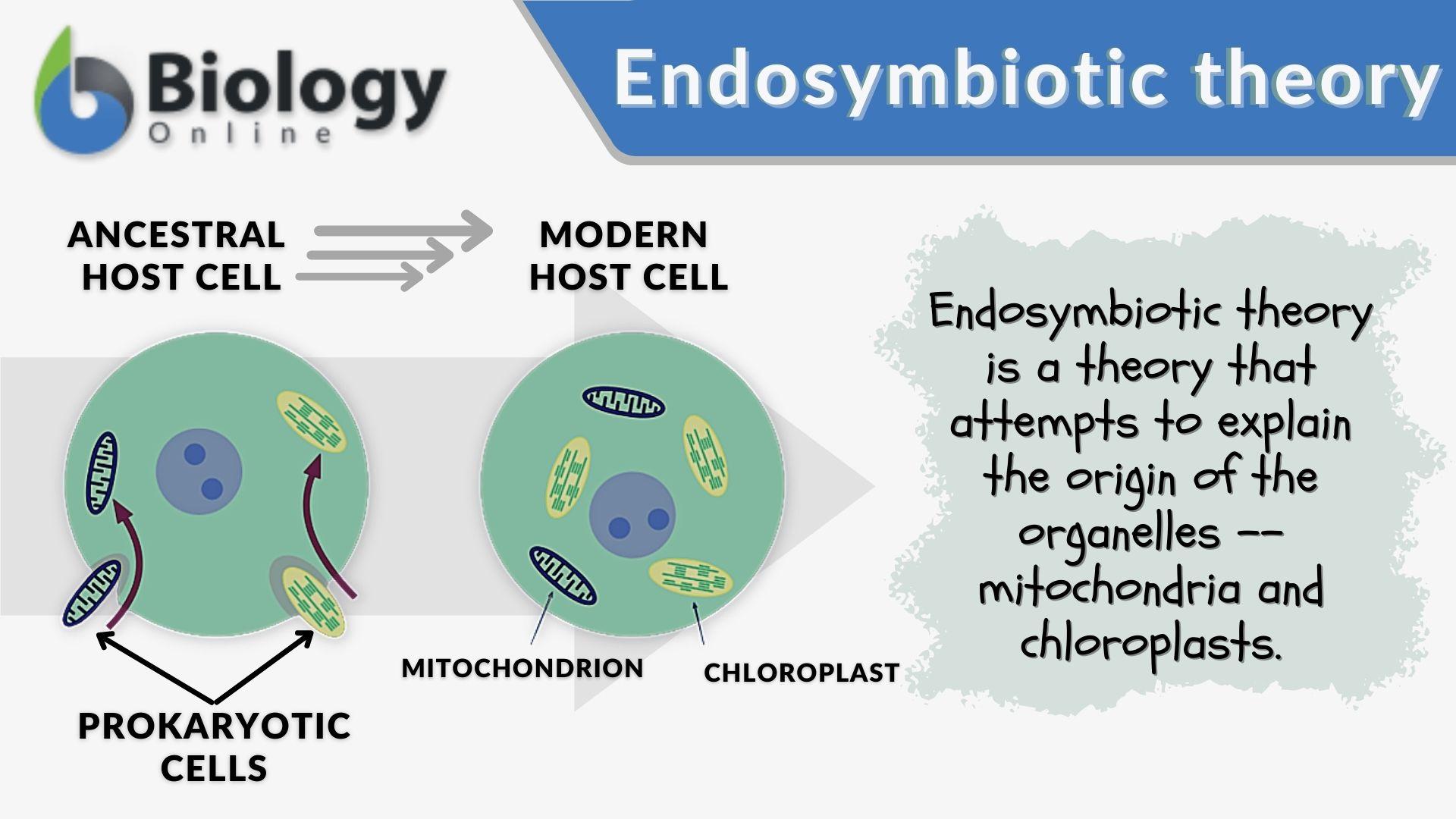
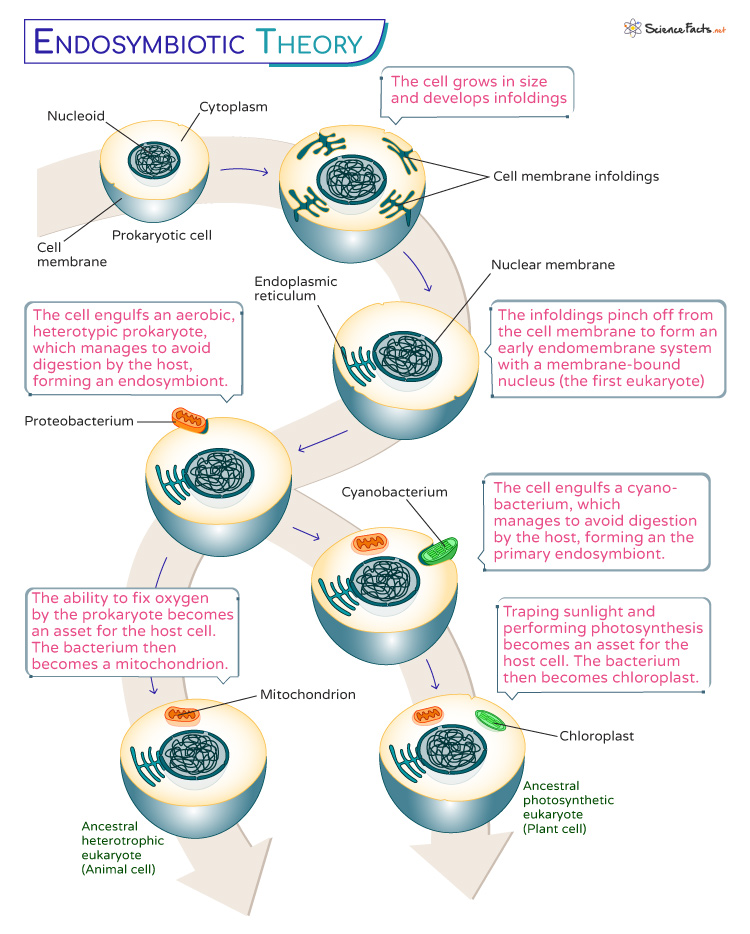
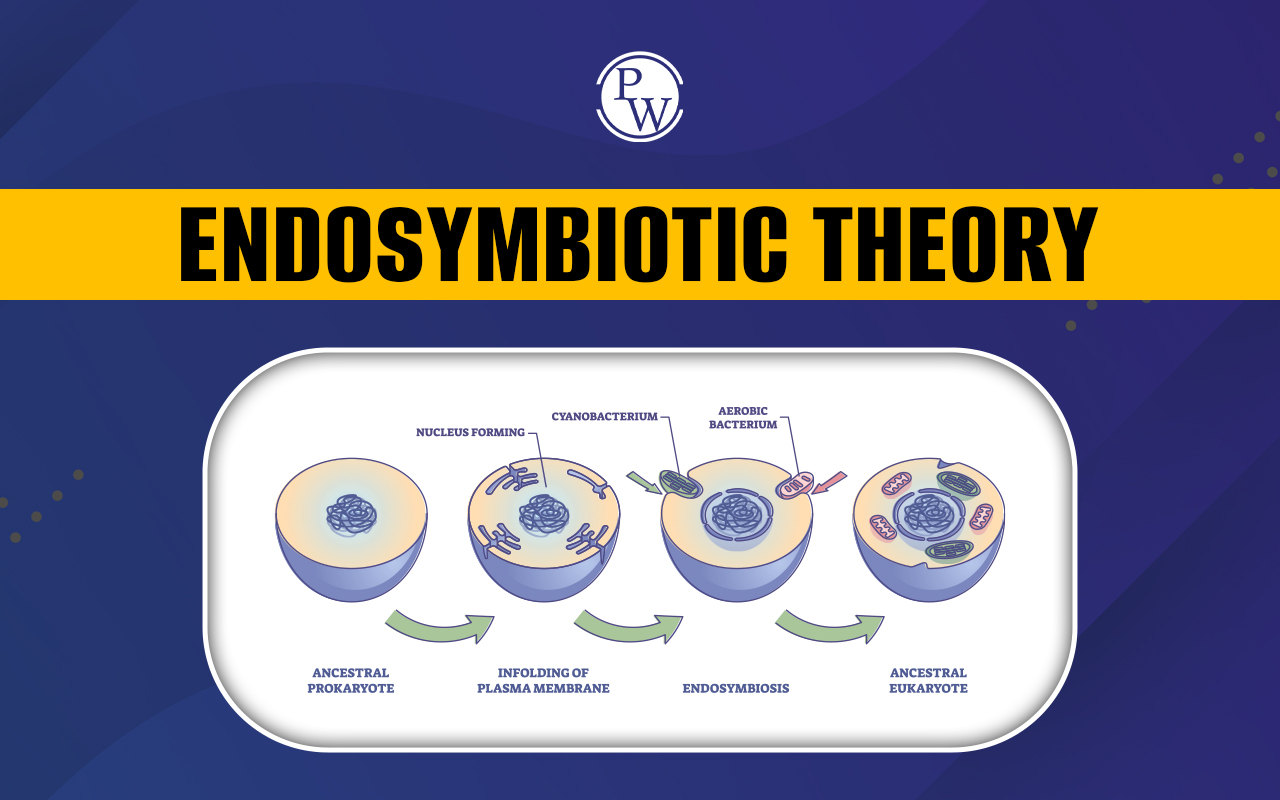
The term “endosymbiosis” might immediately conjure images of ancient single-celled organisms, the birth of mitochondria, and the evolutionary leap that gave rise to complex life as we know it. In its biological context, the theory of endosymbiosis posits that several key organelles of eukaryotic cells originated as symbiosis between separate single-celled organisms. For instance, mitochondria, the powerhouses of our cells, are thought to have evolved from free-living prokaryotes that were engulfed by other cells and formed a mutually beneficial, deeply integrated relationship. Over immense stretches of time, these once-independent entities became indispensable, evolving together to form a new, more complex, and highly efficient whole.
But what if we were to apply this powerful biological paradigm to the rapidly evolving landscape of technology? Can the theory of endosymbiosis offer a profound lens through which to understand the integration, co-evolution, and interdependence of modern technological systems? Indeed, by reframing endosymbiosis as a metaphor, we can uncover profound insights into how disparate technologies merge, how software and hardware co-evolve, and how human and artificial intelligence can form synergistic relationships to create something far greater than the sum of their individual parts. This article will explore the “theory of endosymbiosis” not as a biological fact, but as a conceptual framework for understanding the deep integration and co-dependent evolution within the tech ecosystem.
The Biological Blueprint: Endosymbiosis Defined and Reimagined
To fully appreciate the metaphorical application of endosymbiosis in technology, it’s crucial to grasp its foundational biological principles. The theory, most famously elaborated by Lynn Margulis, describes a process where one organism lives inside another, ultimately leading to a mutually beneficial relationship. This isn’t mere cooperation; it’s a deep, structural integration where the host and the endosymbiont become so intertwined that they lose the ability to survive independently. The former endosymbiont transforms into an organelle, an intrinsic component of the host cell, each contributing unique functions that benefit the collective. The result is a new, more complex, and often more efficient organism capable of new feats of survival and adaptation.
A Brief History and Core Principles
The origins of eukaryotic cells, the building blocks of all complex life, are a testament to endosymbiosis. The acquisition of mitochondria allowed early eukaryotic cells to tap into aerobic respiration, providing significantly more energy. Later, the acquisition of chloroplasts by some eukaryotic cells enabled photosynthesis, fundamentally altering Earth’s atmosphere and paving the way for plant life. Key principles here include:
- Engulfment and Integration: One entity is incorporated into another.
- Mutual Benefit (Symbiosis): Both parties derive advantages from the relationship.
- Loss of Independence: Over time, the host and symbiont become indispensable to each other.
- Co-evolution: They evolve together, adapting and optimizing their functions within the integrated system.
- Emergence of Novel Capabilities: The integrated system can perform functions impossible for its individual components.
From Ancient Cells to Modern Code: A Metaphorical Bridge
Now, let’s bridge this ancient biological phenomenon to contemporary technology. In the tech world, we constantly witness processes of integration, interdependence, and co-evolution. Consider a powerful cloud platform integrating countless microservices, a smartphone’s operating system working seamlessly with its underlying hardware and a myriad of applications, or the burgeoning collaboration between human creativity and AI-driven analytics. These are not merely parallel developments; they represent a form of technological endosymbiosis, where distinct components are increasingly merging to create sophisticated, interdependent systems.
The metaphorical endosymbiont could be an API, a microservice, an AI algorithm, or even a specific hardware component. The host could be a larger software application, a computing platform, or a human user. The “membrane” separating them gradually dissolves as they become more deeply integrated, sharing resources, data, and even evolving in tandem. This perspective allows us to analyze not just how technologies work, but how they become indispensable to each other and how their combined existence unlocks unprecedented capabilities.
Endosymbiotic Systems in Software and Hardware
The most tangible manifestations of technological endosymbiosis are arguably found in the intricate relationships between software and hardware components. Here, the drive for efficiency, performance, and functionality has led to integrations so deep that separating the components would render them largely inert.
The Operating System and Application Ecosystem
Perhaps the clearest example of endosymbiosis in software is the relationship between an operating system (OS) and its applications. An OS, whether iOS, Android, Windows, or Linux, provides the fundamental environment, resources, and services. Applications, once independent programs, now rely entirely on the OS for execution, memory management, input/output, and network access. Conversely, the OS gains its utility and value through the diverse array of applications it hosts. A smartphone without apps is merely a sophisticated paperweight; an app without an OS has no platform to run on. They are mutually dependent, having co-evolved to optimize their interaction, with apps leveraging OS features and the OS adapting to better support new app functionalities. This symbiotic relationship creates a vibrant ecosystem where the whole is exponentially more valuable than its parts.
Microservices and API Integration: Digital Organelles
In modern software architecture, the shift towards microservices represents a sophisticated form of digital endosymbiosis. Instead of monolithic applications, software is broken down into small, independent services, each responsible for a specific function. These microservices communicate with each other via Application Programming Interfaces (APIs), forming a complex, distributed system. Each microservice, like a biological organelle, performs a specialized task – managing user authentication, processing payments, handling data storage – contributing to the overall function of a larger application.
The APIs act as the “membranes” or communication channels. Over time, these services, though theoretically independent, become deeply interdependent. A change in one microservice might necessitate adjustments in others that rely on its API. This integration allows for unparalleled scalability, resilience, and flexibility, far surpassing what a single, monolithic entity could achieve. They represent distinct entities that have integrated to form a new, more powerful, and adaptable “digital organism.”
Hardware-Software Co-design and Optimization
The relationship between hardware and software is another prime example of technological endosymbiosis. Modern computing devices are not simply hardware running software; they are products of intensive co-design. Graphics Processing Units (GPUs), for instance, were initially designed for rendering graphics but have evolved into powerful parallel processors, heavily optimized by software frameworks (like CUDA for NVIDIA) to accelerate AI and scientific computations. The performance gains come not just from faster hardware, but from software specifically designed to exploit its unique architectures, and hardware designed with the needs of specific software in mind.
This deep co-dependence is evident in specialized chips like Apple’s M-series processors, which are meticulously designed in tandem with macOS and iOS to achieve unprecedented efficiency and performance. The neural engines embedded in these chips are hardware “endosymbionts” optimized for AI tasks, making applications that leverage them run significantly faster than on generic hardware. This iterative co-evolution ensures that hardware capabilities drive new software innovations, and software demands push the boundaries of hardware design, leading to a truly endosymbiotic relationship.
The Endosymbiosis of AI and Human Intelligence
Perhaps the most transformative and profound area where the theory of endosymbiosis finds resonance is in the burgeoning partnership between artificial intelligence and human intelligence. This isn’t just about AI replacing human tasks; it’s about forming a synergistic relationship where AI acts as a powerful “cognitive endosymbiont,” enhancing human capabilities and giving rise to novel forms of creativity, problem-solving, and efficiency.
AI as a Symbiotic Partner in Creative and Analytical Tasks
Consider the rise of generative AI models in fields like art, writing, and design. These tools don’t merely automate; they act as co-creators. A human designer might provide a concept, and an AI model generates variations or fills in details that would take hours or days to produce manually. The human then curates, refines, and directs the AI, leveraging its speed and vast knowledge while imbuing the output with intention, emotion, and unique artistic vision. The AI gains purpose and direction from human input, while the human gains a powerful assistant that multiplies their creative output. This is a clear case of mutual benefit, where both entities become more powerful together than apart.
In analytical tasks, AI’s ability to process vast datasets, identify patterns, and predict outcomes far exceeds human capacity. However, human intuition, contextual understanding, ethical reasoning, and the ability to ask the right questions are indispensable. A financial analyst using AI tools to sift through market data, identify anomalies, and project trends isn’t replaced; they are augmented. The AI acts as a sophisticated “analytical organelle,” providing insights that the human then interprets, validates, and acts upon, making more informed and impactful decisions.
Enhancing Human Capabilities Through Intelligent Integration
The integration of AI into human workflows is creating “cyborg-like” capabilities, not in the literal sense of physical augmentation, but in the cognitive realm. Think of AI-powered language translation tools that allow seamless communication across linguistic barriers, or smart assistants that manage schedules, retrieve information, and automate routine tasks, freeing up human cognitive load for higher-order thinking.
These AI tools are becoming deeply embedded in our daily lives and professional processes, much like mitochondria are embedded in our cells. We rely on them, and they, in turn, rely on our data, our inputs, and our directives to learn and evolve. The ongoing co-evolution ensures that AI models become more attuned to human needs and preferences, while humans develop new skills to interact with and leverage these intelligent systems effectively. This endosymbiotic relationship is not just about efficiency; it’s about expanding the very definition of human potential and collective intelligence.
Challenges and Future of Endosymbiotic Tech Development
While the endosymbiotic model offers immense promise for technological advancement, it also introduces significant challenges, primarily centered around managing interdependence and systemic risks.
Navigating Interdependence and Systemic Risks
As technological components become more deeply integrated and co-dependent, the failure of one “endosymbiont” can have cascading effects throughout the entire system. A bug in a core microservice can bring down an entire application. A vulnerability in a foundational OS can expose millions of users. The more intertwined hardware and software become, the harder it is to isolate and fix problems without impacting the whole. This creates a need for robust fault tolerance, modularity in design (even within integrated systems), and sophisticated monitoring to manage the inherent systemic risks of deep interdependence.
Furthermore, the ethics of AI endosymbiosis raise critical questions about control, accountability, and bias. If AI becomes deeply embedded in human decision-making processes, who is ultimately responsible for outcomes? How do we ensure that the “intelligence” of the AI endosymbiont aligns with human values and goals? These are complex issues that require careful consideration as we continue to integrate AI into critical functions.
Towards a More Integrated and Resilient Tech Future
Despite these challenges, the trajectory towards more endosymbiotic technological systems is clear. The benefits of increased efficiency, novel capabilities, and enhanced resilience outweigh the risks, provided they are managed proactively. The future of tech will likely see even deeper integrations:
- Hyper-personalized experiences: AI “endosymbionts” learning individual preferences to customize every digital interaction.
- Self-optimizing infrastructure: Hardware and software dynamically adapting to workloads and environments.
- Augmented reality and brain-computer interfaces: Creating direct, intimate endosymbiotic relationships between humans and digital information.
The theory of endosymbiosis, when applied metaphorically to technology, offers a powerful framework for understanding these complex, evolving relationships. It encourages us to move beyond viewing technologies as discrete tools and instead to perceive them as living, breathing ecosystems where components merge, co-evolve, and become indispensable to one another. By embracing this perspective, we can better design, manage, and innovate in a world where the lines between individual technologies are increasingly blurring, giving rise to new, emergent forms of digital life.
aViewFromTheCave is a participant in the Amazon Services LLC Associates Program, an affiliate advertising program designed to provide a means for sites to earn advertising fees by advertising and linking to Amazon.com. Amazon, the Amazon logo, AmazonSupply, and the AmazonSupply logo are trademarks of Amazon.com, Inc. or its affiliates. As an Amazon Associate we earn affiliate commissions from qualifying purchases.