
The humble freezer, often taken for granted, is a marvel of modern engineering designed to extend the life of our food, reduce waste, and provide unparalleled convenience. Yet, despite its ubiquity, a fundamental question often goes unanswered for many users: “What is the ideal temperature setting for a freezer?” The answer isn’t merely a number; it’s a critical piece of information that underpins food safety, quality, energy efficiency, and the longevity of both your edibles and your appliance. In the realm of home gadgets, mastering your freezer’s temperature is as crucial as understanding your smartphone settings or calibrating your smart thermostat. This comprehensive guide delves into the science, best practices, and technological considerations behind setting your freezer to perfection.
The Science Behind Freezer Temperatures: Preserving Food Quality and Safety
At its core, a freezer’s function is to halt the processes that lead to food spoilage. This isn’t magic; it’s a precise application of thermodynamics and microbiology. Understanding the science behind these cold temperatures is the first step to appreciating why the correct setting is so vital.
Understanding Food Spoilage and Bacterial Growth
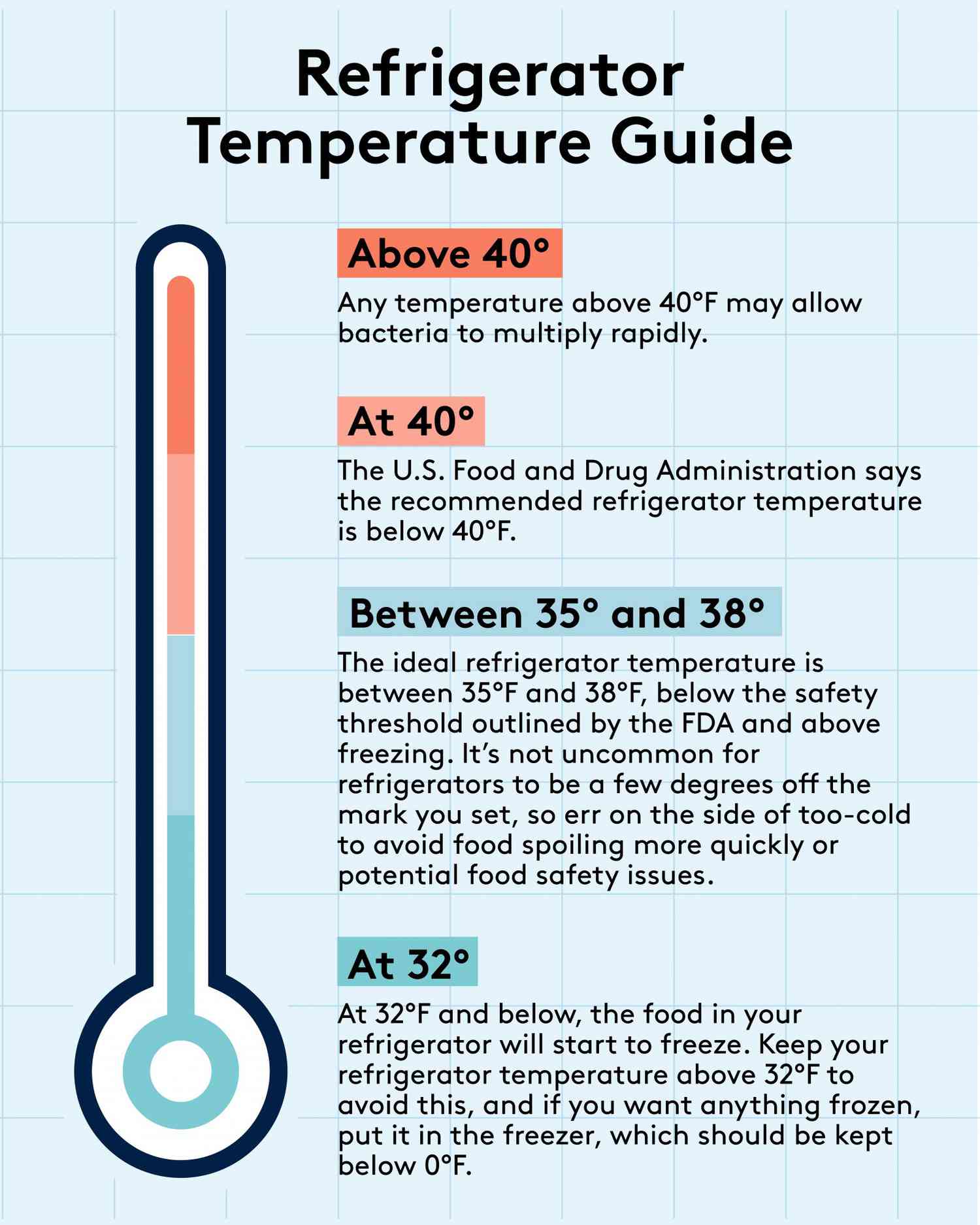
Food spoilage is primarily driven by two factors: enzymatic activity and microbial growth. Enzymes, naturally present in food, continue to ripen and degrade it even after harvest or slaughter. Microorganisms—bacteria, yeasts, and molds—thrive in specific temperature ranges, rapidly multiplying and producing toxins that render food unsafe or unpalatable. The “danger zone” for bacterial growth typically lies between 40°F (4°C) and 140°F (60°C).
Freezing significantly slows down or completely stops both of these processes. When water within food freezes into ice crystals, it becomes unavailable for microbial metabolism. The extremely low temperatures also dramatically inhibit enzymatic reactions. While freezing doesn’t kill all bacteria, it renders them dormant. Once thawed, these dormant bacteria can reactivate and begin multiplying again, which is why proper thawing and cooking are also essential. An inadequate freezer temperature, one that is too warm, risks allowing some microbial activity to continue or, at best, slowing it insufficiently, leading to premature spoilage and potential health hazards.
The Role of Freezing in Nutrient Retention
Beyond preventing spoilage, proper freezing plays a crucial role in maintaining the nutritional value and sensory qualities of food. Rapid freezing, in particular, minimizes the formation of large ice crystals that can damage cell structures, leading to a mushy texture upon thawing. This is why commercial flash-freezing is so effective.
For home freezers, maintaining a consistently low temperature helps preserve vitamins, minerals, flavor, and texture. Fluctuations in temperature, often caused by improper settings, frequent door openings, or a malfunctioning unit, can lead to “freezer burn.” This phenomenon occurs when moisture sublimates from the food’s surface, leaving dehydrated, discolored, and often unappetizing patches. While freezer-burned food is generally safe to eat, its quality is severely compromised. A consistently cold freezer minimizes this moisture loss, safeguarding both the nutritional integrity and the culinary appeal of your stored items.
The Ideal Temperature Range: Industry Standards and Recommendations
So, what is the magic number? Both the U.S. Department of Agriculture (USDA) and the Food and Drug Administration (FDA), along with food safety authorities worldwide, universally recommend a freezer temperature of 0°F (-18°C). This specific temperature is not arbitrary; it has been determined through extensive research as the optimal point for inhibiting bacterial growth, slowing enzymatic activity, and maintaining food quality over extended periods without being excessively energy-intensive.
While some freezers might have settings that go colder, 0°F (-18°C) is the gold standard for long-term storage of most household foods. Temperatures warmer than this can significantly reduce storage times and increase the risk of spoilage, while going much colder offers diminishing returns in terms of food preservation and incurs higher energy costs.
Optimal Freezer Settings: Balancing Efficiency and Performance
Setting your freezer to the recommended 0°F (-18°C) is a balance between ensuring food safety and quality, and managing energy consumption. Modern freezers are designed to achieve this balance efficiently, but user habits and environmental factors also play a significant role.
The USDA and FDA Gold Standard: 0°F (-18°C)
As established, 0°F (-18°C) is the consensus for household freezer temperatures. At this point, most harmful bacteria, yeasts, and molds are rendered inactive, effectively pausing the clock on spoilage. Food items stored at this temperature maintain their safety indefinitely (though quality may degrade over time, leading to recommendations for specific storage durations for best taste and texture).
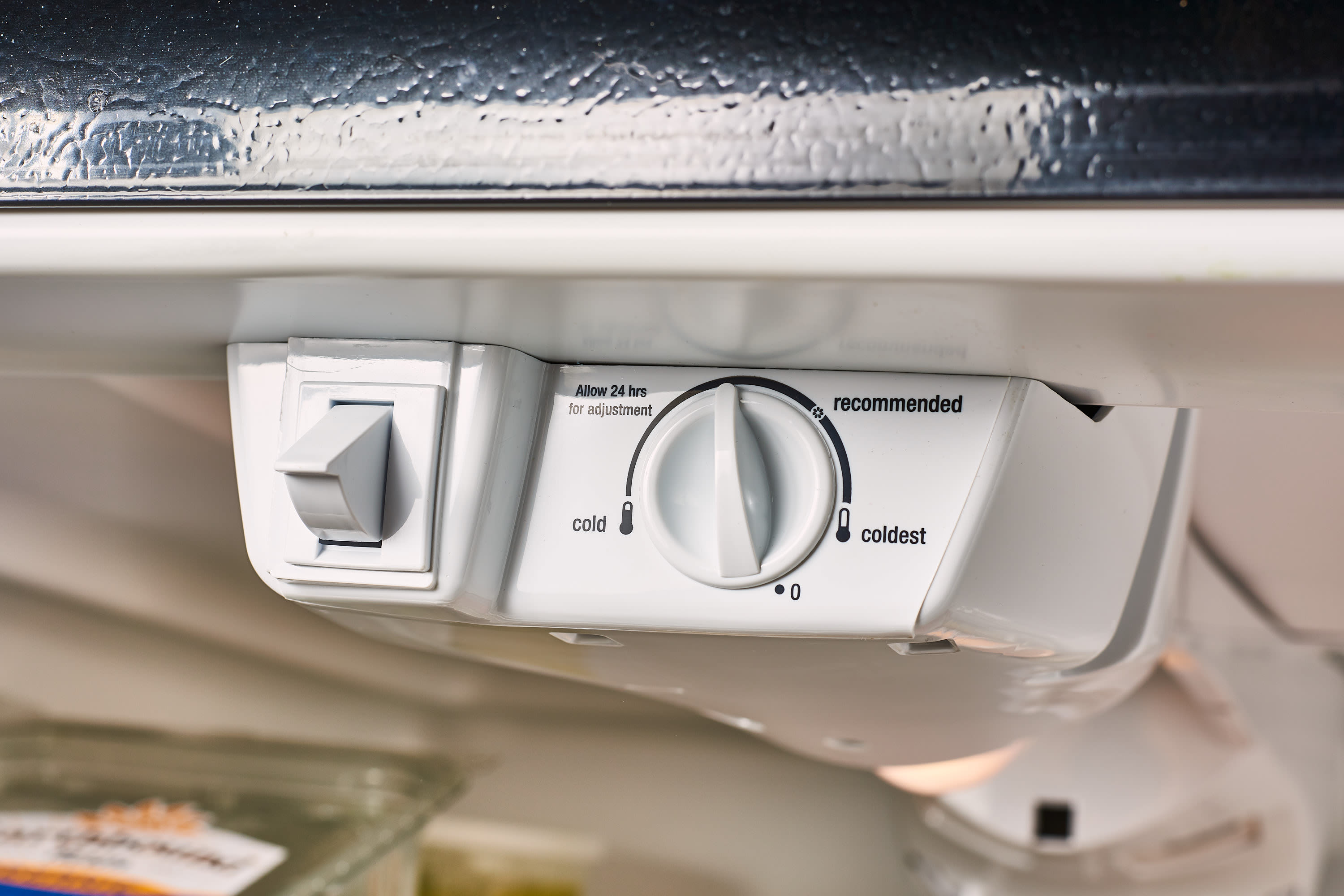
Many freezers come with a dial or digital display ranging from “coldest” to “warmest” or from 1 to 5 (or similar). If your freezer doesn’t display actual temperatures, it’s often calibrated so that the midpoint or a slightly colder setting (e.g., ‘3’ or ‘4’ on a scale of 1-5, with 5 being coldest) aligns with 0°F (-18°C). However, the best practice is always to verify with an external freezer thermometer, especially if your appliance lacks a precise digital readout.
Energy Efficiency vs. Food Preservation: Finding the Sweet Spot
While going colder than 0°F (-18°C) might seem like a foolproof way to preserve food, it comes at an energy cost. Freezers, like all cooling appliances, work harder and consume more electricity to maintain lower temperatures. For every degree Fahrenheit you drop the temperature below 0°F, your energy consumption can increase by a small but measurable amount. Over a year, this can add up to noticeable increases in your utility bill.
Conversely, a temperature slightly warmer than 0°F, say 5°F (-15°C), might save a tiny bit on electricity but significantly compromises food quality and safety. Meat might develop freezer burn faster, and the growth of psychrophilic bacteria (cold-loving bacteria) could be marginally less inhibited. Therefore, 0°F (-18°C) truly represents the sweet spot—the optimal balance where food preservation is maximized without excessive energy expenditure. Modern smart freezers often come with eco-modes that aim to maintain this ideal balance even more precisely by learning usage patterns.
Factors Influencing Temperature Stability: Location, Usage, and Frost Build-up
The actual temperature inside your freezer can be influenced by several factors, even if your setting is ideal:
- Ambient Room Temperature: Freezers located in unheated garages or basements might struggle to maintain consistent temperatures if the ambient temperature drops too low (some freezers have specific minimum operating temperatures). Conversely, placing a freezer in a very warm environment (like direct sunlight) forces it to work harder.
- Door Openings: Each time the freezer door is opened, warm air enters, causing a temporary spike in temperature. Frequent or prolonged openings will stress the compressor and lead to temperature fluctuations.
- Loading Capacity: An empty freezer needs to work harder to maintain its cold temperature because there’s less thermal mass to absorb the cold. A full (but not overstuffed) freezer holds its temperature better. However, overstuffing can block air vents, leading to uneven cooling.
- Frost Build-up: In manual defrost freezers, a thick layer of frost acts as an insulator, making the compressor work harder and less efficiently to cool the interior.
- Gasket Condition: A damaged or worn door gasket allows cold air to escape and warm air to enter, compromising temperature stability and increasing energy consumption.
Understanding these factors allows users to take proactive steps to ensure their freezer operates efficiently and consistently at the ideal temperature.
Types of Freezers and Their Specific Considerations
While the 0°F (-18°C) rule is universal, different freezer types have unique characteristics that can influence how effectively they maintain this temperature and how users should interact with them.
Upright Freezers: Convenience and Common Issues
Upright freezers are popular for their convenience, offering shelves and drawers for easy organization and access. Most modern upright freezers are “frost-free” or “auto-defrosting,” meaning they periodically warm up slightly to melt ice buildup, which then drains away.
- Pros: Excellent organization, easy access, often self-defrosting.
- Cons: Frost-free models can cause freezer burn more quickly due to slight temperature fluctuations during defrost cycles and increased air circulation. They are also generally less energy-efficient than chest freezers. Airflow can be an issue if shelves are overloaded.
- Considerations: Ensure items are well-wrapped, especially in frost-free models. Don’t block air vents. Monitor door seals, as they are crucial for upright units.
Chest Freezers: Energy Efficiency and Loading Strategies
Chest freezers open from the top, trapping cold air inside when the lid is opened, making them very energy-efficient. They typically require manual defrosting.
- Pros: More energy-efficient, less susceptible to freezer burn (due to less air circulation and manual defrost), greater storage capacity for bulk items.
- Cons: Difficult to organize, items at the bottom can be hard to reach, requires manual defrosting.
- Considerations: Use baskets or dividers to organize contents. Label everything. Plan for manual defrosting once or twice a year to maintain efficiency. The bottom of a chest freezer is often the coldest spot.
Refrigerator-Freezer Combos: Shared Systems and Potential Challenges
These are the most common appliances, combining a refrigerator and a freezer in one unit. They can be top-freezer, bottom-freezer, or side-by-side configurations.
- Pros: Space-saving, convenient.
- Cons: The freezer compartment is often smaller. The shared cooling system can sometimes make it harder for the freezer to maintain a consistent 0°F, especially if the refrigerator side is frequently opened. Side-by-side models can be less efficient than top/bottom configurations.
- Considerations: Be mindful of how frequently you open the refrigerator door, as it impacts the shared cooling system. Ensure the freezer isn’t overloaded, especially in smaller compartments, to allow for proper airflow.
Specialized Freezing Technologies: Blast Freezers and Smart Freezers
While less common in homes, understanding these advanced technologies highlights the evolution of freezing.
- Blast Freezers: Used in commercial settings, these rapidly freeze food at extremely low temperatures (-30°F to -60°F or colder) using powerful fans. This process creates very small ice crystals, minimizing cellular damage and preserving food quality exceptionally well.
- Smart Freezers: The latest generation of freezers incorporates IoT (Internet of Things) technology. These “smart” freezers can connect to Wi-Fi, allowing users to monitor and adjust temperatures remotely via an app, receive alerts if the door is left ajar or if the temperature rises, and even integrate with smart home ecosystems. Some feature internal cameras to check contents without opening the door, further enhancing temperature stability and efficiency.
Practical Tips for Maintaining Optimal Freezer Performance
Even with the correct temperature setting, a freezer’s performance can degrade without proper care. Regular maintenance and smart usage habits are essential for maximizing efficiency and food longevity.
Calibrating Your Freezer Thermometer: Ensuring Accuracy
The most critical tool for maintaining optimal freezer temperature is a reliable thermometer. Many freezers, especially older models, may not have accurate built-in temperature displays.
- Procedure: Purchase an inexpensive appliance thermometer (specifically designed for freezers) from a hardware store or online. Place it in the middle of your freezer, away from the door, for several hours (preferably overnight) before checking the reading. Adjust your freezer’s thermostat setting incrementally (e.g., one notch colder) and recheck the thermometer after another few hours until it consistently reads 0°F (-18°C). This simple calibration ensures your freezer is actually performing as intended.
Proper Food Storage Techniques: Packaging and Organization
How you store food dramatically impacts its quality and longevity in the freezer.
- Packaging: Always use freezer-safe containers, heavy-duty freezer bags, or aluminum foil designed for freezing. Remove as much air as possible from bags to prevent freezer burn. Wrap items tightly.
- Portioning: Freeze food in meal-sized portions to avoid thawing and refreezing large quantities, which can compromise quality.
- Labeling: Label every item with its contents and the date it was frozen. This prevents “mystery meat” scenarios and helps you adhere to “first-in, first-out” principles.
- Organization: Keep similar items together. Use bins or shelves to organize, especially in chest freezers. A well-organized freezer promotes better air circulation and reduces the time the door is open while you search for items.
Regular Maintenance: Defrosting, Cleaning, and Seal Checks
Proactive maintenance is key to a long-lasting and efficient freezer.
- Defrosting (Manual Defrost Freezers): When ice builds up to more than 1/4 inch thick, it’s time to defrost. Unplug the unit, remove all food, and allow the ice to melt naturally. Never use sharp objects to chip ice, as this can damage the coils.
- Cleaning: Regularly clean the interior with a mild soap and water solution. For frost-free freezers, ensure that any drain holes are clear to prevent water backup.
- Door Seal (Gasket) Checks: Periodically check the door gasket for cracks or tears. A simple test: close the door on a dollar bill. If you can easily pull it out, the seal might be compromised. Clean the gasket with a damp cloth to remove any sticky residue that prevents a tight seal.
Troubleshooting Common Freezer Issues: What to Do When Things Go Wrong
Even well-maintained freezers can encounter problems.
- Power Outages: Keep the freezer door closed as much as possible. A full, well-sealed freezer can keep food frozen for up to 48 hours (24 hours if half full). If food thaws significantly, especially meat, poultry, and dairy, it should be discarded to prevent foodborne illness.
- Temperature Rise: First, check the door seal and if the door was left ajar. Ensure the condenser coils (usually at the back or bottom of the unit) are clean and free of dust, as dirty coils hinder cooling. If the issue persists, it might indicate a failing compressor or thermostat, requiring professional service.
- Excessive Frost: In frost-free models, this could signal a problem with the auto-defrost system (e.g., a faulty defrost timer or heating element). In manual defrost freezers, it’s normal but indicates the need for manual defrosting.
The Future of Freezer Technology: Smart Features and Sustainability
As technology continues to evolve, so too will our freezing solutions. The trend is towards greater intelligence, efficiency, and integration into the broader smart home ecosystem.
IoT Integration and Smart Temperature Management
The era of the “smart kitchen” is already upon us. Future freezers will leverage IoT more extensively, offering:
- Predictive Maintenance: Sensors that can anticipate component failure before it happens, alerting users or service technicians.
- Adaptive Cooling: Algorithms that learn usage patterns (e.g., when the door is opened most frequently) and adjust cooling cycles to optimize efficiency and maintain temperature stability.
- Voice Control & Remote Access: Integration with virtual assistants like Alexa or Google Assistant for hands-free control and the ability to adjust settings or check status from anywhere via a smartphone app.
- Inventory Management: Some advanced models might incorporate internal cameras and AI to track contents, suggest recipes based on available ingredients, or even automatically add items to a grocery list.
Energy Efficiency Innovations: Eco-Friendly Freezing
Sustainability is a major driver of innovation.
- Advanced Insulation: Newer materials like vacuum insulated panels (VIPs) can drastically reduce heat transfer, allowing for thinner walls and greater internal capacity while consuming less energy.
- Next-Gen Refrigerants: The industry is moving away from hydrofluorocarbons (HFCs) towards natural refrigerants like R600a (isobutane) and R290 (propane), which have significantly lower global warming potentials.
- Variable Speed Compressors: Instead of simply cycling on and off, these compressors can adjust their speed to match the cooling demand, leading to more precise temperature control and substantial energy savings.

Advanced Diagnostics and Predictive Maintenance
The future of freezer maintenance will be less reactive and more proactive. Smart freezers will monitor their own performance metrics in real-time. If a sensor detects an anomaly or an impending issue (e.g., a fan motor drawing too much current, indicating wear), it could automatically alert the user or even schedule a service appointment with an authorized technician. This shift from “break-fix” to “preventative maintenance” will extend the lifespan of appliances, reduce repair costs, and minimize food spoilage due to unexpected breakdowns.
In conclusion, understanding and maintaining the correct temperature setting for your freezer—0°F (-18°C)—is more than just a trivial setting; it’s a cornerstone of food safety, quality, and appliance longevity. By embracing best practices in operation and maintenance, and by keeping an eye on the exciting technological advancements on the horizon, users can maximize the utility and efficiency of this indispensable kitchen gadget.
aViewFromTheCave is a participant in the Amazon Services LLC Associates Program, an affiliate advertising program designed to provide a means for sites to earn advertising fees by advertising and linking to Amazon.com. Amazon, the Amazon logo, AmazonSupply, and the AmazonSupply logo are trademarks of Amazon.com, Inc. or its affiliates. As an Amazon Associate we earn affiliate commissions from qualifying purchases.