
In an increasingly interconnected and technologically driven world, precision in measurement is not merely a scientific curiosity but a foundational pillar for innovation, safety, and efficiency. From the intricate gears of a smartwatch to the colossal structures of space rockets, every aspect of modern technology hinges on accurate data and universally understood metrics. When we ask, “What is the SI unit for weight?”, we’re delving into a concept far more critical than a simple textbook definition. We’re exploring a fundamental principle that underpins countless technological advancements, engineering marvels, and the very integrity of the digital age.
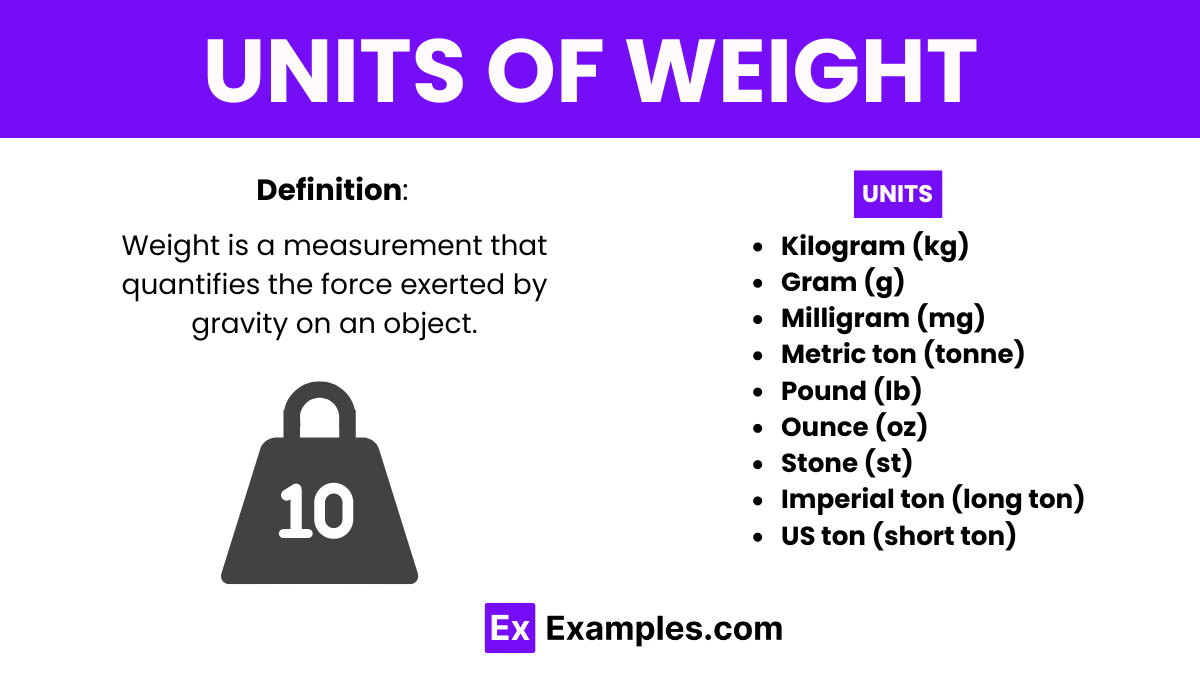
The simple answer, often surprising to those accustomed to using kilograms or pounds in everyday contexts, is the Newton (N). Weight, in the scientific and engineering sense, is not a measure of an object’s intrinsic “heaviness,” but rather the force exerted on an object due to gravity. The International System of Units (SI) provides a coherent framework for measurement, ensuring that engineers, scientists, and developers worldwide can communicate and collaborate without ambiguity. Understanding the Newton and its implications is paramount for anyone operating within the vast and complex landscape of modern technology.
The Fundamental Distinction: Mass vs. Weight in the Digital Age
The confusion between mass and weight is pervasive, stemming from their colloquial interchangeable use. However, for technology, engineering, and data science, this distinction is not semantic but critical, shaping design choices, computational models, and operational safety.
Defining Mass: The Inherent Property
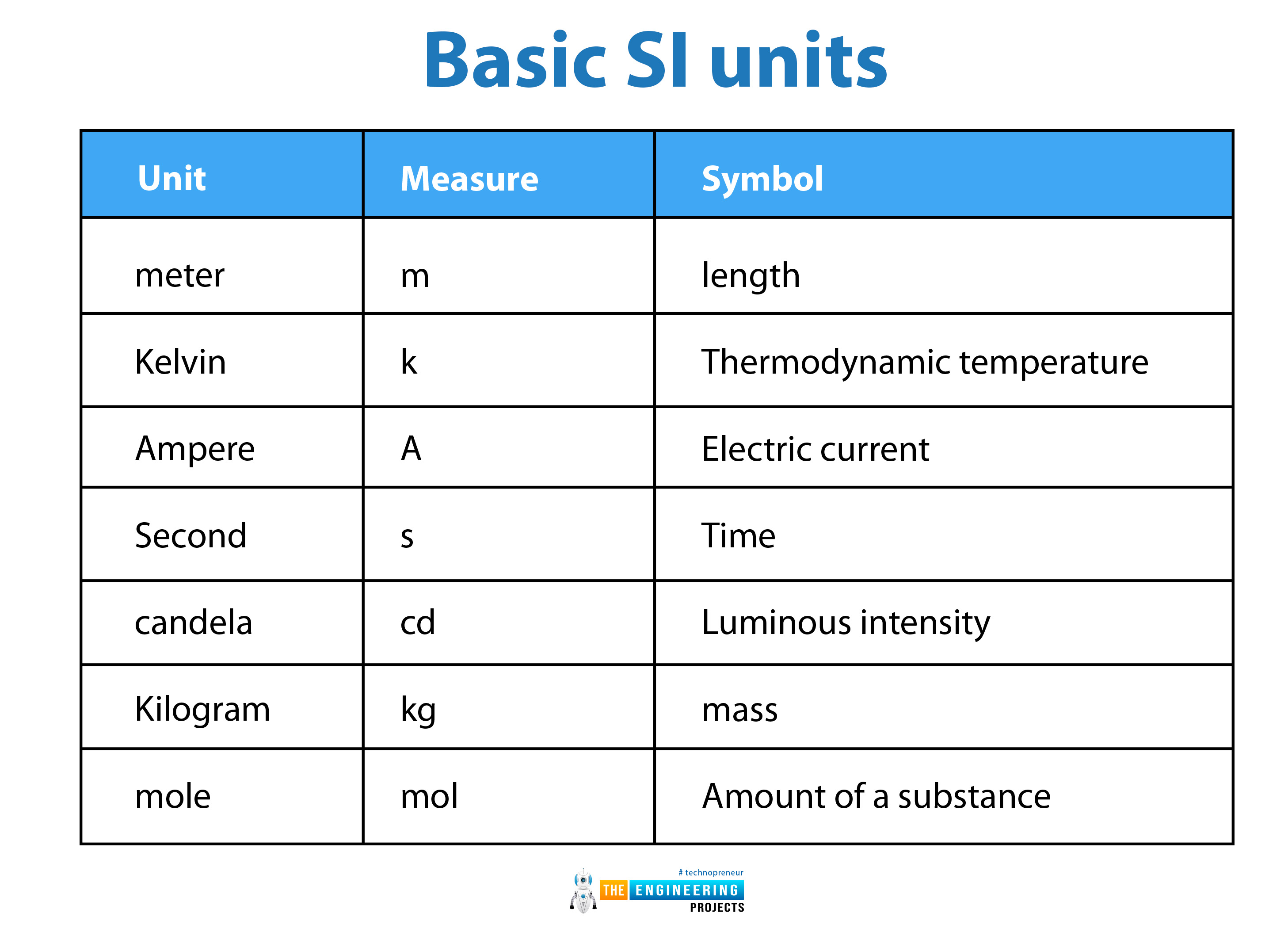
Mass is an intrinsic property of matter, a measure of an object’s inertia—its resistance to acceleration. It quantifies the amount of “stuff” an object contains. The SI unit for mass is the kilogram (kg). In the digital age, understanding mass is vital across numerous technological domains:
- Material Science and Component Selection: Engineers meticulously calculate the mass of components in everything from microprocessors to drone frames. The mass of a material dictates its density, strength-to-weight ratio, and thermal properties, all crucial inputs for product design software (CAD/CAE) and simulations. For instance, selecting lightweight yet strong alloys for aerospace components directly impacts fuel efficiency and payload capacity.
- Digital Representations and Simulations: In virtual prototyping, finite element analysis (FEA), and computational fluid dynamics (CFD), the accurate input of component mass is fundamental. These digital tools simulate real-world conditions, predicting how a design will behave under stress, vibration, or impact, long before a physical prototype is ever built. Errors in mass input can lead to catastrophic design flaws or inefficient systems.
- Load Bearing and Structural Integrity: Whether designing a robotic arm to lift specific objects or an autonomous vehicle chassis, understanding the mass of the vehicle and its potential payload is essential for calculating structural loads and ensuring stability and longevity.
Defining Weight: The Gravitational Force
Weight, unlike mass, is a force. It is the product of an object’s mass and the acceleration due to gravity (W = m * g). Since gravity varies with location (e.g., Earth vs. Moon, or even different altitudes on Earth), an object’s weight is not constant. This variability is precisely why the SI unit for weight is a unit of force: the Newton.
- Aerospace Engineering: For satellites, rockets, and aircraft, precise weight calculations are paramount. The thrust required for launch, orbital mechanics, and fuel consumption are all directly dependent on the gravitational force acting on the craft. Engineers must account for the changing ‘g’ value as a spacecraft moves away from Earth.
- Robotics and Automation: The design of robotic grippers, manipulators, and automated assembly lines relies heavily on understanding weight. A robot must be engineered to exert sufficient force to lift and move objects of a certain mass under Earth’s gravity, requiring precise knowledge of the Newton. Over-engineering leads to inefficiency, while under-engineering leads to failure.
- Logistics and Supply Chain Automation: Automated warehouses use complex systems of conveyor belts, robotic forklifts, and sorting machines. Accurate weight data, measured in Newtons (or converted from mass using local gravity), ensures that these systems operate within their load capacities, preventing breakdowns, optimizing energy use, and maintaining the integrity of transported goods.
The Newton: A Cornerstone of Engineering and Smart Systems
The Newton, named after Sir Isaac Newton, is defined as the force required to accelerate a mass of one kilogram at a rate of one meter per second squared (1 N = 1 kg·m/s²). This seemingly abstract definition is, in fact, the bedrock upon which much of our modern technological infrastructure is built.
Understanding the Newton’s Derivation
The elegance of Newton’s second law (F=ma) is its universality. It establishes a direct relationship between force, mass, and acceleration, a trinity that is continuously measured, modeled, and manipulated in technology.
- Force Sensors and Actuators: From industrial load cells to the haptic feedback in your smartphone, force is constantly being sensed and generated. Accelerometers and gyroscopes in smart devices (smartphones, drones, fitness trackers) measure acceleration, which, when combined with the device’s known mass, allows for calculation of forces acting upon it. This data enables features like screen rotation, fall detection, and navigation.
- Predictive Models and Control Systems: In autonomous vehicles, industrial machinery, and complex robotic systems, understanding the forces (Newtons) at play is crucial for control algorithms. For instance, an autonomous drone needs to precisely calculate the lift force (in Newtons) required to counteract its weight and move in a desired direction, adjusting for wind resistance and payload changes. Predictive maintenance systems monitor the forces on components to anticipate wear and prevent failures.
Applications in Product Design and Manufacturing
The Newton is an implicit hero in every product’s journey from concept to consumer.
- Stress Testing and Material Integrity: Engineers subject designs to virtual and physical stress tests to ensure they can withstand expected forces. This involves applying calculated forces (in Newtons) to components to determine their yield strength, fatigue limits, and overall robustness. This is critical for everything from the chassis of an electric vehicle to the casing of a ruggedized industrial tablet.
- Robotics and Automation Precision: Robotic arms are designed with specific payload capacities, expressed in kilograms of mass which translates to the maximum Newtons of force they can exert or withstand. The accuracy of their movements, especially in delicate assembly tasks, depends on their ability to apply and resist precise forces. Pick-and-place robots, for example, must exert just enough force to secure an object without damaging it.
- Precision Manufacturing: The forces involved in cutting, shaping, and joining materials (e.g., in additive manufacturing or CNC machining) are meticulously controlled. Understanding these forces in Newtons allows for the optimization of toolpaths, feed rates, and material handling, ensuring high-quality, consistent output.
Weight Measurement Technologies in Modern Tech
The theoretical understanding of the Newton finds its practical application in a sophisticated array of sensors and measurement technologies that translate physical forces into digital data.
Strain Gauges and Load Cells: The Digital Translators
At the heart of most weight measurement systems in technology are strain gauges and load cells.
- Functionality: Strain gauges are tiny sensors whose electrical resistance changes when they are stretched or compressed. Load cells are transducers that incorporate strain gauges to convert a force (weight) into an electrical signal. This signal is then amplified, digitized, and processed by microcontrollers or computers.
- Ubiquity in IoT and Industry 4.0: These sensors are ubiquitous:
- Industrial Scales: For weighing raw materials, finished products, and in quality control.
- Smart Home Devices: Smart bathroom scales, smart pet feeders, and even smart laundry machines use load cells to measure weight for various functions.
- IoT Applications: Smart shelves in retail monitor inventory levels by detecting changes in product weight. Smart waste bins measure refuse weight to optimize collection routes.
- Automotive Sensors: Load cells in car seats detect occupant weight for airbag deployment calibration. Sensors in vehicle suspension systems measure axle loads.
- Data Acquisition and Processing: The raw electrical signals from these sensors are fed into analog-to-digital converters (ADCs), transforming continuous physical data into discrete digital values. These digital values become the input for software applications, analytics platforms, and control algorithms.
Integrating Weight Data into AI and IoT Ecosystems
The real power of weight measurement in modern tech emerges when this data is integrated into larger AI and IoT frameworks, transforming raw readings into actionable intelligence.
- Predictive Maintenance: By continuously monitoring the weight (load) on critical machinery components—such as bearings, axles, or structural supports—AI algorithms can detect anomalies or trends indicating impending failure. This enables proactive maintenance, reducing downtime and operational costs.
- Inventory Management and Logistics Optimization: IoT-enabled smart shelves automatically update inventory counts based on product weight. Drones designed for delivery can dynamically adjust their flight parameters based on payload weight. Logistics companies use real-time weight data from trucks and packages to optimize routing, load distribution, and fuel efficiency.
- Wearable Technology and Health Monitoring: Advanced wearables can measure forces exerted by the body during exercise, aiding in posture correction, gait analysis, and rehabilitation. Smart beds can monitor a user’s weight distribution, contributing to sleep analysis and health insights.
- Smart Agriculture: Precision agriculture leverages weight sensors to monitor livestock growth, optimize feed distribution, and even assess the ripeness of crops by their weight before automated harvesting.
The Global Impact of Standardized Units in Tech Innovation
The adoption of the Newton as the SI unit for weight, and the broader adherence to SI units, is not merely a matter of academic rigor; it is a fundamental requirement for global technological advancement and collaboration.
Ensuring Interoperability and Global Collaboration
In a world where product development, manufacturing, and deployment are often multinational endeavors, standardized units are the universal language.
- International Supply Chains: Components sourced from one country, assembled in another, and sold globally depend entirely on consistent measurement standards. A part designed to withstand a certain force (in Newtons) in one location must behave identically when integrated elsewhere. Discrepancies can lead to catastrophic failures, project delays, and significant financial losses.
- Cross-Border R&D: Research and development teams collaborating across different continents rely on SI units to share data, interpret results, and replicate experiments accurately. This is particularly true in fields like aerospace, biomedical engineering, and advanced materials science, where precision is non-negotiable.
- Harmonizing Data Exchange: As the volume of data generated by IoT devices explodes, the consistent use of SI units ensures that data from disparate sources can be aggregated, analyzed, and used effectively by AI algorithms without requiring complex conversions that introduce potential errors. This is crucial for building robust digital twins and comprehensive smart city infrastructures.
Driving Precision and Safety in Critical Systems
In domains where human lives, significant investments, or national security are at stake, the precise application of SI units, including the Newton for weight, is paramount for safety and reliability.
- Aerospace Safety: Every calculation in aerospace, from the structural integrity of a wing to the amount of thrust required to put a satellite into orbit, hinges on precise force and mass measurements. Errors in weight calculations (or mass-to-force conversions) have historically led to severe accidents.
- Medical Devices: The precise dosage of medication, the calibration of surgical instruments, and the functionality of patient monitoring equipment often rely on accurate force measurements. For example, infusion pumps deliver fluids based on pressure (force per area), and prosthetic limbs are designed to withstand specific forces.
- Infrastructure Monitoring: Smart infrastructure, such as bridges equipped with sensors, continuously monitors load-bearing forces (weight) to detect structural fatigue or damage. AI models analyze this data to predict maintenance needs and prevent catastrophic failures, safeguarding public safety.
- AI Models and Robotics in Hazardous Environments: In applications like remote exploration, disaster response, or nuclear facility maintenance, robots must perform tasks with extreme precision, often involving manipulating objects or interacting with forces. The underlying AI and control systems are trained on, and execute based on, physical data that adheres to SI unit standards, ensuring reliable operation in high-stakes scenarios.
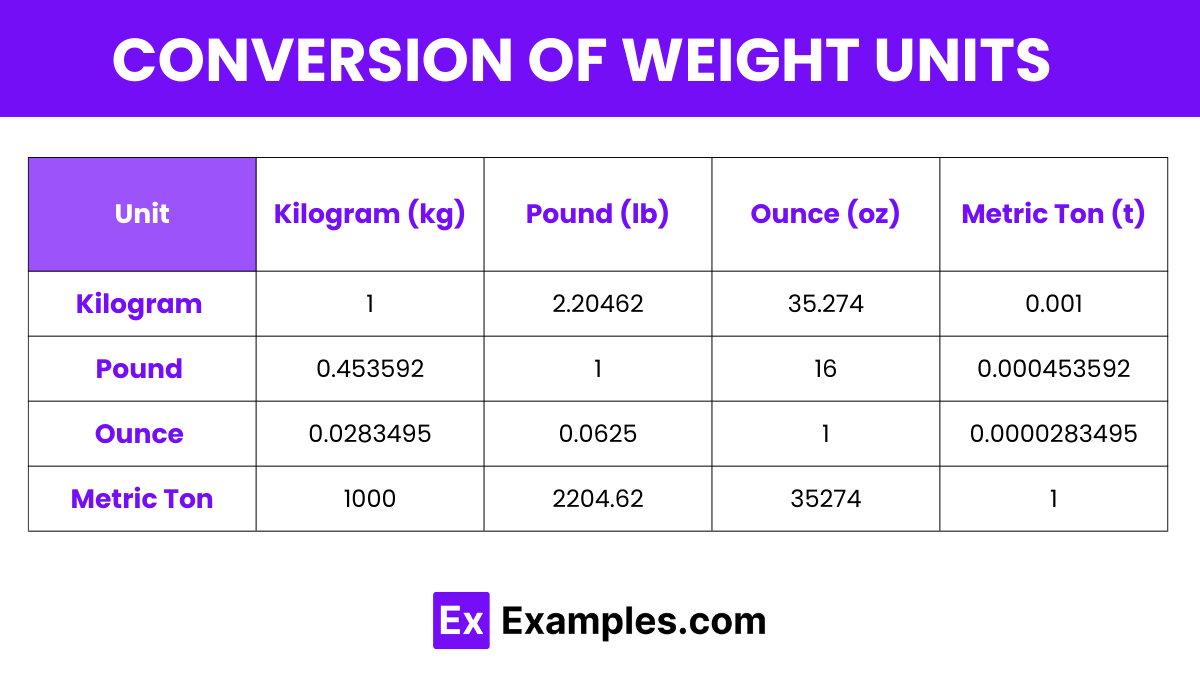
In conclusion, while “kilogram” might be the unit we commonly associate with “how heavy” something is, the true SI unit for weight is the Newton. This distinction is far more than a technicality; it’s a critical concept that underpins the accuracy, safety, and functionality of virtually every technological system and product we interact with today. From the design of micro-gadgets to the operation of global logistics networks and the sophistication of AI, a clear understanding of mass, weight, and their respective SI units is essential for innovation and progress in our increasingly tech-driven world. For engineers, developers, and technologists, the Newton isn’t just a unit; it’s a foundational principle that enables them to build the future with precision and confidence.
aViewFromTheCave is a participant in the Amazon Services LLC Associates Program, an affiliate advertising program designed to provide a means for sites to earn advertising fees by advertising and linking to Amazon.com. Amazon, the Amazon logo, AmazonSupply, and the AmazonSupply logo are trademarks of Amazon.com, Inc. or its affiliates. As an Amazon Associate we earn affiliate commissions from qualifying purchases.