
“Bates Motel” isn’t merely a television show; it’s a profound exercise in brand revitalization and narrative expansion within the entertainment industry. At its core, it serves as a contemporary prequel to Alfred Hitchcock’s seminal 1960 film Psycho, offering a meticulously crafted origin story for one of cinema’s most infamous villains, Norman Bates, and his equally iconic mother, Norma. From a brand perspective, “Bates Motel” embarked on a challenging yet ultimately successful strategy: to reinterpret a legendary intellectual property, deepen its lore, and establish its own distinct identity while remaining faithful to the chilling essence of the original. It asks: “How did Norman Bates become Norman Bates?” and answers with a brand narrative steeped in psychological drama, familial trauma, and the insidious decay of a mother-son bond.
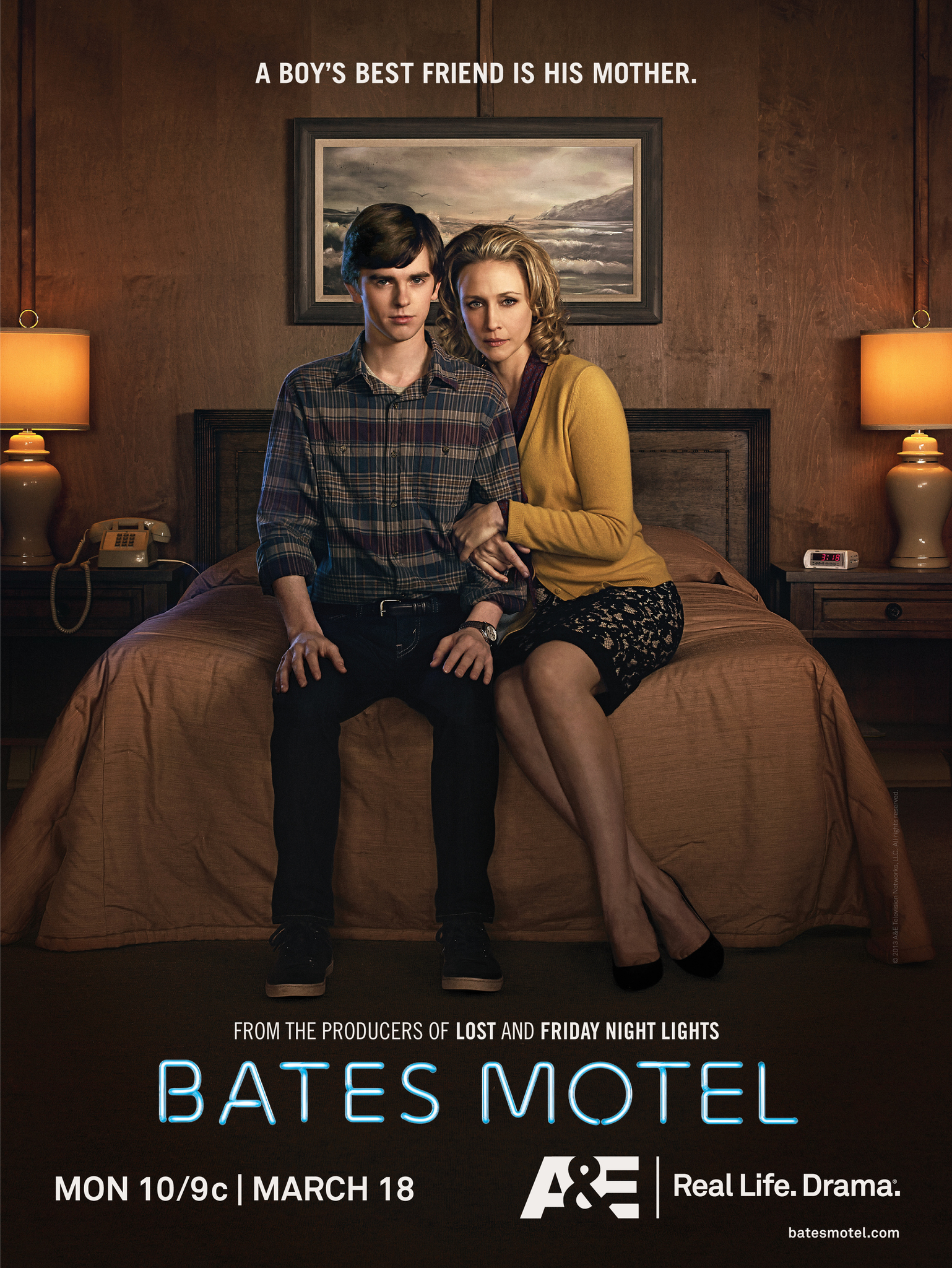
The show, which aired on A&E from 2013 to 2017, spans five seasons, inviting viewers into the lives of Norma and Norman Bates before the events of Psycho. It begins shortly after the mysterious death of Norma’s husband, prompting her and her teenage son, Norman, to relocate to the picturesque coastal town of White Pine Bay, Oregon, where they purchase a rundown motel and an imposing, gothic house. This fresh start, however, quickly unravels into a spiral of darkness, secrets, and psychological torment, revealing the intricate web of circumstances that forge a killer. The genius of “Bates Motel” lies in its ability to humanize these characters, making their descent into madness both empathetic and terrifying, thereby constructing a compelling narrative brand that resonates deeply with audiences.
Crafting a Brand Identity: The Genesis of Norman Bates
The development of “Bates Motel” represented a significant brand strategy: to delve into the untold backstory of a universally recognized villain. This wasn’t just about filling in gaps; it was about building a rich, emotional foundation that would explain the “why” behind Norman’s eventual psychosis, thereby offering a fresh perspective on a classic narrative.
The Prequel Strategy: Revisiting an Iconic Brand
Creating a prequel to a film as revered and culturally ingrained as Psycho is a high-stakes endeavor. The brand legacy is immense, and fan expectations are equally significant. “Bates Motel” embraced this challenge by positioning itself as an essential, rather than superfluous, extension of the Psycho brand. Its strategy was not to merely echo the original, but to enrich it by exploring the formative years of its central figures. This involved a delicate balance: honoring the sinister undertones of Hitchcock’s masterpiece while simultaneously establishing a new narrative voice and identity for the show.
The show’s creators understood that a successful brand extension must offer something new and compelling. For “Bates Motel,” this was the opportunity to humanize the monstrous. By meticulously depicting Norman’s childhood and adolescence, coupled with Norma’s own traumatic past and complex personality, the show crafted a narrative that made his transformation plausible and tragic. This approach deepened the Psycho brand by adding layers of psychological depth and emotional context that were only hinted at in the original film, appealing to both existing fans and new viewers curious about the origins of evil. It transformed a static, albeit iconic, villain into a dynamic character whose evolution could be traced and understood.
Narrative Pillars: Mother-Son Dynamics as the Core Brand Promise
At the very heart of the “Bates Motel” brand narrative is the intensely co-dependent and ultimately destructive relationship between Norma and Norman Bates. This toxic symbiosis is not just a plot device; it is the show’s unique selling proposition, its central “brand promise.” Unlike many horror prequels that might focus on gore or jump scares, “Bates Motel” anchors itself in the psychological intricacies of this familial bond. Viewers are drawn into the suffocating affection, the manipulative tendencies, and the profound, albeit twisted, love that binds Norma and Norman.
Vera Farmiga as Norma and Freddie Highmore as Norman deliver performances that are central to this brand promise. Their chemistry defines the show’s tone, oscillating between genuine warmth and terrifying instability. The narrative carefully explores how Norma, despite her best intentions and fierce protective instincts, inadvertently fosters Norman’s burgeoning mental illness through her overbearing nature, her inability to let him go, and her own unresolved traumas. This constant tension – the desire for a normal life versus the inescapable pull of their dysfunctional connection – becomes the engine of the show, defining its emotional landscape and setting it apart as a psychological drama first, and a horror series second. This focus on character-driven psychological unraveling is what truly cemented the “Bates Motel” brand identity.
The Brand’s World-Building: Ambience and Setting
Beyond its character dynamics, “Bates Motel” masterfully utilized its setting and aesthetic to reinforce its unique brand identity, blending the iconic with the contemporary to create a distinctive atmosphere.
The Iconic Motel and House: A Branded Visual Identity
The Bates Motel and the looming Victorian house on the hill are perhaps the most recognizable visual brand elements associated with Psycho. “Bates Motel” meticulously re-introduces these landmarks, not merely as backdrops but as active characters in the unfolding drama. The show’s decision to render them in a contemporary setting, yet retain their classic architectural and stylistic integrity, creates a powerful sense of timeless dread. The motel, initially envisioned by Norma as a symbol of their fresh start, gradually transforms into a cage, a place where their secrets fester and their fragile reality disintegrates. The house, dark and oppressive, becomes a physical manifestation of Norma’s inner turmoil and Norman’s accelerating descent into madness.
These locations function as more than just sets; they are psychological spaces that embody the show’s brand message of impending doom and inescapable fate. The contrast between the mundane, sun-drenched facade of coastal Oregon and the gothic shadows of the Bates property visually encapsulates the show’s core conflict: the struggle to maintain normalcy against the backdrop of burgeoning psychosis. This visual branding is crucial; it immediately cues the audience to the show’s lineage while establishing its own modern gothic aesthetic.
Modern Gothic: Blending Eras and Genres for a Unique Brand Flavor
One of the most audacious, and ultimately successful, brand decisions for “Bates Motel” was setting the prequel in a contemporary era rather than the 1950s or 60s. This choice to blend a classic narrative with modern technology (smartphones, the internet) and societal norms gave the show a unique “flavor.” It allowed the series to explore themes relevant to today’s audience, such as cyberbullying, drug trafficking, and local political corruption, injecting fresh narrative veins into the Psycho universe.

This “modern gothic” approach served several strategic purposes. Firstly, it broadened the show’s appeal beyond classic film aficionados, attracting a new generation of viewers. Secondly, it emphasized the timeless nature of the psychological issues at play, suggesting that the themes of trauma, mental illness, and dysfunctional family dynamics are universal and not confined to a specific historical period. This blend of eras created a compelling brand identity that felt both familiar and refreshingly new, proving that intellectual property can be successfully updated without sacrificing its core essence. It reinforced the idea that evil, and its origins, can manifest in any time or place.
Character Development as Brand Storytelling
The narrative brand of “Bates Motel” is profoundly shaped by its masterful character development, particularly the nuanced portrayals of Norma and Norman, transforming them from iconic figures into deeply complex individuals whose tragic fates are earned through meticulous storytelling.
Norma Bates: The Unsung Heroine of a Tragic Brand Narrative
Norma Bates, as portrayed by Vera Farmiga, is the emotional linchpin and, arguably, the true tragic heroine of the series. Her character development is central to the show’s brand narrative, which aims to explain Norman’s psychosis. Norma is not merely the overbearing mother from Psycho; she is a multifaceted woman burdened by a history of abuse, betrayal, and relentless misfortune. Her fierce protectiveness of Norman, while ultimately destructive, stems from a place of profound love and a desperate desire to shield him from the cruelties she has faced.
The show meticulously builds Norma’s backstory, allowing viewers to understand her desperation, her neuroses, and her fierce resilience. Her journey is one of constant struggle – against poverty, against her own demons, and ultimately, against the burgeoning darkness within her son. By making Norma so sympathetic, “Bates Motel” creates a profound sense of empathy in the audience, turning her impending demise (known from Psycho) into a truly heartbreaking event. This focus on Norma’s internal world is a critical element of the show’s brand strategy, giving depth to a character previously seen primarily through the lens of her son’s madness. It transforms her from a background figure into a compelling protagonist whose flawed humanity drives much of the narrative.
Norman Bates: The Evolution of a Branded Villain
Freddie Highmore’s portrayal of Norman Bates is a tour de force of brand storytelling, charting the gradual, horrifying evolution of an awkward, gentle teenager into a homicidal maniac. The show’s brand promise is to illuminate this transformation, and Highmore delivers with chilling precision. Early seasons depict Norman as sweet, shy, and highly impressionable, often a victim of circumstances orchestrated by his mother or the nefarious elements of White Pine Bay. This initial innocence makes his eventual descent all the more tragic and disturbing.
As the series progresses, viewers witness Norman’s subtle shifts into dissociative states, his blackouts, and the gradual emergence of his “Mother” personality. The show skillfully portrays the psychological toll of his illness, presenting it not as a sudden switch, but as a slow, agonizing process. By the final season, Norman has fully embraced the “Mother” persona, making his actions in Psycho not just horrific, but deeply earned through the narrative arc. This careful deconstruction of a branded villain allows the audience to not only understand his madness but to tragically empathize with the boy he once was. It’s a masterclass in how to develop a character towards a known fate, yet make every step of that journey compelling and unpredictable.
Market Positioning and Legacy: Bates Motel as a Brand Case Study
“Bates Motel” carved out a significant place in the television landscape, not just as a prequel, but as a compelling drama in its own right, demonstrating successful brand positioning and a lasting legacy.
Engaging the Audience: Building Brand Loyalty through Suspense and Empathy
The genius of “Bates Motel” lies in its ability to engage its audience on multiple levels. Despite knowing the ultimate fate of Norman and Norma, viewers were compelled to watch, not for what would happen, but how it would happen. The show expertly balanced the suspense of its psychological horror elements with profound emotional depth, fostering a unique brand of loyalty. Audiences rooted for Norma to escape her fate, hoped for Norman to find help, and grieved for the potential for normalcy that constantly eluded them.
This emotional investment was cultivated through stellar writing and powerful performances, transforming the viewing experience from passive consumption to active engagement. The series effectively utilized serialized storytelling to deepen character arcs and build complex subplots involving the town’s secrets, drug trade, and corruption, broadening its appeal beyond just fans of Psycho. This multi-layered approach to narrative allowed “Bates Motel” to position itself as a premium cable drama capable of delivering both thrilling suspense and heartfelt tragedy, thus securing its market position.

The Brand’s Impact: A Successful Reinterpretation of a Classic IP
“Bates Motel” stands as a prime example of a successful reinterpretation and expansion of a classic intellectual property. It proved that a prequel, when executed with creative vision and a deep understanding of its source material, can not only honor its origins but also forge a powerful new identity. The show garnered critical acclaim for its writing, direction, and particularly for the performances of Farmiga and Highmore, earning numerous award nominations and solidifying its place in the pantheon of modern television dramas.
Its legacy is one of demonstrating the power of narrative brand strategy in the entertainment industry. “Bates Motel” didn’t just capitalize on the Psycho name; it meticulously built upon it, crafting a compelling, standalone brand that added significant emotional and psychological depth to a horror icon. It showed that by focusing on character development, nuanced storytelling, and a clear brand vision, a familiar story could be made fresh, relevant, and profoundly impactful for a contemporary audience. It enriched the Psycho universe by providing a tragic, humanizing lens through which to view its most chilling figures, leaving a lasting impression on its viewers.
In conclusion, “Bates Motel” is far more than just a television show about a murderous innkeeper; it’s a meticulously crafted narrative brand that deconstructs the origins of a cinematic legend. By focusing on the intricate psychological drama between Norma and Norman Bates, it built a compelling brand identity rooted in empathetic terror and tragic inevitability. The show successfully navigated the challenges of a prequel, utilizing a “modern gothic” aesthetic, profound character development, and a deeply engaging narrative to not only honor Psycho‘s legacy but to expand upon it, leaving its own indelible mark on the landscape of popular culture. It’s a testament to the power of robust brand storytelling in transforming an iconic premise into a rich, unforgettable experience.
aViewFromTheCave is a participant in the Amazon Services LLC Associates Program, an affiliate advertising program designed to provide a means for sites to earn advertising fees by advertising and linking to Amazon.com. Amazon, the Amazon logo, AmazonSupply, and the AmazonSupply logo are trademarks of Amazon.com, Inc. or its affiliates. As an Amazon Associate we earn affiliate commissions from qualifying purchases.