
The War Powers Resolution of 1973 stands as a landmark piece of American legislation, born from a period of intense public debate over presidential authority in military engagements following the Vietnam War. While its core intent is often framed in terms of constitutional checks and balances on war-making power, an equally crucial, though often understated, purpose of the resolution lies in its profound financial implications. From a “Money” perspective, the War Powers Resolution serves as a critical mechanism for ensuring fiscal prudence, preventing unbudgeted military expenditures, and upholding Congress’s constitutional “power of the purse” in matters of national defense and foreign policy. It is a legislative attempt to ensure that the enormous economic costs associated with military interventions are borne out of deliberate, collegial decision-making, rather than unilateral executive action, thereby safeguarding the nation’s financial health and strategic resource allocation.
A Financial Check on Executive Military Authority
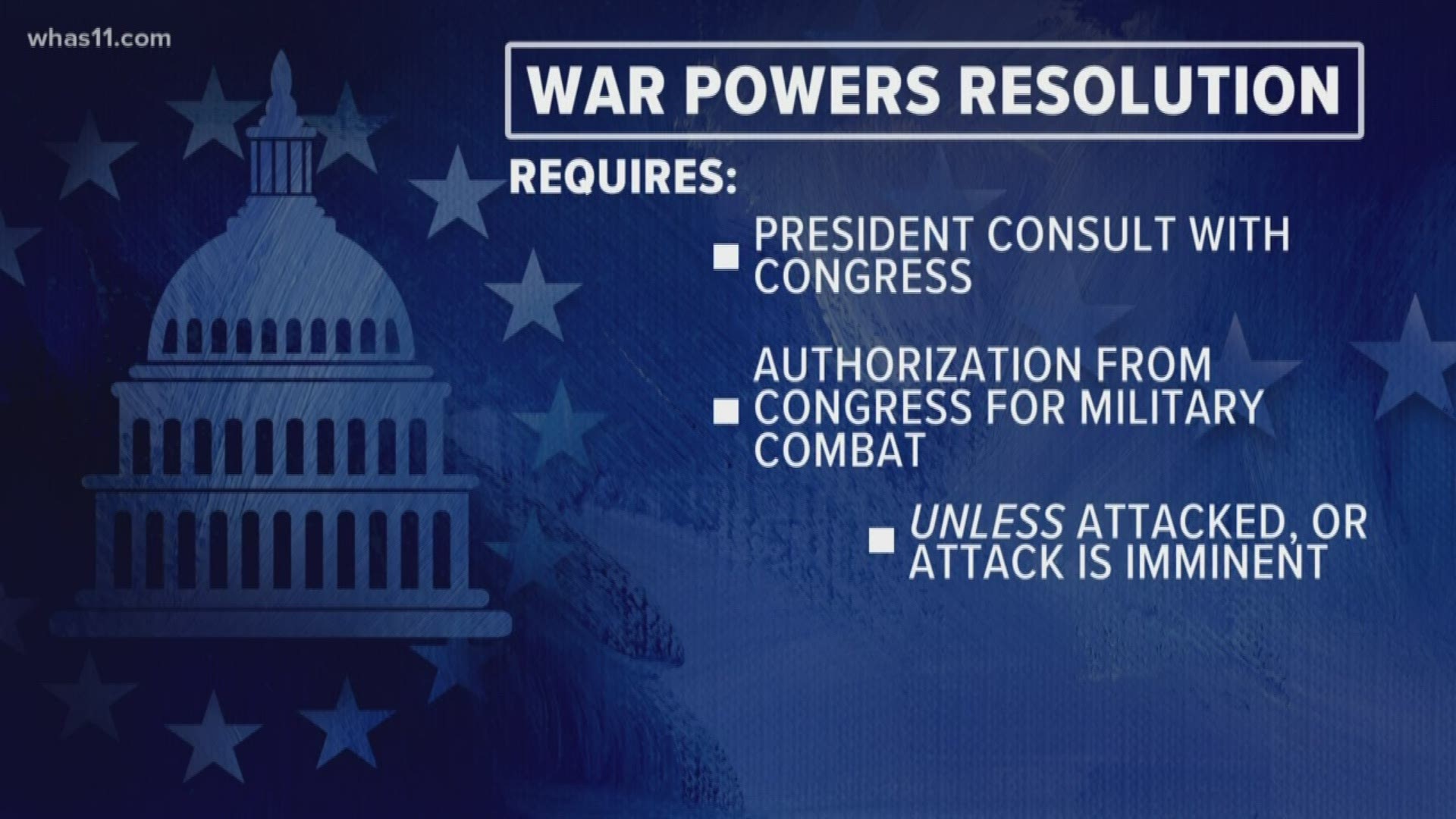
At its heart, the War Powers Resolution (WPR) is a response to the inherent financial burden of military conflict. Undeclared wars, prolonged military engagements, and extensive troop deployments abroad carry astronomical costs that can significantly impact national budgets, divert resources from domestic priorities, and incur substantial national debt. The WPR, therefore, was designed to act as a crucial financial check on the executive branch’s ability to unilaterally commit the nation to potentially costly military actions. By requiring presidential consultation with Congress before introducing U.S. armed forces into hostilities or situations where hostilities are imminent, and setting a 60-day limit (with a possible 30-day extension for withdrawal) for such deployments without congressional authorization, the resolution indirectly imposes fiscal discipline.
Curtailing Unbudgeted Military Engagements
One of the most immediate financial purposes of the WPR is to prevent the executive branch from initiating or perpetuating military engagements that have not been adequately budgeted for or explicitly approved by Congress. Historically, presidential actions leading to military involvement have often preceded formal appropriations, leaving Congress to retroactively fund costly operations. The WPR seeks to reverse this dynamic, ensuring that significant military commitments, with their associated financial drain, receive upfront legislative scrutiny and funding authorization. This proactive approach helps to curtail situations where the nation finds itself saddled with burgeoning war debts or unexpected budgetary shortfalls due to executive military decisions. By demanding congressional consent, the resolution forces a public and legislative debate over the financial viability and long-term economic consequences of military action, making it more difficult to embark on open-ended conflicts without clear fiscal planning.
Protecting National Resources from Prolonged Conflicts
Prolonged military conflicts are notorious for their compounding costs, not just in terms of direct military spending but also in veteran care, reconstruction efforts, and the opportunity costs of diverted national resources. The WPR’s time limits on military deployments without congressional authorization are fundamentally a safeguard against these escalating financial burdens. By establishing a clear timeline for executive action, the resolution compels a review of military engagements and their financial trajectory. If Congress does not authorize continued involvement within the specified period, forces must be withdrawn, thereby limiting the potential for indefinite, financially draining conflicts. This mechanism aims to protect the nation’s broader economic health by preventing the indefinite drain on resources that protracted military involvements inevitably entail, allowing funds to be directed towards other pressing national needs or deficit reduction.
Congress’s Power of the Purse: The Economic Lever
The U.S. Constitution grants Congress the exclusive power to declare war and to “raise and support armies” and “provide and maintain a navy,” alongside its fundamental authority “to lay and collect Taxes…to pay the Debts and provide for the common Defence and general Welfare of the United States.” This “power of the purse” is Congress’s most potent economic lever, and the War Powers Resolution explicitly reinforces it by tying military action directly to congressional funding approval. From a financial perspective, the WPR is a legislative declaration that the power to commit the nation’s economic resources to war resides with the legislative body elected to represent the taxpayers.
Funding Wars: The Constitutional Mandate
The founders recognized that control over taxation and spending was paramount to controlling the government’s actions, particularly its ability to wage war. The WPR reaffirms this constitutional principle by demanding that any military engagement beyond a limited, short-term deployment must be explicitly funded and authorized by Congress. This isn’t merely a procedural hurdle; it’s a critical financial one. It ensures that the costs of war, from troop pay and equipment to logistical support and intelligence operations, are not unilaterally committed by the executive without the consent of those responsible for raising the revenue. The WPR insists that the “who pays” question is addressed by the same body that decides the “whether to go to war” question, thereby aligning constitutional authority with financial responsibility.
Accountability for Defense Spending
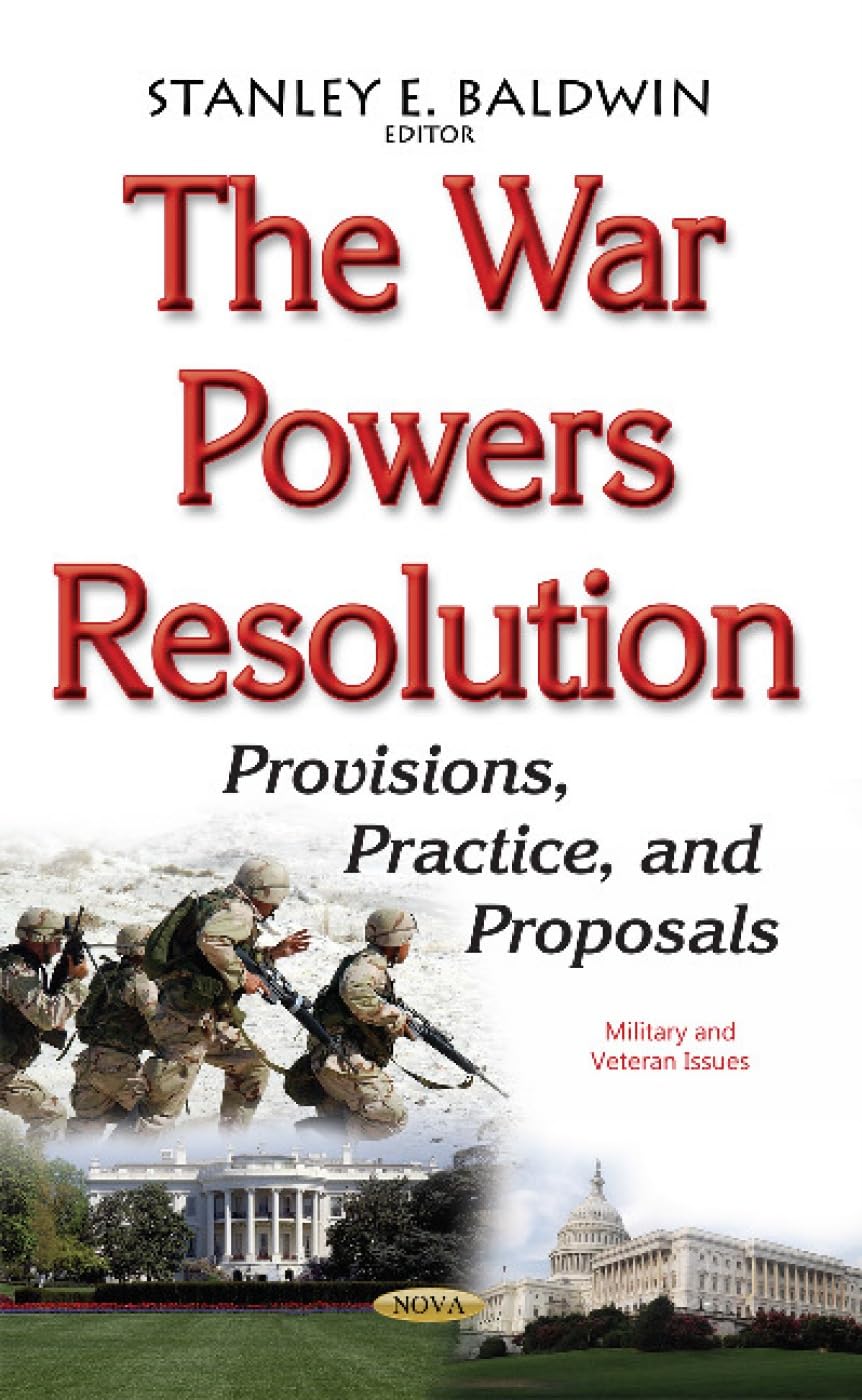
The resolution also enhances financial accountability within the vast realm of defense spending. When military actions are undertaken with explicit congressional approval under the WPR framework, there is a clearer line of accountability for the associated expenditures. Congress, having authorized the action, is then directly responsible for scrutinizing the funding requests and ensuring that taxpayer dollars are spent efficiently and effectively. Without such authorization, the executive branch could potentially incur significant costs without the same level of direct congressional oversight or accountability for the financial outcomes. This mechanism helps to foster greater transparency in defense spending, allowing for more rigorous auditing and review of military budgets and expenditures in the context of specific, authorized operations.
Economic Stability and Foreign Policy Decisions
Beyond direct military costs, foreign policy decisions, especially those involving the use of force, can have profound impacts on a nation’s economic stability. Global markets react to geopolitical tensions, energy prices can fluctuate wildly, and trade relationships can be disrupted. The War Powers Resolution, by compelling a more deliberate and collegial approach to military intervention, aims to integrate these broader economic considerations into foreign policy decision-making, rather than relegating them to an afterthought.
The Cost of Intervention: A Deliberate Assessment
The WPR’s consultation and authorization requirements implicitly demand a deliberate assessment of the full “cost of intervention,” extending beyond immediate military outlays to encompass wider economic repercussions. Before authorizing prolonged military action, Congress must consider its potential impact on national debt, inflation, economic growth, and even the stability of international markets. This deliberative process ensures that decisions to use military force are not made in an economic vacuum, but rather with a comprehensive understanding of their financial footprint. It compels policymakers to weigh the strategic benefits against the economic liabilities, fostering a more fiscally responsible foreign policy.
Balancing National Security with Fiscal Prudence
A critical purpose of the WPR from a “Money” perspective is to strike a better balance between perceived national security imperatives and fiscal prudence. The resolution serves as a reminder that even the most vital security interests must be pursued within the constraints of the nation’s economic capacity. Unchecked military spending or indefinite engagements can undermine the very economic strength that underpins national security. By requiring congressional consent, the WPR forces a collective evaluation of whether military actions are not only strategically sound but also financially sustainable, preventing scenarios where an overstretched military budget compromises other vital economic sectors or leads to unsustainable levels of national debt.
The Resolution’s Enduring Financial Relevance
Decades after its enactment, the War Powers Resolution remains critically relevant in an era of complex global threats and high defense budgets. Its principles continue to underscore the importance of integrating financial foresight into every decision concerning the deployment of U.S. military power.
Modern Conflicts and Their Economic Footprint
Modern conflicts, often characterized by asymmetric warfare, technological advancements, and prolonged stabilization efforts, carry an unprecedented economic footprint. The costs of maintaining highly advanced military technology, supporting sophisticated intelligence operations, and engaging in nation-building or counter-terrorism efforts are immense. The WPR’s framework for congressional oversight becomes even more vital in this context, ensuring that these increasingly complex and expensive operations are subject to rigorous financial scrutiny and authorized funding, rather than being managed through executive discretion alone.
Legislative Oversight in an Era of High Defense Budgets
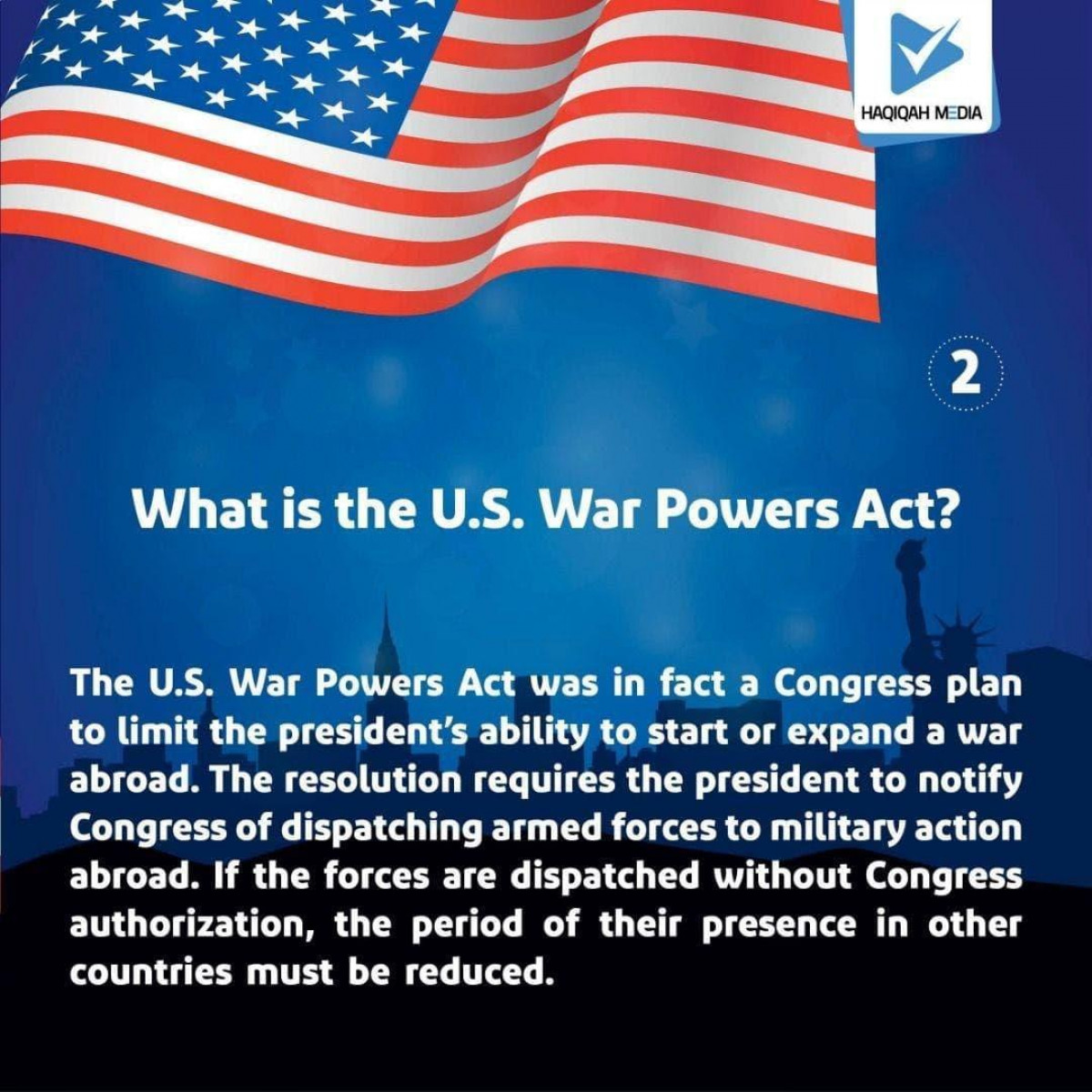
In an era where the United States maintains the largest defense budget in the world, the need for robust legislative oversight of military spending is paramount. The War Powers Resolution provides a mechanism for this oversight, connecting the funding of military operations directly to the legislative process for their authorization. It reinforces Congress’s role not just as a dispenser of funds but as an active participant in setting the financial parameters and assessing the economic viability of the nation’s military engagements. Ultimately, the purpose of the War Powers Resolution, from a financial standpoint, is to ensure that the monumental economic cost of war is a collective decision, borne out of careful deliberation, fiscal responsibility, and the explicit consent of the American people’s elected representatives.
aViewFromTheCave is a participant in the Amazon Services LLC Associates Program, an affiliate advertising program designed to provide a means for sites to earn advertising fees by advertising and linking to Amazon.com. Amazon, the Amazon logo, AmazonSupply, and the AmazonSupply logo are trademarks of Amazon.com, Inc. or its affiliates. As an Amazon Associate we earn affiliate commissions from qualifying purchases.