
The question “How much does Bitcoin cost?” is one of the most frequently searched queries in the world of modern finance. To the uninitiated, the answer seems simple—a quick glance at a financial ticker or a cryptocurrency exchange provides a real-time dollar figure. However, for the seasoned investor and the financially literate, the “cost” of Bitcoin is a multi-faceted concept that encompasses market price, intrinsic value, acquisition fees, and the opportunity costs associated with volatility.
As Bitcoin matures from a niche digital experiment into a mainstream institutional asset class, understanding its price dynamics is essential for anyone looking to navigate the contemporary financial landscape. This article explores the mechanics of Bitcoin pricing, the external factors that influence its valuation, and the practical costs of ownership.
The Mechanics of Bitcoin Pricing: Supply, Demand, and Market Dynamics
At its core, Bitcoin operates on the most fundamental principle of economics: supply and demand. Unlike fiat currencies, which central banks can print in response to economic crises or policy shifts, Bitcoin’s supply is governed by an immutable code. This “programmatic scarcity” is the primary engine behind its long-term price appreciation.
Fixed Supply and the Halving Cycle
There will only ever be 21 million Bitcoins in existence. This hard cap creates a deflationary pressure that contrasts sharply with the inflationary nature of the US Dollar or the Euro. Roughly every four years, an event known as “the halving” occurs, which cuts the reward for mining new blocks in half. This effectively reduces the daily production of new Bitcoin, tightening the supply side of the equation. Historically, these halving events have served as catalysts for significant price rallies, as the market adjusts to a restricted supply meeting consistent or growing demand.
Exchange Liquidity and Global Demand
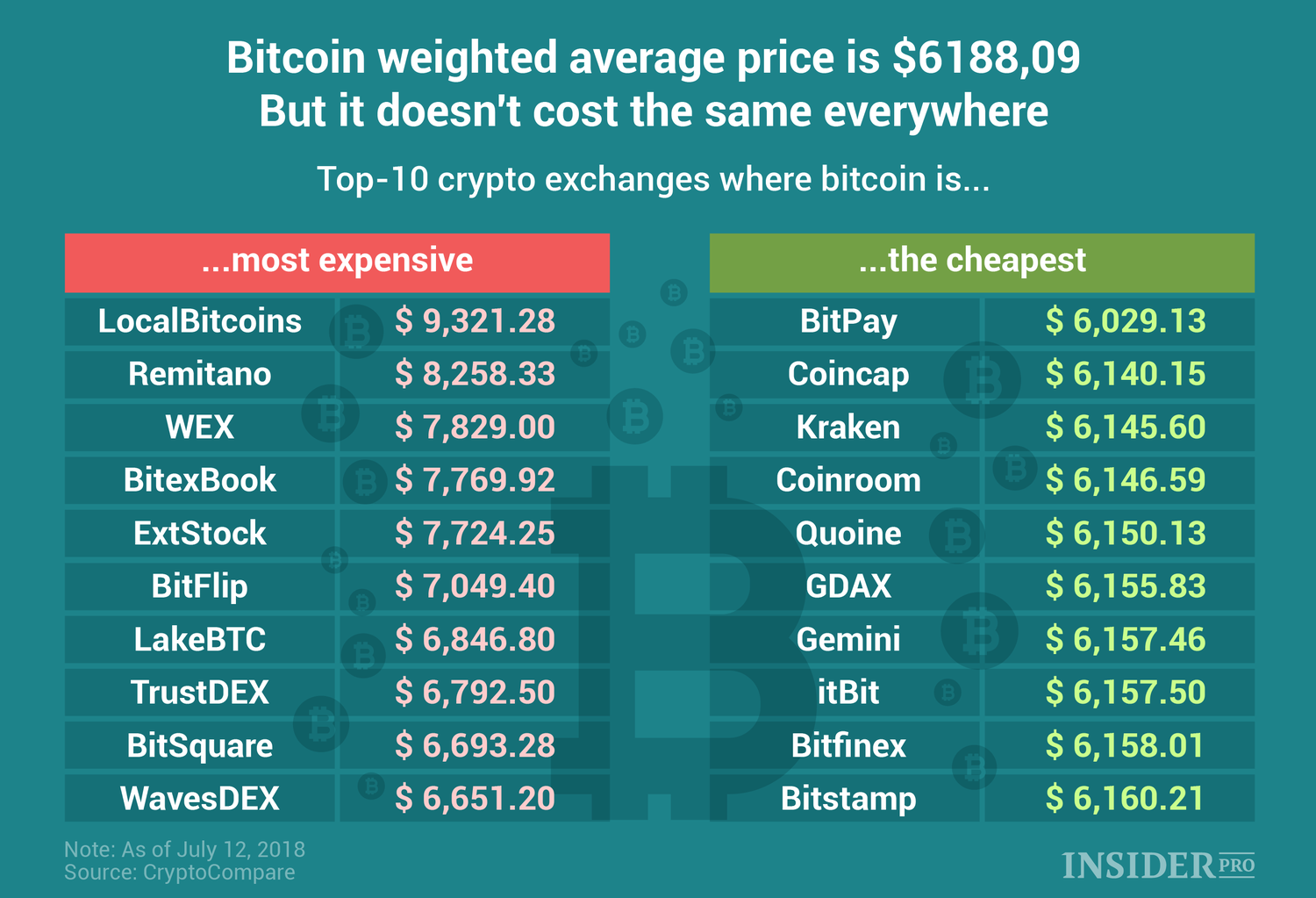
The price you see on an exchange is the “last traded price”—the point at which a buyer and a seller agreed to a transaction. Because Bitcoin is traded 24/7 across hundreds of global exchanges, the price is in a state of constant flux. Liquidity plays a massive role here; in high-liquidity environments, large buy or sell orders can be absorbed with minimal price movement. In periods of low liquidity, even relatively small trades can cause “slippage,” pushing the price significantly higher or lower.
Beyond the Sticker Price: Factors Influencing Bitcoin’s Volatility
While supply is fixed, demand is incredibly volatile. Bitcoin is a “sentiment-driven” asset, meaning its price is heavily influenced by how the public and institutions perceive its future utility and safety. Understanding what drives these shifts is key to understanding why Bitcoin might cost $30,000 one month and $60,000 the next.
Institutional Adoption vs. Retail Speculation
In the early years, Bitcoin’s price was driven primarily by retail “early adopters” and speculators. Today, the landscape has shifted. The entry of institutional giants—such as BlackRock, Fidelity, and MicroStrategy—has fundamentally altered the price floor. The approval of Spot Bitcoin ETFs (Exchange Traded Funds) in the United States marked a turning point, allowing trillions of dollars in traditional brokerage accounts to flow into Bitcoin. Institutional demand is generally more “sticky” than retail demand, providing a level of price support that didn’t exist a decade ago.
Macroeconomic Trends and Inflation Hedging
Bitcoin is increasingly viewed as “Digital Gold.” When inflation rises and the purchasing power of fiat currency declines, investors look for “hard assets” to preserve their wealth. Macroeconomic factors, such as the Federal Reserve’s interest rate decisions and global geopolitical instability, often drive investors toward Bitcoin. When the economy is uncertain, the cost of Bitcoin often rises as it serves as a hedge against the traditional banking system.
Regulatory Landscape and Legal Clarity
The “cost” of Bitcoin is also influenced by the regulatory environment. Positive news, such as a country adopting Bitcoin as legal tender or a clear regulatory framework being passed by a major economy, tends to drive prices up. Conversely, threats of bans, heavy taxation, or crackdowns on exchanges create “FUD” (Fear, Uncertainty, and Doubt), leading to sell-offs. For the investor, the price of Bitcoin is a reflection of the market’s collective confidence in its legal longevity.
The “True” Cost of Ownership: Fees, Storage, and Security
When asking “how much does Bitcoin cost,” one must look beyond the market price. Purchasing, holding, and securing Bitcoin involves several layers of expenses that can eat into your investment returns if not managed properly.
Transaction and Exchange Fees
Buying Bitcoin is rarely free. Centralized exchanges charge a “spread” (the difference between the buy and sell price) or a flat percentage fee per trade. These can range from 0.1% to as high as 5% depending on the platform and the payment method (credit cards usually carry the highest fees). Additionally, if you move your Bitcoin from an exchange to a private wallet, you must pay “network fees.” These fees go to miners who process the transaction on the blockchain. During times of high network congestion, these fees can spike, making small transactions uneconomical.
Custody Solutions: Hot vs. Cold Storage
Security is a hidden cost of Bitcoin ownership. If you keep your Bitcoin on an exchange, you technically do not control the private keys, exposing you to the risk of exchange hacks or bankruptcy. To truly “own” your Bitcoin, you need a hardware wallet (cold storage). While these devices cost between $60 and $200, they are a necessary investment for protecting significant capital. This “one-time cost” is essential for mitigating the “total cost” of potential theft.
Tax Implications of Bitcoin Investing
In most jurisdictions, Bitcoin is treated as property for tax purposes. This means that every time you sell Bitcoin, or even use it to buy a cup of coffee, you may trigger a capital gains tax event. Depending on your income bracket and how long you held the asset (short-term vs. long-term capital gains), the government may take a significant portion of your profits. Factoring in these future tax liabilities is a crucial part of calculating the actual cost and potential net profit of your investment.
Evaluating Bitcoin as a Financial Asset
Because the price of Bitcoin is so dynamic, the “cost” is often a matter of timing. Financial professionals generally advise against trying to “time the market” due to the high risk of volatility. Instead, several strategies are used to manage the financial entry point.
Dollar-Cost Averaging (DCA) Strategies
Dollar-Cost Averaging is the practice of investing a fixed amount of money at regular intervals, regardless of the price. For example, instead of buying $10,000 worth of Bitcoin at once, an investor might buy $200 worth every week. This strategy smoothes out the volatility. When the price is high, you buy less; when the price is low, you buy more. Over time, this usually results in a lower average “cost” per Bitcoin than attempting to guess the bottom of a market cycle.
Risk Management and Portfolio Allocation
From a personal finance perspective, the “cost” of Bitcoin should never exceed what you can afford to lose. Because of its 70-80% drawdowns (historic price drops), financial advisors often suggest a small allocation—typically 1% to 5% of a total investment portfolio. This allows an investor to benefit from Bitcoin’s massive upside potential while ensuring that a price crash doesn’t jeopardize their financial stability or retirement goals.
The Cost of Inaction
Finally, there is the “opportunity cost.” In the world of finance, the cost of not owning an asset that outperforms all others over a decade is a real financial loss. Since its inception, Bitcoin has been one of the best-performing assets in history. While the price may seem “expensive” at $50,000 or $100,000, investors must weigh that against the potential future price if Bitcoin continues to capture the market share of gold or global offshore wealth.
Conclusion
So, how much does Bitcoin cost? The answer is a moving target. It is the real-time reflection of global supply and demand, influenced by institutional adoption, macroeconomic shifts, and regulatory changes. But for the investor, the cost also includes exchange fees, the price of secure storage, and the tax obligations that come with capital gains.
By understanding that Bitcoin is more than just a ticker symbol, investors can approach the market with a professional mindset. Whether through Dollar-Cost Averaging or careful portfolio allocation, managing the cost of Bitcoin requires a long-term perspective and an appreciation for the unique financial properties of this digital gold. As the global financial system continues to evolve, the “cost” of Bitcoin will likely remain one of the most important metrics in the world of modern money.
aViewFromTheCave is a participant in the Amazon Services LLC Associates Program, an affiliate advertising program designed to provide a means for sites to earn advertising fees by advertising and linking to Amazon.com. Amazon, the Amazon logo, AmazonSupply, and the AmazonSupply logo are trademarks of Amazon.com, Inc. or its affiliates. As an Amazon Associate we earn affiliate commissions from qualifying purchases.