
When consumers ask, “How much are Build-A-Bears?” they are rarely looking for a single sticker price. Unlike purchasing a pre-packaged plush toy from a big-box retailer, a visit to Build-A-Bear Workshop is a lesson in experiential retail and variable unit economics. From the perspective of personal finance and consumer behavior, the cost of a Build-A-Bear is a modular equation that can range from a modest $14 to well over $100 depending on customization, licensing, and accessories.
Understanding the financial breakdown of this iconic brand is essential for parents budgeting for a birthday, collectors eyeing the secondary market, or business enthusiasts interested in how the company monetizes the “experience economy.”
Decoding the Base Cost: From Budget-Friendly Bears to Premium Plushies
The financial journey at Build-A-Bear begins with the “skin”—the unstuffed plush shell. The brand employs a tiered pricing strategy that ensures accessibility for various income levels while maintaining high-margin luxury options for enthusiasts.
The Entry-Level Price Point
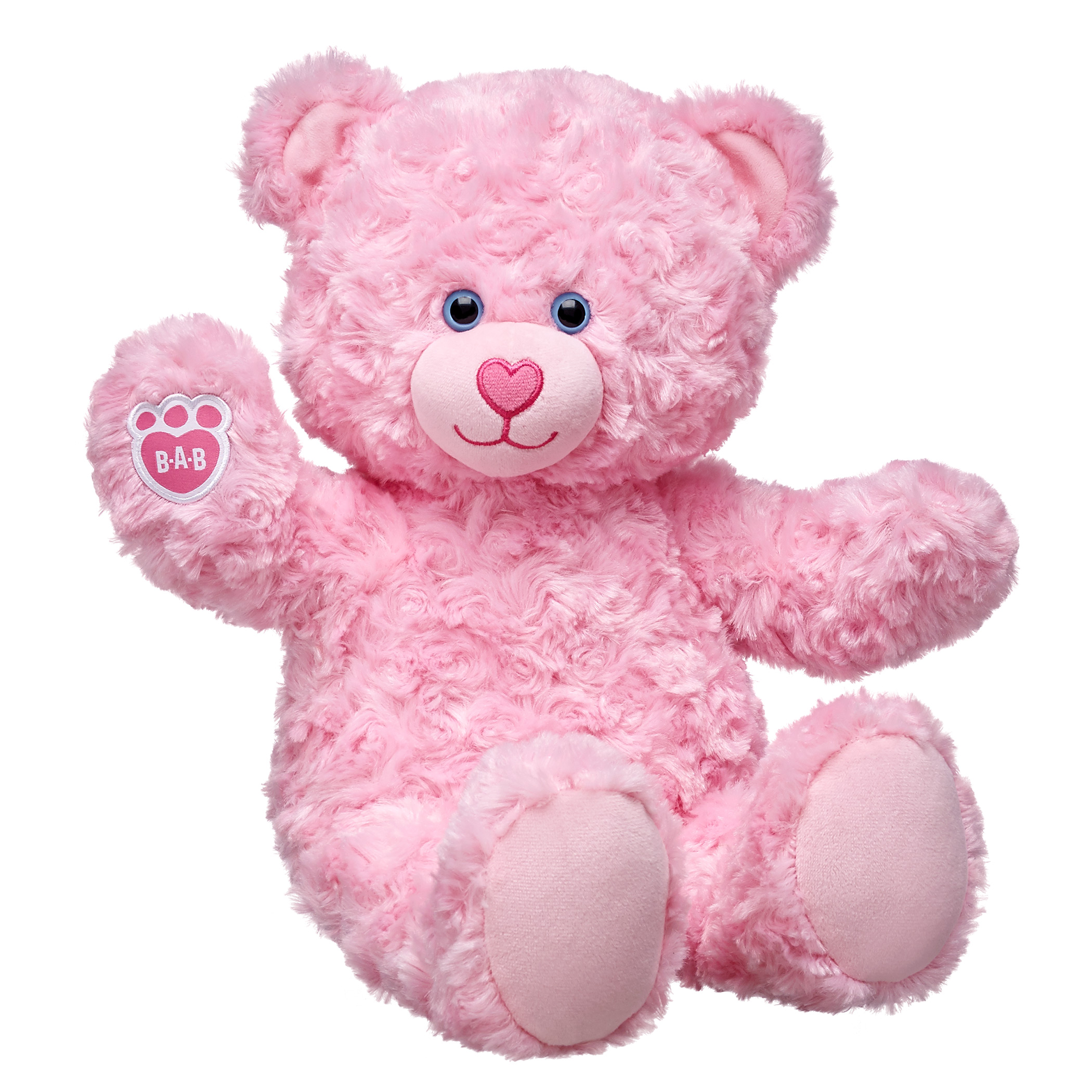
For the budget-conscious consumer, Build-A-Bear typically maintains a selection of “everyday value” furry friends. These are often generic animals—such as the classic Lil’ Cub or basic bunnies—that start at approximately $14.00 to $18.00. From a value-investing perspective, these items represent the highest utility-to-price ratio. They offer the full “heart ceremony” and stuffing experience without the premium associated with intellectual property (IP).
Licensing Fees and Premium Collaborations
The price floor rises significantly when you move into the realm of licensed products. Build-A-Bear has mastered the art of corporate partnerships, featuring characters from Disney, Marvel, Star Wars, Pokémon, and Sanrio. Because Build-A-Bear must pay licensing royalties to these entities, the cost is passed on to the consumer. A standard Pikachu or a limited-edition Stitch can range from $30.00 to $45.00 for the unstuffed plush alone. For the consumer, this represents a “brand tax” that adds 50% to 100% to the base price of the toy.
The Hidden Costs of the “Stuffed with Love” Experience
The genius of the Build-A-Bear business model—and the reason many parents find themselves spending more than anticipated—is the “add-on” strategy. In financial terms, the plush shell is the “loss leader” or the base platform, while the accessories represent the high-margin upsell.
Outfitting and Accessories: The Upsell Strategy
Once the bear is stuffed, the customer is led through a “boutique” of clothing and accessories. This is where the total cost often doubles. A basic t-shirt might cost $7.00, but a full “outfit” (including pants, a jacket, and a hat) can easily reach $25.00. Footwear is another significant variable; a pair of miniature sneakers or boots typically retails between $8.00 and $12.00. When you calculate the cost per square inch of fabric, these accessories are technically more expensive than high-end human fashion, illustrating a masterpiece in high-margin retail scaling.
Add-ons: Sounds, Scents, and Heartbeats
To further personalize the product, the Workshop offers sensory enhancements. For an additional $3.50 to $5.00, customers can add a “scent disk” (such as strawberry or popcorn) inside the bear. Recorded sounds or pre-recorded songs add another $5.00 to $9.00. The most recent innovation, the “Heartbeat Effect” vibration module, adds approximately $6.00. While these individual costs seem nominal, a fully loaded bear—scented, sounding, and vibrating—can add $20.00 to the bill before a single piece of clothing is even considered.
Maximizing Value: Strategic Budgeting for the Build-A-Bear Workshop
Navigating the financial landscape of Build-A-Bear requires a strategy. For families looking to minimize the “money drain” while maximizing the emotional experience, there are several financial tools and programs designed to lower the barrier to entry.
The “Pay Your Age” and Bonus Club Strategies
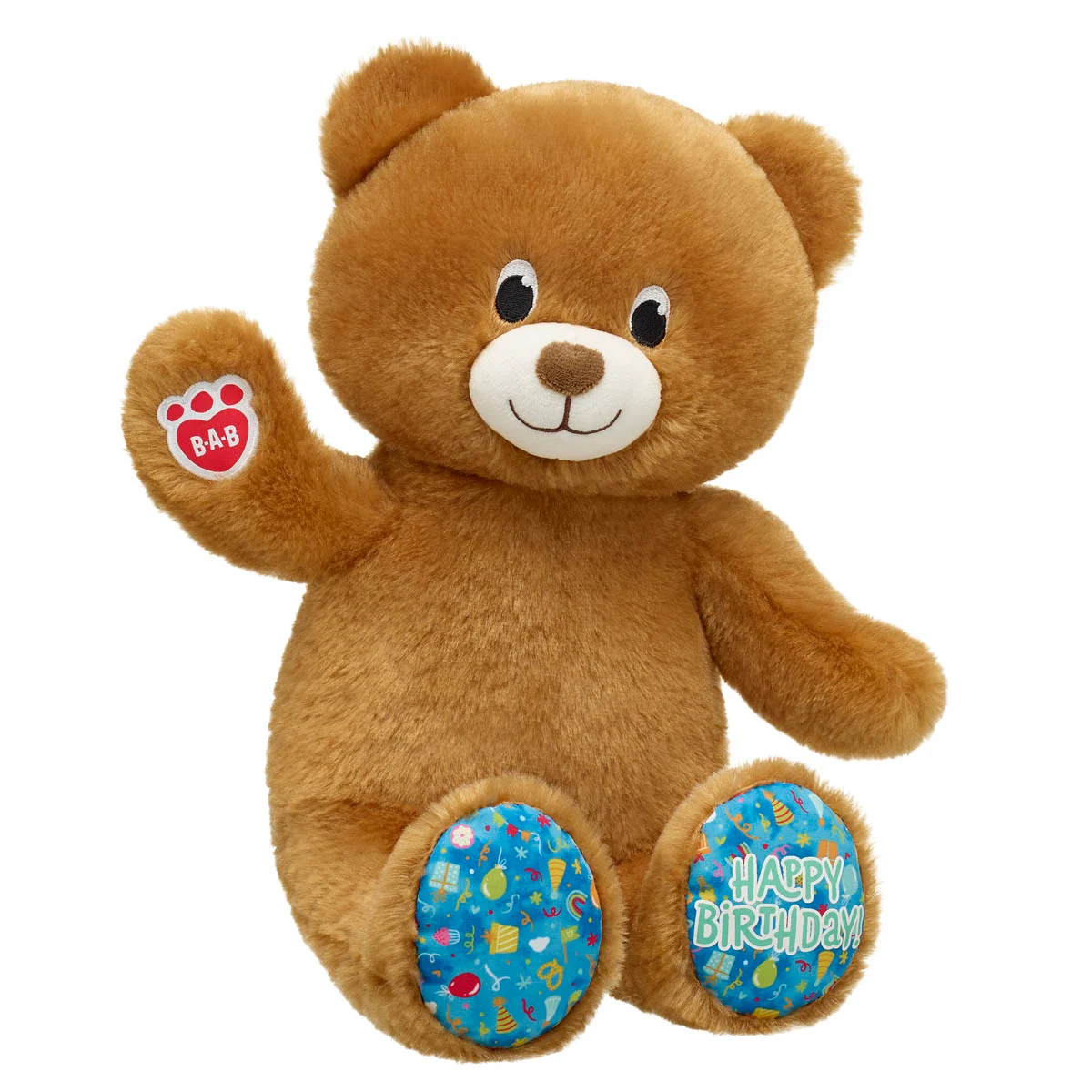
The most famous financial promotion in the company’s history is the “Pay Your Age” event. While the mass-scale events were limited due to overwhelming demand, the “Count Your Candles” program remains a staple for members of their “Bonus Club.” This program allows children during their birthday month to pay their age for a specific “Birthday Treat Bear” (typically retailing for $14). For a three-year-old, this represents a nearly 80% discount, making it one of the most effective customer acquisition costs (CAC) strategies in the toy industry.
Seasonal Promotions and Bundling
Build-A-Bear frequently utilizes “Buy One, Get One” (BOGO) sales on select styles, particularly during the post-holiday slump in January or during “Christmas in July.” Furthermore, their online store often features “exclusive bundles” where a plush, an outfit, and a sound are packaged together for a 15–20% discount compared to in-store a la carte pricing. For the savvy spender, purchasing a gift card at a discount—often found at warehouse clubs like Costco or Sam’s Club for 20% off face value—is the most effective way to shave costs off the total bill.
The Resale Market and Investment Value of Collectible Bears
While most Build-A-Bears are purchased as toys, a growing segment of the population views them as alternative assets. The “Money” aspect of Build-A-Bear extends far beyond the initial retail transaction and into the secondary markets of eBay, Mercari, and specialized collector forums.
Vaulted Collections and Limited Releases
The concept of “scarcity” drives the value of certain plushies. When a design is “vaulted” (retired), its market value can climb if the demand remains high. For example, the early 2000s “HK” (Hello Kitty) collaborations or the limited-edition “Doctor Who” bears have been known to sell for double or triple their original retail price on the secondary market. For an investor in collectibles, the key is maintaining the “tush tag” and the certificate of authenticity, which serves as the “provenance” of the item.
Identifying Appreciation Potential in Plush Assets
Not every bear is an investment. Much like the Beanie Baby craze of the 1990s, mass-produced generic bears rarely appreciate in value. However, items with “niche crossover appeal” tend to perform well. The Pokémon line, specifically jumbo-sized versions or those released during 25th-anniversary events, has shown a consistent ability to hold or increase in value. Furthermore, “retired” scents or clothing items from defunct movie tie-ins can sometimes fetch more than the bears themselves. Understanding the supply-and-demand curves within the collector community is vital for anyone looking to see a return on their Build-A-Bear expenditure.
Conclusion: The Final Price of a Memory
In summary, a Build-A-Bear can cost as little as $14.00 or as much as $150.00. The total expenditure is determined by the consumer’s ability to navigate the psychological triggers of the retail experience. From a financial perspective, the brand is a brilliant example of flexible pricing; it offers a low-cost entry point for the masses while providing an almost limitless ceiling for those willing to pay for “premium” features and licensed branding.
Whether you view a Build-A-Bear as a simple childhood toy, a line item in a birthday budget, or a collectible asset, understanding the components of its cost allows for a more informed financial decision. By utilizing reward programs, avoiding high-margin add-ons, and identifying high-value licensed characters, consumers can enjoy the “Workshop” experience without compromising their financial health. In the world of Build-A-Bear, the “price” is what you pay, but the “value” is a complex mix of nostalgia, personalization, and, occasionally, a savvy investment.
aViewFromTheCave is a participant in the Amazon Services LLC Associates Program, an affiliate advertising program designed to provide a means for sites to earn advertising fees by advertising and linking to Amazon.com. Amazon, the Amazon logo, AmazonSupply, and the AmazonSupply logo are trademarks of Amazon.com, Inc. or its affiliates. As an Amazon Associate we earn affiliate commissions from qualifying purchases.