
Tesla, a company synonymous with innovation in electric vehicles (EVs), has consistently pushed the boundaries of automotive technology. From pioneering long-range battery electric vehicles to integrating advanced software and autonomous driving capabilities, Tesla’s product lineup is in a perpetual state of evolution. For enthusiasts, prospective buyers, and tech observers alike, the question of “what is the newest Tesla model” is a recurring one, often prompting a deeper dive into recent launches, significant refreshes, and upcoming technological advancements.
Understanding Tesla’s product cadence requires appreciating that “newest” can mean different things: a completely redesigned vehicle entering a new segment, or a substantial update to an existing, popular model. Both carry significant technological implications, often introducing new hardware, software features, and manufacturing processes that redefine expectations for the entire automotive industry. This article will navigate Tesla’s dynamic model portfolio, identify its latest distinct offering, explore its groundbreaking features, and consider how ongoing updates to its established vehicles continue to reshape the future of personal transportation.

Navigating Tesla’s Evolving Vehicle Lineup
Tesla’s approach to product development differs significantly from traditional automakers, often prioritizing rapid iteration, software-defined enhancements, and a direct-to-consumer model that allows for quicker feedback loops. This dynamic environment means that the concept of “newest” is not always straightforward.
Understanding Tesla’s Naming Conventions and Cadence
Tesla’s core lineup has historically followed a distinct pattern: Model S (Sedan), Model 3 (Mass-market sedan), Model X (SUV), and Model Y (Compact SUV). This “S3XY” nomenclature encapsulates their initial market segmentation. Beyond these, the company has ventured into more specialized segments with the Cybertruck and the upcoming Roadster. Tesla’s release cadence isn’t strictly annual like many traditional car manufacturers. Instead, new models are introduced when they are deemed ready for market, often after years of development and public anticipation. Furthermore, existing models undergo periodic “refreshes,” which can range from minor aesthetic tweaks and software updates to significant hardware overhauls that dramatically improve performance, range, or interior comfort. These refreshes, while not new models, can fundamentally alter the user experience and keep the vehicles competitive against a rapidly growing field of EV rivals. Understanding this blend of entirely new launches and substantial updates is key to pinpointing what truly constitutes “the newest” in Tesla’s world.
The Concept of “Newest”: Releases vs. Major Updates
When asking about the “newest” Tesla model, one might instinctively think of a completely fresh vehicle design and platform. In this regard, the Tesla Cybertruck stands out as the most recent entirely new vehicle platform introduced by the company. Its official launch and initial deliveries in late 2023 marked a significant expansion into the light-duty truck segment, albeit with a design language that challenges every convention.
However, “newest” can also refer to the most recent significant revision of an established model. Tesla continuously refines its existing lineup, rolling out enhancements that often feel like entirely new products. The Model 3 “Highland” refresh, for example, introduced extensive exterior and interior changes, along with engineering improvements, that substantially updated Tesla’s best-selling sedan. While still a Model 3, the scale of these updates makes it feel like a new generation. Therefore, when evaluating the “newest,” it’s crucial to consider both revolutionary product launches and evolutionary, yet impactful, model refreshes. Both embody Tesla’s ongoing commitment to technological advancement and market leadership.
Unveiling the Latest Addition: The Tesla Cybertruck
After years of anticipation, design reveals, and production ramp-up challenges, the Tesla Cybertruck finally made its debut as the company’s newest distinct vehicle platform. This electric pickup truck is not just another addition to the market; it represents a radical departure from traditional automotive design and engineering principles, aiming to redefine the utility vehicle segment.
Design Philosophy and Market Disruption
The most striking aspect of the Cybertruck is its unmistakable design. Eschewing the rounded curves and conventional aesthetics of modern vehicles, the Cybertruck boasts a futuristic, angular, and monolithic exterior crafted from an ultra-hard 30X cold-rolled stainless-steel exoskeleton. This material, which doubles as the vehicle’s structural backbone, is designed for extreme durability and dent resistance, eliminating the need for traditional paint. The unique “exoskeleton” construction is a manufacturing innovation that contrasts sharply with the body-on-frame or unibody designs of competitors. Its sharp lines, expansive flat surfaces, and lack of a conventional grille give it a presence unlike any other vehicle on the road, deliberately challenging established norms for trucks. This design philosophy aims not only for aesthetic distinction but also for functional benefits, including superior rigidity and crash protection. By radically rethinking what a pickup truck can look like and be made of, the Cybertruck aims to disrupt a highly conservative and fiercely competitive market segment, appealing to early adopters and those seeking unparalleled durability and presence.
Powertrain and Performance Specifications
The Cybertruck is launched with multiple powertrain configurations, each designed to deliver impressive performance figures. The initial models include:
- Rear-Wheel Drive (RWD): While specific power figures and detailed specs were initially less emphasized for the RWD variant, it promises respectable performance and the longest range in the lineup, making it an entry point for those prioritizing efficiency.
- All-Wheel Drive (AWD): This dual-motor configuration offers robust acceleration, with an estimated 0-60 mph time of around 4.1 seconds. It delivers substantial power and torque, suitable for a wide range of driving conditions and towing needs, with an estimated range of over 340 miles (though EPA figures vary).
- Cyberbeast (Tri-Motor AWD): The flagship performance variant, the Cyberbeast, utilizes three electric motors to deliver breathtaking acceleration, achieving 0-60 mph in approximately 2.6 seconds. This places it in supercar territory, astonishing for a vehicle of its size and utility. It boasts immense power output (over 800 horsepower) and torque, along with an estimated range of over 320 miles.
Across all models, the Cybertruck features a massive battery pack, though its exact capacity has not been fully disclosed, capable of supporting the demanding power requirements and extensive range. Its towing capacity is highly competitive, with the AWD and Cyberbeast variants capable of pulling over 11,000 pounds, underscoring its utility focus. Furthermore, a substantial payload capacity and a versatile bed (“vault”) equipped with a magic tonneau cover and integrated power outlets enhance its practicality for work and adventure.
Advanced Features and Technology Integration
Beyond its radical exterior and powerful powertrains, the Cybertruck is packed with cutting-edge technology, both visible and beneath the surface:
- Steer-by-Wire and Rear-Wheel Steering: This system eliminates the mechanical link between the steering wheel and the front wheels, offering precise control and a highly responsive driving experience. Combined with rear-wheel steering, it significantly enhances maneuverability, allowing the large truck to turn with the agility of a smaller vehicle, making parking and navigating tight spaces much easier.
- Adaptive Air Suspension: The Cybertruck features an adaptive air suspension system with up to 16 inches of ground clearance and 12 inches of wheel travel. This allows the vehicle to adjust its height for different driving conditions, whether for improved aerodynamics on highways, enhanced off-road capability, or ease of entry/exit.
- Massive Touchscreen Interface: Consistent with Tesla’s minimalist interior philosophy, the Cybertruck’s cabin is dominated by an enormous 18.5-inch central touchscreen, which serves as the primary control interface for almost all vehicle functions, infotainment, and navigation. A secondary 9.4-inch screen is available for rear passengers.
- Armor Glass: The windows are made of “armor glass,” a polymer-layered composite designed for superior impact resistance, further contributing to the vehicle’s overall robustness.
- Bi-directional Charging Capabilities: Although not fully detailed, the Cybertruck is designed with the potential for bidirectional charging, meaning it could not only draw power from the grid but also supply power back to a home or other devices, enhancing its utility during power outages or as a mobile power source.
- Integrated Bed Utility: The truck bed, or “vault,” is designed with innovative features, including a power-operated tonneau cover that doubles as a ramp, and integrated 120V and 240V power outlets, transforming the truck into a mobile workstation or power generator.
These advanced features underscore Tesla’s commitment to integrating leading-edge technology into every aspect of its vehicles, making the Cybertruck not just a utility vehicle but a highly sophisticated piece of engineering.
Beyond the Cybertruck: Recent Significant Updates to Existing Models
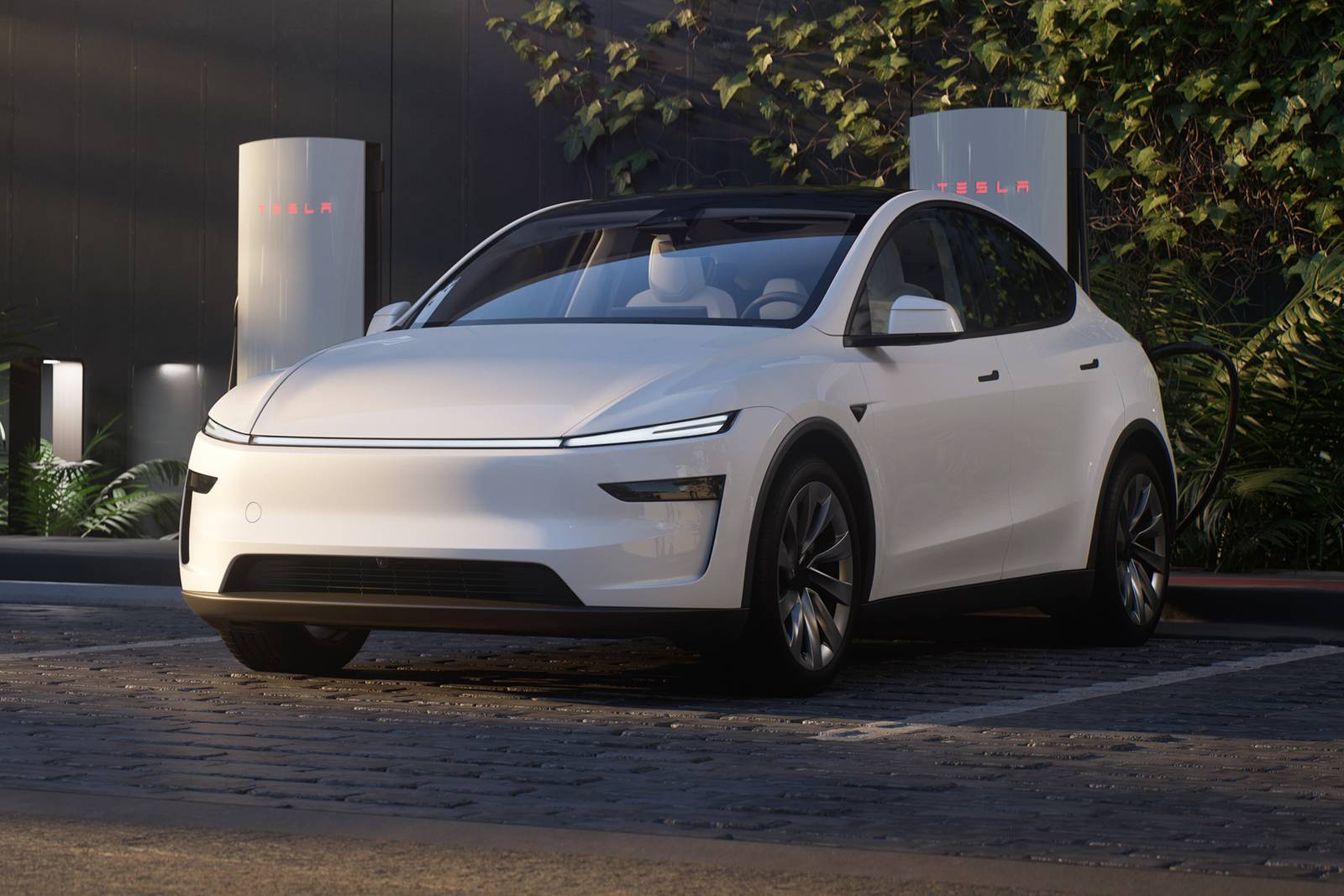
While the Cybertruck represents the newest model entry, Tesla’s commitment to continuous improvement extends to its established lineup. Regular, often substantial, refreshes keep its popular models at the forefront of the EV market, incorporating lessons learned and evolving technologies.
The Refreshed Model 3 “Highland”: A Deeper Dive
The most significant update to an existing Tesla model in recent memory is the Model 3 “Highland” refresh, launched globally in late 2023. This wasn’t merely a minor facelift but a comprehensive overhaul that touched almost every aspect of the popular sedan, making it feel like a new generation.
Externally, the Model 3 Highland received a sleek, more aerodynamic front fascia with slimmer headlights and a redesigned rear with new C-shaped taillights and a cleaner bumper. These changes not only enhance its aesthetic appeal but also improve its drag coefficient, contributing to increased efficiency and extended range. The improved aerodynamics result in an EPA-estimated range boost of around 10-12% for both the Rear-Wheel Drive and Long Range variants.
Inside, the transformation is even more pronounced. The cabin has been meticulously redesigned for enhanced premium feel and functionality. Key interior upgrades include:
- New Dashboard and Trim: A more refined dashboard design with ambient lighting and higher-quality materials, including fabric-wrapped elements.
- Ventilated Seats: A long-requested feature, ventilated front seats significantly improve comfort, especially in warmer climates.
- Acoustic Improvements: Enhanced soundproofing, including acoustic glass for all windows, significantly reduces road and wind noise, leading to a much quieter and more comfortable cabin experience.
- Integrated Indicators: The traditional indicator stalks have been removed, with turn signals now activated via haptic buttons on the steering wheel, a controversial but technologically forward-thinking design choice.
- Rear Entertainment Screen: A new 8-inch touchscreen for rear passengers provides control over climate and entertainment functions, elevating the back-seat experience.
- Improved Audio System: An upgraded 17-speaker audio system (in the Long Range model) delivers a superior sound experience.
From a technological standpoint, the Model 3 Highland also features hardware improvements to its Full Self-Driving (FSD) computer, new ultrasonic sensors being replaced by camera-only Tesla Vision for parking and proximity sensing, and generally faster processing capabilities for its infotainment system. This extensive refresh ensures the Model 3 remains a compelling and technologically advanced option in the fiercely competitive electric sedan market.
Ongoing Enhancements Across the S, X, and Y Lines
While the Model 3 Highland received the most substantial recent update, Tesla continuously rolls out incremental enhancements across its entire lineup, including the Model S, Model X, and Model Y. These often come in the form of:
- Software Updates (Over-the-Air – OTA): Tesla’s signature feature, OTA updates, regularly introduce new functionalities, performance tweaks, security patches, and infotainment improvements to all compatible vehicles, irrespective of their manufacturing date. This means even older models gain new features that were not present at the time of purchase. Recent examples include enhanced navigation features, new app integrations, improved energy management algorithms, and user interface refinements.
- Minor Hardware Tweaks: Throughout the production cycle, Tesla often makes subtle hardware changes that might not constitute a full “refresh” but contribute to overall product improvement. These can include new battery chemistries for improved range or charging speed, updated motor designs for better efficiency, or revised interior components for enhanced durability or aesthetics.
- Performance Optimizations: Software updates frequently unlock additional power or refine power delivery, leading to marginal improvements in acceleration or range for existing vehicles.
- New Wheel Designs and Paint Options: Periodically, Tesla introduces new aesthetic choices, such as additional wheel designs or exterior paint colors, to keep the lineup fresh.
These continuous, often subtle, improvements underscore Tesla’s approach to vehicle ownership as a dynamic experience, where the car you buy today can evolve and gain new capabilities over its lifespan, an approach largely enabled by its software-first architecture.
The Future of Tesla’s Product Innovation
Tesla’s journey is far from over, and its future product pipeline is a subject of intense speculation and excitement. The company remains committed to expanding its reach, pushing technological boundaries, and ultimately accelerating the world’s transition to sustainable energy.
Upcoming Models and Rumored Projects
Looking ahead, several projects are anticipated to further diversify Tesla’s product offerings:
- Next-Generation Platform / Model 2 / Robotaxi: Perhaps the most significant rumored project is a more affordable, smaller vehicle, often referred to as the “Model 2” or designed explicitly for a future “Robotaxi” service. This vehicle is expected to leverage a revolutionary new manufacturing platform, promising significantly lower production costs and potentially a starting price point around $25,000. Such a vehicle would massively expand Tesla’s market reach, making EVs accessible to a much broader demographic and potentially forming the backbone of an autonomous ride-sharing network. Details are scarce, but CEO Elon Musk has hinted at highly innovative production methods that could halve manufacturing costs.
- New Roadster: The second-generation Tesla Roadster, first unveiled as a concept in 2017, promises to be the fastest production car ever made, with staggering acceleration figures (0-60 mph in under 2 seconds) and an unprecedented range (over 600 miles). While its launch has been repeatedly delayed, it remains a halo product that showcases Tesla’s extreme performance capabilities.
- Tesla Semi Production Ramp: While not a consumer vehicle, the Tesla Semi electric truck is crucial for the company’s B2B strategy and has begun initial deliveries. Expanding its production and deployment will be key to electrifying commercial logistics.
- Cybervan/Other Cybertruck Variants: The Cybertruck’s modular platform could potentially spawn other derivatives, such as a passenger van (Cybervan) or specialized commercial vehicles, leveraging its unique architecture and materials.
These upcoming ventures illustrate Tesla’s ambition to not only dominate the consumer EV market but also to disrupt commercial transportation and potentially revolutionize personal mobility through autonomous technologies.
The Role of Software and AI in Tesla’s Evolution
Beyond physical hardware, software and Artificial Intelligence (AI) are the lifeblood of Tesla’s long-term strategy and will increasingly define what makes a Tesla “new.”
- Full Self-Driving (FSD) Beta: Tesla’s development of FSD is central to its future. While still in beta and requiring active driver supervision, the ongoing advancements in its AI neural networks, sensor fusion, and predictive algorithms are constantly “updating” the capabilities of existing Tesla vehicles. As FSD evolves towards true autonomy, it will unlock unprecedented levels of convenience, safety, and efficiency, transforming the driving experience entirely. This is a continuous software-driven evolution that effectively makes every FSD-equipped Tesla a perpetually “new” product in terms of its intelligence.
- Over-the-Air (OTA) Updates: As mentioned, OTA updates are crucial. They allow Tesla to deploy new features, improve existing ones, and even enhance performance or range post-purchase. This contrasts sharply with traditional automakers where a car’s features are largely fixed at the point of sale. Tesla’s ability to evolve its vehicles remotely ensures they remain cutting-edge and adaptable to new technologies and user demands.
- AI for Manufacturing and Design: Tesla also leverages AI and advanced simulation in its manufacturing processes, optimizing everything from factory layout to robot movements, which in turn influences the speed, cost, and quality of new vehicle production. AI-driven design tools are also becoming instrumental in rapidly prototyping and refining future vehicle architectures.
This dual focus on groundbreaking hardware and sophisticated, continuously evolving software and AI ensures that Tesla’s definition of “new” is not just about the latest model year but also about the relentless march of technological progress embedded within every vehicle it produces.
Conclusion
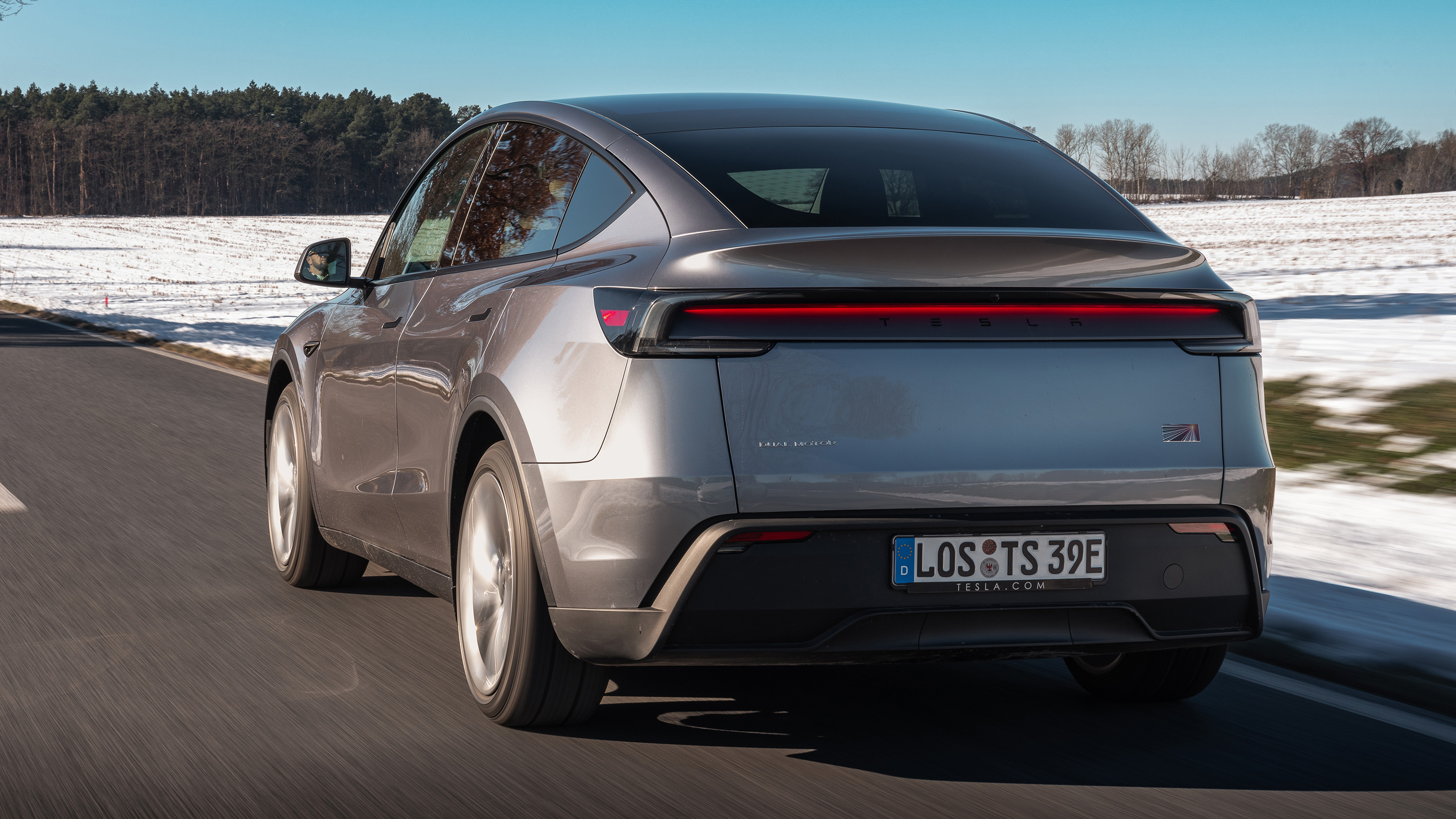
The question “what is the newest Tesla model?” reveals a dynamic landscape where innovation is constant. As of late 2023 and early 2024, the Tesla Cybertruck stands as the most recent entirely new model to enter the company’s lineup, a radical electric pickup truck poised to disrupt the automotive world with its futuristic design, extreme durability, and advanced technological features. Simultaneously, significant updates like the Model 3 “Highland” refresh demonstrate Tesla’s commitment to continuously improving and redefining its existing, popular vehicles, injecting new life and cutting-edge tech into established platforms.
Looking forward, Tesla’s pipeline is brimming with potential, from a highly anticipated, more affordable next-generation vehicle to the production ramp of the Tesla Semi and the eventual launch of the new Roadster. Crucially, the ongoing evolution of its Full Self-Driving software and the power of over-the-air updates mean that even existing Tesla owners experience a perpetually “new” vehicle as capabilities expand and refine. Tesla continues to be a pacesetter in the automotive industry, not just by launching new models, but by relentlessly innovating across hardware, software, and manufacturing, ensuring its place at the forefront of the technological revolution in transportation.
aViewFromTheCave is a participant in the Amazon Services LLC Associates Program, an affiliate advertising program designed to provide a means for sites to earn advertising fees by advertising and linking to Amazon.com. Amazon, the Amazon logo, AmazonSupply, and the AmazonSupply logo are trademarks of Amazon.com, Inc. or its affiliates. As an Amazon Associate we earn affiliate commissions from qualifying purchases.