
In the rapidly evolving landscape of information technology, we often look to silicon, quantum bits, and cloud architectures as the pinnacle of data storage and processing. However, the most sophisticated data storage medium ever discovered was not engineered in a Silicon Valley laboratory; it was perfected over billions of years of biological evolution. At the heart of this system lies a specific five-carbon sugar that provides the structural integrity for life’s blueprint. That sugar is deoxyribose.
While a biologist views deoxyribose as the structural component of the DNA backbone, the modern technologist sees it as the fundamental “hardware” substrate for biological information. As we reach the physical limits of Moore’s Law and traditional silicon-based storage, the tech industry is increasingly looking toward the molecular structure of DNA—and its sugar-phosphate backbone—to solve the global data crisis.

The Architecture of Biological Data: Deoxyribose as the Universal Substrate
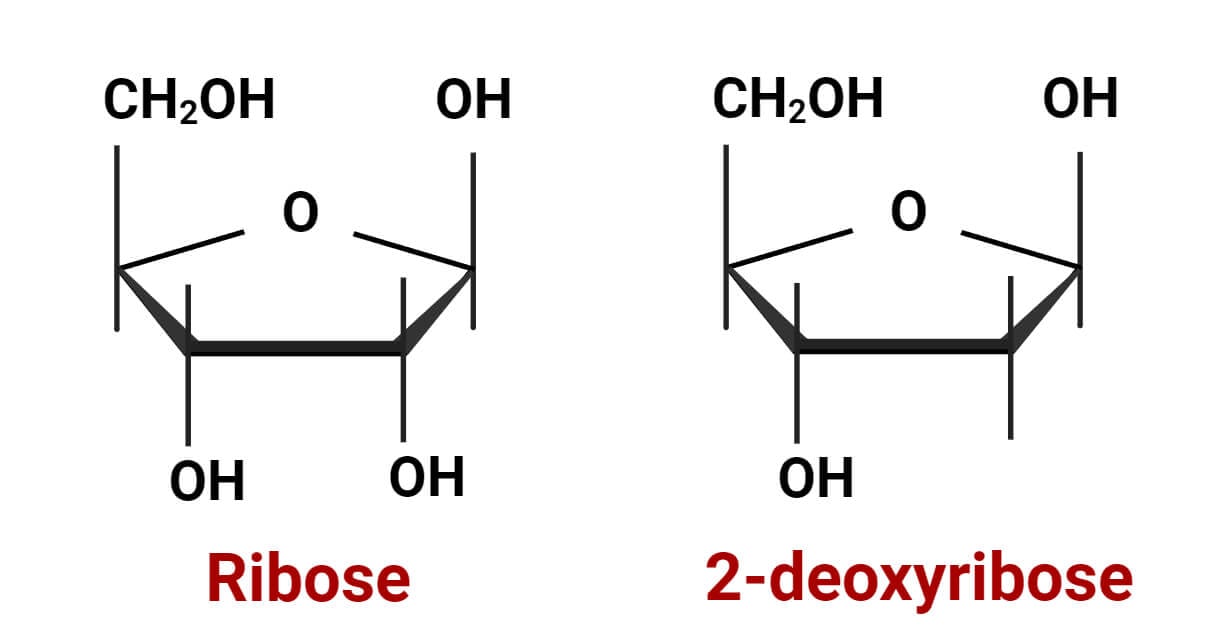
To understand why deoxyribose is significant in a technological context, we must first look at its role in the deoxyribonucleic acid (DNA) molecule. Deoxyribose is a pentose sugar that alternates with phosphate groups to form the long, twisting “railings” of the DNA ladder. This structure is not merely a container; it is a highly stable, energy-efficient, and dense architecture for housing information.
Understanding Deoxyribose in the Digital Age
In digital computing, we rely on transistors to represent 0s and 1s. In biological computing, we rely on nitrogenous bases (Adenine, Cytosine, Guanine, and Thymine). However, these bases cannot exist in a vacuum; they require a physical medium to hold them in a precise, readable sequence. This is where deoxyribose comes in. By linking these bases into a double helix, the sugar backbone allows for a level of data density that modern hard drives cannot yet match. From a tech perspective, deoxyribose is the ultimate motherboard, providing the physical traces that allow data “bits” to be organized and accessed.
Why the Sugar Backbone is Nature’s Most Stable Storage Drive
One of the greatest challenges in digital technology is data degradation. SSDs and magnetic tapes have lifespans measured in decades. In contrast, when protected from the elements, the deoxyribose-phosphate backbone of DNA can remain intact for thousands of years. Recent breakthroughs in “Cold Data” storage technology are leveraging this stability. Tech firms are now experimenting with synthetic DNA—built on the same deoxyribose framework—to archive human knowledge for millennia without the need for constant migration or energy consumption.
DNA Data Storage: Beyond Silicon and Magnetic Tape
The tech industry is currently facing a “data explosion.” Every day, we generate quintillions of bytes of data, and our current physical infrastructure is struggling to keep up. This has led to the emergence of DNA Data Storage as a viable tech trend, where the sugar deoxyribose serves as the physical foundation for the next generation of enterprise storage.
The Density Advantage of Molecular Storage
The primary tech appeal of the DNA structure is its incredible density. Because the deoxyribose backbone allows for a three-dimensional folding of information, a single gram of DNA can theoretically store up to 215 petabytes (215 million gigabytes) of data. To put this in perspective, all of the world’s current data could fit into a few kilograms of DNA. Major tech players, including Microsoft and Western Digital, have formed the DNA Data Storage Alliance to standardize the methods of “writing” data into the molecular strands that deoxyribose supports.
Translating Binary to ACGT
The process of utilizing this molecular hardware involves a complex software-to-chemistry pipeline. Digital files (binary) are converted into biological sequences (A, C, G, T) using specialized algorithms. These sequences are then synthesized into physical strands of DNA. The “read” process utilizes nanopore sequencing—a cutting-edge tech tool that pulls the DNA strand through a microscopic hole and measures electrical changes to identify the bases. Throughout this entire process, the deoxyribose sugar remains the silent hero, ensuring the sequence remains linear and readable despite the mechanical stresses of the sequencing hardware.
Bioinformatics and the Digital Mapping of Life

As we bridge the gap between biology and technology, the study of deoxyribose-based molecules has moved from the wet lab to the server farm. Bioinformatics—the intersection of biology, big data, and AI—is now one of the fastest-growing sectors in the tech world.
AI Tools in Genomic Sequencing
The complexity of the data held by the deoxyribose framework is too vast for human analysis. This has necessitated the development of sophisticated AI tools and machine learning models designed to map genomes and identify patterns. AI algorithms like AlphaFold have revolutionized our understanding of how these molecular structures interact. By simulating the physical properties of the sugar-phosphate backbone and the resulting molecular tension, software can now predict how genetic data will “behave,” leading to breakthroughs in personalized medicine and synthetic biology.
Synthetic Biology: Programming the Sugar Backbone
We are no longer just reading the data found on the deoxyribose backbone; we are writing it. Synthetic biology is essentially “programming” for life. Using CRISPR and other gene-editing tools, developers can treat DNA as code. This has led to the creation of “bio-computers,” where biological molecules perform logic gates and memory functions. In these systems, deoxyribose acts as the physical chassis for the biological circuits, proving that the future of computing may be as much about organic chemistry as it is about electrical engineering.
Security and Ethics in the Age of Biological Computing
As with any transformative technology, the shift toward DNA-based data systems introduces significant concerns regarding digital security and data protection. If our most sensitive information is stored on a molecular level, how do we secure the “sugar backbone”?
Bio-Cryptography and Data Protection
Traditional encryption relies on mathematical complexity. Bio-cryptography, however, uses the inherent complexity of the deoxyribose structure to hide data. Scientists are developing methods to “steganographically” hide digital information within the non-coding regions of synthetic DNA. Because the sugar-phosphate backbone is so resilient, this data can be hidden in plain sight—integrated into physical objects or even biological organisms—creating a form of “unhackable” physical encryption that defies traditional digital surveillance.
The Future of Biometric Security
The unique sequence of bases held by our deoxyribose structures is the ultimate password. We are already seeing a shift from simple fingerprint scanners to more advanced genomic-based biometric security. However, this raises the stakes for data breaches. Unlike a password, you cannot change your DNA. The tech community is currently debating the implementation of “Zero Trust” architectures for biological data to ensure that as we integrate DNA into our technological ecosystems, we do not compromise the fundamental privacy of the individual.
The Road Ahead: From Lab to Consumer Tech
While DNA data storage and biological computing are currently concentrated in high-end research facilities and enterprise data centers, the trajectory of this technology suggests an eventual move toward the consumer market.
The miniaturization of sequencing technology is already underway. Portable devices, such as those developed by Oxford Nanopore Technologies, allow for the real-time reading of DNA sequences in the field. As the cost of synthesizing the deoxyribose-based strands continues to drop—following a curve even steeper than the one seen in silicon chip manufacturing—we may soon see “DNA drives” as a standard component in high-security workstations or long-term personal archives.
The name of the sugar found in DNA is deoxyribose, but in the context of modern technology, it represents much more. It is the architectural foundation of a new era of “Molecular IT.” By moving away from the limitations of 2D silicon chips and embracing the 3D, high-density, and ultra-stable world of biological hardware, we are not just mimicking nature; we are upgrading the very concept of what technology can be.
As we look to the future, the distinction between a “tech company” and a “biotech company” will continue to blur. Whether we are storing the world’s libraries in a drop of liquid or using AI to re-code the instructions of life, the sugar deoxyribose will remain the indispensable hardware of the information age. It is the bridge between the digital world we have built and the biological world we have inherited, proving that sometimes, the best way to move forward is to master the tools that have been right inside us all along.
aViewFromTheCave is a participant in the Amazon Services LLC Associates Program, an affiliate advertising program designed to provide a means for sites to earn advertising fees by advertising and linking to Amazon.com. Amazon, the Amazon logo, AmazonSupply, and the AmazonSupply logo are trademarks of Amazon.com, Inc. or its affiliates. As an Amazon Associate we earn affiliate commissions from qualifying purchases.